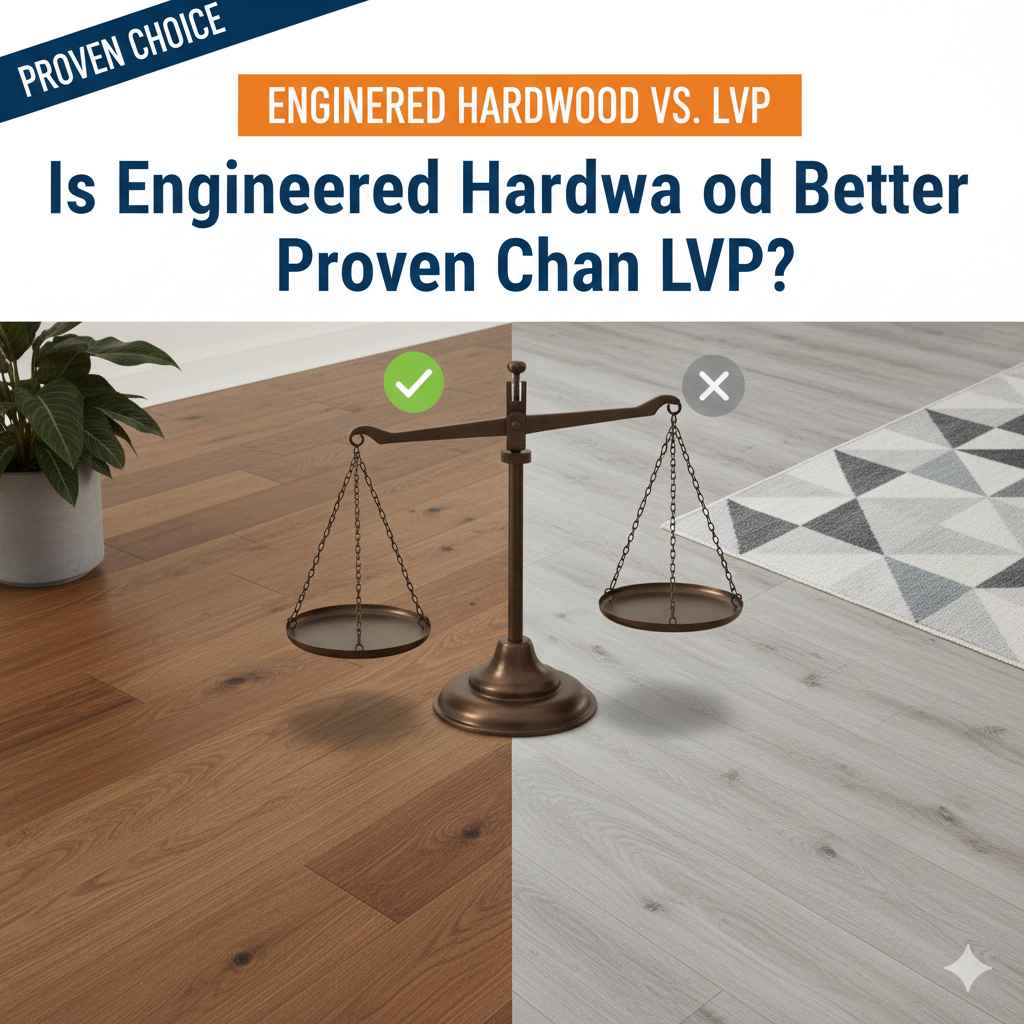
Is Engineered Hardwood Better Than LVP? Proven Choice
For homeowners wondering if engineered hardwood is a better flooring choice than LVP (Luxury Vinyl Plank), the answer often depends on your priorities like budget, durability, and aesthetic. Engineered hardwood offers a premium, authentic wood look and can add significant value, while LVP excels in water resistance and is generally more budget-friendly and easier to maintain for busy households. Deciding involves weighing these key differences to find your ‘proven choice’.
Choosing new flooring can feel like a big project, and you’re not alone if you’re wondering which material is the best fit for your home. Two popular options that come up a lot are engineered hardwood and LVP (Luxury Vinyl Plank). They both look great, but they’re made very differently and perform differently too. This can make deciding tricky! Don’t worry, though. I’m here to help you sort through the details so you can make a confident choice that you’ll love for years to come. We’ll break down exactly what each one is and how they stack up against each other.
Engineered Hardwood vs. LVP: What Are They?
Before we compare, let’s get a clear picture of what we’re dealing with. Understanding the basic construction of each flooring type will make it easier to see why they have different strengths and weaknesses.
What is Engineered Hardwood Flooring?
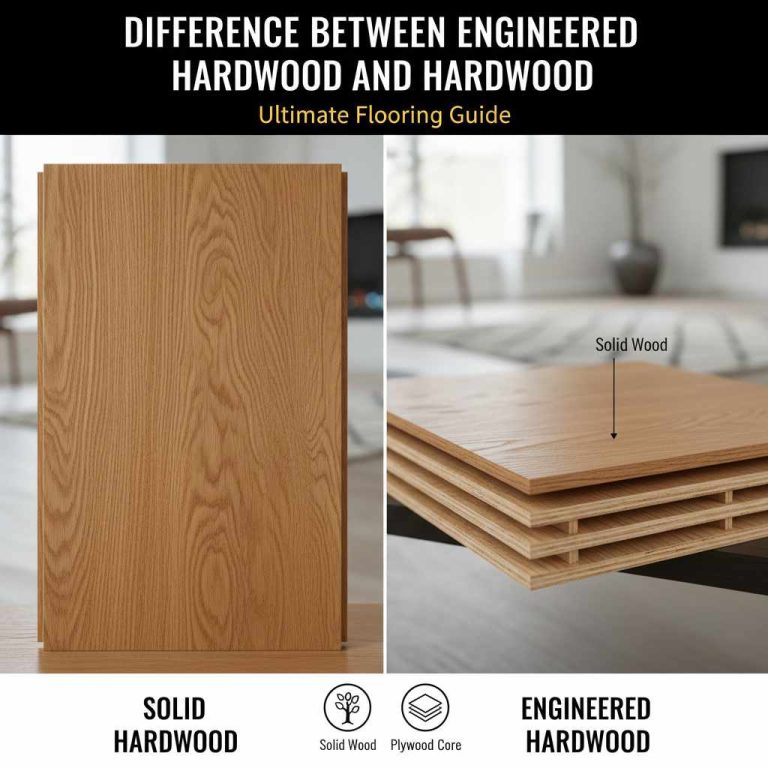
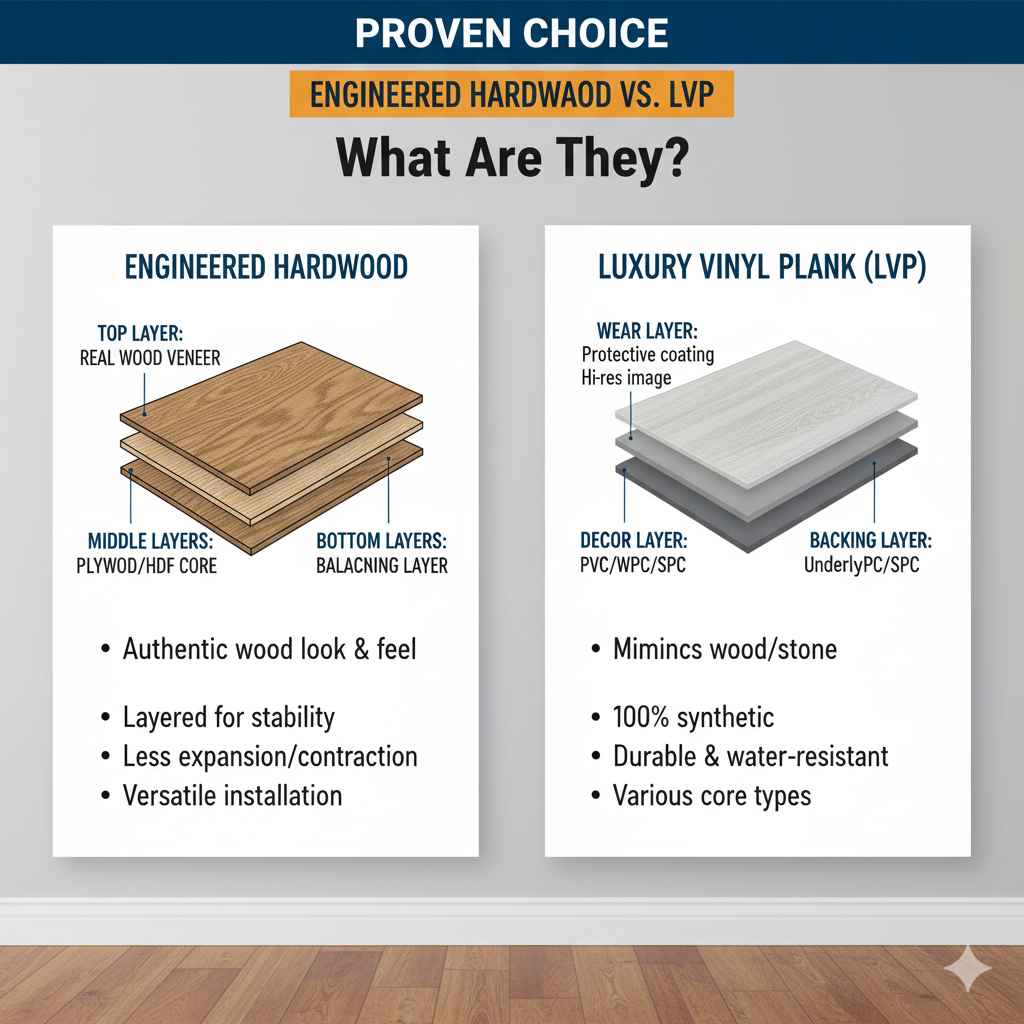
Engineered hardwood flooring is a clever and beautiful option that looks just like solid hardwood but is constructed differently. It’s made from multiple layers of wood or wood composite fused together under intense heat and pressure.
Think of it like a high-tech sandwich:
- Top Layer: This is the showstopper – a thin veneer of real hardwood (like oak, maple, or walnut). This is what you see and feel, giving it that authentic wood charm.
- Middle Layers: Beneath the veneer are several layers of plywood, high-density fiberboard (HDF), or other wood composites. These layers are oriented in different directions, providing stability and strength.
- Bottom Layer: Sometimes there’s a balancing layer on the very bottom for added stability.
This layered construction makes engineered hardwood more stable than solid hardwood, less prone to expanding or contracting with changes in humidity and temperature. It’s also often more versatile in installation, as it can sometimes be glued down or even floated over certain subfloors, and can even be installed in basements (though always check manufacturer guidelines).
What is Luxury Vinyl Plank (LVP) Flooring?
Luxury Vinyl Plank (LVP) flooring is a type of resilient flooring made from synthetic materials. It’s designed to mimic the look of natural materials like wood or stone but with added benefits.
LVP is typically constructed in several layers as well:
- Wear Layer: This is the top protective coating that shields the plank from scratches, scuffs, and stains. The thicker the wear layer, the more durable the LVP.
- Décor Layer: This is a high-resolution photographic image that gives the LVP its realistic wood or stone appearance.
- Core Layer: This is the heart of the plank, usually made from PVC (polyvinyl chloride) or other composite materials. Many modern LVP products now feature a WPC (wood plastic composite) or SPC (stone plastic composite) core, which makes them more rigid and water-resistant.
- Backing Layer: This is the bottom layer, which can be a simple vinyl backing or an attached underlayment for added comfort and sound dampening.
LVP is celebrated for its incredible durability, water resistance, and ease of maintenance, making it a favorite for busy homes with kids and pets.
Key Differences: Engineered Hardwood vs. LVP
Now that we know what they are, let’s dive into how they compare head-to-head. This is where you’ll find the insights to help you decide which is the “proven choice” for your needs.
Aesthetics and Feel
This is often the first thing people notice.
- Engineered Hardwood: It is real wood on top! This means it has a natural grain, unique texture, and warmth that’s hard to replicate perfectly. Each plank can have slight variations, adding to its authentic beauty. It feels solid and substantial underfoot.
- LVP: Modern LVP has come a long way in mimicking natural materials. The décor layer can be incredibly realistic, but sometimes, up close, you might notice a repeating pattern, or the texture might feel less nuanced than real wood. However, embossing techniques are making LVP look and feel more wood-like every year.
Durability and Performance
How well does each stand up to daily life?
- Engineered Hardwood: It’s durable for a natural wood product, but it can still be scratched, dented, or susceptible to moisture damage if not cared for properly. The veneer thickness matters here; thicker veneers can be sanded and refinished a limited number of times over the floor’s life, extending its lifespan.
- LVP: This is where LVP often shines for busy homes. It’s highly resistant to scratches, dents, and stains. Its waterproof or water-resistant nature makes it ideal for kitchens, bathrooms, laundry rooms, and basements where moisture is a concern.
Water Resistance
This is a critical factor for many homeowners.
- Engineered Hardwood: While more stable than solid hardwood, engineered hardwood is still wood. It can warp, swell, or become damaged by prolonged exposure to excessive moisture or spills that aren’t wiped up promptly.
- LVP: Most LVP products are waterproof, especially those with SPC or WPC cores. This makes them an excellent choice for areas prone to spills, humidity, or even complete submersion (like during a flood, though standing water should always be addressed promptly).
Installation
How easy is it to get down on the floor?
- Engineered Hardwood: Installation methods vary. It can be glued down, stapled, or floated. Floating floors often come with a click-lock system that allows DIYers to assemble planks easily. However, it typically requires a very flat, dry subfloor.
- LVP: LVP is renowned for its easy installation. Most planks use a click-lock system, making them simple to connect. Many LVP floors can be installed as a floating floor directly over existing hard-surface flooring (like old tile or linoleum), as long as it’s clean and level. This can save time and money on subfloor preparation. Check out resources from manufacturers like Armstrong Flooring for detailed installation guides.
Maintenance and Cleaning
Keeping your floor looking its best.
- Engineered Hardwood: Requires careful cleaning. Use a damp mop (never wet!) and a wood-safe cleaner. Avoid abrasive cleaners, steam mops, and excessive water. Regular sweeping or vacuuming is essential to prevent grit from scratching the surface.
- LVP: Generally very easy to clean. Sweeping, vacuuming, or a damp mop with a mild cleaner is usually all that’s needed. It’s very forgiving with spills and resistant to most common household cleaners.
Cost
What’s the typical investment?
- Engineered Hardwood: Can range from mid-range to high-end, depending on the wood species, veneer thickness, and brand. Installation costs can also add up, especially if professional help is needed or subfloor prep is extensive.
- LVP: Generally more affordable than engineered hardwood, especially basicclick-lock LVP. Higher-end LVP with thicker wear layers and more realistic visuals can approach the lower end of engineered hardwood pricing, but it usually remains a more budget-friendly option overall.
Resale Value
How does it impact your home’s worth?
- Engineered Hardwood: Real wood flooring is a significant selling point for many homebuyers. It’s often seen as a premium feature that can increase your home’s resale value.
- LVP: While LVP is a practical and attractive choice, it’s generally not perceived to add as much intrinsic resale value as real hardwood. However, a beautiful, well-maintained LVP floor can certainly make a home more appealing to buyers.
Pros and Cons: A Quick Comparison
To make the decision even clearer, here’s a table summarizing the main advantages and disadvantages of each flooring type.
| Feature | Engineered Hardwood | Luxury Vinyl Plank (LVP) |
|---|---|---|
| Aesthetics | Authentic, natural beauty, unique grain patterns. Feels like real wood. | Realistic wood or stone looks, wide variety of styles. Can sometimes have repeating patterns. |
| Comfort | Warm and natural underfoot. | Can be warmer and softer underfoot than laminate, especially with attached underlayment. |
| Durability | Good, but can scratch, dent, or fade. Veneer thickness impacts refinishing potential. | Excellent. Highly resistant to scratches, dents, and stains. |
| Water Resistance | Susceptible to moisture damage. Not recommended for high-moisture areas without careful protection. | Generally waterproof or highly water-resistant. Excellent for kitchens, bathrooms, basements. |
| Installation Ease | Moderate; requires a very flat, dry subfloor. Can be glued, stapled, or floated. | Easy; often click-lock, can be floated over existing floors. More forgiving subfloor requirements. |
| Maintenance | Requires specific wood cleaners, avoid excess water. Frequent sweeping/vacuuming. | Easy to clean with sweeping, vacuuming, or damp mopping. Very forgiving. |
| Cost | Mid to high-end material cost. Installation can be moderately expensive. | Budget-friendly to mid-range. Installation is often less expensive. |
| Resale Value | Adds significant perceived value to a home. | Adds appeal but typically not as much perceived value as real wood. |
| Environmental Impact | Made with real wood; sustainability depends on sourcing and manufacturing. VOCs may be a concern depending on adhesives and finishes. | Synthetic material; manufacturing can be energy-intensive. Look for low-VOC certifications like FloorScore®. Refinishing isn’t an option, so replacement is needed eventually. |
Is Engineered Hardwood Better Than LVP? The “Proven Choice” Depends on You
So, when is engineered hardwood the “proven choice,” and when is LVP the smarter pick? It really boils down to your lifestyle, budget, and what you value most in a floor.
Choose Engineered Hardwood If:
- You prioritize authentic wood beauty: Nothing quite matches the natural warmth and character of real hardwood.
- Your home has low to moderate humidity: You mainly plan to install it in living rooms, bedrooms, or dining areas where moisture isn’t a major issue.
- You want to add maximum resale value: Real estate agents and buyers often see hardwood as a premium upgrade.
- You enjoy the feel of solid wood underfoot: The natural feel is unmatched.
- You have a budget that allows for a higher investment: If your budget is flexible and you’re looking for a long-term, luxury update.
- You’re prepared for slightly more delicate maintenance: You don’t mind using specific cleaners and being extra careful with spills.
In these situations, engineered hardwood offers a timeless elegance and a connection to natural materials that LVP can only emulate. For instance, research from institutions like the U.S. Forest Products Laboratory highlights the inherent qualities and engineering that go into making hardwood products durable and aesthetically pleasing.
Choose LVP If:
- You have a busy household with kids and pets: Its dent and scratch resistance is a lifesaver.
- You need waterproof flooring: Kitchens, bathrooms, laundry rooms, and basements are perfect applications for LVP.
- You’re on a tighter budget: LVP generally offers more bang for your buck upfront.
- Ease of maintenance and cleaning are top priorities: You want a floor that’s easy to care for with minimal fuss.
- You’re looking for a DIY-friendly installation: Many LVP click-lock systems are very forgiving and easy for beginners.
- You want a highly durable floor that can withstand heavy traffic: LVP is built to last in high-traffic areas.
LVP provides a practical, resilient, and often more affordable solution that doesn’t sacrifice style. It’s a fantastic choice for modern living where performance and ease are key.
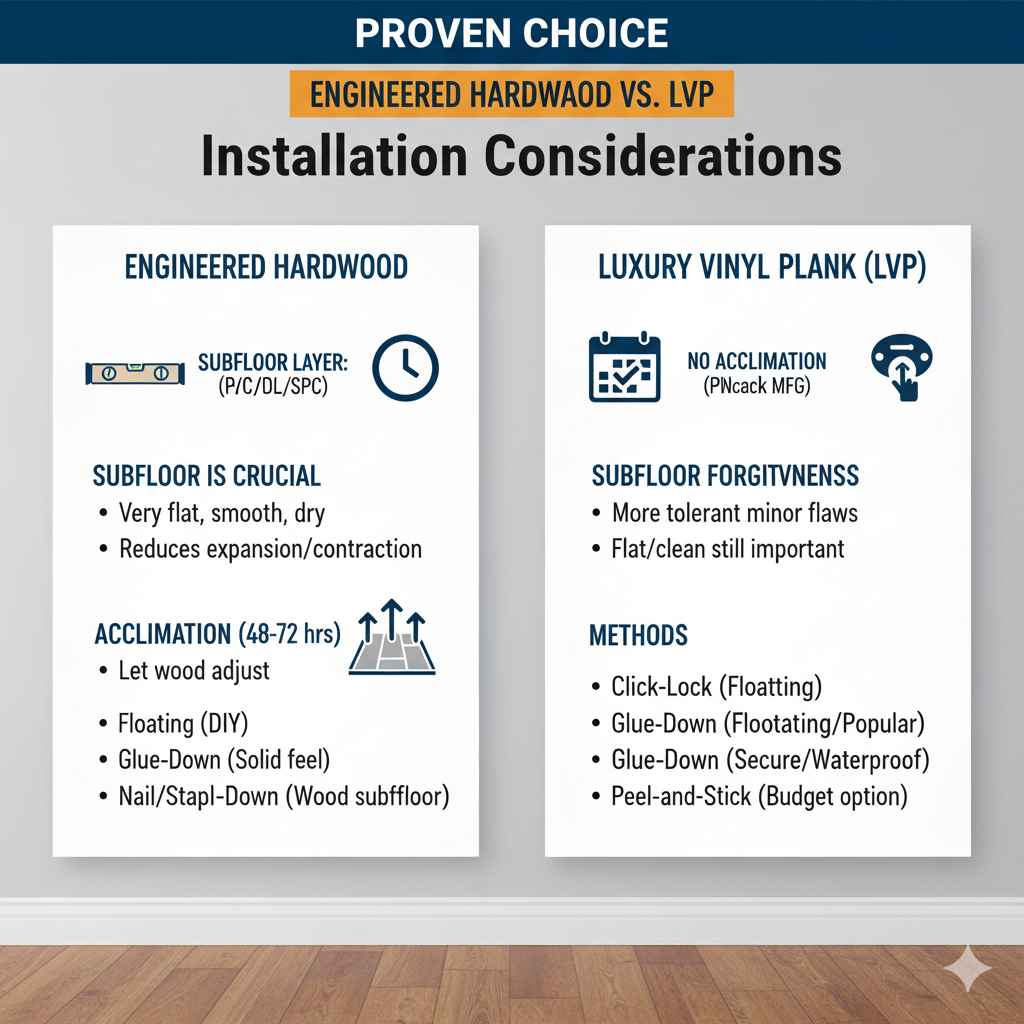
Installation Considerations: A Deeper Dive for DIYers
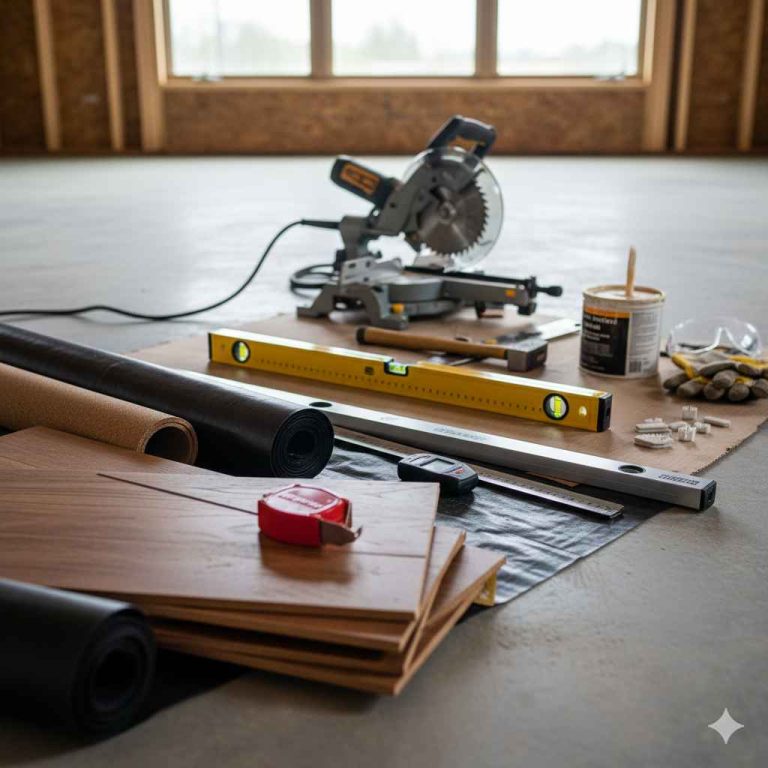
As your woodworking mentor, I always emphasize that a great floor starts with a great installation. Both engineered hardwood and LVP have their installation nuances.
Engineered Hardwood Installation
Subfloor Prep is Crucial: Engineered hardwood needs a very flat, smooth, and dry subfloor. Any imperfections in the subfloor can telegraph through to the finished floor, leading to squeaks or unevenness. You might need to level or repair your subfloor before starting.
Acclimation: It’s vital to let engineered hardwood acclimate to the room’s temperature and humidity for at least 48-72 hours before installation. This allows the wood to adjust to its new environment and reduces the risk of expansion or contraction issues later.
Methods:
Floating: This is common for DIYers. Planks click together and are not attached to the subfloor, creating a “floating” layer. It typically requires an underlayment.
Glue-Down: Involves adhering the planks directly to the subfloor with a special adhesive. This creates a very solid feel but is messier and more labor-intensive.
Nail/Staple-Down: Similar to solid hardwood, some engineered planks can be fastened to a wooden subfloor with nails or staples. This is less common than floating or glue-down for engineered wood.
LVP Installation
Subfloor Forgiveness: LVP is generally more forgiving of minor subfloor imperfections compared to engineered hardwood. However, a reasonably flat and clean subfloor is still important for the best results and to prevent locking mechanisms from breaking.
No Acclimation Needed (Usually): Most LVP doesn’t require a lengthy acclimation period, saving you time. Always check the manufacturer’s instructions, though.
Methods:
Click-Lock (Floating): This is the most popular method. Planks snap together, creating a floating floor. Many LVP products come with an attached underlayment, simplifying installation further.
Glue-Down: Some LVP products are designed to be glued down, which can create a very secure and waterproof installation, especially in commercial settings or very high-traffic residential areas.
Peel-and-Stick: Less common in high-quality LVP, but some budget options are peel-and-stick. These can be prone to issues with adhesion over time. I usually recommend the click-lock or glue-down varieties for better durability.
FAQ: Your Top Flooring Questions Answered
Frequently Asked Questions About Engineered Hardwood vs. LVP
Q1: Can I install engineered hardwood in my bathroom?
Answer: Generally, no. Engineered hardwood is susceptible to moisture damage, which is prevalent in bathrooms. For bathrooms, LVP is a much safer and more suitable choice due to its water-resistant properties.
Q2: Does LVP look cheap compared to engineered hardwood?
Answer: High-quality LVP can look incredibly realistic and does not necessarily look “cheap.” Modern manufacturing techniques, detailed imaging, and textured surfaces make LVP visually comparable to many genuine wood floors. However, premium engineered hardwood often has a richer, more unique character.
Q3: Can I refinish engineered hardwood?
Answer: Yes, but only if the top hardwood veneer layer is thick enough. Thicker veneers (typically 2mm or more) can be sanded and refinished one or two times during the floor’s lifespan. Thinner veneers cannot be refinished. LVP cannot be refinished.
Q4: Is LVP more durable than engineered hardwood?
Answer: For everyday wear and tear, yes, LVP is often considered more durable. It’s highly resistant to scratches and dents, making it ideal for areas with heavy foot traffic, pets, and children. Engineered hardwood is durable for a natural wood product but can be more prone to physical damage.
Q5: Which is better for sound transmission – engineered hardwood or LVP?
Answer: Both can have sound transmission issues depending on the installation and subfloor. Engineered hardwood, being solid wood, may transmit less sound than hollower LVP. However, LVP with a thick, attached underlayment can significantly improve acoustics.