Is It Better to Stain Or Seal Pressure-Treated Wood: Expert Tips
You’ve just finished a project with pressure-treated wood, and now you’re left with an important decision: should you stain it or seal it? This choice isn’t just about aesthetics; it’s about longevity, protection, and ensuring your investment stands the test of time.
If you’re feeling uncertain about which option is the best for your wood, you’re not alone. Many homeowners and DIY enthusiasts face the same dilemma. Understanding the differences and benefits of staining versus sealing can be the game-changer for your project.
You’ll discover the secrets to choosing the right finish that will enhance your wood’s appearance and durability. So, are you ready to make an informed decision that will keep your pressure-treated wood looking its best for years to come? Keep reading to find out more.
Credit: www.yellawood.com
Pressure-treated Wood Basics
Pressure-treated wood is protected from bugs and rot. Chemicals are added to the wood. This makes it last longer outside. It is strong and used for decks and fences. But, it still needs care. Wood can dry out and crack. Sun and rain can damage it.
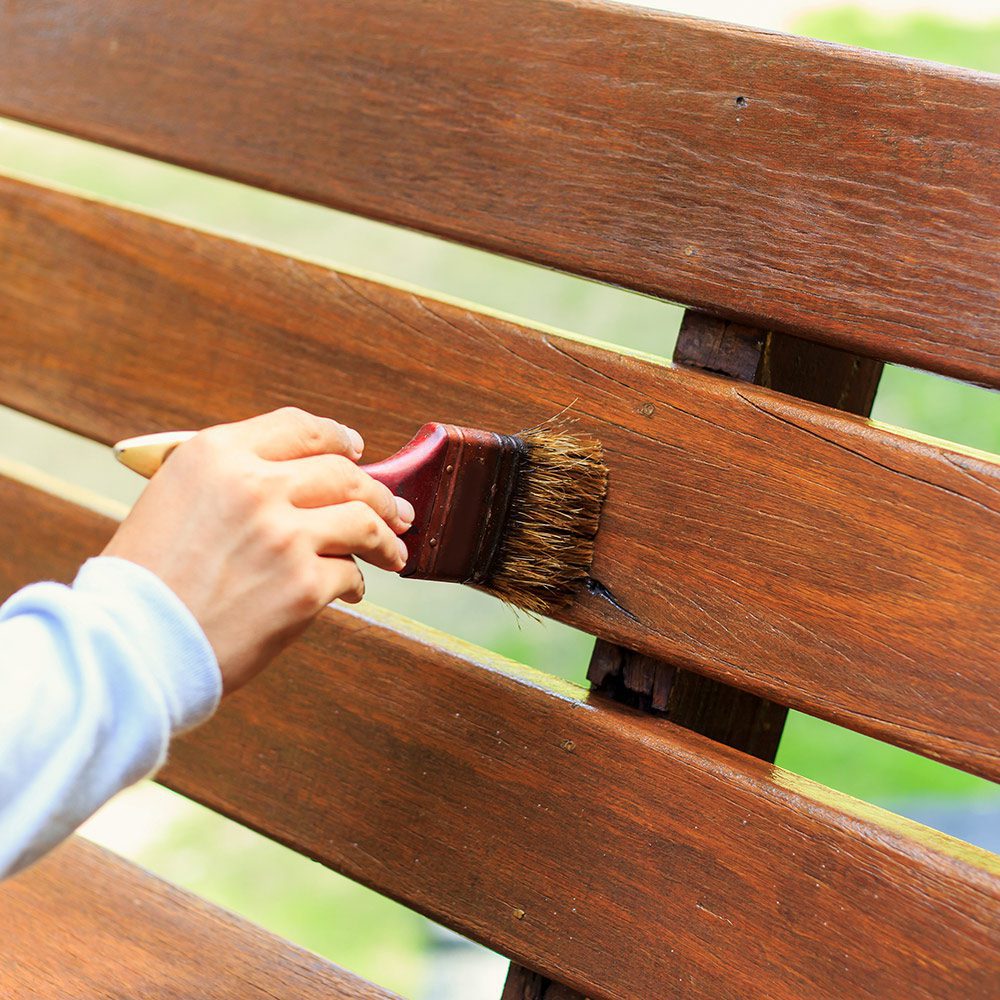
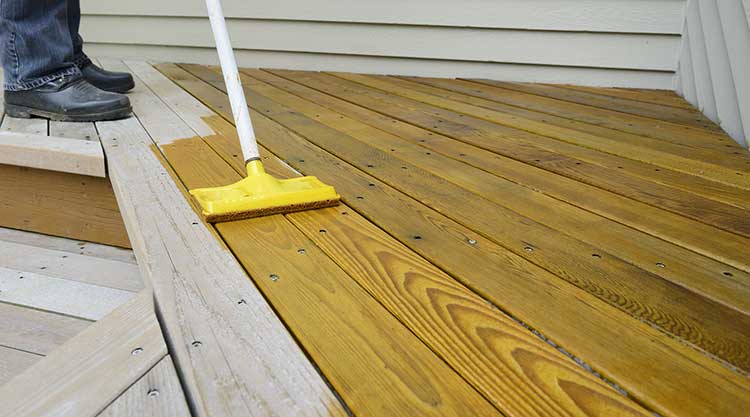
Staining or sealing helps protect the wood. Stain adds color. It also helps stop water damage. Sealant protects without changing color. Both help the wood stay strong. Choosing the right one depends on your needs. Do you want color or clear? Think about it.
Credit: www.homedepot.com
Benefits Of Staining
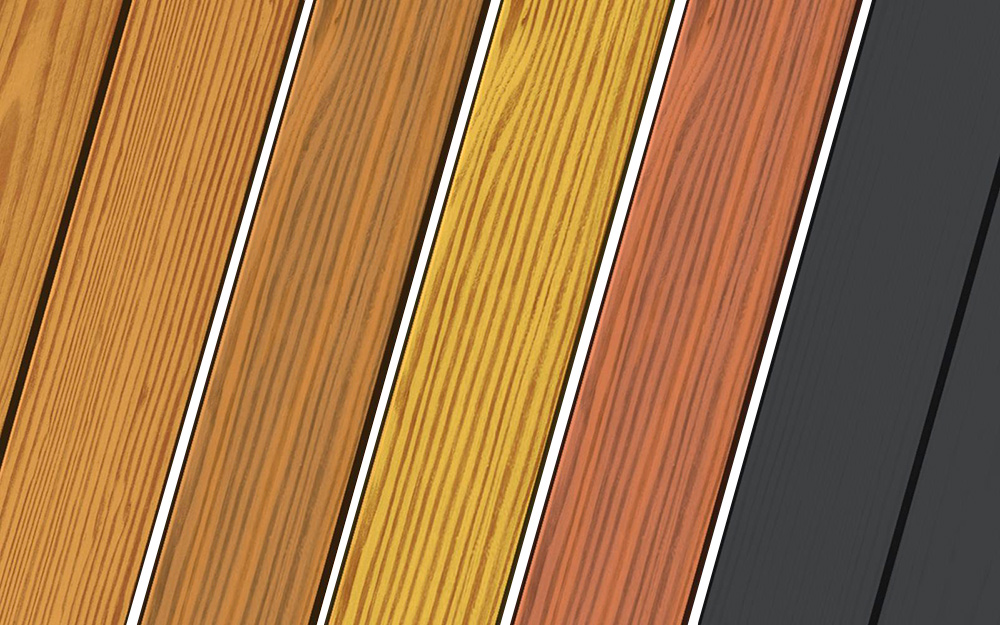
Staining gives wood a rich, beautiful color. It highlights natural wood patterns. Choose from many color options. It makes wood look freshand new. Stain keeps the wood looking vibrantfor years. It’s like giving wood a new dress.
Stain helps protect wood from water damage. Wood stays strong and lasts longer. It prevents rot and decay. The stain creates a protective layer. This layer keeps wood safe from the weather. Staining wood means less repair work. It’s a smart way to keep wood healthy.
Sunlight can harm wood. Stain provides UV protection. It shields wood from the sun. This protection stops color fading. Wood stays brightand strong. UV protection is like sunscreen for wood. It keeps the wood safeunder the sun.
Advantages Of Sealing
Sealingpressure-treated wood creates a strong moisture barrier. This keeps water out. Wood stays dry. Wet wood can crack. Dry wood lasts longer.
Sealing also helps with mold and mildew resistance. Mold can be harmful. Sealed wood is less likely to grow mold. This keeps the wood safe and clean.
Sealed wood keeps its natural look. It does not change color much. The wood looks fresh and new. People love the natural look of wood.
Comparing Stain And Seal
Staining pressure-treated wood is often cheaper. Sealers can cost more due to added protection. Stains provide color and protection in one product. Sealing might require extra products. Both options have budget-friendly choices. Yet, high-end products can be costly.
Stains are usually simple to apply. Some people find sealing more challenging. Stains can be brushed or sprayed. Sealers might need a specific method. Following instructions is key for both. This ensures the wood is well-covered.
Stained wood may need reapplying every few years. Sealers can last longer with less frequent touch-ups. Stains can fade under sunlight. Sealers offer a protective layer against weather. Regular checks help keep the wood in good shape. Both require maintenance for best results.
Factors Influencing Choice
Rainy areas may need a sealant. It keeps wood safe from water. Sunny places might benefit from a stain. Stains protect against sun damage. Cold climates could need both. The wood gets extra protection.
Wood for a deck? A stain can enhance beauty. A fence might need a sealant. It adds a protective coat. Indoor projects may not need much. A simple finish could be enough.
Some people like the wood’s natural look. Sealing keeps that look intact. Others prefer a touch of color. Staining adds life to the wood. Personal choice matters a lot. Think about what you like most.
Expert Tips For Application
Choosing between staining or sealing pressure-treated wood depends on your desired look and protection level. Staining enhances natural beauty while offering color options. Sealing provides strong water resistance, ideal for high-moisture areas. Both options protect wood from weather damage.
Proper Preparation Techniques
Pressure-treated wood needs proper preparation before staining or sealing. Start by cleaning the wood. Use a wood cleaner to remove dirt and grime. Let the wood dry completely. Sand the surface gently. This will help the stain or sealant stick better. Check for any rough spots. Smooth them out to avoid splinters.
Timing And Weather Conditions
Choose the right day for application. Avoid rainy or humid days. Sunlight helps the wood absorb the stain or sealant. Pick a dry and warm day. Early morning or late afternoon is best. Avoid direct midday sun. It can cause the stain to dry too quickly.
Tools And Materials Needed
Gather all necessary tools before starting. You’ll need a brush, roller, or sprayer. A paint tray is helpful for even application. Choose a high-quality stain or sealant. Read instructions on the product label. Safety gear like gloves and goggles are important. Protect your hands and eyes while working.
Common Mistakes To Avoid
Applying too much stain or sealant can cause problems. The wood might not dry properly. This can lead to a sticky surface. A thick layer may peel off quickly. Too much product can waste money. Use the right amount for better results.
Cleaning the wood before staining is crucial. Dirt or old paint can block the stain. The wood must be smooth. Sanding helps the stain stick. Skipping these steps can lead to poor finish. Preparation affects the final look.
Maintaining stained wood is important. The wood needs care to stay nice. Apply new stain regularly. Check for damage often. Fix problems as soon as they appear. This keeps the wood looking good. Regular care extends the life of the wood.

Credit: www.sand-stain.com
Frequently Asked Questions
What Should Never Be Done With Pressure-treated Wood?
Avoid burning pressure-treated wood to prevent toxic fumes. Do not use it for cutting boards or food containers. Refrain from using it in gardens where it contacts edible plants. Keep it away from water sources to prevent chemical leaching. Do not sand without protective gear to avoid inhaling dust.
How Long Should You Wait Before You Stain Pressure-treated Wood?
Wait at least 6 months before staining pressure-treated wood. This allows the wood to dry properly. Test moisture levels before applying stain. Ensure the wood is clean and dry for optimal stain absorption. Proper timing enhances wood appearance and longevity.
Always follow manufacturer guidelines for best results.
What Lasts Longer, Stain Or Sealer?
Sealer typically lasts longer than stain. Stain enhances color but offers limited protection. Sealer provides a protective barrier against moisture and UV damage. For optimal results, use a combination of both. Regular maintenance is essential to ensure longevity.
What Is The Best Way To Protect Pressure-treated Wood?
Seal pressure-treated wood with a high-quality wood sealer. This prevents moisture penetration and UV damage. Apply stain or paint designed for treated wood. Regularly clean and inspect for damage. Reapply sealer every couple of years for lasting protection. Keep it elevated and ensure proper drainage to avoid rot.
Conclusion
Choosing between staining or sealing pressure-treated wood depends on your needs. Staining highlights wood’s natural beauty. It adds color and style. Sealing offers strong protection. It guards against moisture and sun damage. Both options have benefits. Consider the wood’s location and exposure.
Think about the desired look and maintenance level. Each method enhances durability. Keeps wood looking great for years. Evaluate your priorities. Make an informed decision. Enjoy your beautiful and long-lasting wood project.