Popular Wood Stain Colors 2026-27: Pickled Oak & Special Walnut
Minwax announced Pickled Oak as its 2027 Color of the Year on October 6, 2026, only a year after naming dark, warm Special Walnut its 2026 pick. That swing, from deep walnut to a light washed oak, is why "popular wood stain colors" has no single answer. Below are the shades worth knowing, grouped by tone, with what a quart of each actually costs on Amazon and how the same color behaves on pine versus oak.
Disclosure: This post may contain affiliate links. As an Amazon Associate we earn from qualifying purchases.
What Are the Most Popular Wood Stain Colors Right Now?
Best Special Walnut Pick
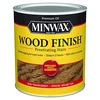 |
Minwax Wood Finish, Special Walnut, 1 Quart – $13.88 (Amazon listing, Oct 7, 2026) The oil-based shade Minwax named its 2026 Color of the Year, in the quart size that covers a dresser, a few shelves, or a small table.
|
One honest limit first: Amazon does not expose per-color sales for stain. Every color of Minwax Wood Finish shares one product family and one sales rank, so we cannot tell you which shade sells most. What we can source is what the maker itself is promoting and what each color costs. Minwax’s own picks bracket the current range: Special Walnut (2026) for dark, dimensional brown, and Pickled Oak (2027) for light, natural wood. Everything in between, from honey and golden tones to reds and grays, is a standard color in the 36-color Wood Finish line.
Minwax Colors of the Year: Special Walnut (2026) and Pickled Oak (2027)
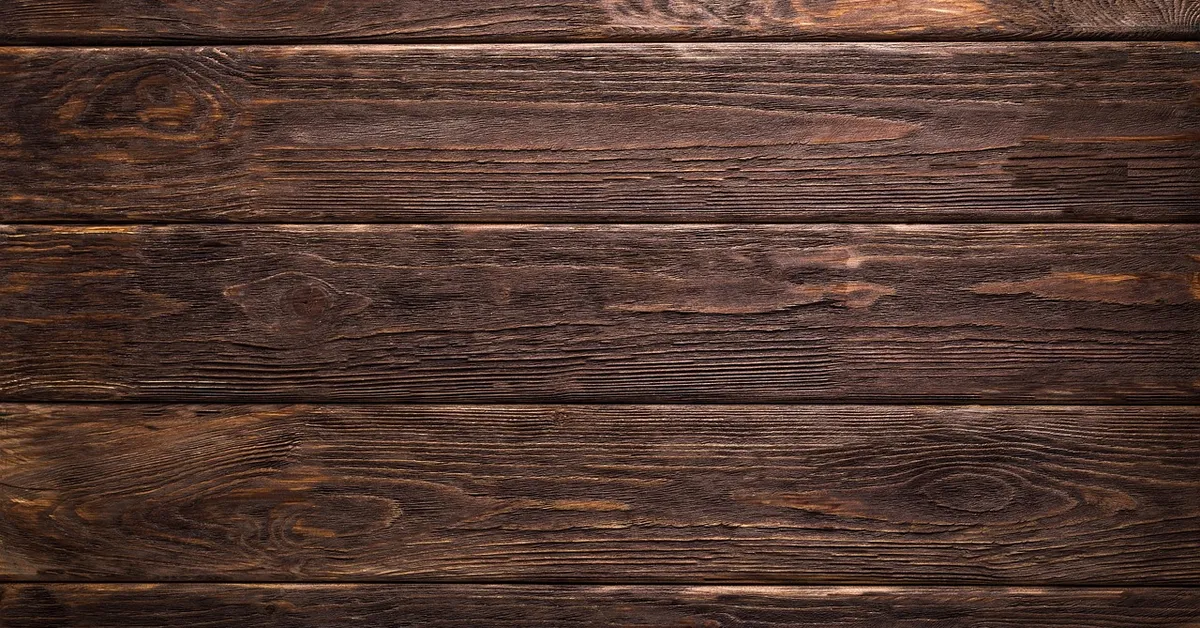
Special Walnut is a warm, earthy medium-dark brown. Minwax framed it as part of a shift toward dark, dimensional wood tones and away from the cooler, more minimal grays of recent years. It is sold as an oil-based Wood Finish, which is the version in the box above.
Pickled Oak (MW260) flips the direction. Minwax describes it as a light, soft neutral with gentle warm undertones that works like a subtle wash, leaving the grain visible. It is offered in more than one format: One Step Stain & Topcoat, water-based Wood Finish in semi-transparent and solid versions, and the oil-based Wood Finish Color Series. Minwax calls it particularly effective on pine and red oak, the two woods where people most often struggle to get a light, even color.
If your furniture is currently gray and you want the warmer 2026 look, read whether you can put gray stain over brown stain (and the reverse) before you start sanding.
Wood Stain Colors by Tone, With Real Quart Prices
Prices below are the Amazon buy-box listing prices for 1 quart cans of oil-based Minwax Wood Finish, pulled through the Amazon Creators API on October 7, 2026. Prices change daily, so treat them as a snapshot. Tone groups are our own reading of the color names and Minwax swatches.
| Color | Tone | 1 qt price | Note |
|---|---|---|---|
| Natural | Light | $13.19 | Closest to bare wood; the lowest-risk first stain |
| Honey | Light golden | $14.98 | Highest price of the set; warm, golden-amber cast |
| Golden Pecan | Golden brown | $13.88 | Warm honey-brown that keeps the grain bright |
| Red Oak | Orange-red brown | $12.97 | Lowest price of the set |
| Provincial | Medium brown | $13.59 | Classic mid-tone with a slight red cast |
| Early American | Medium brown | $13.88 | Neutral-warm medium brown |
| Gunstock | Medium brown | $13.88 | Warm brown, a touch deeper than Early American |
| Special Walnut | Medium-dark brown | $13.88 | Minwax 2026 Color of the Year |
| Cherry | Red brown | $13.88 | Red undertone, strongest on maple or birch |
| Red Mahogany | Deep red brown | $13.59 | Dark with a clear red cast |
| English Chestnut | Dark brown | $13.88 | Deep chestnut brown |
| Dark Walnut | Dark brown | $13.88 | One of the darkest in the line, per Minwax (style 2716) |
| Jacobean | Very dark brown | $13.93 | Near-espresso depth |
| Classic Gray | Gray | $13.88 | Cool gray; check it over red oak first |
| Weathered Oak | Gray-brown | $13.93 | Muted, weathered look |
| Silvered Gray | Light gray | $12.98 | Showed limited stock on the listing |
The pattern that matters is the price column. Across these 16 colors the quart price spans just $12.97 to $14.98, and 9 of the 17 colors we checked, including Special Walnut, Dark Walnut and Classic Gray, sat at exactly $13.88. Color is not where the money goes.
What a Stain Color Really Costs Per Square Foot
Minwax lists Wood Finish coverage at 500 to 600 square feet per gallon, which works out to roughly 125 to 150 square feet per quart. At $13.88 a quart, one coat costs about 9 to 11 cents per square foot. A gallon of Golden Pecan listed at $42.03 on the same day, or about 7 to 8 cents per square foot, so anything bigger than a few tabletops is cheaper by the gallon. Remember that porous woods like pine drink more stain than the label figure, and you still need conditioner, sandpaper and a topcoat on top of the stain itself.
| Size | Example listing price | Approx. cost per sq ft, one coat |
|---|---|---|
| 1 quart | $13.88 (Special Walnut) | $0.09 to $0.11 |
| 1 gallon | $42.03 (Golden Pecan) | $0.07 to $0.08 |
Same Color, Different Wood: Why the Can Lies
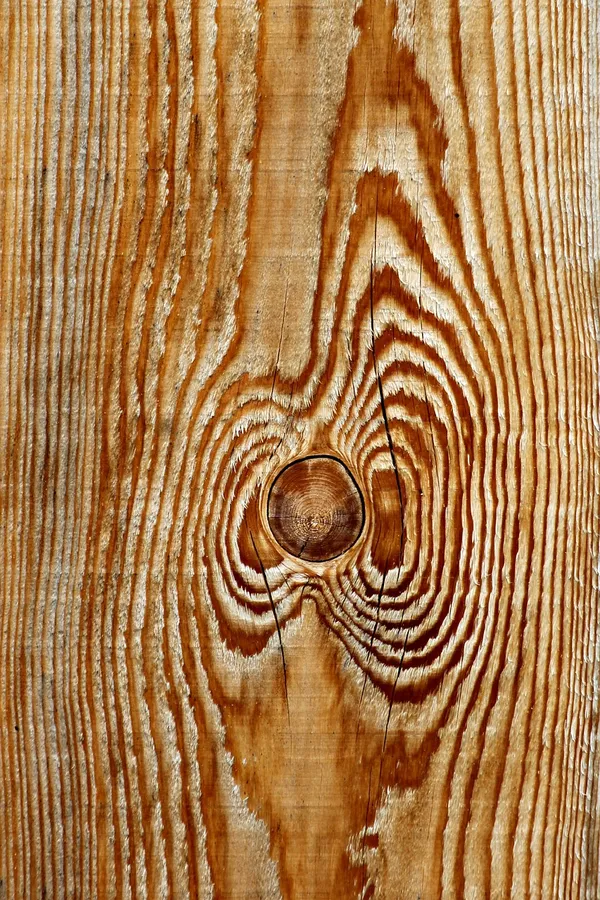
Stain is translucent, so the wood under it is part of the final color. That is the reason a chip or can label cannot predict your result, and why the same stain can look noticeably different across species. Three rules cover most surprises:
- Pine, birch, maple and alder absorb unevenly and can blotch. A pre-stain conditioner evens things out; our guide to whether pine stains well and the breakdown of why stain colors on pine never match the can go deeper.
- Red oak carries warm, reddish undertones that show through. If you want a cooler result, see how to neutralize red tones in wood.
- Always test on a scrap of the same species, or a hidden area, and let it dry fully. Minwax’s own label advice is to test in a hidden spot first.
One myth worth correcting: dark stain does not hide imperfections. A penetrating stain colors the wood, it does not fill it, and deep colors like Dark Walnut or Jacobean tend to make blotching, sanding scratches and glue spots more visible. Hiding flaws takes a solid stain or paint.
Transparent, Semi-Transparent and Solid Stain
The color name tells you the tone, but how much grain you see depends on the stain type.
| Stain type | What you get | Trade-off |
|---|---|---|
| Transparent | Most grain visible, lightest color change | Least coverage of flaws and weathering |
| Semi-transparent | Color plus visible grain, the most common choice for furniture | Still shows blotches and flaws underneath |
| Solid | Hides grain and most flaws | Behaves more like paint and cannot be wiped back to bare wood |
Consistency matters too. If you are choosing between a liquid and a thick formula, compare gel stain and oil stain. For decks and fences, pick a product labeled for exterior use; our best deck stain guide covers those separately.
How to Apply Stain for an Even Color
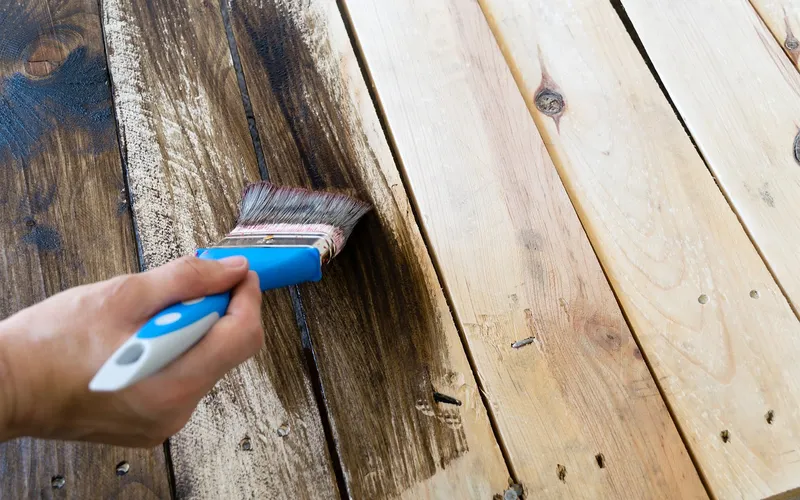
- Sand from 120 up to 180 or 220 grit, with the grain. Going finer than that can close the pores and lighten the stain.
- Condition blotch-prone wood like pine, birch, maple or alder before staining, following the conditioner’s wait time.
- Stir the can well, before and during use. Do not shake it.
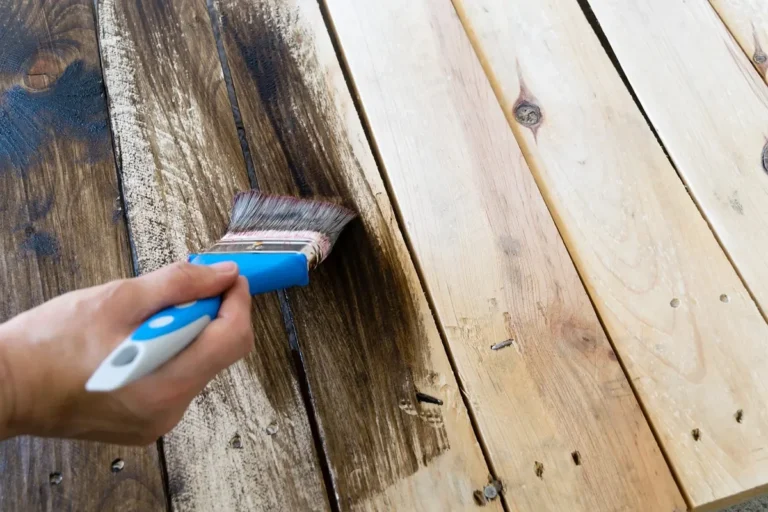
- Apply a thin, even coat along the grain with a foam brush, pad or lint-free cloth.
- Wipe off the excess after 5 to 15 minutes. Minwax lists that window for Wood Finish: a shorter wait leaves a lighter color, a longer wait a deeper one.
- Let it dry for the time on the can (2 to 3 hours for Wood Finish, longer in cool or humid rooms). The label says not to sand between coats.
- Topcoat with a protective finish suited to the piece, as stain alone gives little protection.
Safety: Oily Rags Can Catch Fire
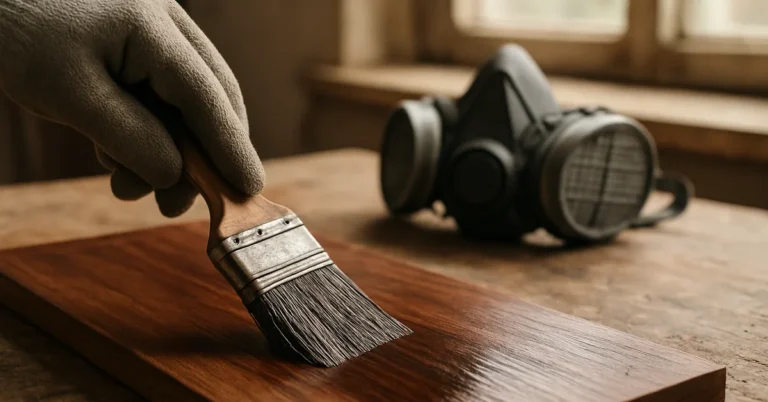
Gloves and good ventilation are the basics with oil-based stain. The one that surprises people is fire: Minwax’s label warns that rags, steel wool and other waste soaked with the product may spontaneously catch fire if improperly discarded, and tells you to place them in a sealed, water-filled metal container. Never leave stain rags balled up in a bin. Our guide to cleaning and storing wood stain rags has the full routine.
Compare Colors Across Brands
Color names do not transfer between brands, so a "walnut" from one maker will not match another. If you are choosing outside Minwax, use these chart breakdowns: the Varathane stain color chart, the Olympic stain color chart and the Sherwin-Williams wood stain chart. If a room color is driving the choice, light wood floors and wall colors shows how wood tone and walls interact. For the bigger picture on finishes, see our wood finishing guide.
Cherry is the species where stain color changes most after the fact: see how to stain cherry wood without blotching for how its aging affects color choice.
Bottom Line
For 2026-27, think in two directions: warm, dark brown (Special Walnut, Dark Walnut) or light, washed natural (Pickled Oak, Natural). Color barely changes what you pay, so choose by wood species and room light, test on a scrap, condition soft woods, and wipe on thin coats.
Frequently Asked Questions
What is Minwax’s 2027 Color of the Year?
Minwax named Pickled Oak (MW260) its 2027 Color of the Year on October 6, 2026. It is a light, soft neutral with gentle warm undertones, and Minwax says it works especially well on pine and red oak.
What was Minwax’s 2026 Color of the Year?
Special Walnut. Minwax announced it in August 2025 as a warm, earthy brown that sits in the dark, dimensional end of the 2026 trend.
Does the stain color change what a can costs?
Barely. In our Amazon listing check on October 7, 2026, the 16 oil-based Minwax Wood Finish quarts in the table above ranged from $12.97 to $14.98, and 9 of the 17 colors we checked were exactly $13.88. Pick the color for the wood and the room, not the price.
Why does stain look different on my wood than on the can?
Stain is translucent, so the wood underneath is part of the color. Pine and birch absorb unevenly and can blotch, while red oak adds warmth. Test the stain on a scrap of the same species, or on a hidden spot, before you commit.
Does a dark stain hide flaws in wood?
No. A penetrating stain colors the wood but does not fill or cover it, and dark colors tend to make blotching, sanding scratches and glue spots easier to see. If you need to hide flaws, a solid stain or paint is the better tool.
How long does Minwax Wood Finish take to dry?
Minwax lists 2 to 3 hours for both dry time and recoat time on Wood Finish, with 5 to 15 minutes of penetration before you wipe off the excess. Cool or humid rooms take longer, so follow the can.
Sponsored / affiliate links. As an Amazon Associate I earn from qualifying purchases. I may earn additional commission from eligible campaigns.