Is Plywood Good Insulation? R-Value by Thickness (1/4 to 3/4 In.)
Plywood is a poor insulator: a 1/2-inch sheet is only about R-0.63 and a 3/4-inch sheet about R-0.94, while the 3.5-inch fiberglass batt in a 2×4 wall works out to R-11 to R-15. It still adds a little as sheathing, because it covers the studs too. This guide covers plywood R-value by thickness, how thermal bridging changes the math, and how much plywood it takes to match foam.
Is Plywood Good Insulation? The Short Answer
| Best Real Insulation Upgrade | |
 |
Owens Corning 705 Rigid Fiberglass Board, 2 Inch (4 Pack) Best for: adding real R-value to a workshop, garage, or shed wall or ceiling where plywood alone leaves it cold. Why we picked it: the Amazon listing gives R-8.7 for a 2-inch board, about nine times the R-0.94 of 3/4-inch plywood, with a Class A fire rating per ASTM E84. Main drawback: it is an unfaced 24 x 48 inch board sold in 4-packs for $179.95 (about $5.62 per square foot), so it costs far more than ordinary batts. |
| View Our Pick on Amazon | |
No. Plywood resists heat flow at about R-1.25 per inch, according to a widely used University of Washington building-materials R-value table (which credits the Colorado Energy site). Fiberglass batts in the same table run R-3.14 to R-4.30 per inch, so plywood delivers roughly 30 to 40 percent as much per inch. It slows heat a little, and that is all.
We have not lab-tested plywood. Every R-value here comes from that published table, the USDA Wood Handbook, or arithmetic on those numbers, and the Amazon figures come from the product listing read on 2026-09-30. Real panels vary with density and moisture.
Plywood R-Value by Thickness
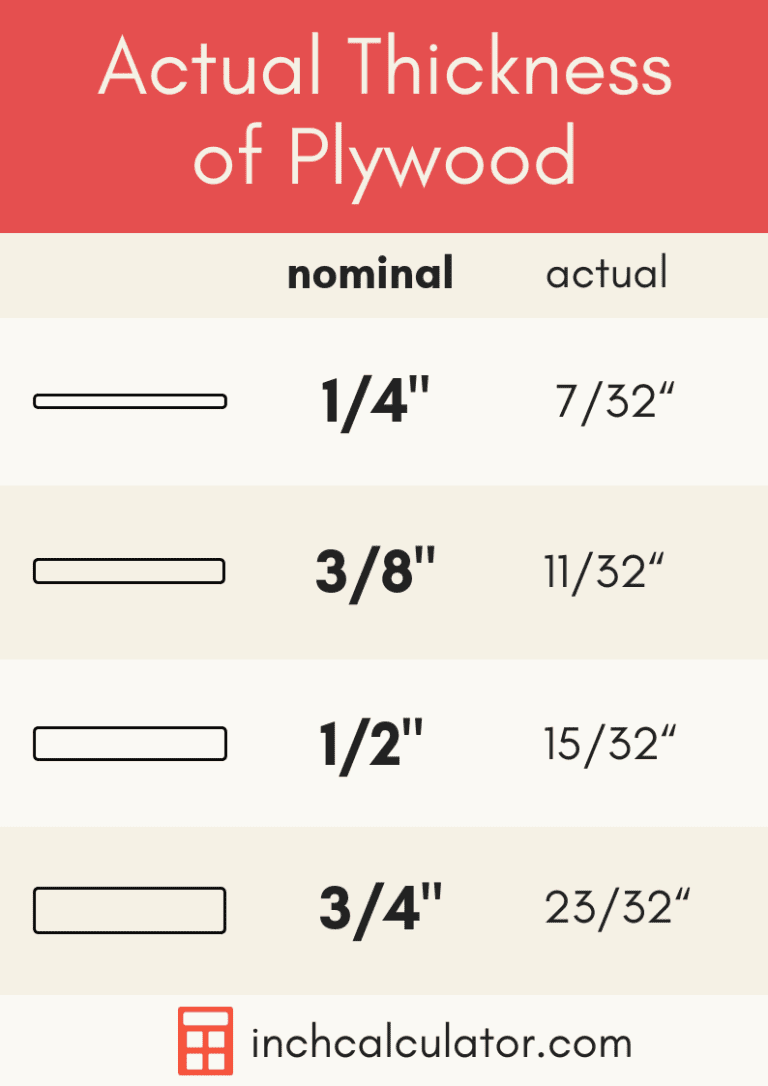
Because plywood is solid wood veneer, its R-value scales with thickness. The last column converts each sheet into the thickness of fiberglass batt that gives the same R-value (3.14 to 4.30 per inch), which shows how little a sheet contributes.
| Plywood thickness | R-value | Same R in fiberglass batt |
|---|---|---|
| 1/4 inch | 0.31 | 0.07 to 0.10 inch |
| 3/8 inch | 0.47 | 0.11 to 0.15 inch |
| 1/2 inch | 0.63 | 0.15 to 0.20 inch |
| 5/8 inch | 0.77 | 0.18 to 0.25 inch |
| 3/4 inch | 0.94 | 0.22 to 0.30 inch |
A full 3/4-inch sheet gives you the insulating value of about a quarter inch of batt. The USDA Wood Handbook explains why: structural softwood lumber at 12 percent moisture content has a thermal conductivity of 0.10 to 0.14 W/m-K, compared with 0.036 for mineral wool, and wood is about two to four times as conductive as common insulating materials. Plywood is not a special case.
Where Plywood Helps: Sheathing and Thermal Bridging
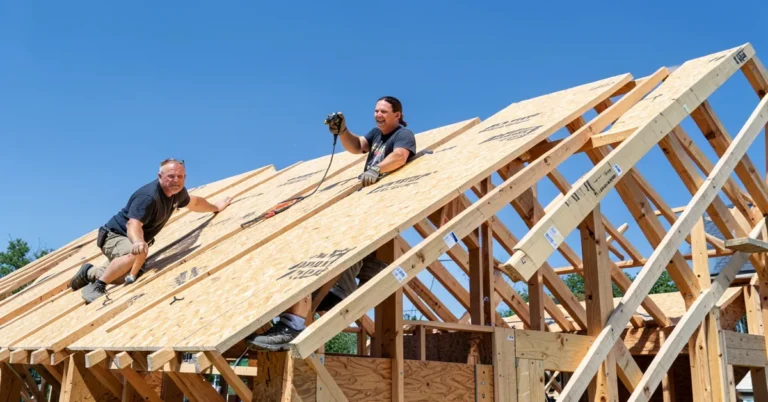
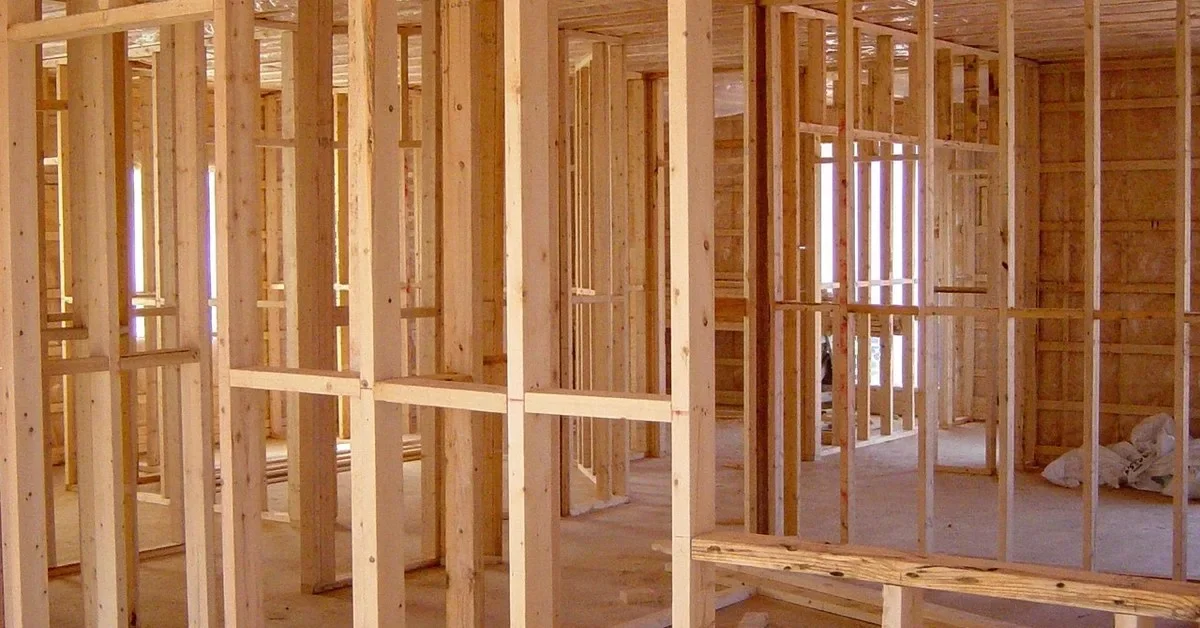
On a wall, plywood is sheathing. Its main jobs are structural bracing and giving siding or roofing something to fasten to; any insulation is a side effect. The one real thermal advantage is that it covers the studs as well as the cavities.
That matters because studs are weak points. In the same table a 2×4 (3.5 inches of softwood) is R-4.38, while a fiberglass batt filling the same 3.5-inch cavity is R-11 to R-15. Heat takes the easy path through the wood, which is thermal bridging. Sheathing sits in series with both paths, so a 1/2-inch sheet adds the same R-0.63 to each:
| Path through a 2×4 wall | Without sheathing | With 1/2 inch plywood added |
|---|---|---|
| Through the stud (3.5 in. softwood) | R-4.38 | R-5.01 |
| Through the batt cavity (3.14 to 4.30 per in.) | R-10.99 to R-15.05 | R-11.62 to R-15.68 |
These figures leave out siding, drywall and air films, so they are not whole-wall ratings. The pattern is what counts: plywood raises the stud path by about 14 percent and the cavity path by only 4 to 6 percent. Plywood cannot fix bridging, because it is nearly as conductive as the studs it covers. A continuous layer of foam outside the framing does that job.
How Much Plywood Equals Foam Insulation?
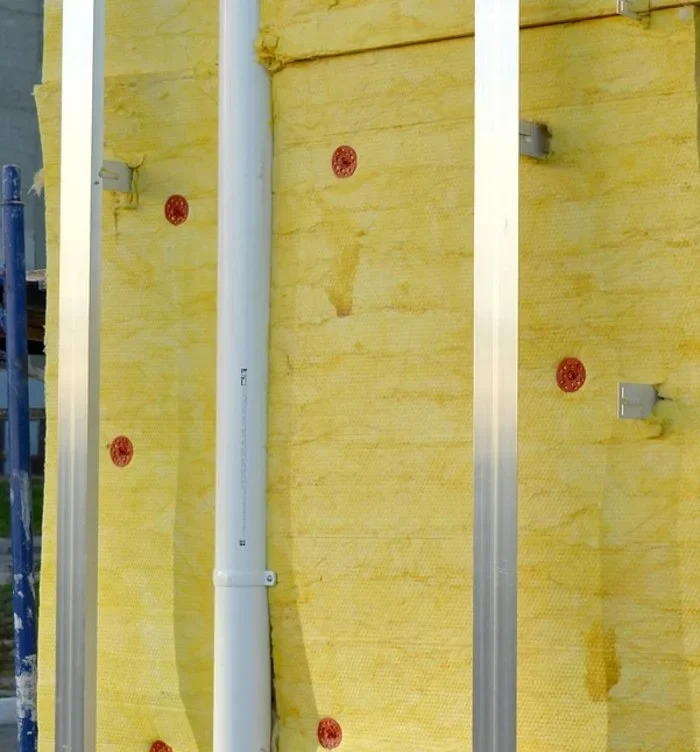
Using R-1.25 per inch for plywood and the per-inch values in the same table, here is the plywood thickness needed to match 1 inch of each common insulation:
| 1 inch of this insulation | R-value | Plywood needed to match |
|---|---|---|
| Fiberglass batt | 3.14 to 4.30 | 2.5 to 3.4 inches |
| Expanded polystyrene (beadboard) | 4.00 | 3.2 inches |
| Extruded polystyrene (XPS) | 5.00 | 4.0 inches |
| Foil-faced polyisocyanurate | 7.20 | 5.8 inches |
To equal one inch of XPS you would stack more than five 3/4-inch sheets, at the cost of a wall almost 4 inches thick and a lot of weight. This is the number most plywood-insulation articles skip, and it settles the question: buy insulation for R-value and plywood for strength. Our guide to wood as an insulator gives the same math by species.
What to Add, Depending on Where the Plywood Sits
The fix depends on where the sheet is. Using values from the same table, here is what each common plywood location can realistically be paired with:
| Where the plywood is | Plywood contributes | Better fix | R-value of the fix |
|---|---|---|---|
| Wall sheathing on a 2×4 wall | R-0.63 (1/2 inch) | Batts in the 3.5-inch cavity | R-11 to R-15 |
| Wall sheathing on a 2×6 wall | R-0.63 (1/2 inch) | Batts in the 5.5-inch cavity | R-17.3 to R-23.7 |
| Outside of the framing | R-0.63 to R-0.94 | 1 inch of XPS or polyiso board | R-5.00 to R-7.20 |
| Subfloor over a cold space | R-0.94 (3/4 inch) | Insulation between the joists | Depends on joist depth |
| Shed or garage lined both sides | R-1.26 (two 1/2 inch layers) | Fill the stud cavity | R-11 to R-15 on 2×4 |
The last row is the clearest example. A shed wall with 1/2-inch plywood on both faces has only about R-1.26 of plywood in total, while an empty 2×4 cavity filled with batts is worth R-11 to R-15. The same table lists an enclosed air space of 1/2 to 4 inches at roughly R-1.00, so even the dead air in an empty cavity is worth about as much as a 3/4-inch sheet. The insulation is the part that matters, and the plywood is the surface.
Three Claims That Overstate Plywood
- “Thicker plywood is cheap insulation.” Each added 1/4 inch is only about R-0.16, so going from 1/2 to 3/4 inch buys 0.31 R.
- “Plywood keeps a room warm in winter and cool in summer.” At R-0.63 to R-0.94 it barely changes either. Cavity insulation and air sealing do the real work.
- “Plywood is a good enough substitute for drywall and batts together.” It beats 1/2-inch drywall (R-0.45) by just 0.18 R. Our drywall vs plywood comparison covers what else separates them.
What Changes Plywood Performance in Real Buildings
The Wood Handbook states that thermal conductivity increases with density, moisture content and temperature, and that species values can vary by as much as 20 percent from the tabulated figures. Two practical results follow.
- Wet plywood insulates worse. Rising moisture content raises conductivity, and a panel that stays wet can also rot or grow mold. Keep sheathing dry and flashed.
- Denser plywood conducts more. Do not expect a heavier sheet to insulate better than a lighter one. Density pushes the other way.
For floors and attics, remember the sheet is a structural layer. A 3/4-inch subfloor over a cold crawl space is about R-0.94, so the floor still needs insulation underneath. In an attic, plywood laid over existing insulation gives you storage space but must not squash the insulation below it; see our guide to plywood in an attic over insulation for the load limits.
Frequently Asked Questions
Is plywood a good insulator?
No. Plywood is only a weak thermal insulator: about R-0.63 at 1/2 inch and R-0.94 at 3/4 inch in the University of Washington table. It slows heat flow slightly, but a 3.5-inch fiberglass batt is roughly R-11 to R-15, so plywood cannot replace insulation.
What is the R-value of 1/2 inch plywood?
About R-0.63. The same table lists 1/4 inch at R-0.31, 3/8 inch at R-0.47, 5/8 inch at R-0.77 and 3/4 inch at R-0.94, or R-1.25 per inch. Treat these as approximate, since density and moisture content change the real figure.
Does plywood insulate better than drywall?
Slightly. At 1/2 inch, plywood is R-0.63 and drywall is R-0.45, a gap of only 0.18. Neither one changes how warm a room feels. Wall cavity insulation and air sealing do that work.
Can I use plywood instead of insulation in a shed?
Only if the shed is unheated and you accept that it will follow outdoor temperatures. Plywood walls add about R-0.63 per 1/2 inch. If you heat or cool the space, put real insulation in the stud cavities and treat the plywood as the surface.
Can plywood be used for sound insulation?
Not on its own. A single thin sheet does little to block noise. Sound control depends on mass, sealed gaps and separating the two faces of a wall, which one layer of plywood does not provide.
Does plywood sheathing count as continuous insulation?
Not in any meaningful way. Plywood covers the studs, but at R-0.63 to R-0.94 it is far below a 1-inch foam board at R-5.00 to R-7.20. Treat plywood as sheathing and add a separate foam layer outside the framing if you want to reduce thermal bridging.
Bottom Line
Plywood is a good structural sheet and a poor insulator. Count it as R-0.63 at 1/2 inch and R-0.94 at 3/4 inch, put real insulation in the cavity or outside the framing, and keep the panel dry.
Sponsored / affiliate links. As an Amazon Associate I earn from qualifying purchases. I may earn additional commission from eligible campaigns.