Cheap Ways to Cover Plywood Floors: 6 Options Compared
Peel-and-stick vinyl plank, floor-grade paint, and self-adhesive carpet tile are the three cheapest ways to cover a plywood floor — painted plywood runs about $0.75 per square foot, while peel-and-stick vinyl runs $1 to $2. Skipping underlayment on peel-and-stick products voids the warranty and lets seams curl within a year. This guide compares six methods by real cost per square foot, durability, and which rooms each one actually survives — see our full wood flooring guide if plywood turns out not to be the right base for your project.
Insert your Affiliate Disclosure reusable block here
Cost, Durability & Best Use: 6 Ways to Cover Plywood Floors Compared
Best Plywood Floor Cover Pick
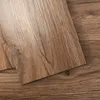
Art3d Wood Texture Peel and Stick Vinyl Floor Planks, 36-Pack
Covers 54 sq ft per pack at about $1.42/sq ft — fully waterproof, no glue or nails required.
- Best for: kitchens, bathrooms, basements — anywhere moisture is a real risk
- Why we picked it: waterproof rigid core survives spills that would ruin painted or stained plywood
- Main drawback: shows subfloor imperfections if the plywood isn’t filled and sanded flat first
Compare more plywood floor covering options
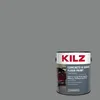 Option 1 KILZ 1-Part Epoxy Concrete & Garage Floor Paint
|
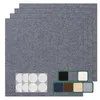 Option 2 VallisCo Self-Adhesive Carpet Tile, 30-Pack
|
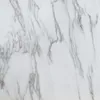 Option 3 Nexus Self-Adhesive 12″ Vinyl Floor Tiles, 20-Pack
|
As an Amazon Associate we earn from qualifying purchases.
No single source lists all six budget covering methods side by side with real cost-per-square-foot numbers — most articles cover one or two options. Here’s the comparison, built from current material pricing and manufacturer spec sheets:
| Method | Cost / Sq Ft | Waterproof? | Lifespan | Best For |
|---|---|---|---|---|
| Floor-grade paint | $0.75 | No — water-resistant only | 2–5 yrs before touch-up | Sheds, rentals, low-traffic rooms |
| Peel-and-stick vinyl plank | $1.00–$2.00 | Yes | 5–10 yrs | Kitchens, baths, basements |
| Self-adhesive carpet tile | $1.80–$3.00 | No — water-resistant backing | 5–8 yrs | Bedrooms, playrooms, basements |
| Floating laminate / LVP | $1.76–$4.00 | Depends on core (WPC/SPC = yes) | 10–20 yrs | Rooms you’re keeping long-term |
| Area rugs | $1–$4 (rug-dependent) | No | As long as the rug lasts | Renters, instant fixes |
| Stain & seal the plywood | $1.00–$1.50 | No — water-resistant with 3 coats poly | 5+ yrs, recoat as needed | Permanent DIY farmhouse floor |
What You’ll Need
Tool and material needs overlap across most of these methods, so gather this list before picking a covering — you’ll use most of it regardless of which option you choose.
- Floor roller (100 lb) — presses down peel-and-stick seams so they don’t lift
- Utility knife with fresh blades — dull blades tear vinyl instead of cutting it cleanly
- Chalk line and straightedge — keeps plank rows square to the longest wall
- Tack cloth or shop vac — plywood dust under vinyl or paint telegraphs through as bumps
- 220-grit sanding block — only needed for the paint and stain/seal methods
- Moisture meter (optional but cheap) — checks the subfloor is under 12% moisture before gluing anything down
Peel-and-Stick Vinyl Plank or Tile
Peel-and-stick vinyl is the most durable cheap option on this list because it’s the only one that’s fully waterproof once installed, at $1 to $2 per square foot in materials. It works over bare plywood as long as the subfloor is clean, dry, and flat — gaps wider than 1/8″ between plywood sheets need wood filler first, or they’ll show as ridges through the vinyl.
Lay the first row against a chalk line, not the wall — walls are rarely straight, and a crooked starting row throws every plank after it out of square. Stagger end joints by at least 6″ between rows, the same rule used for real hardwood, so no single seam runs the width of the room.
Floor-Grade Paint
Floor paint is the cheapest method here at roughly $0.75 per square foot in materials — a gallon of porch-and-floor paint covers 300–400 sq ft and runs $30–$50. It works on any solid plywood subfloor, but skipping prep is why most painted plywood floors fail within a year.
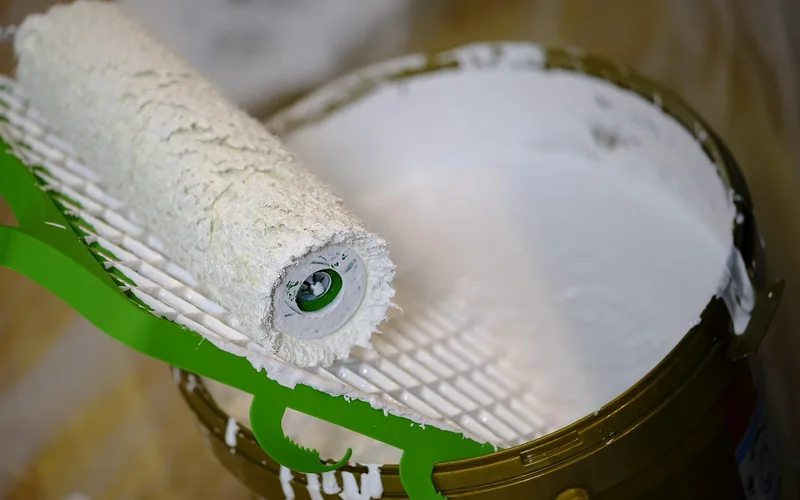
Floor-grade paint is an interior/exterior enamel formulated to resist foot traffic and scuffing that regular wall paint can’t handle. Use it only on plywood rated for the room — sanded or underlayment-grade sheets, never OSB or particleboard, which soak up paint unevenly and stay soft underfoot.
- Sand and vacuum: knock down the plywood’s glossy face veneer with 120-grit sandpaper so primer has something to grip, then vacuum every seam.
- Fill and caulk: fill gaps between sheets with wood filler and caulk the perimeter where the floor meets the wall — unfilled gaps crack the paint along every seam within a season.
- Prime: apply a bonding primer made for slick surfaces; skipping this is the single biggest reason painted plywood floors peel in traffic lanes.
- Paint two coats: apply floor-grade paint in thin coats, letting each dry fully — a single thick coat stays tacky and picks up debris.
- Seal: add a water-based polyurethane topcoat over the paint in kitchens, entries, or any high-traffic room to roughly double wear life.
Self-Adhesive Carpet Tile
Self-adhesive carpet tile costs $1.80 to $3 per square foot and is the only option on this list that adds real warmth and sound-dampening underfoot — useful over plywood subfloors in basements or bonus rooms where the concrete or joists below make the floor cold and loud.
Tiles go down in a pyramid pattern starting from the room’s center, not a corner, so any cut pieces at the walls end up matched in size on opposite sides. Individual tiles pull up and swap out if one gets stained, which is the main advantage over full-roll carpet on a budget.
Floating Laminate or Luxury Vinyl Plank
Floating laminate and click-lock luxury vinyl plank (LVP) run $1.76 to $4 per square foot but need a thin foam underlayment first — that’s what makes them “floating” rather than glued directly to the plywood. Nothing attaches to the subfloor itself, which means it’s the easiest method to remove cleanly if you’re renting. For setups that skip installation altogether, see our guide to cheap temporary flooring.
Leave a 1/4″ expansion gap around the room’s perimeter, covered later by baseboard or quarter-round — laminate and LVP expand and contract with temperature, and a tight-to-the-wall install buckles by the following summer. WPC and SPC core LVP are fully waterproof; standard laminate is not, so check the core type before buying for a bathroom or laundry room.
Area Rugs
Area rugs are the fastest and most reversible fix — no tools, no drying time, no commitment. A 5×7 rug covering the main walking area of a room typically costs less overall than materials for any glue-down or paint-on method, though it doesn’t cover the full floor edge to edge.
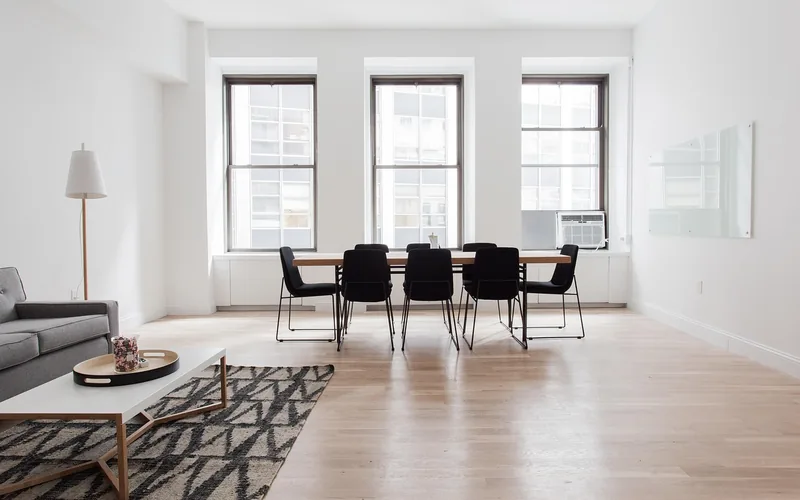
Add a rug pad underneath even on plywood — it stops the rug from sliding on the slick subfloor and keeps grit from grinding into the plywood surface over time. This is also the only method here that requires zero prep work on the plywood itself, making it the right choice for a room you’re not ready to commit to yet.
Stain & Seal the Plywood Itself
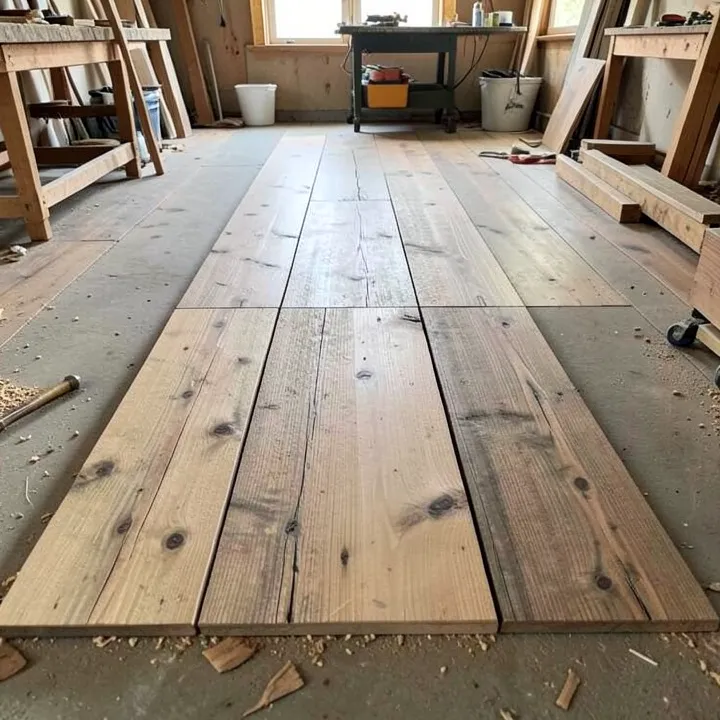
If the plywood is cabinet-grade or has a decent face veneer, staining and sealing it directly — instead of covering it with something else — costs about $1 to $1.50 per square foot in stain and polyurethane and gives a real wood-plank look. This only works well on sanded, void-free plywood; construction-grade CDX plywood has too many voids and rough patches to finish attractively.
Score fake plank lines into the surface with a utility knife and straightedge before staining if you want individual boards to read visually, then apply stain followed by three coats of water-based polyurethane. Three coats is the minimum for any water resistance — two coats still lets spills soak in at the seams.
In our shop, the most common mistake is applying the final poly coat before the stain has fully cured — on humid days that traps solvent under the topcoat and leaves a cloudy finish that only shows up after the floor is walked on for a week.
Common Mistakes That Ruin a Budget Plywood Floor Cover
- Skipping the moisture check: gluing vinyl or carpet tile to plywood over 12% moisture content traps water underneath and causes bubbling within weeks — a $15 moisture meter catches this before install, not after.
- Painting or sealing over dust: plywood sanding dust left in the cracks telegraphs through paint and clear coats as visible bumps once dry.
- No expansion gap on floating floors: laminate and LVP installed tight to the wall buckle in the first heat wave — the 1/4″ gap is not optional.
- Ignoring sheet seams: unfilled gaps between plywood sheets show through peel-and-stick vinyl and painted finishes alike as visible lines.
- Using wall paint instead of floor-grade paint: standard interior paint has no abrasion resistance and wears through in walking paths within a month.
Frequently Asked Questions
What is the cheapest way to cover a plywood floor?
Floor-grade paint is the cheapest option at roughly $0.75 per square foot in materials. It’s not waterproof and needs recoating every 2–5 years, but it’s the lowest up-front cost of the six methods compared above.
Can you paint a plywood subfloor without sanding it first?
No — skip sanding and the paint has nothing to grip on the plywood’s factory-glossy face veneer, so it peels in traffic lanes within a few months. A light pass with 120-grit sandpaper plus a bonding primer is the minimum prep for paint to hold.
Is peel-and-stick vinyl flooring waterproof over plywood?
Yes, the vinyl itself is fully waterproof once installed. The plywood underneath is not, so any standing water that reaches an unsealed edge or seam can still soak into the subfloor from below — seal cut edges near sinks and tubs with clear silicone.
Do you need underlayment under peel-and-stick vinyl on plywood?
Not usually — peel-and-stick vinyl is designed to bond directly to smooth, clean, sanded plywood. Underlayment is required for floating laminate and click-lock LVP instead, since those aren’t glued down and need a foam layer to cushion the click-lock joints.
Can you put carpet tiles directly on plywood?
Yes, as long as the plywood is clean, dry, and free of protruding nails or splinters. Self-adhesive carpet tile bonds directly to sanded plywood without a separate underlayment, though a moisture check first is still worth the $15 for a meter.
Conclusion
For a room that needs to survive spills, peel-and-stick vinyl plank is worth the extra $0.50–$1 per square foot over paint. For a low-traffic space, garage, or shed, floor-grade paint at $0.75 per square foot gets the job done for less than the cost of a single vinyl pack. Whichever method you pick, the moisture check and seam-filling steps above are what separate a floor covering that lasts years from one that bubbles or peels within a season. For more on buying plywood cut to size before you start, or how to dress up a plywood floor beyond these budget fixes, see our related guides in the plywood hub.
Sponsored / affiliate links. As an Amazon Associate I earn from qualifying purchases. I may earn additional commission from eligible campaigns.