Cheap OSB Plywood: Real 2026 Prices by Thickness (Plus When to Skip It)
Cheap OSB runs $14 to $20 a sheet for thin 7/16-inch panels and $40 to $60 for thicker 23/32-inch structural sheets, roughly $3 to $5 less per sheet than comparable CDX plywood. That gap sounds small until you’re buying a dozen sheets for a shed or subfloor, but OSB isn’t the automatic budget winner in every situation – it swells at the edges when it gets wet, and that one weakness decides whether the savings are actually worth it. Here’s what OSB really costs by thickness in 2026, where the cheapest sheets are hiding, and the specific jobs where paying more for plywood instead is the smarter move.
What Cheap OSB Actually Costs in 2026
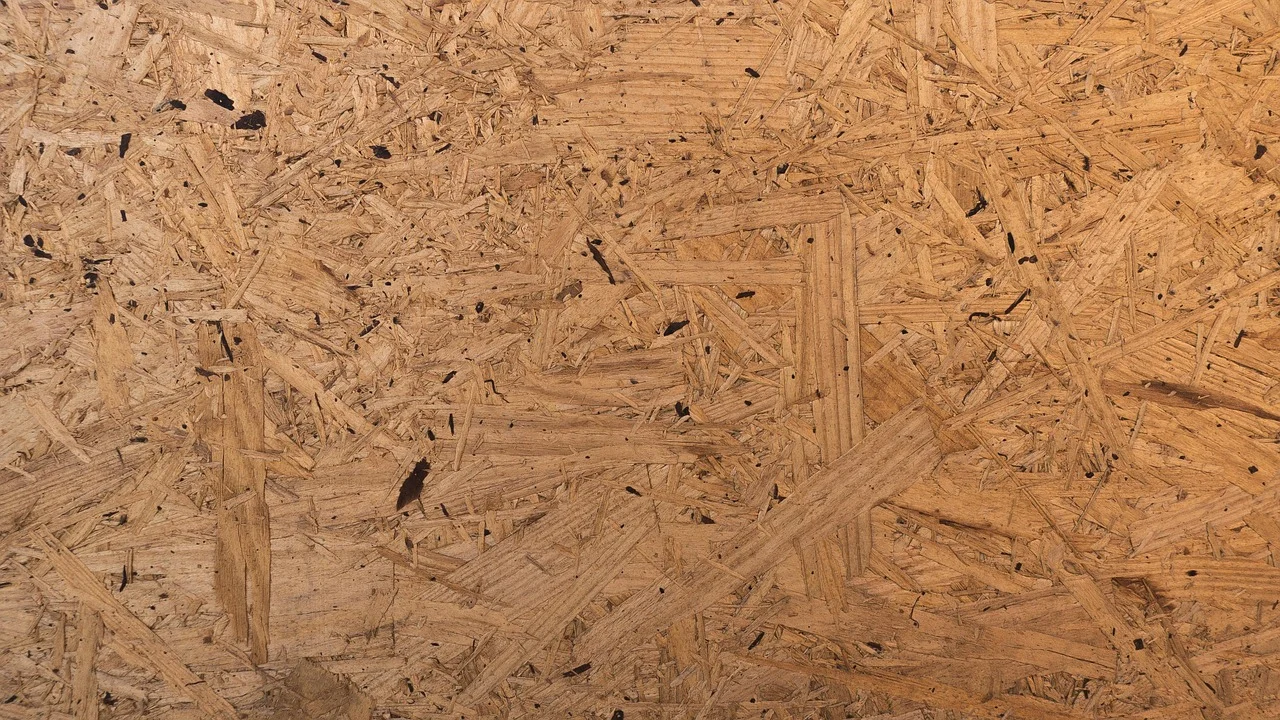
OSB (oriented strand board) is made by compressing layers of wood strands with resin under heat and pressure, with the strands in each layer cross-oriented for strength – similar idea to plywood’s cross-grain veneers, but built from cheaper, smaller pieces of wood instead of full veneer sheets. That manufacturing difference is exactly why it costs less. Real per-sheet pricing (standard 4×8 sheet, national average, expect regional swings of 15-25%):
| Thickness | Typical Use | Price Per Sheet |
|---|---|---|
| 7/16″ | Wall sheathing | $14 – $20 |
| 1/2″ | Roof decking, light subfloor | $26 – $45 |
| 23/32″ (3/4″) | Structural subfloor, shed floor | $40 – $60 |
Best Pick for Hauling Sheets Yourself
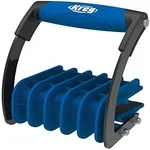 |
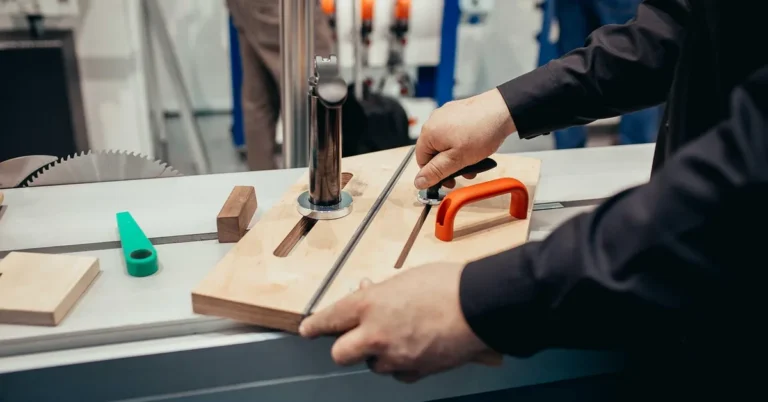
Kreg Panel Carrier, KMA3000 – $24.00 Most yards charge $59-$89 to deliver a single sheet – if you’re buying cheap OSB in the first place, a delivery fee that size erases the savings, so hauling it yourself often makes more financial sense.
|
Most yards and some big-box stores will knock 5-15% off the per-sheet price once an order hits about 10 sheets, and bulk orders often qualify for free delivery – worth asking about even if you only think you need eight or nine sheets, since rounding up to ten can net a lower total.
OSB vs. Plywood: Which Is Actually Cheaper for Your Project
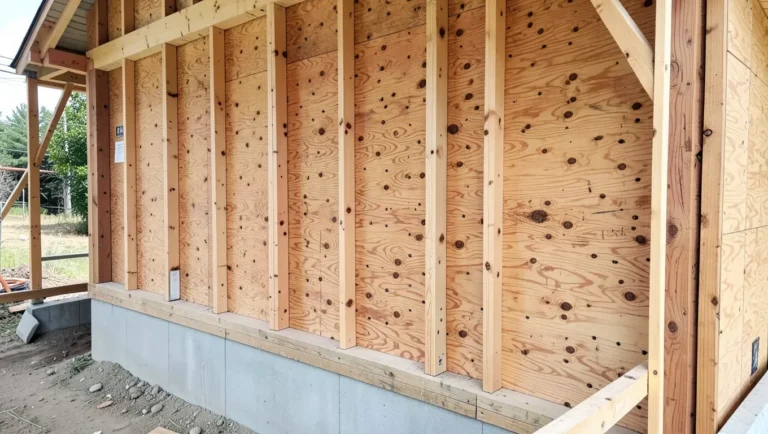
OSB wins on sticker price almost every time, but the real cost comparison depends on the job. 7/16″ OSB at $14-20 a sheet against 1/2″ CDX plywood at $28-52 looks like a clear win for OSB – until you factor in how each material fails. Plywood is made of thin full veneer sheets glued cross-grain, so a cut or exposed edge doesn’t wick moisture nearly as fast. OSB’s strands are held together with resin at the surface, and once water gets into a cut edge or a fastener hole, the strands swell and the board thickens locally, which telegraphs through flooring and roofing as a visible ridge. That’s why OSB is a fine, cheap choice for wall sheathing behind siding or housewrap, and a riskier one for a subfloor near a bathroom or a roof deck in a rainy climate without a fully sealed underlayment. Plywood’s extra $3-5 a sheet is cheap insurance in those spots. For dry interior uses – shop shelving, interior wall sheathing, sheds with a good roof overhang – OSB’s lower price is a real savings with little downside.
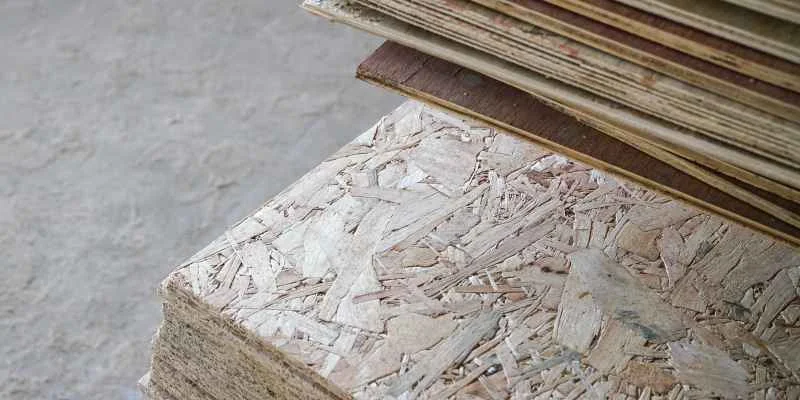
Where to Find the Cheapest OSB Sheets
- Reject/cosmetic-grade bin: Home Depot, Lowe’s, and most lumber yards pull sheets with knots, edge chips, or slightly uneven sanding and sell them at a discount. These fail cosmetic inspection only, not structural standards – fine for a subfloor, shed sheathing, or anything that gets painted or covered.
- Local lumber yards buying in volume: yards that move pallets of OSB daily often beat big-box per-sheet pricing once you’re buying more than a few sheets, and they’re usually willing to negotiate on a bulk order that a big-box associate can’t.
- Ask about site-delivery overage: contractors sometimes over-order for a job and yards resell the extra sheets at a discount – worth a phone call before assuming full retail is your only option.
- Inspect before you buy: big-box stores let you flip through the stack and pick a straighter sheet with fewer voids, something you can’t do with delivery-only yard orders.
All of the prices above are national averages – actual shelf prices swing 15-25% by region, so a quick call to two or three local yards before committing to a big-box price is worth the five minutes. Timing matters too: sheet-good prices track lumber futures and spike during peak building season (spring through early summer) when contractor demand is highest. Buying in late fall or winter, when demand drops, is a simple way to land a lower price on the exact same product without hunting for a sale.
One more overlooked source: building-material reuse centers like Habitat for Humanity ReStore locations often carry contractor overstock and take-back sheets at a steep discount. Selection is inconsistent – you’re buying whatever came in that week – but for a project where any straight, structurally sound sheet will do, it’s worth a look before paying full retail.
How to Tell If a “Cheap” OSB Sheet Is Actually Low Quality
A low price doesn’t automatically mean a bad sheet, but it’s worth checking two things before you buy. First, look for the APA (or equivalent third-party) span rating stamp on the sheet’s edge – it lists the grade, the exposure rating (Exposure 1 handles brief construction-phase moisture; Exterior is rated for permanent outdoor exposure), and the recommended span for floor and roof applications. A stamped sheet meeting code-grade standards at a discount price is a real deal; an unstamped, unbranded sheet at a rock-bottom price is the one to be cautious about. Second, sight down the long edge of the sheet in the store – warping and edge damage are the two defects that actually matter for structural use, and both are visible before you buy, unlike moisture damage that shows up months later.
Choosing the Right Thickness for Your Budget
Going thinner than the job calls for is the most common way people save money on OSB and then pay for it later in a bouncy floor or a sagging roof deck. 7/16″ is the standard for wall sheathing over 16″- or 24″-on-center studs and shouldn’t be substituted for anything load-bearing underfoot. 1/2″ is common for roof decking on standard rafter spacing. 23/32″ (often just called 3/4″) is the baseline for a subfloor you’ll walk on, and it’s the thickness worth spending the extra $15-20 a sheet on rather than dropping to 1/2″ to save money on a floor that needs to handle furniture and foot traffic without flexing.
Installing and Finishing OSB Without Overspending
Leave a 1/8-inch gap between sheets when installing – OSB expands slightly with humidity changes, and a tight-butted install is one of the most common causes of the buckling that gets blamed on “bad” material when it’s actually an installation error. If the sheet will be exposed to any weather before it’s covered (a roof deck before shingles go on, for example), seal the cut edges with an inexpensive exterior wood sealant or tape the seams – edges are where OSB is most vulnerable to swelling, and a few dollars of sealant on the edges is cheaper than replacing a swollen sheet later. For interior use where OSB will show (shelving, accent walls), a coat of clear polyurethane knocks down the rough texture and seals the surface for a fraction of what a “designer” OSB product costs.
Frequently Asked Questions
What is OSB made of?
OSB (oriented strand board) is made from layers of wood strands bonded with resin and wax under heat and pressure, with the strands in each layer cross-oriented for strength. It uses smaller, cheaper pieces of wood than plywood’s full veneer sheets, which is the main reason it costs less.
Is OSB actually cheaper than plywood?
Yes, typically by $3 to $5 per sheet at comparable thicknesses – for example, 7/16″ OSB at $14-20 versus 1/2″ CDX plywood at $28-52. The savings are real for dry interior uses like wall sheathing or shelving, but plywood’s better moisture resistance can be worth the extra cost near bathrooms, roofs, or anywhere edges will see water.
Where can I buy cheap OSB?
Check the reject/cosmetic-grade bin at Home Depot or Lowe’s for discounted sheets with only cosmetic flaws, call local lumber yards for volume pricing, and ask about ordering 10+ sheets at once – most yards knock 5-15% off at that volume and sometimes throw in free delivery.
Does cheap OSB hold up as well as more expensive sheets?
A discounted sheet with cosmetic flaws (knots, edge chips, uneven sanding) performs the same structurally as full-price stock, as long as it carries a valid APA or equivalent span-rating stamp. An unstamped, unbranded cheap sheet is the one worth being cautious about, since there’s no third-party verification of its grade or span rating.
Cheap OSB is a legitimate way to cut material costs on a project, as long as the thickness and exposure rating actually match the job – going thinner or skipping the edge-sealing step is where the real savings turn into a costly redo.
Sponsored / affiliate links. As an Amazon Associate I earn from qualifying purchases. I may earn additional commission from eligible campaigns.