Free Birdhouse Plans by Species (With Cut Lists)
A birdhouse only gets used if the entrance hole matches the bird: about 1 inch for wrens, 1⅛ inch for chickadees, 1½ inch for bluebirds, and 1¾–2¼ inches for purple martins. Get the hole size, wood, or mounting height wrong and the box sits empty or rots out. This guide covers real cut lists and tools by species, plus the cedar finish that actually holds up outdoors.
Quick Answer
Three numbers make a birdhouse plan work: the entrance hole diameter (1″ wrens, 1⅛″ chickadees, 1½″ bluebirds, 1¾–2¼″ purple martins), a mounting height matched to that species (4–6 ft for bluebirds and wrens, 10–12+ ft for purple martins), and cedar, redwood, or pine — never pressure-treated lumber. Add four ¼″ drainage holes and small vent gaps near the roof on every box.
Birdhouse Entrance Hole Size Chart by Species
Best Hole Saw Kit Pick
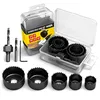
KATA 8-Piece Hole Saw Kit, 1″–2-1/8″ – $7.99
Covers the exact 1″ to 2⅛″ range the entrance hole chart above calls for — wren, chickadee, and bluebird holes with the same bit set, no need to buy separate hole saws per species.
- Best for: Wren, chickadee, and bluebird entrance holes in one kit
- Why we picked it: Range matches the hole sizes in this guide’s species chart almost exactly
- Main drawback: Doesn’t reach the 1¾–2¼″ purple martin range — size up for that box
Compare more hole saw kit options
 Option 1 12-Piece Hole Saw Kit, 3/4″–2-1/2″ – $9.99
|
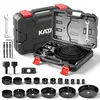 Option 2 KATA 25-Piece Hole Saw Kit, 3/4″–6″ – $20.99
|
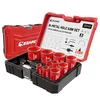 Option 3 EZARC 16-Piece Bi-Metal Kit, 3/4″–2-1/2″ – $49.49
|
As an Amazon Associate we earn from qualifying purchases.
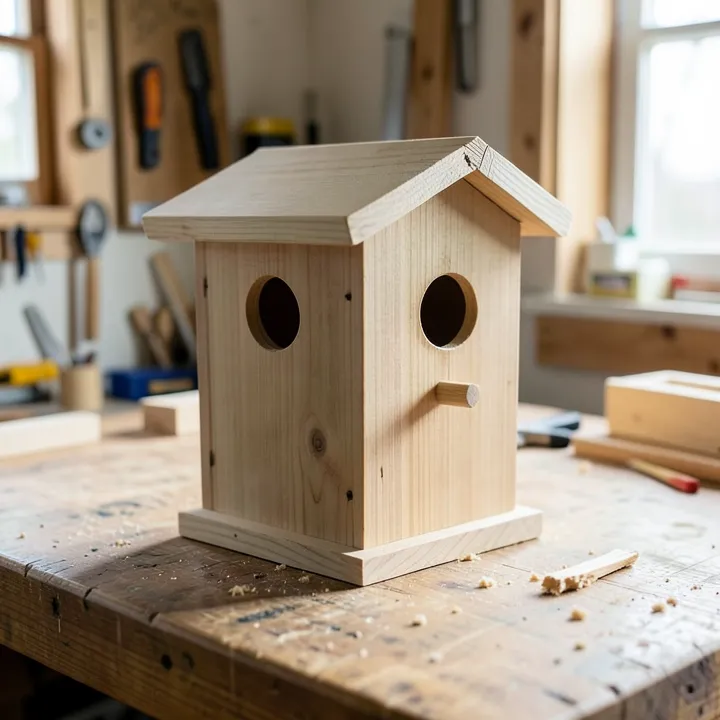
Entrance hole diameter is the single most important measurement on any birdhouse plan — it determines which species can physically get in, and it’s the main thing that keeps out unwanted competitors like European Starlings. Use this chart to pick the right hole before you cut anything.
| Species | Entrance Hole Size | Mounting Height | Box Spacing |
|---|---|---|---|
| House Wren | ~1″ round | 4–6 ft | ~100 ft apart |
| Carolina Wren | ~1″ round | 4–6 ft | ~330 ft apart |
| Black-capped Chickadee | 1⅛″ round | 5–15 ft | ~650 ft apart |
| Eastern Bluebird | 1½″ round (or 1⅛″×2¼″ oval, or 1⅛″ horizontal slot) | 4–6 ft | ≥300 ft apart |
| Western / Mountain Bluebird | 1-9/16″ round (or 1-3/16″ slot) | 4–6 ft | ≥300 ft apart |
| Purple Martin | 1¾–2¼″ round (gourds ≥10″ diameter) | 10–12+ ft, ≥60 ft from buildings/trees | Colonial — housed together |
Tools and Materials You’ll Need
Every plan below reduces to the same shopping list — only the hole saw size and a couple of cut dimensions change between species.
- Cedar or redwood boards (1× stock) — see the wood section below for why these beat pine and pressure-treated lumber
- A hole saw kit sized to your target species’ entrance hole (see chart above)
- Exterior-rated wood glue plus corrosion-resistant screws or galvanized nails
- A drill/driver for pilot holes, drainage holes, and ventilation gaps
- A hinge or single swing-out panel for cleanout access between nesting seasons
- Exterior finish or sealer rated for outdoor cedar (not required, but extends the box’s life)
Free Birdhouse Plans by Species
Most free birdhouse plan roundups are either bird-biology write-ups with no build instructions, or thumbnail directories that send you off-site to a third-party PDF. Neither one tells you which wood to actually cut or how to assemble it so it survives outdoors. The build process below works for every species in the chart above — only three numbers change: the entrance hole diameter, the mounting height, and the spacing between boxes.
Bluebird and Wren/Chickadee Box Build
Bluebird, wren, and chickadee boxes share the same basic footprint and assembly — the only thing that changes between them is the hole saw you load and where you hang the finished box.
- Cut your panels: From cedar or redwood 1× stock, cut a floor, a back panel (leave it long enough to screw to a post or tree), a front panel, two side panels, and a roof panel with an overhang past the front to shed rain.
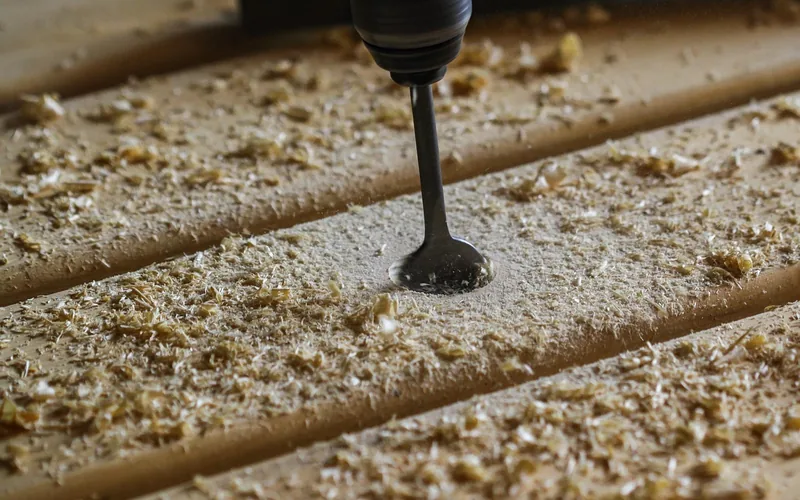
- Drill the entrance hole: Bore the front panel with the hole saw size matched to your target species — 1″ for wrens, 1⅛″ for chickadees, or 1½″ for bluebirds — centered a few inches above the floor.
- Add drainage holes: Drill at least four ¼″ holes through the floor panel so rainwater and condensation can drain instead of pooling around eggs or nestlings.
- Add ventilation gaps: Drill small ⅛″–¼″ holes near the top of each side panel, just below the roofline, to keep air moving and prevent the box from overheating.
- Assemble with exterior glue and screws: Glue and screw the floor, sides, front, and back together; predrill near board edges so cedar and redwood don’t split.
- Make the roof or a side panel removable: Use a single hinge or a swing-panel so you can clean out old nesting material between seasons.
- Mount at the right height and spacing: Hang bluebird and wren boxes 4–6 feet up, spacing bluebird boxes at least 300 feet apart and wren boxes roughly 100 feet apart.
Purple Martin Housing Build
Purple Martins are colonial nesters, so their housing looks different from a single bluebird box — either a multi-compartment house or a hanging gourd, mounted much higher and farther from structures than any other species on this list.
- Size each compartment: Build (or buy) compartments at least 6″×6″ — that’s the minimum cavity size Purple Martins need per unit, whether it’s a wooden house or a gourd at least 10″ in diameter.
- Drill entrance holes at 1¾–2¼″: Cut one entrance per compartment in this range — small enough to discourage starlings, large enough for martins to enter easily.
- Add drainage and ventilation: Same rule as any box — four ¼″ drainage holes per compartment floor, plus small vent gaps near the roofline.
- Mount high and clear: Set the pole at least 10–12 feet up and at least 60 feet from buildings or trees — martins generally won’t settle into housing mounted lower or closer than that.
What Wood Should You Use for a Birdhouse?
Cedar and redwood are the woods experienced birdhouse builders reach for first, because both resist rot and insect damage outdoors without any chemical treatment. Pine works as a cheaper alternative but breaks down faster once it’s exposed to weather. Pressure-treated lumber is consistently advised against for birdhouses — the preservative chemicals used to resist decay put nesting birds in direct, prolonged contact with something they shouldn’t be.
Whichever wood you pick, treat the exterior the same way you would any outdoor cedar project. Our guide to the best finish for cedar wood covers the sealers that actually hold up outdoors, and how to protect cedar wood for outdoors walks through prepping and maintaining that finish over time. For assembly, exterior-rated glue paired with corrosion-resistant screws holds up better than nails alone on a box that’s rained on year-round — see our best woodworking glue guide for options that won’t fail outdoors.
“For anything that lives outdoors year-round, I default to cedar or redwood over pine — the extra cost up front is a lot cheaper than rebuilding a rotted-out box after a couple of hard winters.”
Ventilation, Drainage, and Keeping Predators Out
Drainage and ventilation holes are not optional extras — without them, a birdhouse traps rainwater and overheats in direct sun. Drill at least four ¼″ drainage holes through the floor so rainwater and condensation have somewhere to go, and add small ⅛″–¼″ ventilation holes near the top of each side wall, just below the roofline, to keep air moving.
📊 Standard guidance calls for at least four ¼-inch drainage holes drilled in the floor of every birdhouse — without them, rainwater and condensation have nowhere to go. — Source: House Digest
Keeping the entrance hole at or below 1.5″ is also the simplest way to keep European Starlings out of a box built for smaller species — starlings need roughly a 1-9/16″ opening at minimum, so a 1.5″ hole or smaller physically excludes them while still admitting bluebirds, wrens, and chickadees. A small block of wood or a metal entrance guard mounted around the hole can add further protection against squirrels and other predators trying to reach in and enlarge the opening.
Where and How High to Mount Your Birdhouse
Most backyard birdhouses work well mounted 5 to 15 feet above the ground, but the right height depends on the species. Bluebirds and wrens will nest as low as 4–6 feet, while purple martins and owls generally won’t settle into housing mounted below 10–12 feet. Match the height to the bird you’re targeting rather than defaulting to one number for every box.
Spacing between boxes matters as much as height, especially for territorial species. Bluebird boxes need roughly 300 feet between them, chickadee boxes around 650 feet, House Wren boxes about 100 feet, and Carolina Wren boxes about 330 feet. Purple Martins are the exception — they’re colonial nesters, so multiple compartments are meant to be housed together on one pole rather than spaced apart.
If you’re building with kids or want a smaller weekend project first, our popsicle stick birdhouse plans are a good warm-up before tackling a full-size cedar box, and a DIY Little Free Library uses a lot of the same exterior box-building and finishing skills if you want to build another outdoor wood project next. For more beginner-friendly builds, browse our full woodworking projects and tips guide.
Will Robins or Cardinals Use a Birdhouse?
No — robins and cardinals will not use a traditional enclosed birdhouse. Both are open-nesters that build on ledges, in shrubs, or on open platforms rather than inside a box with a small entrance hole. If you want to attract either species, build an open nesting shelf instead of a hole-and-box design — a fully enclosed birdhouse simply won’t get used no matter how well it’s built.
Frequently Asked Questions
What entrance hole size does each bird species need?
Entrance hole size is species-specific: House Wrens and Carolina Wrens need about a 1″ hole, Black-capped Chickadees need 1⅛″, and Eastern Bluebirds need 1½″ (or a 1⅛″×2¼″ oval, or a 1⅛″ horizontal slot). Western and Mountain Bluebirds use a 1-9/16″ round hole or a 1-3/16″ slot. Purple Martins need 1¾–2¼″ holes with at least a 6″×6″ cavity per compartment, and gourds need at least 10″ diameter.
How high should a birdhouse be mounted?
Most backyard birdhouses work well 5 to 15 feet above the ground. Bluebirds and wrens will nest as low as 4 to 6 feet, while Purple Martins and owls generally won’t settle into housing mounted below 10 to 12 feet. Match the height to the species you’re targeting rather than defaulting to one number for every box.
What is the best wood for a birdhouse?
Cedar and redwood are the most commonly recommended woods for birdhouses because both resist rot and insect damage naturally outdoors. Pine works as a cheaper alternative but breaks down faster. Avoid pressure-treated lumber entirely — the chemical preservatives used to resist decay can put nesting birds in direct contact with substances they shouldn’t be exposed to.
Do birdhouses need ventilation and drainage holes?
Yes. Standard guidance calls for at least four ¼-inch drainage holes drilled in the floor so rainwater and condensation can escape instead of pooling around eggs or nestlings. Small ventilation holes, about ⅛″ to ¼″ in diameter, should also be added near the top of each side wall just below the roofline to keep air moving and prevent the box from overheating.
Will robins or cardinals use a birdhouse?
No. Robins and cardinals are open-nesters — they build on ledges, in shrubs, or on nesting shelves, not inside an enclosed box with a small entrance hole. If you want to attract either species, build an open-sided nesting shelf instead of a traditional birdhouse; a hole-and-box design simply won’t be used by them.
How do you keep starlings or sparrows out of a birdhouse?
Keep the entrance hole at 1.5 inches or smaller. European Starlings need a minimum opening of roughly 1-9/16″ to fit through, so any hole at or below 1.5″ physically excludes them while still admitting bluebirds, wrens, and chickadees. This is the single most effective non-electronic way to keep starlings from taking over a box built for smaller species.
Once you’ve matched the hole size, wood, and mounting height to the species you want, a birdhouse build comes down to basic outdoor box-building — cut it square, glue and screw it tight, drill your drainage and ventilation holes, and finish the cedar or redwood the same way you would any outdoor project. Get those details right and the box will get used for years, not just built and forgotten.
If you would rather paint than stain, our bird house paint ideas guide covers non-toxic colors that keep nesting birds safe.
Sponsored / affiliate links. As an Amazon Associate I earn from qualifying purchases. I may earn additional commission from eligible campaigns.