Can You Use Canola Oil on Wood? Why It Goes Rancid + Safer Oils
No, canola oil is a poor choice for wood. It is a non-drying cooking oil, so it never cures into a film, and West Bay Woodturners notes that non-drying oils such as canola turn rancid and leave bad odors. For cutting boards and utensils, use food-grade mineral oil or a beeswax blend instead. This guide compares canola with other oils using iodine values, covers what to do if you already used it, and splits kitchenware from furniture.
Short Answer: Use Food-Grade Mineral Oil, Not Canola
| Best Board Oil Swap | |
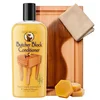 |
Howard Butcher Block Conditioner (12 oz), $9.98 The mineral oil, beeswax and carnauba blend this guide recommends in place of canola for cutting boards, bowls and utensils.
|
| As an Amazon Associate we earn from qualifying purchases. | |
The reason is chemistry, not preference. Canola is a cooking oil made of fats that oxidize in the grain. University of Maine Cooperative Extension advises avoiding cooking oils on wood boards because they can go sticky and rancid:
“may become sticky and turn rancid over time”
University of Maine Cooperative Extension, Bulletin 3108
That same bulletin recommends a food-safe mineral oil or beeswax about once a month. It describes the method too: rub the oil in evenly, let it absorb for several hours or overnight, then wipe away the excess.
Why Canola Oil Never Cures on Wood
Woodworkers sort oils by whether they harden. West Bay Woodturners explains that true drying oils such as walnut, tung and linseed undergo spontaneous cross-linking of their fatty acid double bonds with oxygen from the air. Oils that do not dry, which it names as olive, peanut, canola and generic vegetable oil, instead degrade and turn rancid.
Iodine value is the number chemists use to measure how many of those reactive double bonds an oil carries. Using typical iodine values from Wikipedia, canola sits at 110 to 126, well below walnut (132 to 162), tung (160 to 175) and linseed (170 to 204). The Wikipedia drying oil entry puts the non-drying line below 115 and the drying line above 130, so canola’s range straddles the gap and stops short of the true finishing oils. In plain terms, it lacks the reactivity to build a protective film.
One myth worth correcting: a low iodine value does not make an oil safe on a board. Coconut oil has a very low iodine value (6 to 11), yet the maker pages I read still steer people to fractionated coconut oil, not regular coconut oil, for boards. Whether an oil cures and whether it spoils are two separate questions, and canola fails the first one for wood.
Oil-by-Oil Comparison for Wood
This table pulls its numbers and notes from the sources named in this article. Where I could not find a source that endorses an oil for wood, the table says so instead of guessing.
| Oil | Iodine value | What it does on wood | Food-contact note |
|---|---|---|---|
| Canola | 110-126 | Non-drying per West Bay Woodturners; stays liquid in the grain | Avoid on boards and utensils: can turn rancid and sticky |
| Olive | 75-94 | Non-drying; listed by West Bay as turning rancid | Avoid on boards and utensils |
| Sunflower | 110-145 | Not a finishing oil; no source I read recommends it | Avoid: same cooking-oil category as canola |
| Coconut (regular) | 6-11 | Low iodine value, but no extension source I read endorses it for boards | Unverified for wood; makers recommend the fractionated type instead |
| Food-grade mineral oil | n/a (not a plant fat) | Soaks in and never cures; needs periodic re-oiling | Recommended by UMaine Extension; makers say it will not go rancid |
| Walnut | 132-162 | Drying oil; cures slowly into a film | Cured drying oils are considered food safe by West Bay; one forum poster flags nut allergies |
| Tung | 160-175 | Drying oil; cures into a film over several coats | Same cured-film note; oily rags can self-heat |
| Linseed | 170-204 | Drying oil; the highest iodine value of the oils listed here | Same cured-film note; oily rags can self-heat |
Iodine values come from Wikipedia’s iodine value table. Behavior and food-contact notes come from University of Maine Extension, West Bay Woodturners, Howard Products and a Fine Woodworking forum thread. The forum comment about nut allergies is one reader’s caution, not a medical source.
Cutting Boards, Spoons and Bowls
Anything that touches food gets the strictest rule: no cooking oils. Mineral oil never cures either, so the real difference is spoilage. Howard’s product page describes its conditioner as a blend of beeswax, Brazilian carnauba wax and USP food grade mineral oil that will never go rancid, and says to re-apply whenever the wood looks or feels dry. Our how to oil a butcher block guide covers the full routine, and sealing a wooden chopping board covers harder-wearing options.
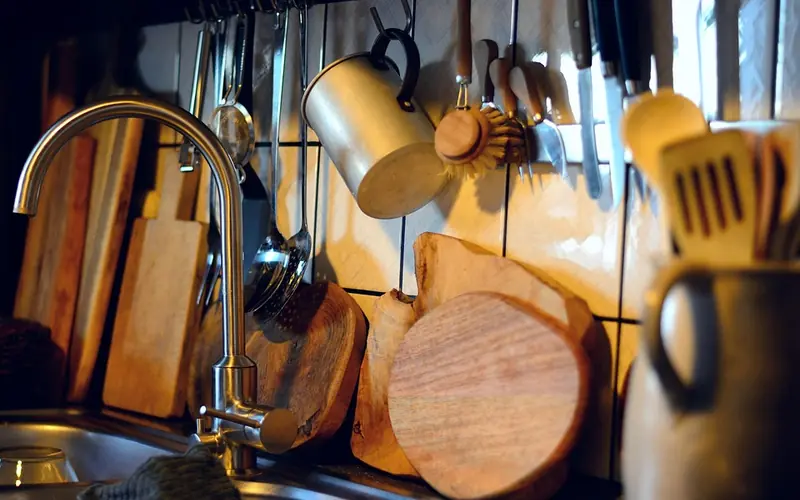
The same logic applies to smaller kitchen items. Our guides to caring for wood spoons and wood cookie molds cover food-contact wood care at the utensil and baking-tool scale, and the rule stays the same: keep cooking oils off them. For heat-exposed wood, see why makers choose wooden pot handles. If you are weighing other kitchen oils, the broader page on using generic vegetable oil on wood compares them.
Furniture and Non-Food Wood
On a table or chair, canola’s problem is different: it stays wet. A drying oil like tung or linseed is the right family for an oil finish, and tung oil versus mineral oil explains the trade-off between a curing oil and a non-curing one. If you plan a topcoat later, read lacquering over oiled wood first, because an oil that has not cured can interfere with film finishes.
One safety point for drying oils: the Wikipedia drying oil entry warns that rags soaked in drying oils can ignite spontaneously from the heat released while curing, and recommends wetting rags with water or storing them in an airtight metal container. That warning is sourced for drying oils. I did not find a source covering canola-soaked rags, so handle them cautiously too.
Quick Picker: What To Oil, and With What
If you are standing in the kitchen aisle or the garage with a bottle in hand, this short list maps the project to the safer oil family, based on the sources above.
- Cutting board or butcher block: food-grade mineral oil or beeswax, roughly once a month per University of Maine Extension, and sooner if the wood looks dry.
- Wooden spoons, bowls and salad servers: the same mineral oil or beeswax blend. Check the label for a USP or food-grade statement, as the Howard listing carries.
- Furniture, trim or craft pieces with no food contact: a drying oil such as tung or linseed, applied thinly and allowed to cure, with rags handled as described above.
- Something already coated in canola: follow the cleanup steps below before adding any new finish, since oil that has not cured can interfere with what goes on top.
Notice that canola does not appear in any of those four lines. Its one narrow role is in the pantry, where its slow oxidation is a feature rather than a flaw.
What To Do If You Already Used Canola Oil
- Stop re-oiling: extra coats add more fat to the grain, not more protection.
- Wipe off the excess: use a dry cloth on the surface, as UMaine Extension advises for any oil.
- Wash with mild dish soap and warm water: then let the piece dry completely.
- Re-oil with food-grade mineral oil: rub it in, let it absorb for several hours or overnight, and wipe off the surplus.
- Sand lightly if the smell persists: this is a common woodworking step, though I did not find a source that tests it for canola specifically.
Frequently Asked Questions
Is canola oil safe to use on a wood cutting board?
It is not the right choice. Canola is a non-drying cooking oil, and West Bay Woodturners says non-drying oils turn rancid and give off bad odors or flavors. The rancid byproducts are generally not toxic, but they make a board smell and taste bad. Use food-grade mineral oil or a beeswax blend instead.
Can I use canola oil on wood furniture?
Not as a finish. Canola never cures into a hard film the way tung or linseed oil does, so it can stay greasy on furniture. If you want an oil finish for a table or chair, pick a drying oil, let it cure fully, and read the product label for cure times.
How do I fix a board I already oiled with canola oil?
Stop adding oil, wipe off the excess, wash the board with mild dish soap and warm water, and let it dry fully. Then switch to food-grade mineral oil. If the smell persists after a few washes, light sanding of the surface is a common next step.
Is rancid oil on a cutting board toxic?
West Bay Woodturners describes the degradation products of rancid non-drying oils as generally not toxic, but undesirable. The practical problem is smell, taste and a sticky surface, which is enough reason to avoid it on anything that touches food.
What is the best oil for wooden spoons and salad bowls?
Food-grade mineral oil is the standard pick, and University of Maine Extension recommends it or beeswax about once a month for cutting boards. The same products work on spoons and bowls. Re-apply whenever the wood looks or feels dry.
Bottom Line
Skip canola on anything that touches food. Choose food-grade mineral oil or a beeswax blend for boards, spoons and bowls, and a true drying oil for furniture that will not see food. Check the maker’s label for current reapplication guidance before you start.
Sponsored / affiliate links. As an Amazon Associate I earn from qualifying purchases. I may earn additional commission from eligible campaigns.