Is Teak Wood Good For Cooking Utensils? Essential Guide
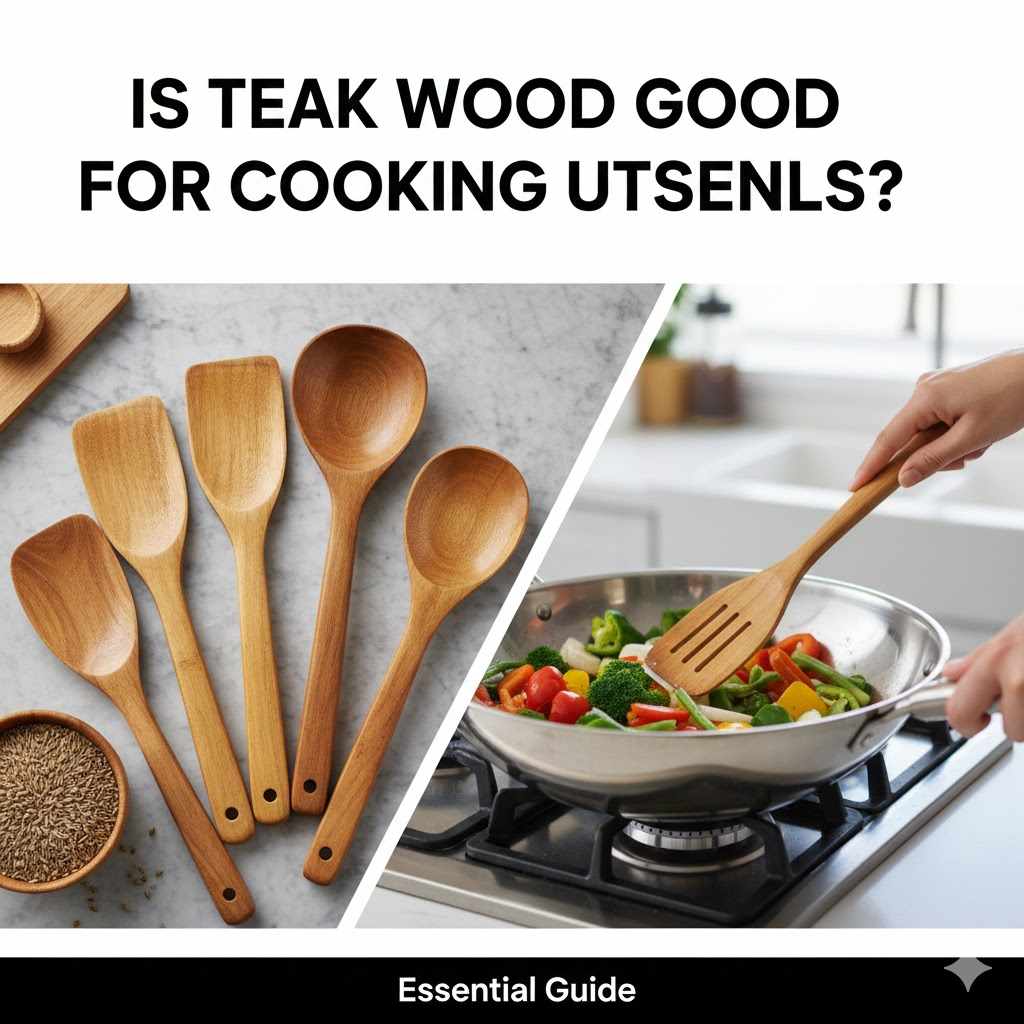
Teak wood is generally excellent for cooking utensils due to its high natural oil content, which makes it water-resistant, durable, and naturally hygienic. It resists warping and drying out better than many other woods, making it a safe and long-lasting choice for your kitchen tools.
Welcome to the workshop! If you’ve ever stood in a store looking at wooden spoons, wondering which material will actually last without cracking or getting yucky, you are not alone. Choosing the right wood for kitchen tools is key to happy cooking. We often hear about exotic woods, but what about good old teak?
Is this dense, beautiful timber really kitchen-safe and practical? Many beginner cooks worry about chemicals or softness. I want to show you why teak is a fantastic, trustworthy option that combines beauty with real functionality, saving you money in the long run. We’ll look at the science, the safety, and the care needed. Let’s get right to unpacking everything you need to know about teak in your kitchen drawer.
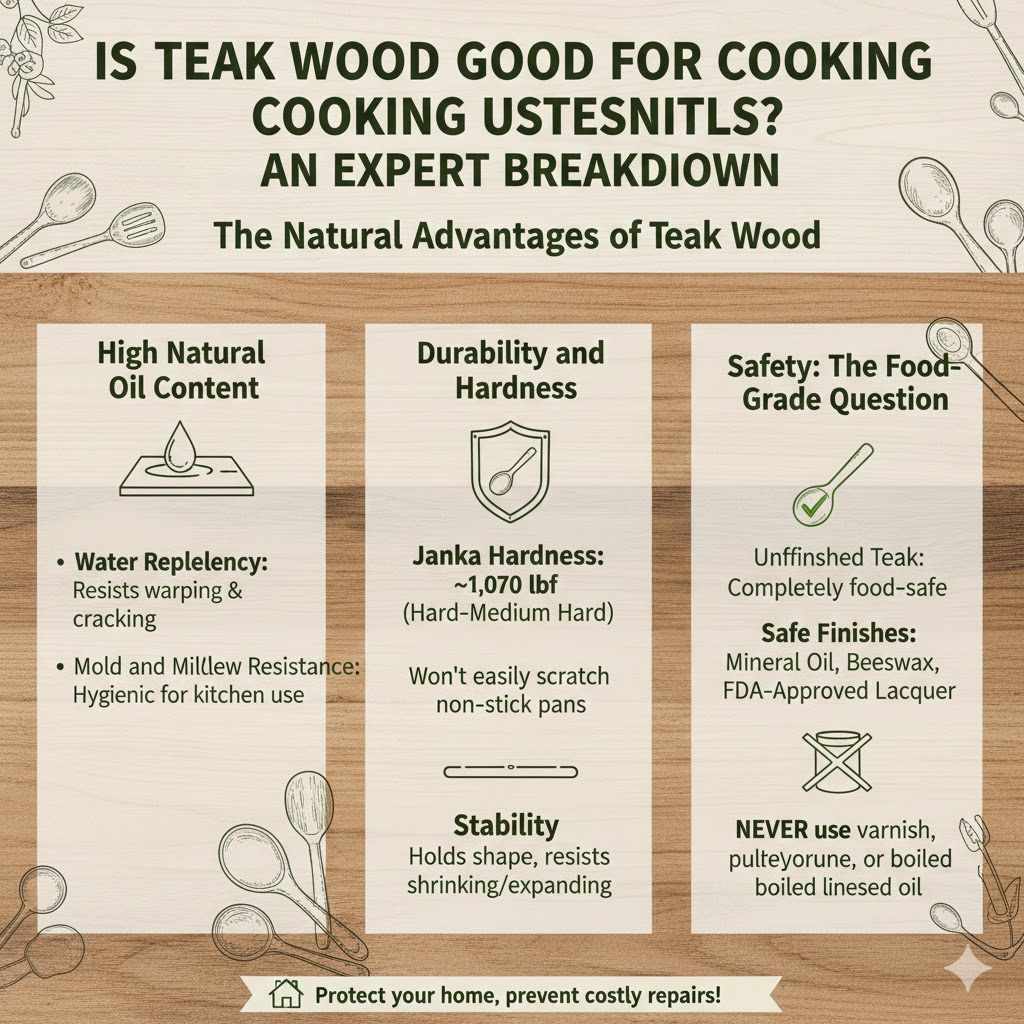
Is Teak Wood Good For Cooking Utensils? An Expert Breakdown
As a woodworker, I look at wood based on three main factors for kitchen use: density (durability), oil content (water resistance), and general safety. Teak (Tectona grandis) scores incredibly high on all three counts, making it one of the best timbers available for this specific job.
The Natural Advantages of Teak Wood
What makes teak stand out when it’s sitting in hot soup or being washed after use? It boils down to its inherent properties, shaped by the tropical environments where it grows.
High Natural Oil Content
This is teak’s superpower. Teak contains natural oils that act like a built-in preservative and finish.
Water Repellency: These oils push water away. This means your teak spoons won’t swell, warp, or crack when exposed to constant wetting and drying, which is common with wooden utensils.
Mold and Mildew Resistance: Because moisture struggles to penetrate deeply, teak is naturally resistant to growing mildew or harboring mold—a huge plus for kitchen hygiene.
Durability and Hardness
While teak isn’t the absolute hardest wood (nothing beats true Ironwood!), it sits comfortably in the hard to medium-hard range. On the Janka hardness scale (which measures resistance to denting), teak measures around 1,070 lbf (pounds-force). This density means your spatulas and spoons won’t easily scratch non-stick pans or splinter when scraping hard bits of food.
Stability
When you make something from teak, it tends to stay that shape. In the fluctuating humidity of a kitchen, other woods might expand or shrink significantly. Teak is highly stable, meaning your beautiful, custom-made ladle will hold its form for years.
Safety: The Food-Grade Question
For any item touching food, safety is non-negotiable. You might wonder if the natural oils are safe for consumption or if the wood needs heavy sealing.
Is Unfinished Teak Safe for Food?
Yes. Teak, when sourced ethically and properly finished (usually just buffed), is completely food-safe. Unlike some other woods treated with chemical stains or preservatives, teak’s oils are non-toxic. You don’t need to slather it with a chemical sealant. Many artisans only use mineral oil or beeswax on their teak tools, which are completely inert and safe once dry.
The “Sealed” Misconception
When we buy manufactured teak utensils, they might look glossy. Reputable manufacturers typically only use light mineral oil or occasionally a specific food-safe lacquer that cures completely inert. Never use varnish, polyurethane, or boiled linseed oil meant for outdoor furniture on anything that will contact food—those chemicals are not safe for ingestion. Always look for labels that explicitly state “Food Safe Finish” or “FDA Approved.”
For more information on wood safety in contact with food, the Food and Drug Administration (FDA) often provides guidelines on materials used in food preparation, though specific wooden utensils often fall under general craftsmanship standards rather than strict material bans, as long as non-toxic treatments are used. You can generally check local health department guidelines or manufacturing standards for assurances.
Comparing Teak to Other Popular Utensil Woods
To truly appreciate why teak shines, let’s compare it to the most common materials you might encounter when buying wooden kitchen gear.
Teak vs. Bamboo
Bamboo is popular, but it’s technically a grass, not a hardwood.
| Feature | Teak Wood | Bamboo “Wood” |
|---|---|---|
| Material Type | True hardwood | Grass (laminated strips) |
| Oil Content | Very high (natural sealant) | Low (requires more external oiling) |
| Durability / Strength | Excellent density; resists deep splitting | Good tensile strength, but softer surface |
| Moisture Resistance | Superior natural resistance | Prone to water absorption along glue lines |
| Longevity | Can last decades with minimal care | Often shorter lifespan due to delamination |
Teak vs. Maple and Beech (Standard Hardwoods)
Maple and Beech are the workhorses of the kitchen utensil world. They are great, but teak often edges them out in wet environments.
Maple: Very hard, tight grain, excellent for durability, but absorbs water more readily than teak if not regularly oiled. It can dry out and crack over time if neglected.
Beech: Slightly softer than maple, very dense, and often steamed, which makes it stable. It’s a great budget alternative but lacks teak’s natural, inherent water resistance from high oil content.
Teak’s built-in protection means less maintenance is needed to keep it functional, which is a huge win for busy cooks who don’t want to stop and re-oil tools every week.
The Complete Guide to Choosing and Buying Teak Utensils
If you are convinced teak is the right choice, here are the practical steps to selecting the best pieces for your kitchen.
1. Look for Solid Teak, Not Veneer
When buying anything made of wood for the kitchen, avoid laminates or veneer unless the core material underneath is also food-safe and durable. Utensils are small items, so buying solid pieces is usually quite affordable.
Check the Grain: Can you see a consistent, continuous wood grain running the length of the spoon or spatula? If you see strips glued together, it might be bamboo or laminated wood, which can separate when wet.
Weight and Feel: Solid teak will feel substantial. If it feels too light or hollow, it might be poorly made or laminated with inferior wood on the inside.
2. Inspect the Finish
As mentioned in the safety section, how the wood is treated matters most.
Ideal Finish: Should look matte or slightly satin, not plasticky. If it feels tacky or sticky, it might have a low-quality curing oil or resin that could eventually transfer to food.
Avoid Strong Odors: If the utensil smells strongly of chemical solvents or varnish, put it down immediately. Good quality teak smells faintly woody or neutral.
3. Source Ethically (Crucial Step)
Teak is now heavily scrutinized for unsustainable logging practices, especially older, old-growth teak. As someone passionate about sustainable craftsmanship, I urge you to look for responsibly sourced wood.
Look for suppliers who specify one of the following:
1. FSC Certified Teak: This confirms it comes from a sustainably managed forest.
2. Reclaimed Teak: Wood salvaged from old decking, houses, or furniture. This is eco-friendly and often gives you denser, older grain wood.
3. Plantation-Grown Teak: Modern plantations are managed sustainably, though they produce younger wood than heritage forests.
4. Understand Price Points
Teak utensils are usually slightly more expensive than basic maple or beech simply because the raw material is more costly. If you find a “teak” spoon that is suspiciously cheap, double-check the origin or material composition. Craftsmanship also plays a huge role in the final price.
Caring For Your Teak Cooking Tools: Essential Maintenance
Even with teak’s natural resilience, a little TLC goes a long way to ensure your utensils last longer than you might expect—think heirloom quality! This process is simple, especially compared to maintaining bare, oil-hungry woods.
Step 1: Proper Immediate Washing
Never leave wooden utensils soaking in the sink or run them through a harsh dishwasher cycle. The sudden saturation and intense heat will stress the wood fibers, regardless of the oil content.
Best Practice for Daily Cleaning:
1. Rinse immediately after use under warm water.
2. Use a soft sponge with a tiny drop of mild dish soap (avoid harsh degreasers).
3. Wipe down the surface quickly.
4. Dry immediately with a towel.
Do not use this tool in a dishwasher. Modern dishwashers are wood’s greatest enemy!
Step 2: The Drying Process
After washing, air drying is best, but speed up the process.
Stand the utensils upright in a canister, ensuring the handle isn’t sitting in residual water in the bottom.
Never dry them on a flat counter where the surface that touched the food will remain wet against the stone or counter.
Step 3: Periodic Re-Oiling (When Necessary)
Because teak has natural oils, it usually doesn’t need oiling as often as maple or cherry. You’ll know it’s time when the wood starts to look dull, feel slightly rough to the touch, or if water stops beading up on the surface immediately.
We are only topping up the surface protection, not trying to force oil deep into the core.
Recommended Oiling Materials:
Food-Grade Mineral Oil (the safest, most common choice)
Beeswax/Mineral Oil Finish (A mixture for a slightly richer, more durable seal)
Pure Tung Oil (Must be 100% pure and polymerized for food safety; avoid ‘boiled’ versions)
How to Oil Your Teak Utensils (Simple Method):
1. Ensure the utensil is completely clean and dry—this is crucial! Oiling a damp utensil traps the moisture.
2. Apply a small amount of mineral oil onto a clean, soft cloth or paper towel. You only need a few drops.
3. Rub the oil generously over the entire surface of the utensil, moving in the direction of the wood grain. Pay extra attention to the spoon’s bowl and handle ends, where moisture collects most often.
4. Let the oil soak in for about 15–30 minutes. For badly dried utensils, you can leave it for a few hours.
5. Using a new, dry cloth, wipe off all the excess oil. The surface should feel smooth, not greasy. If it feels greasy after wiping, you used too much oil; keep buffing it away!
This process only needs to happen every few months, depending on how often you use and wash the tools.
Dealing with Stains and Odors in Wooden Tools
Sometimes cooking—especially tomato sauce or garlic—leaves its mark. Unlike plastic or stainless steel, wood requires gentle restorative steps.
Removing Tough Stains
If you have a dark, unsightly stain (like curry turmeric or dark berry juice) that won’t lift with simple washing:
1. Make a paste using baking soda and a little water.
2. Gently rub the paste onto the stained area using your finger or a very fine piece of fine-grit sandpaper (220 grit or higher). Be very light; we are only sanding the top layer of the wood, not reshaping the tool.
3. Wipe clean with water and immediately dry the utensil.
4. Once dry, perform a quick oiling touch-up on that spot.
Eliminating Lingering Odors (Like Garlic)
Wood is porous, so strong flavors can sometimes linger. This is rare with teak compared to woods like pine, but it happens.
The Lemon Method: Cut a fresh lemon in half. Sprinkle salt onto the cut surface of the lemon. Rub the salted lemon vigorously over the utensil surface. The mild acid and salt draw out surface oils and help neutralize odors. Rinse well and dry immediately.
Baking Soda Soak (Briefly!): For stubborn smells, create a weak solution of warm water and baking soda. Do not soak! Dip the utensil in for no more than 30 seconds, swish it around, and remove immediately. Rinse and dry completely. This must be done sparingly to prevent the wood from swelling.
When Not To Use Teak (The Rare Exceptions)
While teak is excellent, no material is perfect for every situation. Here are two times you might want to pause before reaching for your teak spoon.
1. Extreme, Long-Term Boiling
If you regularly make stocks, broths, or stews that simmer for 6–8 hours a day on a professional line, eventually, any wood tool will wear down from prolonged exposure to high, continuous heat and liquid saturation. For heavy, continuous commercial use, stainless steel might be superior. For the average home cook, this is rarely an issue.
2. Highly Acidic Liquids (Infrequently)
Very long exposure (days, not minutes) to highly acidic liquids like pure lemon juice or industrial vinegar can slightly dull the finish or strip some surface oils faster than normal. If you are letting something pickle in a crock for weeks, pull your wooden tools out of that environment. Normal sauce-making is totally fine.
Understanding Where Your Teak Comes From
As part of being a responsible DIY enthusiast and consumer, understanding the sourcing behind our materials builds confidence in what we bring into our homes.
Teak wood is naturally sourced from the Indian subcontinent and Southeast Asia. Historically, massive forests were logged without regulation, leading to deforestation concerns. Today, the standards have tightened considerably.
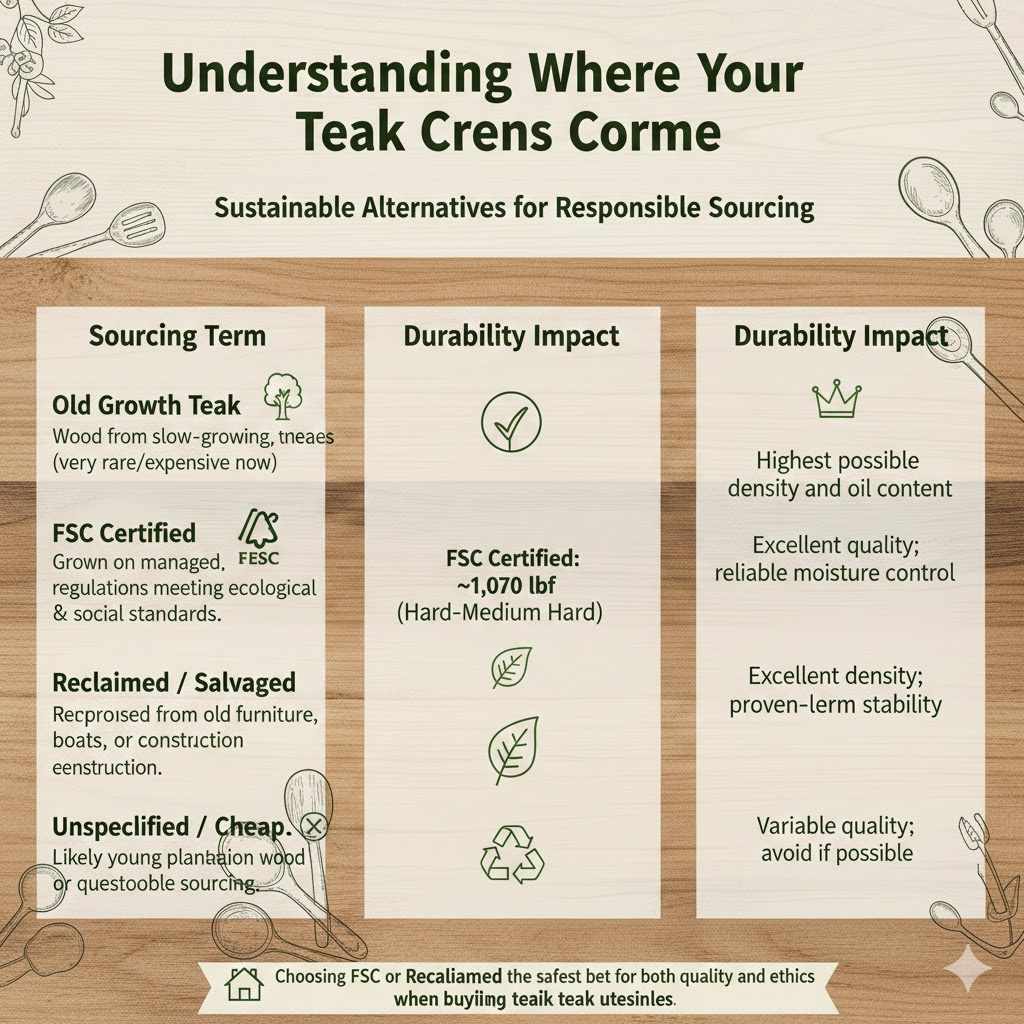
We want to look at sustainable alternatives to ensure we aren’t contributing to environmental harm. Here is a quick breakdown of sourcing:
| Sourcing Term | What It Means for You | Durability Impact |
|---|---|---|
| Old Growth Teak | Wood from slow-growing, mature trees (very rare/expensive now) | Highest possible density and oil content |
| FSC Certified | Grown on managed, regulated plantations meeting ecological and social standards | Excellent quality; reliable moisture control |
| Reclaimed / Salvaged | Repurposed from old furniture, boats, or construction | Excellent density; proven long-term stability |
| Unspecified / Cheap | Likely young plantation wood or questionable sourcing | Variable quality; avoid if possible |
Choosing FSC or Reclaimed is the safest bet for both quality and ethics when buying new teak utensils.
FAQ: Beginner Questions About Teak Utensils
Here are answers to the common questions I hear from folks new to high-quality wooden kitchenware:
Q1: Can I use olive oil to maintain my teak utensils?
A: While olive oil is food-safe, I advise against it for long-term maintenance. Olive oil (like other vegetable oils) contains fats that can oxidize and turn rancid over time, which causes a sour smell and sticky residue on your spoons. Stick to mineral oil or beeswax finishes.
Q2: Do I need to sand my new teak utensil before using it?
A: Generally, no. A reputable manufacturer will have sanded the utensil to at least 320 grit and usually applied a light food-safe conditioning coat. If the surface feels noticeably rough or splintery, light sanding with 320+ grit paper, followed by immediate oiling, is acceptable.
Q3: Will using metal pots damage my teak spoons?
A: Teak is quite hard, so it won’t immediately scratch stainless steel pans. However, constantly scraping the bottom of a metal pot with force will slowly degrade the edge of your teak tool, potentially leading to premature splintering. Use wooden utensils for stirring and scraping delicate non-stick coatings, and save the heavy-duty chopping tasks for harder implements.
Q4: How long should teak utensils last when cared for properly?
A: With basic washing (hand wash, dry immediately) and oiling once or twice a year, high-quality solid teak utensils can genuinely last for decades—often becoming beloved kitchen heirlooms.
Q5: Can teak wood leach flavor into delicate foods like ice cream or vanilla sauce?
A: No. Unlike certain porous or soft woods (like pine or untreated birch), the high oil content and tight grain of finished teak make it nearly flavor-neutral. It won’t impart noticeable flavor to sensitive ingredients.
Q6: What if my utensil gets wet overnight by accident?
A: Don’t panic! Immediately towel-dry it thoroughly. Place it in a well-ventilated area (not directly on a hot radiator) until fully dry. Once dry, apply a small dab of mineral oil to the slightly stressed area, let it sit for 30 minutes, and buff off the excess. It should stabilize quickly.
Conclusion: The Long-Term Value of Teak in Your Kitchen
When you step back and look at the kitchen landscape, we are always balancing cost versus quality. For cooking utensils, that often means choosing something that survives heat, moisture, and the occasional accidental drop. Is teak wood good for cooking utensils? Absolutely, yes. It stands out because it works with* the kitchen environment, not against it. Its natural oils fight moisture damage, prevent rot, and minimize maintenance far better than most other woods available today.
You are not just buying a spoon; you are investing in a durable, attractive piece of natural material that, with simple care—hand washing and occasional oiling—will serve you faithfully for many, many years. Skip the worry about warping or quick replacement. By selecting ethically sourced, solid teak and committing to basic towel-drying after use, you bring a little bit of dependable, workshop-quality craftsmanship right into your everyday cooking routine. Happy crafting, and happy cooking!