Is Wood Ash Good For Grass: Essential Lawn Care
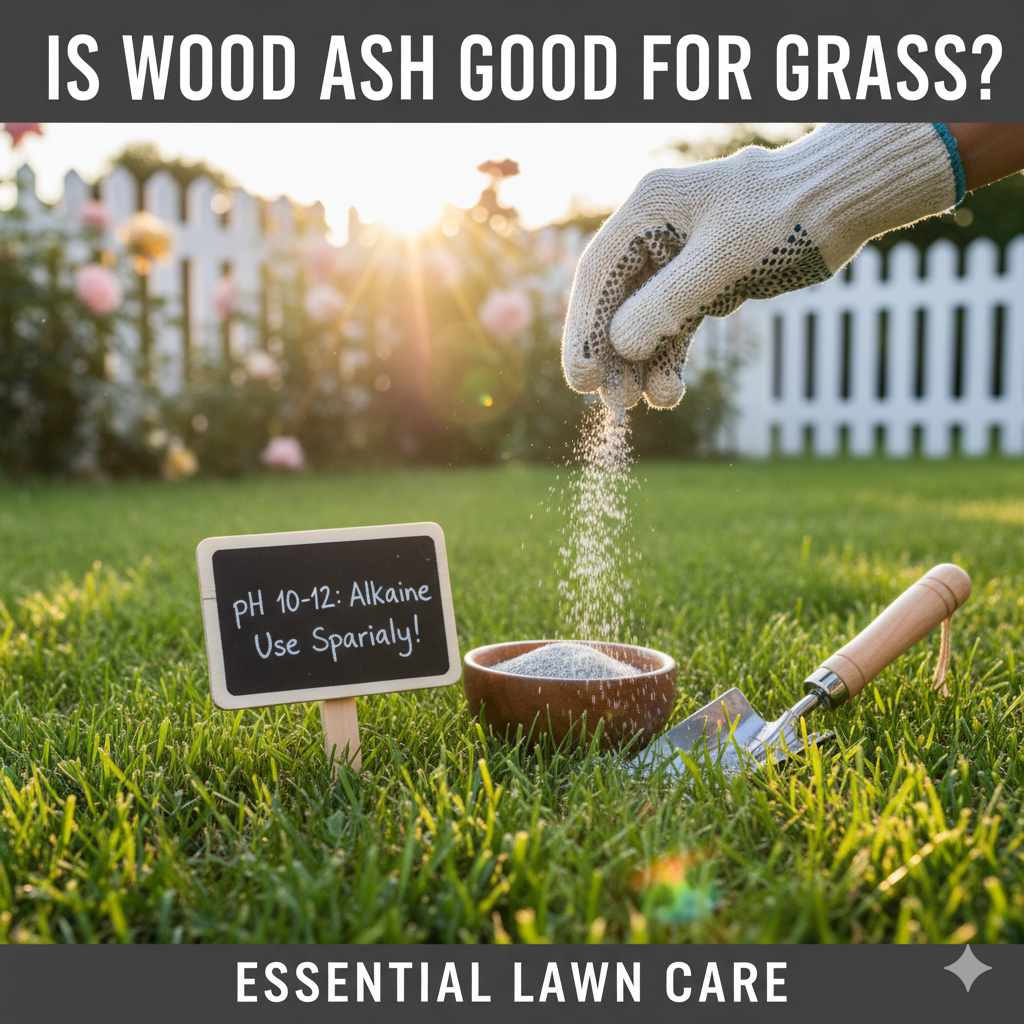
Yes, wood ash can be good for grass due to its nutrient content and ability to raise soil pH, but it must be used sparingly and thoughtfully. Applied correctly, it nourishes your lawn and improves soil health.
Ever found yourself staring at a pile of wood ash from your fireplace or fire pit and wondered, “Can I really put this on my lawn?” It’s a common question, and understandably so! We all want a lush, green lawn, but guessing what our grass needs can be tricky. Sometimes, the best solutions are closer than we think, even in the leftovers of our cozy fires. Don’t worry if you’re unsure; I’m here to guide you through it, just like we’d tackle a new woodworking project. We’ll break down exactly how wood ash can help your grass and, more importantly, how to do it safely and effectively. Get ready to transform those ashes into a secret lawn-care weapon!
Understanding Wood Ash and Your Lawn
Wood ash, a byproduct of burning wood, is more than just leftover dust. When wood burns, it releases many of its mineral components into the ash. This makes wood ash a potential source of nutrients that can benefit your lawn. Think of it like the sawdust from a crafting project – it looks like waste, but it has useful properties! Learning about these properties is the first step to using them wisely.
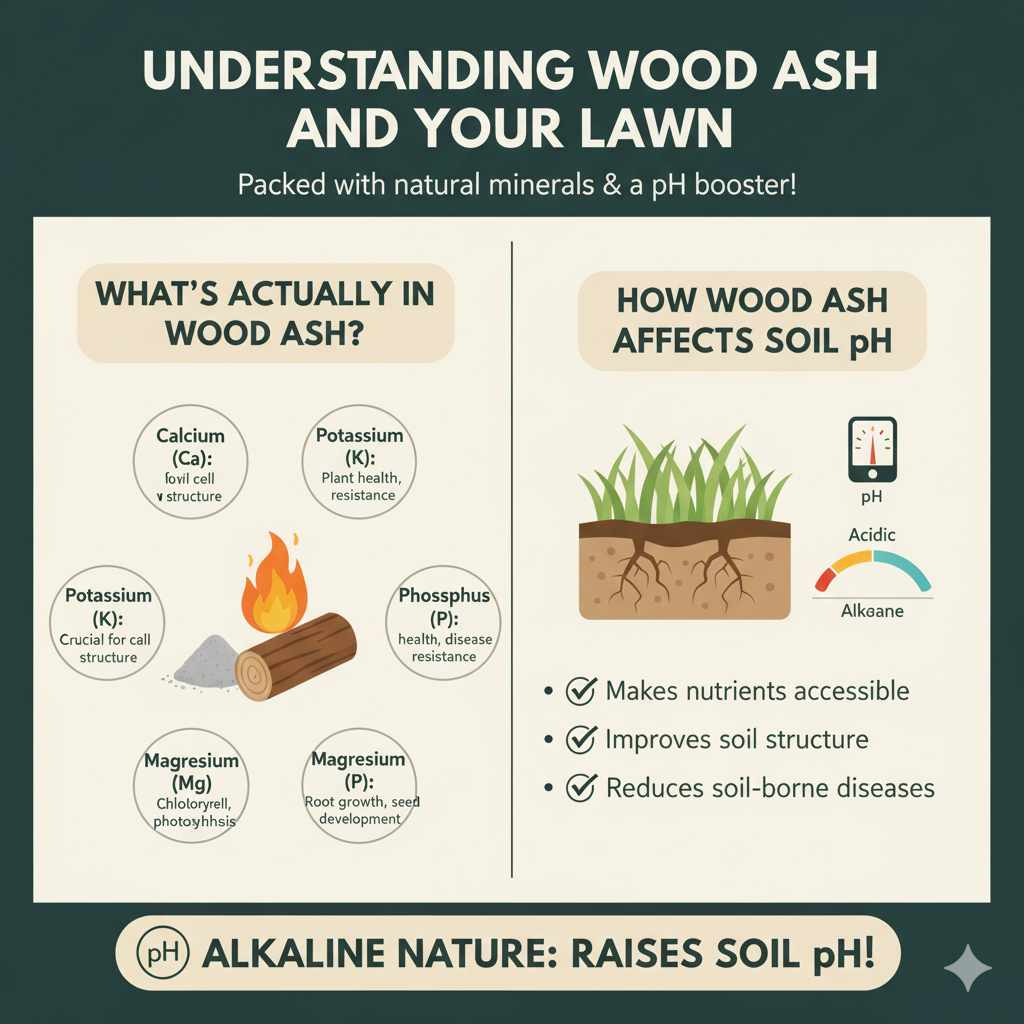
What’s Actually in Wood Ash?
Wood ash is primarily composed of calcium carbonate, which is a common ingredient in agricultural lime. This is why wood ash is often referred to as “poor man’s lime.” Beyond calcium, it also contains smaller amounts of essential nutrients like potassium, phosphorus, magnesium, and trace elements. The exact composition can vary depending on the type of wood burned and how completely it was burned. For instance, hardwood ashes generally contain more nutrients than softwood ashes.
Here’s a quick look at some key components:
- Calcium (Ca): Crucial for cell wall structure and root development in plants.
- Potassium (K): Aids in overall plant health, disease resistance, and water regulation.
- Phosphorus (P): Important for root growth, flowering, and seed development.
- Magnesium (Mg): A key component of chlorophyll, essential for photosynthesis.
How Wood Ash Affects Soil pH
One of the most significant benefits of wood ash for lawns is its ability to increase soil pH. Most turfgrasses thrive in slightly acidic to neutral soil, typically with a pH between 6.0 and 7.0. Many soils, especially in areas with frequent rainfall, can become acidic over time. This acidity can lock up essential nutrients, making them unavailable to your grass, even if they are present in the soil.
Wood ash is alkaline, meaning it neutralizes soil acidity. By raising the pH, it helps to:
- Make macro- and micronutrients more accessible to grass roots.
- Improve soil structure, allowing for better water and air penetration.
- Reduce the presence of certain soil-borne diseases that favor acidic conditions.
A soil test can tell you your current pH level. Many local extension offices offer these tests, providing valuable insights into your soil’s needs. You can find more information about soil testing on the Environmental Protection Agency (EPA) website.
The Benefits of Using Wood Ash on Your Lawn
When applied correctly, wood ash can significantly boost your lawn’s health and appearance. It’s a natural, cost-effective way to amend your soil and provide essential nutrients.
Nutrient Boost for Greener Grass
The nutrients present in wood ash, though often in smaller quantities than in commercial fertilizers, can provide a sustained release of food for your lawn. Potassium, in particular, is vital for strong root systems and overall plant resilience, helping your grass withstand drought, heat, and disease. Phosphorus contributes to healthy root development, while calcium aids in cell structure.
pH Adjustment for Optimal Growth
As mentioned, correcting soil pH is a major advantage. If your soil is too acidic, grass struggles to absorb the nutrients it needs. Wood ash acts like a gentle lime treatment, bringing the pH into a more favorable range. This allows the grass to utilize existing nutrients and any added fertilizers more effectively.
Improved Soil Structure
The alkaline nature of wood ash can also help improve soil structure. It can bind soil particles together, promoting better aggregation. This leads to improved aeration (more air for roots) and better water infiltration and drainage, preventing waterlogging and encouraging deeper root growth.
Natural Pest and Weed Control (with caveats)
Some gardeners report that a light dusting of wood ash can deter certain pests, like slugs and snails, due to its abrasive texture and alkalinity. It may also have a mild effect on suppressing some broadleaf weeds. However, this is not a primary benefit, and relying solely on ash for these purposes is not recommended. Overuse can be detrimental.
Potential Downsides and Risks of Wood Ash
Like any powerful amendment, wood ash needs to be handled with care. Over-application or improper use can cause more harm than good to your lawn and the surrounding environment.
Risk of Over-Liming and pH Imbalance
The biggest risk is applying too much ash. If you drastically raise the soil pH beyond the optimal range (above 7.0-7.5), you can create a new set of problems. High pH levels can interfere with the uptake of essential micronutrients like iron and manganese, leading to nutrient deficiencies and yellowing grass.
Burn Potential
Fresh, hot ashes can physically scorch and burn grass or plant roots. Always ensure ashes are completely cold before applying them. Even cold ashes, if applied too thickly, can create a dense layer that hinders water and air penetration.
Sodium Content
Some types of wood, particularly treated or painted wood, can contain harmful chemicals or excessive sodium when burned. Burning treated lumber is never recommended. Ensure you are only using ash from natural, untreated hardwoods or softwoods burned in a fireplace or wood stove.
Dust and Wind Dispersal
Wood ash is very fine and light. If applied on a windy day, it can easily blow away, scattering unevenly and potentially irritating eyes and lungs. It can also settle on hard surfaces, creating a mess.
Impact on Beneficial Soil Organisms
While wood ash can improve soil structure, excessive alkalinity can harm beneficial microorganisms and earthworms that contribute to a healthy soil ecosystem. Moderation is key to maintaining a balanced environment.
When and How to Apply Wood Ash to Your Lawn
Timing and application methods are crucial for safely and effectively using wood ash as a lawn amendment.
Best Time to Apply
The ideal time to apply wood ash is during the dormant season or early spring, before significant grass growth begins. Applying it when the ground is moist but not saturated is also beneficial, as this helps the ash to begin dissolving into the soil. Avoid applying ash during the hot, dry summer months when the grass is already stressed, as it could exacerbate issues. Applying after aeration is also a good practice, as it helps the ash work into the soil.
How Much Wood Ash to Use (Dosage)
This is where precision, much like measuring wood for a project, is critical. Less is definitely more. A general guideline is to apply no more than 10-20 pounds of wood ash per 1,000 square feet of lawn per year. This amount should ideally be split into two smaller applications – one in late fall or winter and one in early spring.
A simple visual cue: a thin, even dusting that you can barely see is usually sufficient. It should look like a light grey haze, not a thick white layer.
Here’s a table to help visualize application:
| Lawn Size | Approximate Ash Needed (per application) | Frequency |
|---|---|---|
| 1,000 sq ft | 5-10 lbs | Max 2 times per year (early spring/late fall) |
| 2,000 sq ft | 10-20 lbs | Max 2 times per year (early spring/late fall) |
| 5,000 sq ft | 25-50 lbs | Max 2 times per year (early spring/late fall) |
Important Note: This is a guideline. Always perform a soil test before applying ash. If your soil is already neutral or alkaline, you should not apply wood ash.
Application Methods
1. Ensure Ashes are Cold: This is non-negotiable! Wait at least 24-48 hours after the last fire, or until the ash is completely cool to the touch. Sift the ashes to remove any large, unburned charcoal pieces.
2. Use a Spreader: The most even way to apply wood ash is with a broadcast or drop spreader, similar to how you would apply fertilizer or grass seed. Set the spreader to its lowest setting and make a test run to ensure a light, consistent layer.
3. Hand Spreading (small areas): For very small lawns or specific patches, you can carefully broadcast the ash by hand. Sprinkle it lightly and evenly. Sweep or rake lightly to distribute.
4. Watering In: After application, a light watering can help the ash begin to dissolve into the soil and reduce dust. Do this on a calm day.
5. Avoid Application on Windy Days: As mentioned, windy conditions can lead to uneven application and airborne ash.
How to Identify If Your Lawn Needs Wood Ash
Not all lawns will benefit from wood ash. The key is understanding your soil’s specific needs.
Soil Testing is Your Best Friend
The most reliable way to know if wood ash is right for your lawn is to get a soil test. These tests measure:
- Soil pH: This is the most critical factor. If your pH is below 6.0, your soil is acidic, and ash might help.
- Nutrient Levels: Tests can reveal deficiencies in potassium or phosphorus.
- Organic Matter Content: Important for overall soil health.
Most university extension offices provide affordable soil testing services. You can find your local office by searching online for “[Your State/Region] Extension Office.”
Signs Your Soil Might Be Too Acidic
Even without a test, some visual cues might suggest acidic soil, which wood ash could help correct:
- Moss growth, especially in shady areas.
- Poor growth and thinning grass, even with proper watering and fertilization.
- Yellowing of grass, potentially indicating nutrient lockout.
- The presence of plants that thrive in acidic soil, like some weeds.
- A spongy feel to the lawn, which can indicate poor soil structure.
When NOT to Apply Wood Ash
- If a soil test shows your pH is already 6.5 or higher.
- If your soil is naturally alkaline.
- If you’ve recently applied lime or other alkaline products.
- If you are growing acid-loving plants in or near the lawn (like certain ornamental shrubs).
- If you only have access to ash from treated or painted wood.
Step-by-Step Guide: Applying Wood Ash Safely
Here’s a clear, step-by-step process to make sure you’re using wood ash correctly, just like following a plan for a woodworking project.
Step 1: Gather and Cool Your Ashes
- Collect ashes from your fireplace or wood stove.
- Store them in a metal container with a tight-fitting lid.
- Ensure ashes are completely cold. This can take 24-48 hours after the fire has died down. Never use hot ash.
- Remove any large charcoal chunks or unburned wood pieces.
Step 2: Sift the Ashes (Optional but Recommended)
- Use a sturdy garden sieve or a piece of hardware cloth over a bucket.
- This will remove larger debris and ensure a finer, more even distribution. Finer ash is easier to spread evenly.
Step 3: Determine Your Lawn’s Needs (Perform a Soil Test!)
- Contact your local agricultural extension office for a soil testing kit.
- Follow their instructions for collecting and submitting your soil sample.
- Wait for the results. This will tell you your soil pH and nutrient levels.
Step 4: Calculate the Correct Amount
- Based on the soil test and the general guidelines (10-20 lbs per 1,000 sq ft annually), determine how much ash is appropriate.
- If your soil is acidic (pH below 6.0): You can proceed with a light application.
- If your soil is neutral or alkaline (pH above 6.5): Do not apply wood ash.
- Split your annual amount into two smaller applications (e.g., 5-10 lbs per 1,000 sq ft in fall and another 5-10 lbs in early spring) rather than one large application.
Step 5: Choose the Right Day and Time
- Select a calm, overcast day with minimal wind.
- Avoid applying ash during very hot, dry weather or when the lawn is dormant. Late fall, winter, or early spring are best.
- Ensure the grass is dry.
Step 6: Apply the Ashes Evenly
- For small lawns, you can carefully broadcast by hand.
- For larger lawns, use a broadcast or drop spreader. Calibrate your spreader to its lowest setting and do a test spread.
- Spread the ash in a thin, uniform layer. It should look like a light grey dust, not a thick white coating.
- Overlap your passes with the spreader slightly to ensure even coverage.
Step 7: Water Lightly (Optional)
- After spreading, a light watering can help wash the ash off the grass blades and into the soil. This also helps reduce dust.
- Do not overwater.
Step 8: Monitor Your Lawn
- Observe your lawn over the next few weeks and months.
- Look for signs of improvement or any negative reactions (like yellowing or burning).
- Consider re-testing your soil after a year or two to see the impact of the ash application and adjust future applications accordingly.
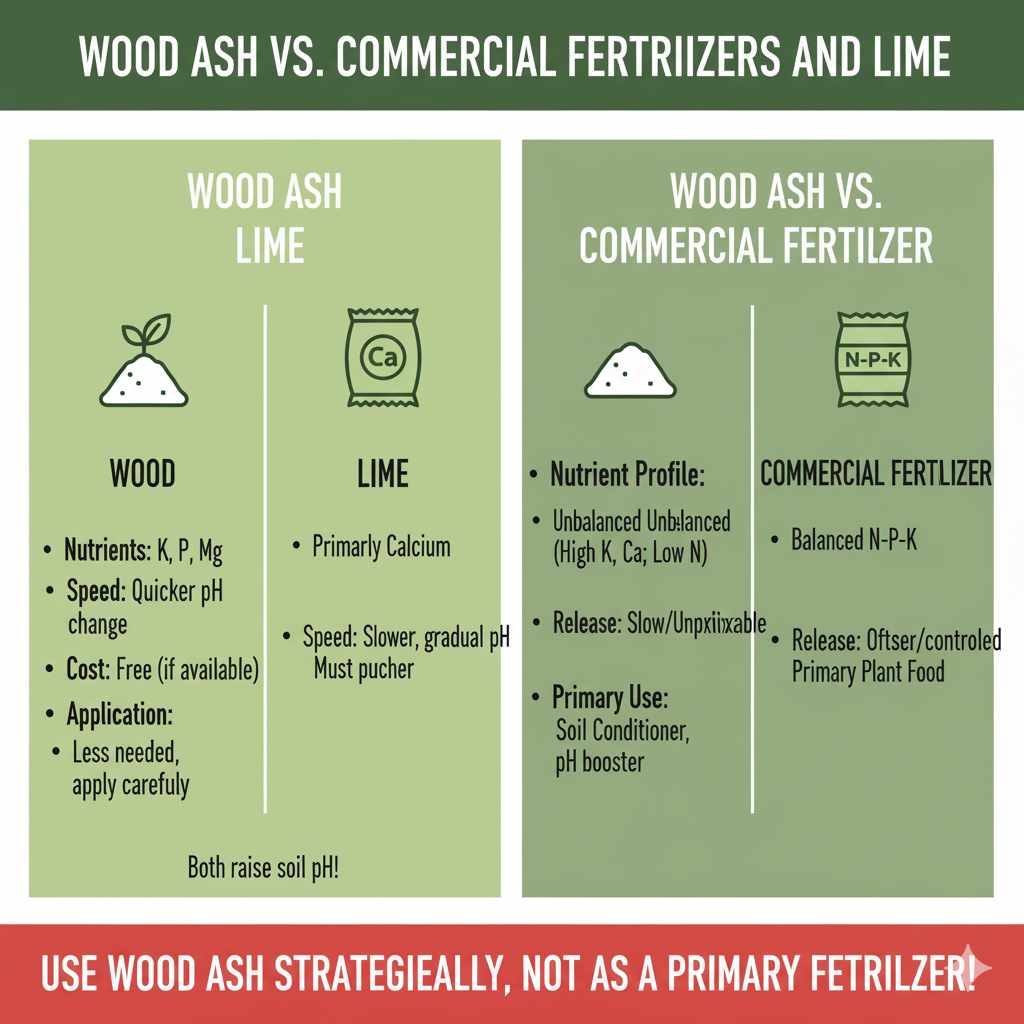
Wood Ash vs. Commercial Fertilizers and Lime
Understanding how wood ash compares to conventional lawn care products can help you make informed decisions.
Wood Ash vs. Lime
Both wood ash and agricultural lime are alkaline and used to raise soil pH. However, there are differences:
- Nutrient Content: Wood ash provides a bit of potassium, phosphorus, and magnesium, whereas most agricultural lime is primarily calcium carbonate and doesn’t offer these added nutrients.
- Speed of Action: Lime typically acts slower and provides a more gradual pH adjustment. Wood ash can have a quicker impact but also carries a higher risk of over-application.
- Cost: Wood ash is essentially free if you have a fireplace or wood stove, while lime needs to be purchased.
- Application Rate: Due to its potency, you need less wood ash than lime to achieve the same pH change, but it must be applied more carefully.
Wood Ash vs. Commercial Fertilizers
Commercial fertilizers are specifically formulated to provide N-P-K (Nitrogen, Phosphorus, Potassium) and micronutrients in balanced ratios.
- Nutrient Profile: Wood ash is generally low in nitrogen and offers phosphorus and potassium in variable amounts. It’s not a balanced fertilizer for promoting lush green growth that requires nitrogen.
- Primary Role: Fertilizers are for feeding the plant, while wood ash’s primary benefit is soil amendment (pH adjustment) with a secondary nutrient contribution.
- Effectiveness: For quick greening and growth, especially nitrogen-dependent growth, commercial fertilizers are far more effective. Wood ash is more about long-term soil health and nutrient availability.
A reputable source like the Michigan State University Extension provides extensive resources on using wood ash correctly as a soil amendment.
Frequently Asked Questions (FAQ)
Q1: Is it safe to put wood ash on my lawn?
Yes, it can be safe and beneficial if done correctly. The key is to use only completely cooled ash from natural, untreated wood and to apply it sparingly. Over-application can harm your lawn.
Q2: How often can I apply wood ash?
Generally, no more than once or twice a year is recommended, typically in the dormant season (late fall/winter) or very early spring. Always follow the dosage guidelines and soil test recommendations.
Q3: What kind of wood ash is best for lawns?
Ash from hardwoods (like oak, maple, hickory) is generally richer in nutrients than ash from softwoods (like pine, fir). Most importantly, ensure the wood was natural and untreated – no paint, stains, or preservatives.
Q4: Will wood ash kill my grass?
Used improperly, yes. Hot ashes will burn grass. Applying too much cold ash can also damage the lawn by making the soil too alkaline or creating a barrier to water and air. When used in small, controlled amounts on acidic soil, it’s beneficial.