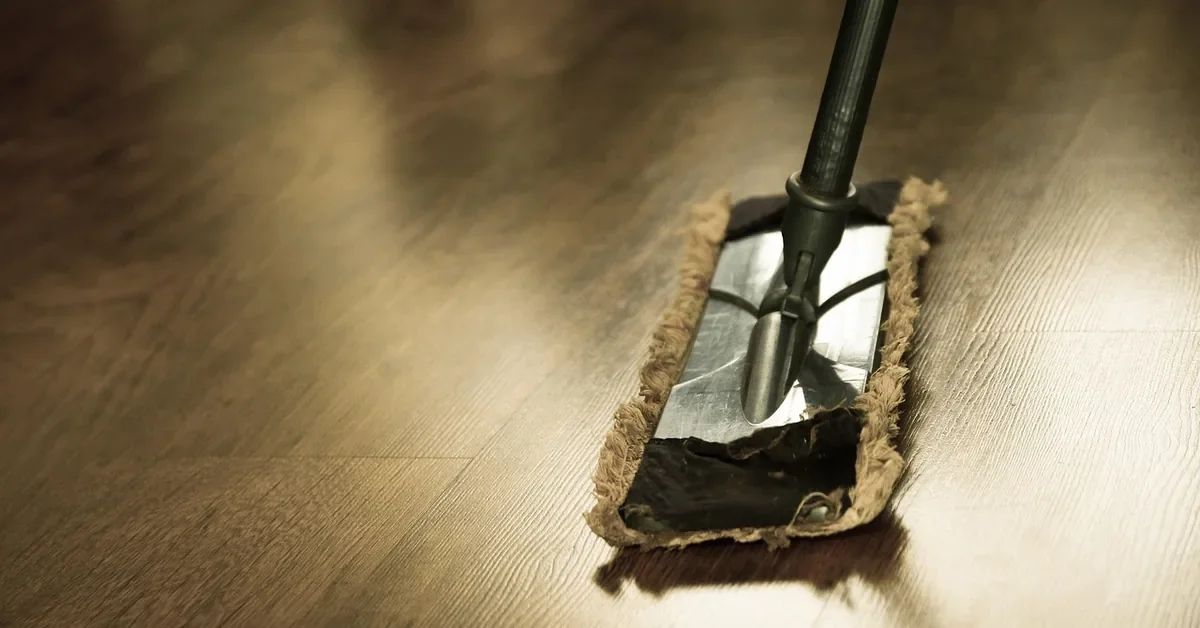
Laminate Floor Sticky After Mopping? Too Much Cleaner Is the #1 Cause
Sticky laminate floors are almost always leftover cleaner residue, not dirt — using too much cleaning solution or skipping the plain-water rinse pass leaves a thin film that grabs dust and feels tacky underfoot. Left alone, that film builds into a cloudy haze that dulls the floor’s finish. This guide covers the real causes, a step-by-step fix, safe long-term maintenance, and when stickiness actually signals damage.
Understanding Why Laminate Floors Get Sticky
Laminate flooring is a multi-layer product with a hard, sealed wear layer on top — it doesn’t absorb liquid the way real wood does, so anything left on the surface just sits there until it’s wiped away or dries into a film. That wear layer is also what traps residue: a cleaner that isn’t fully rinsed, or water that’s high in dissolved minerals, dries into a thin sticky coating instead of evaporating clean.
Most sticky-floor complaints trace back to one of a handful of causes, and they’re almost never about how dirty the floor actually was before mopping.
Common Causes of Sticky Laminate Floors
These are the most common reasons a laminate floor turns sticky after mopping:
- Too much cleaning solution: Concentrated cleaner without enough water to carry it away dries into a tacky film that grabs every speck of dust that lands on it.
- Wrong cleaning product: Cleaners made for tile or hardwood often contain oils, waxes, or soap-based ingredients that laminate wear layers weren’t designed to shed.
- Hard water: Tap water with a high mineral content leaves a chalky, slightly sticky film behind as it evaporates, even with a laminate-safe cleaner.
- Dirty mop or mop water: Once mop water turns cloudy, it stops cleaning and starts redepositing grime evenly across the floor.
- Wax or polish residue: Laminate should never be waxed or polished — these products sit on the surface and build into a sticky layer over repeated applications. If a previous owner did wax the floor, see our guide on removing built-up wax and polish from laminate.
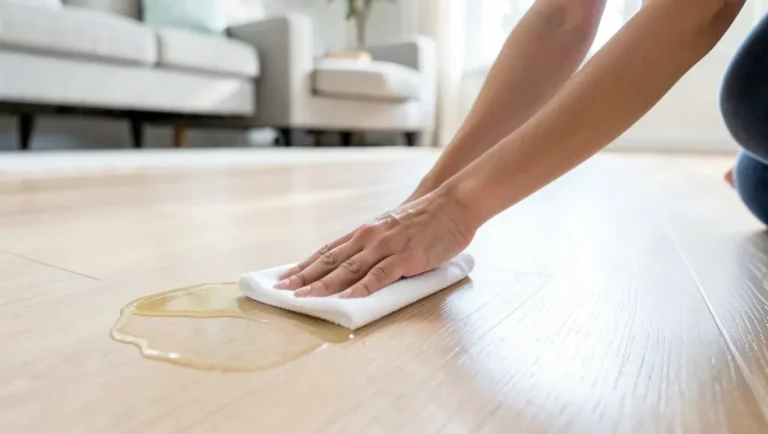
- Unwiped spills: Sugary spills like soda or juice leave a sticky spot if they aren’t cleaned up and rinsed promptly.
📊 The North American Laminate Flooring Association advises never using cleaners that contain ammonia, bleach, oil, wax, or strong alkaline solvents on laminate — these ingredients are the most common cause of the sticky, hazy film homeowners struggle to remove. Source: NALFA Laminate Flooring FAQs, 2026
How to Fix a Sticky Laminate Floor
Fixing a sticky laminate floor almost always comes down to stripping the residue that’s already there, then changing one small habit so it doesn’t come back. Follow these six steps in order.
Step 1: Clear the Floor
Move furniture and rugs out of the way, then sweep or vacuum with a hard-floor setting (no beater bar) to remove loose dust and grit. Mopping over debris just grinds it into the sticky film instead of lifting it.
Step 2: Use the Right Cleaning Solution
Mix 1 gallon of warm water with 1/4 cup of white vinegar, and optionally a few drops of dish soap used sparingly. Vinegar cuts through residue without leaving its own film. If you’d rather use a store-bought cleaner, pick one labeled specifically for laminate and skip anything with wax, oil, or soap-based ingredients — a “multi-surface” cleaner not made for laminate is one of the most common causes of a stickier floor after cleaning, not a cleaner one.
Step 3: Mop Correctly
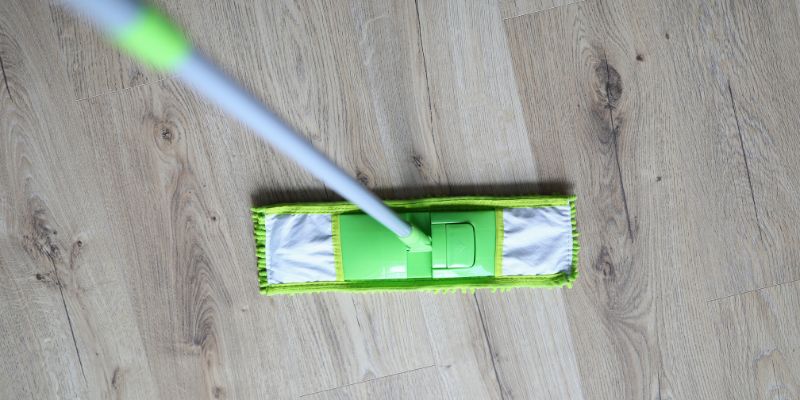
Dip a microfiber mop into the solution and wring it out until it’s barely damp — standing water can seep into the seams between planks. Mop in small sections, following the grain of the floor, and rinse the mop head frequently in clean water so you’re not redistributing dirt.
- Dip a microfiber mop or cloth into the cleaning solution.
- Wring it out until it’s barely damp — laminate does not tolerate standing water.
- Mop in small sections, following the grain of the floor for a streak-free finish.
- Rinse the mop frequently in clean water to avoid spreading residue.
On a very sticky floor, plan to mop twice: once with the cleaning solution to lift the residue, and a second pass to rinse it off. Change the water if it turns cloudy.
Step 4: Rinse with Clean Water
Go over the floor a second time with a mop dampened in plain warm water only — no cleaner. This step removes the leftover cleaning solution that causes stickiness in the first place. Dry the floor immediately afterward with a clean, dry microfiber cloth to prevent water spots or new streaks.
Step 5: Tackle Stubborn Sticky Spots
For spots that stay tacky — old spills or built-up cleaner residue — mix equal parts water and white vinegar in a spray bottle, mist the spot lightly, let it sit for a minute, then wipe with a damp microfiber cloth and dry the area. For a stubborn wax or polish buildup, a tiny amount of rubbing alcohol on a cloth can help; test it in a hidden spot first, since alcohol can dull some laminate finishes.
Step 6: Prevent Future Stickiness
Once the floor is clean, a few habit changes keep it that way:
- Clean spills right away instead of letting them dry into a sticky spot.
- Use a clean mop head and fresh water every time you mop.
- Use a laminate-safe cleaner and follow the dilution instructions on the label — more is not better.
- Place doormats at entrances to cut down on the dirt and grit that gets tracked in.
- Mop on a regular schedule (about once a week for most households) instead of letting buildup accumulate between deep cleans.
Best Cleaning Products for Laminate Floors
Not every “floor cleaner” on the shelf is safe for laminate. The table below separates what actually works from what to leave in the store, based on the ingredients NALFA and laminate manufacturers flag as damaging.
| Cleaner Type | Safe for Laminate? | Why |
|---|---|---|
| pH-neutral laminate-specific spray cleaner | Yes | No-rinse formula, leaves no wax or oil film |
| White vinegar, properly diluted (1/4 cup per gallon) | Yes, in moderation | Cuts residue without leaving a film; overuse can dull finish over time |
| Tile, stone, or “multi-surface” cleaners | No | Often contains wax, oil, or soap that builds a sticky film on laminate |
| Wax, polish, or oil soap | No | Laminate’s factory wear layer never needs waxing — these products cause the exact stickiness this guide fixes |
| Ammonia or bleach-based cleaners | No | Can dull, discolor, or cloud the wear layer |
If you’d rather buy a ready-made cleaner instead of mixing your own vinegar solution, look for a no-rinse formula made specifically for laminate and engineered wood.
Best Laminate Floor Cleaner Pick
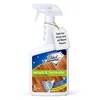 |
Black Diamond Wood & Laminate Floor Cleaner (32 oz) A no-rinse, ready-to-use spray formula — exactly the “laminate-specific cleaner” recommended in the table above instead of a multi-surface product.
|
As an Amazon Associate we earn from qualifying purchases.
Mistakes to Avoid When Cleaning Laminate Floors
Most sticky-floor problems come from one of these habits — avoid them and the fix above tends to stick.
- Using too much water: Excess water can seep into the seams between planks and cause swelling or warping. Always wring the mop out well.
- Using a steam mop: Steam and heat can damage laminate’s protective wear layer and force moisture into the seams, which is why NALFA only approves steam mops on laminate that’s specifically rated waterproof.
- Applying wax or polish: These products build a sticky layer and are difficult to remove — see our wax remover comparison if one’s already been applied. Laminate’s factory finish never needs them.
- Using abrasive tools: Steel wool or harsh scrub pads can scratch the wear layer. Stick to soft cloths or microfiber mop heads.
- Using harsh chemicals: Ammonia, bleach, or acidic cleaners can dull or cloud the finish rather than clean it.
How to Maintain Laminate Floors Long-Term
Keeping laminate floors from turning sticky again is mostly about a simple, repeatable routine rather than any single product:
- Sweep or vacuum weekly to remove dust and grit before it gets ground in.
- Mop with a laminate-safe cleaner every 1-2 weeks, more often in high-traffic areas like kitchens.
- Use felt pads under furniture legs to prevent scratches that trap grime.
- Avoid dragging heavy items across the floor.
- Keep indoor humidity in the 40-60% range to reduce the risk of warping at the seams.
Checking for spills daily in high-traffic rooms like the kitchen catches sticky spots before they set, which is far easier than stripping a floor-wide residue buildup later. For general laminate upkeep beyond stickiness, see our full laminate floor care guide.
Is Sticky Residue Ever a Sign of Deeper Damage?
Sticky residue is a surface-level cleaning problem that wipes away with the steps above. It’s different from swelling, cupping, or discoloration along the seams, which point to actual moisture getting underneath the wear layer rather than sitting on top of it. If a “sticky” spot doesn’t lift after a proper vinegar-and-rinse pass, or the same spot keeps feeling damp or soft, that’s a moisture problem, not a residue problem, and it needs a different fix than more cleaning.
A quick way to tell the difference: residue feels tacky but the floor underneath is completely dry and flat. Moisture damage feels soft, slightly spongy, or shows raised edges at the plank seams — in that case, stop cleaning the spot and address the moisture source first.
“Liquids and steam can damage laminate flooring beyond repair. Never apply cleaning solution directly to the floor — always apply it to the mop, and keep the mop barely damp.”
When to Call a Professional
Most sticky-floor problems resolve with the steps above. Call in a flooring professional if the floor is still sticky after a full cleaning and rinse, if you see warping, cupping, or discoloration along the seams, or if a previous owner’s wax or polish buildup won’t come up with vinegar or rubbing alcohol — specialized floor-stripping tools can remove old wax buildup without damaging the wear layer underneath.
Look for a flooring specialist with laminate experience specifically, since hardwood refinishing techniques (sanding, waxing) can permanently damage a laminate wear layer.
Conclusion
A sticky laminate floor almost always comes down to leftover cleaner, hard water minerals, or an unrinsed wax residue — not dirt. Strip the film with a diluted vinegar solution and a plain-water rinse pass, then switch to a laminate-specific cleaner used sparingly, and the stickiness shouldn’t come back.
Frequently Asked Questions
Why does my laminate floor feel sticky even after cleaning?
Almost always leftover cleaning product residue, hard water minerals, or a cleaner that wasn’t rinsed off with plain water. Go over the floor again with a mop dampened in plain water only, dry it thoroughly, or use a diluted vinegar-water mix to cut through the film.
Can I use vinegar to clean sticky laminate floors?
Yes. Mix 1/4 cup of white vinegar with a gallon of warm water. It’s safe and effective at cutting through sticky residue without damaging the wear layer when properly diluted. Don’t use it undiluted — full-strength vinegar is acidic enough to dull the finish over time.
Is it okay to use a steam mop on laminate floors?
No, not on standard laminate. Steam heat can damage the protective wear layer, and the moisture can seep into the seams and cause warping. NALFA only approves steam mopping on laminate specifically rated waterproof or water-resistant — stick to a barely-damp microfiber mop otherwise.
How often should I mop my laminate floors?
Roughly every 1-2 weeks for most rooms, and weekly for high-traffic areas like kitchens. Regular sweeping or vacuuming between mopping sessions reduces how much residue builds up each time you do wet-clean the floor.
What’s the best cleaner for laminate floors?
A no-rinse cleaner labeled specifically for laminate, or a properly diluted white vinegar solution if you’d rather not buy one. Avoid anything containing wax, oil, ammonia, or bleach, since those ingredients are what cause the sticky film in the first place.
Can sticky laminate floors be a sign of damage?
Usually stickiness is just residue, not damage. But if the spot also feels soft or spongy, or the seams nearby look raised or discolored, that points to moisture getting under the wear layer rather than sitting on top of it. In that case, stop cleaning the spot and call a flooring professional instead.
Do I need a laminate-specific cleaner, or is diluted vinegar enough?
Diluted vinegar (1/4 cup per gallon of water) is enough for routine cleaning and won’t leave a sticky film. A dedicated no-rinse laminate cleaner is a convenience upgrade, not a necessity — it saves mixing a solution each time, but both approaches avoid the wax, oil, and soap residues that cause stickiness.
Sponsored / affiliate links. As an Amazon Associate I earn from qualifying purchases. I may earn additional commission from eligible campaigns.