Lenox Band Saw Blades: TPI Guide, Blade Types & Buying Tips
Lenox is one of the few brands that makes both the bi-metal blades most home bandsaws ship with and the carbide-tipped blades used on production saws, so “which Lenox blade” usually matters more than “should I buy Lenox.” The short answer: for general wood, aluminum, and mixed-material cutting, the Diemaster 2 bi-metal line covers almost everyone; for high-volume or abrasive material, the carbide-tipped Tri-Master line lasts longer but costs more. The rest of this guide covers the TPI, length, and width numbers you actually need to order the right one.
Lenox Band Saw Blade Lines Explained
Best All-Around Lenox Blade
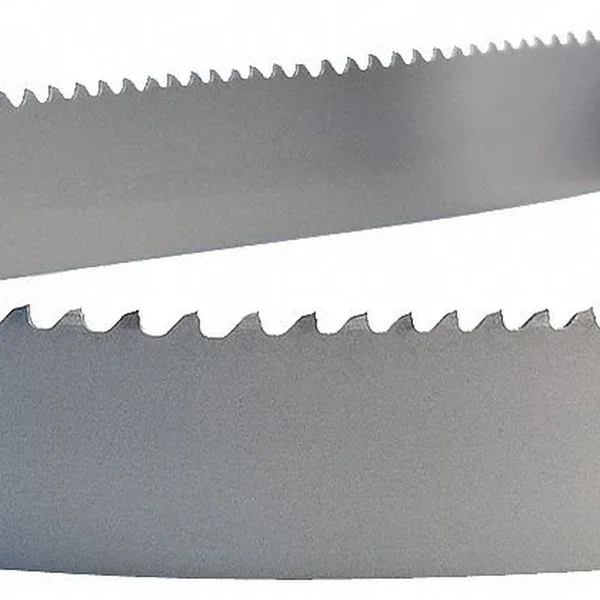 |
Lenox Diemaster 2 Bi-Metal Band Saw Blade, 14-18 TPI – $32.20 The vari-tooth bi-metal blade this guide recommends as the default general-purpose choice for wood, aluminum, and mixed-material cutting.
|
Lenox has made band saw blades since the 1940s and is generally credited with bringing the first bi-metal band saw blade to market in 1961 – before that, shops used all-carbon-steel blades that dulled quickly on anything but wood. That history is why the bi-metal construction is still the core of the product line today.
Diemaster 2 is the blade most woodworkers end up with. Its teeth are edge-welded M-42 cobalt high-speed steel onto a flexible alloy-steel backing, so the cutting edge resists heat and wear while the body stays flexible enough to spool around a bandsaw’s wheels. It cuts wood, aluminum and other non-ferrous metals, carbon steel, alloy steel, tool steel, structural steel, and stainless steel, which is why it works as a single “shop blade” even if you occasionally cut something other than wood. Lenox rates bi-metal blade life at roughly 6x a plain carbon-steel blade under the same conditions.
Tri-Master is the carbide-tipped step up. Carbide holds an edge far longer than bi-metal in abrasive material (reclaimed lumber with embedded grit, resinous or case-hardened stock) or in high-volume shops running a saw most of the day. It costs several times more per blade than Diemaster 2, so it only pays for itself once you’re replacing bi-metal blades often enough that the downtime and blade cost add up.
Unless you already know a job needs carbide, start with Diemaster 2 – it is the more forgiving, cheaper option and covers the material range most home and small-shop bandsaws actually see. If you specifically need a blade tuned for cutting metal stock, see our comparison of the best bandsaw blades for metal, where a Lenox blade is the top overall pick.
How to Choose the Right TPI
TPI (teeth per inch) is the number that actually determines whether a blade cuts cleanly or binds and stalls, and it depends on material thickness, not the material itself:
- 2-4 TPI (coarse): resawing thick boards or cutting stock over about 2 inches. Big gullets between teeth clear chips fast so the blade doesn’t clog and overheat.
- 6-10 TPI (medium): general-purpose woodworking on 3/4-inch to 2-inch stock – the range most Diemaster 2 blades sold for home bandsaws fall into.
- 14-18 TPI (fine/vari-tooth): thin stock, plastic, or metal. The rule of thumb is at least 3 teeth should be in contact with the material’s cross-section at all times; fewer than that and individual teeth can catch and strip out on thin or hard material.
Vari-tooth (variable-pitch) blades like the 14-18 TPI Diemaster 2 split the difference by mixing tooth spacing along the same blade, which cuts smoother and quieter than a fixed pitch without needing to swap blades for slightly different stock thicknesses.
Matching Blade Length and Width to Your Saw
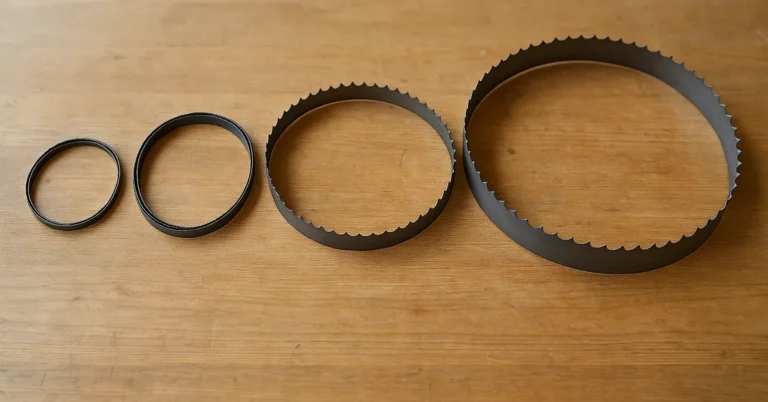
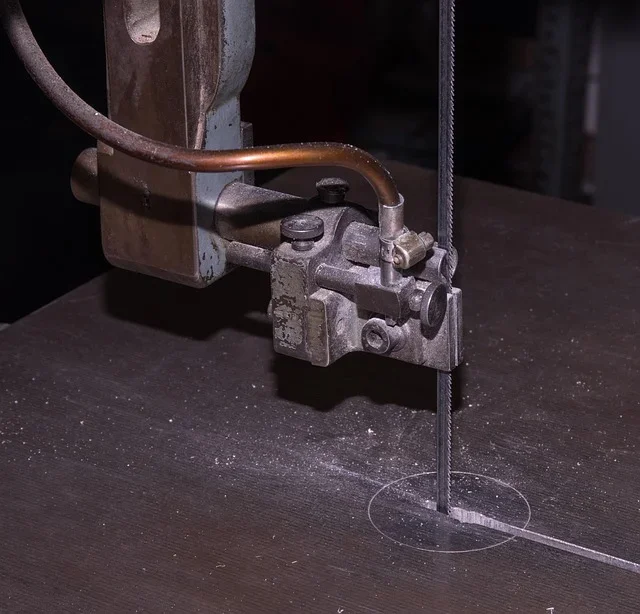
Blade length is fixed by your saw, not your material: a standard 14-inch bandsaw typically runs a 93-1/2 inch blade, or 105 inches once a 6-inch riser block is added for extra resaw height. Check your saw’s manual or the length stamped on the old blade before ordering – a blade that’s off by even half an inch won’t seat on the wheels correctly.
Width is limited by your saw’s wheel size and blade guides, not by preference. Most 14-inch home bandsaws handle anywhere from 1/8 inch (tight scroll and curve cutting) up to 3/4 inch (straight-line resawing), with 1/2 inch being the common all-around width. Going wider than your guides are rated for will bind; going narrower than necessary just gives up straight-cutting stability you didn’t need to lose.
For a broader rundown of blade options across brands, not just Lenox, see our guide to the best bandsaw blades for woodworking.
Maintenance That Actually Extends Blade Life
Most premature blade failures trace back to tension and buildup, not the blade itself:
- Check tension, don’t guess it. A properly tensioned blade should deflect only about 1/4 inch under light thumb pressure between the guides. Too loose and the blade wanders and cuts crooked; too tight and it stresses the weld and wheel bearings.
- Clean pitch and resin buildup regularly with a blade-and-bit cleaner or mineral spirits on a rag – a gummed-up blade cuts hotter and dulls faster because the resin insulates the teeth instead of letting them shed heat.
- Don’t force the feed rate. Pushing stock through faster than the TPI and material can handle strips teeth instead of cutting cleanly; let the blade set the pace.
- Store spare blades coiled loosely with a light coat of oil if they’ll sit for more than a few weeks, to keep surface rust off the high-speed-steel teeth.
Frequently Asked Questions
What makes Lenox band saw blades different from cheaper blades?
Lenox’s core Diemaster 2 line uses bi-metal construction: M-42 cobalt high-speed-steel teeth edge-welded onto a flexible alloy-steel backing, a design Lenox is generally credited with bringing to market in 1961. Lenox rates this construction at roughly 6x the life of a plain carbon-steel blade, which is the main reason it costs more up front but usually less per cut over time.
What TPI should I use for woodworking versus metal?
Use 2-4 TPI for resawing thick boards, 6-10 TPI for general woodworking on 3/4-inch to 2-inch stock, and 14-18 TPI (often a vari-tooth blade) for thin material or metal. The goal is always to keep at least 3 teeth in contact with the material’s cross-section so teeth don’t catch and strip.
How do I pick the correct length and width for my saw?
Length is fixed by your bandsaw’s wheel spacing, not your project – a standard 14-inch saw typically takes a 93-1/2 inch blade, or 105 inches with a 6-inch riser block installed. Width is limited by your wheels and blade guides; most 14-inch saws run anywhere from 1/8 inch for tight curves up to 3/4 inch for resawing, with 1/2 inch as the common all-around choice. Check your owner’s manual or the old blade’s stamped size before ordering.
How long should a Lenox blade last, and how do I make it last longer?
Life varies widely with material and use, but bi-metal Diemaster 2 blades are built to significantly outlast carbon-steel blades under the same conditions. The biggest factors you control are correct blade tension (it should deflect about 1/4 inch under light thumb pressure), keeping pitch and resin buildup cleaned off, and not forcing the feed rate faster than the TPI can handle.
Conclusion
For most home and small-shop bandsaws, a Diemaster 2 bi-metal blade in the TPI and length that matches your saw and material covers the job; step up to Tri-Master carbide only once you’re cutting abrasive material or replacing blades often enough that the extra cost pays for itself. Get the TPI and length right and a Lenox blade should outlast a comparable carbon-steel blade by a wide margin.
Sponsored / affiliate links. As an Amazon Associate I earn from qualifying purchases. I may earn additional commission from eligible campaigns.