3 Best Glues for Crafts (2026): based on specs and reviews
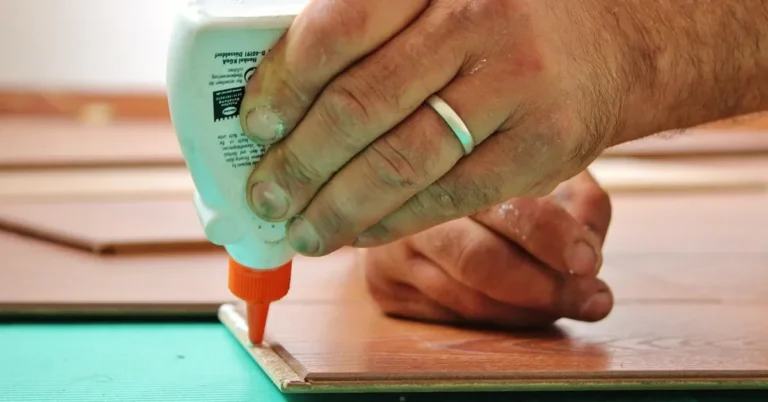
For most wood-to-paper and wood-to-cardboard craft jobs, I reach for PVA first. It grabs porous stock well, dries clear, wipes up with water, and gives enough open time to line up parts before clamping or weighting.
Quick comparison
| Product | Badge | Best for | Price | ||
|---|---|---|---|---|---|
 |
Aleene’s Original Tacky Glue, All Purpose Adhesive, PerfectAleene’s | Our pick | Gallon size, nontoxic, versatile craft glue | $38.99
Price as of 26 Sep 2026
|
View |
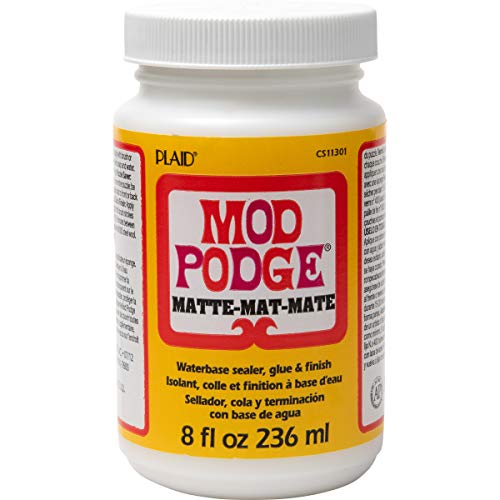 |
Mod Podge Matte Sealer, Glue & Finish: All-in-One CraftMod Podge | Also great | Matte sealer, glue & finish | $3.99
Price as of 26 Sep 2026
|
View |
 |
E6000 Premium Industrial Strength Contact Adhesive –E6000 | Upgrade pick | Industrial strength, waterproof contact adhesive | $9.99
Price as of 26 Sep 2026
|
View |
 |
Beacon 3-in-1 Advanced Craft Glue for Wood and Fabric, 4 ozBeacon | Pair with it | 3-in-1 craft glue for wood/fabric | $9.23
Price as of 26 Sep 2026
|
View |
 |
Aleene’s Tack-It Over & Over Liquid Glue 4 fl oz,Aleene’s | Budget pick | Repositionable and removable liquid glue | $5.49
Price as of 26 Sep 2026
|
View |
PVA is my general shop glue for craft work, hot glue is the speed tool, and epoxy is the pick when the joint has to carry load. CA works best on tiny contact points, while contact cement fits flat laminations that need full-area contact right away.
How we chose
I based this on how each adhesive acts on porous paper, cardboard, bookboard, basswood, and balsa. I look at warp risk, edge control, set time, cleanup, finish quality, and whether the joint is temporary, decorative, or structural.
Cardboard types matter. Corrugated board can crush at the edge, chipboard and bookboard can delaminate if over-wet, and thin paperboard can curl fast if the adhesive is too wet or spread too heavily.
For model work, the useful question is often not “what is the strongest glue?” but “what glue fits this substrate, this joint size, and this drying window?”
PVA glue: best for general craft assembly
PVA is often my default for thin paper to basswood, chipboard skins, and many cardboard-to-wood joints when I can wait for drying time. It is water-based, bonds porous materials well, dries clear, and is easy to brush or spread thinly.
Its main drawback is moisture. On thin paperboard, a heavy coat can cause curl, bleed-through, or edge lift. Clamp or weight the parts evenly across a flat surface, use a light coat, and let the joint dry fully before handling.
For bookboard or cardboard skins, PVA works best when both faces are flat and the glue film stays thin. If the sheet is delicate, I size the surface first with a very light coat and let that tack off before the final bond.
Hot glue: best for fast mockups
Hot glue fits quick mockups, temporary joins, and parts that need immediate grab. I use it when a model has to stand up right away, or when the joint geometry makes clamping awkward.
The downside is visible bulk. The bead can hold parts off the surface, and hot plastic can crush thin cardboard edges or soften foam-backed pieces. It is fast, but it is rarely the cleanest choice for fine models.
For cardboard to dowel joints, hot glue can bridge gaps well if the fit is rough. For paper skins, it is a poor choice unless the bond area is hidden and the heat will not distort the sheet.
CA glue: best for small contact points
Cyanoacrylate is the right pick for tiny attachment points, edge repairs, and small model parts with little contact area. It cures fast, grabs porous wood well, and can be useful when a part must stay put without long clamping.
The drawback is brittleness. A brittle joint is fine for trim and small brackets, but it is a weak fit for flexing assemblies or large porous joints. Thin CA can also wick into cardboard fibers and leave dark soak marks.
Use medium CA when the fit is slightly open and thin CA only when the joint is tight and controlled. Too much adhesive creates hard ridges, glossy stains, and a joint that can snap under twist.
Epoxy: best for load-bearing miniatures
Epoxy is often the strongest all-around option for load-bearing craft joints, mixed-material assemblies, and parts that need some gap filling. It suits dowels, supports, miniature frames, and joints that may be stressed after cure.
The drawback is time and cleanup. It cures slower than the other choices here, and excess epoxy can soak into paperboard edges or leave shiny blobs if it is not controlled. Hold parts under even pressure while it sets.
For cardboard and wood, epoxy works best where the bond line is hidden or the joint needs strength more than neatness. It is not the best choice for fast paper skins or anything that must stay perfectly flat with no squeeze-out.
Contact cement: best for laminating flat sheets
Contact cement is often a good fit for bookboard laminations, broad flat-to-flat bonds, and paperboard skins that need full-area contact. It is made for surfaces that can be coated, allowed to dry tacky, and then pressed once.
The drawback is that repositioning is limited. Once the faces meet, they tend to grab where they land. Misalignment, trapped bubbles, and uneven pressure can leave weak areas or visible ridges.
For large flat work, it gives a cleaner result than blobs of hot glue or over-wet PVA. It is less forgiving, though, so the layout must be accurate before the parts touch.
Can you glue wood to paper or cardboard?
Yes, wood can be glued to paper or cardboard in many craft cases, and the best choice depends on board type, wood species, joint size, and whether the piece must stay flat or carry load. PVA is the usual first pick for light models because it is forgiving and cleans up easily.
Paper, cardboard, and bookboard are porous, so they can drink in adhesive fast. That means too much glue can soak through, telegraph to the face, or warp a thin sheet before the bond has time to set.
For basswood or balsa, the porous grain usually bonds well with PVA, CA, or epoxy depending on the joint size. For corrugated cardboard, edge crush and flute collapse matter more, so a spread-out bond is safer than a tiny point load.
Best rule for the first try
If the bond is flat, light, and visible, start with PVA. If it is tiny and needs instant grab, use CA. If it must hold weight, use epoxy. If it is a large laminate, contact cement is often cleaner than a wet glue.
What is the best glue for wood and cardboard models?
The best glue for wood and cardboard models is usually PVA for general assembly, contact cement for flat laminations, CA for tiny parts, and epoxy for structural joints. The right answer changes with the substrate, because bookboard, corrugated board, and basswood fail in different ways.
For a model with skins, frames, and hidden supports, the adhesive mix often matters more than one universal glue. A shell may benefit from contact cement, while a bracing joint may need epoxy and a decorative trim may only need a small CA tack.
If the model must stay neat, PVA is often the safest place to begin. If the model must be handled soon after assembly, hot glue or CA can save time, but both trade away finesse.
Scenario-based pick
- Paper skin to wood frame: PVA.
- Flat bookboard laminate: contact cement.
- Tiny trim or repair: CA.
- Weight-bearing support: epoxy.
- Fast mockup: hot glue.
Does PVA glue work on cardboard and wood?
Yes, PVA glue works well on cardboard and wood because both are porous and let the adhesive key into the surface. It is a common general-purpose craft choice, dries clear, and gives enough working time for alignment before the pieces are weighted or clamped.
The main limit is water content. Thin paperboard can warp if the coat is heavy, and bookboard can swell or delaminate if it is saturated. A thin, even film is better than a thick puddle.
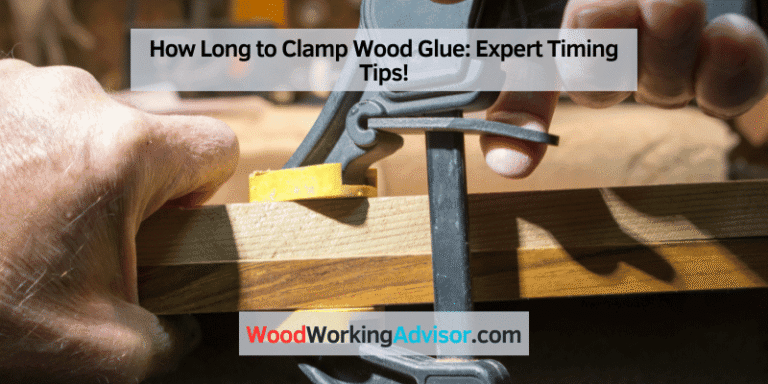
For best results, spread the glue thinly on one face, mate the parts, and apply even pressure with a clamp or weight. Overnight drying is safer than guessing, especially on larger panels.
When PVA is the right fit
PVA is the strongest choice when the joint is broad, porous, and not under immediate load. It is also the easiest adhesive to clean from faces and edges, which matters on painted paper or printed stock.
Is hot glue good for gluing wood to cardboard?
Hot glue is good for wood to cardboard when speed matters more than finish quality. It grabs fast, fills some gaps, and works well for quick mockups or temporary assemblies that need to be handled right away.
Its weak points are bulk and heat. The bead can leave a lump at the joint line, and hot adhesive can crush thin cardboard edges or soften foam-backed card. It is less suited to visible model work where a clean seam matters.
For dowels, braces, and hidden tabs, hot glue can be practical. For thin paper skins or bookboard faces, a wet glue or contact cement usually gives a flatter result.
Best use and worst use
Best use: hidden joints, rough mockups, and parts that need an instant hold. Worst use: thin edges, decorative seams, and anything that must stay perfectly flat without squeeze-out.
What glue dries strongest for paper to wood crafts?
Epoxy usually dries strongest for paper to wood crafts, especially when the joint has to bear load or resist twist. CA can be very strong at a tiny contact point, but it is brittle. PVA is often strong enough for light craft work, with better handling and cleanup.
Strength is not the only variable. A joint can be strong and still fail the project if it warps paper, leaves a visible ridge, or cures too slowly for the build schedule. That is why the “strongest” glue is not always the best one.
For flat paper skins, contact cement can outperform a wet glue in practical use because it spreads load across the full area. For small supports or brackets, epoxy is the safer choice.
Strongest by job
For structural miniatures, epoxy. For tiny rigid points, CA. For broad laminations, contact cement. For general paper-to-wood assembly, PVA is usually the best balance of strength, control, and finish quality.
How do you stop cardboard from warping when gluing wood?
Stop cardboard from warping by using thin glue coats, even pressure, and careful dry-time planning. The board moves when one face gets wetter than the other, so the fix is to keep adhesive spread light and balance pressure across the whole panel.
Clamp or weight the assembly flat while it cures. That matters on chipboard and bookboard, which can bow or delaminate if one edge gets overloaded with glue or dries faster than the rest of the sheet.
If the cardboard is thin, size the surface first with a light coat, let it dry, then apply the final bond. That reduces soak-in and keeps the sheet from drinking in too much moisture at once.
Practical anti-warp steps
- Use a thin, even glue film.
- Apply adhesive to one side only when possible.
- Weight the part on a flat surface.
- Use scrap boards to protect edges under the clamp.
- Let the assembly dry fully before trimming.
Should I seal cardboard before gluing wood to it?
Seal cardboard before gluing wood to it when the board is very thin, printed, highly absorbent, or likely to warp from moisture. A light seal reduces glue soak-in, helps control edge fuzz, and keeps the face from telegraphing adhesive stains.
Do not seal every job by default. Over-sealing can reduce grab if the surface becomes too slick, and some laminations bond better when the substrate remains slightly porous. The decision should follow the adhesive and the board type.
For bookboard and chipboard, a light sizing coat can help. For corrugated board, sealing the edges is often more useful than soaking the face, because the flutes drink glue quickly and can distort.
When sealing helps most
It helps on printed paper, thin paperboard, and any visible face where bleed-through would ruin the finish. It helps less on rough structural work where a little soak-in is acceptable and the hidden joint benefits from a deeper mechanical key.
What glue works best for miniature models and dioramas?
PVA works best for most miniature models and dioramas, with CA for tiny parts and epoxy for supports or load points. Miniature work usually needs controlled glue lines, low visibility, and enough open time to align small parts without panic.
For paperboard walls and basswood framing, PVA gives the cleanest everyday result. For railings, figures, and tiny trims, CA is faster. For base supports, posts, and mixed-material joints, epoxy is the safer pick.
Hot glue can help in hidden build-up areas, but it often looks bulky at scale. Contact cement is excellent for flat facings and skins, provided the layout is accurate before the pieces meet.
Best glue by miniature task
Walls and floor panels: PVA. Tiny details: CA. Support posts or load-bearing bases: epoxy. Flat skins or planked panels: contact cement. Quick mockups: hot glue only when appearance is secondary.
How long should wood glue dry on cardboard?
Wood glue on cardboard should be held under pressure until it has grabbed, then left to dry fully before handling. Thin joints may feel set in an hour or two, but larger pieces often need much longer because porous board can hold moisture in the fibers.
For model work, a safe rule is to clamp or weight the part until the glue no longer shifts, then leave it alone until it is fully cured. Overnight is the safer choice for broad panels, bookboard, or any joint with visible edge finish.
Dry time depends on glue thickness, airflow, and how absorbent the board is. If the part still feels cool or flexible, it has not finished drying.
Practical timing rule
Small, tight joints may be ready sooner. Broad laminations, thick cardboard, and anything glued under stress should be left longer, especially if the assembly will be trimmed, painted, or sanded after cure.
What is the best glue for porous materials like paper and wood?
The best glue for porous materials like paper and wood is usually PVA for general work, because it wets the fibers, dries clear, and is easy to control. For faster bonds on small areas, CA works well. For the strongest stressed joints, epoxy is the better choice.
Porous materials are simple to bond and easy to overload. They absorb adhesive quickly, so the failure mode is often not lack of stick but too much glue, which can starve the joint at one edge and flood another.
The best approach is to match the glue to the job and use only enough to wet the surfaces. A clamp or weight helps keep the contact tight while the adhesive cures.
Which one should you buy?
If you want one glue for most beginner craft builds, buy PVA. It is the safest general choice for paper-to-wood and cardboard-to-wood assembly, and it gives enough working time to fix alignment mistakes before the bond sets.
If speed matters most, choose hot glue, but expect bulky joints and more cleanup. If your parts are tiny, CA is better. If the model must carry load, epoxy is the stronger pick. If you are laminating flat sheets, contact cement is the cleanest fit.
For budget buyers, a single bottle of PVA covers the widest range. For finish quality, keep contact cement for flat skins and CA for small details. For later adjustment or disassembly, use a repositionable adhesive instead of a permanent bond.
Sponsored / affiliate links. As an Amazon Associate I earn from qualifying purchases. I may earn additional commission from eligible campaigns.