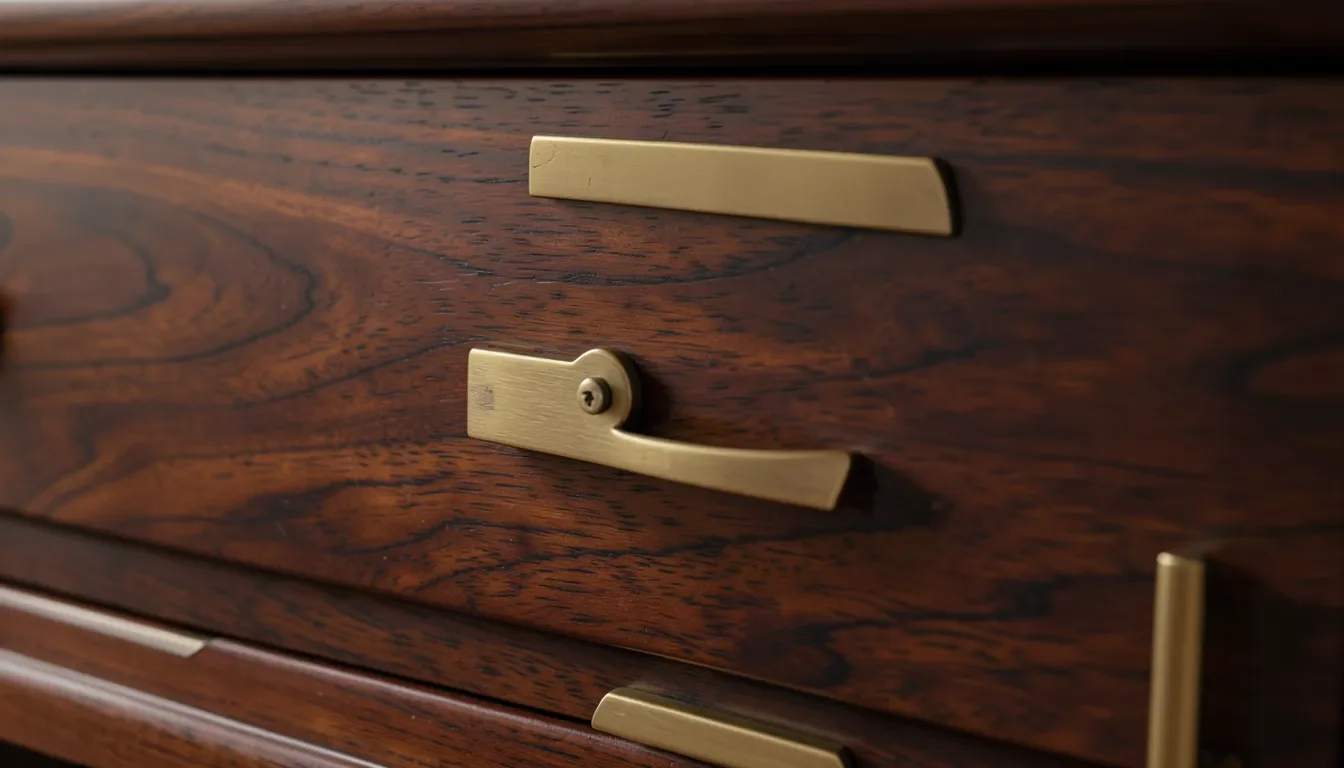
Mahogany Wood Caskets: Solid vs. Veneer, and What They Actually Cost
Mahogany caskets are a premium hardwood option, typically priced from around $2,500 for veneer construction over a composite substrate up to $8,000 or more for solid mahogany with detailed joinery and hardware. The construction type — solid wood versus veneer — is the single biggest factor in both price and long-term durability, and it’s not always made obvious in a funeral home’s presentation.
Solid Mahogany vs. Veneer Construction
A solid mahogany casket is built from genuine hardwood panels throughout, while a veneer casket uses a thin real-mahogany layer bonded over a composite or particleboard core — both can look nearly identical from the outside, but they differ significantly in weight, cost, and structural solidity. Veneer construction is a legitimate, widely-used approach in the funeral industry, not a lesser product by default, but it’s reasonable to ask directly which construction a specific casket uses rather than assuming from appearance alone.
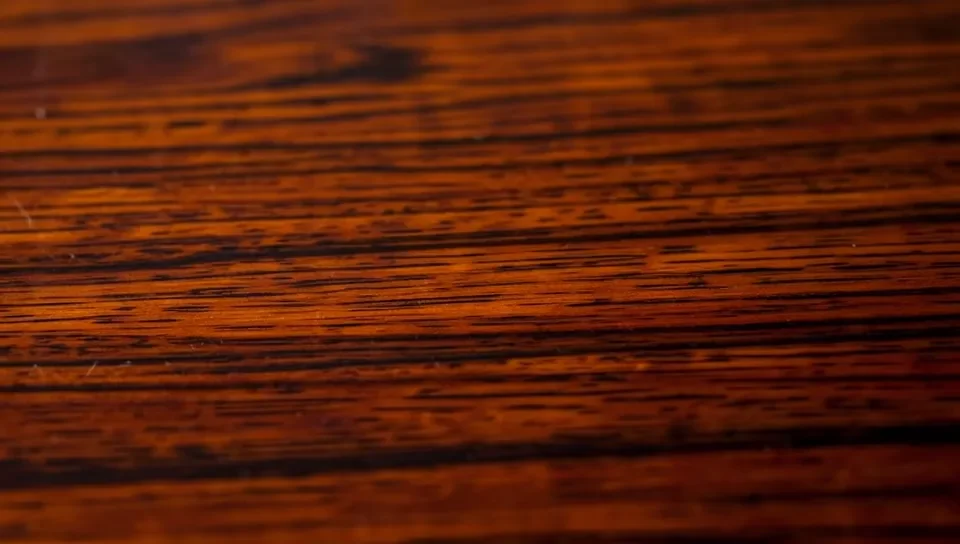
African vs. Genuine Mahogany, in This Context
As with furniture, most “mahogany” caskets use African mahogany rather than CITES-restricted genuine Honduran mahogany, and this is a normal, reasonable substitution rather than something to be concerned about — both are real hardwoods with similar appearance and durability for this purpose. The wood species itself has little bearing on a casket’s dignity or quality; construction, joinery, and finish matter more.
The FTC Funeral Rule: You’re Not Required to Buy From the Funeral Home
Under the FTC’s Funeral Rule, funeral homes in the United States are legally required to accept a casket purchased from an outside retailer without charging a handling fee for doing so, and they must provide an itemized general price list on request. This is a real, often underused consumer right — independent and online casket retailers frequently price the same general quality of mahogany casket meaningfully lower than a funeral home’s in-house selection, and comparing both is a legitimate way to manage cost during an already difficult time.
What Actually Drives Cost Beyond Species
Beyond solid-vs-veneer construction, hardware quality (brass versus plated finishes), interior lining material, corner and joinery detail, and finish quality all affect price within the mahogany category itself. Two mahogany caskets can differ by thousands of dollars based on these factors alone, which is why comparing an itemized price list — not just “mahogany” as a single line item — is the more useful way to evaluate options.
Frequently Asked Questions
How much does a mahogany casket typically cost?
Roughly $2,500 for veneer construction up to $8,000 or more for solid mahogany with detailed joinery and hardware. Construction type is the biggest factor in this range.
Am I required to buy a casket from the funeral home?
No. The FTC’s Funeral Rule requires funeral homes to accept a casket purchased elsewhere without a handling fee, and to provide an itemized price list on request.
Is a veneer mahogany casket lower quality than solid mahogany?
Not necessarily lower quality, but it is a different construction with less structural solidity and typically a lower price. It’s a legitimate, widely-used option, not an inferior one by default.
Conclusion
Understanding the real difference between solid and veneer construction, and knowing that outside casket purchases are a legal right under the FTC Funeral Rule, are the two most practically useful things to know when considering a mahogany casket. Comparing an itemized price list is a more reliable way to evaluate options than the species name alone.
Sponsored / affiliate links. As an Amazon Associate I earn from qualifying purchases. I may earn additional commission from eligible campaigns.