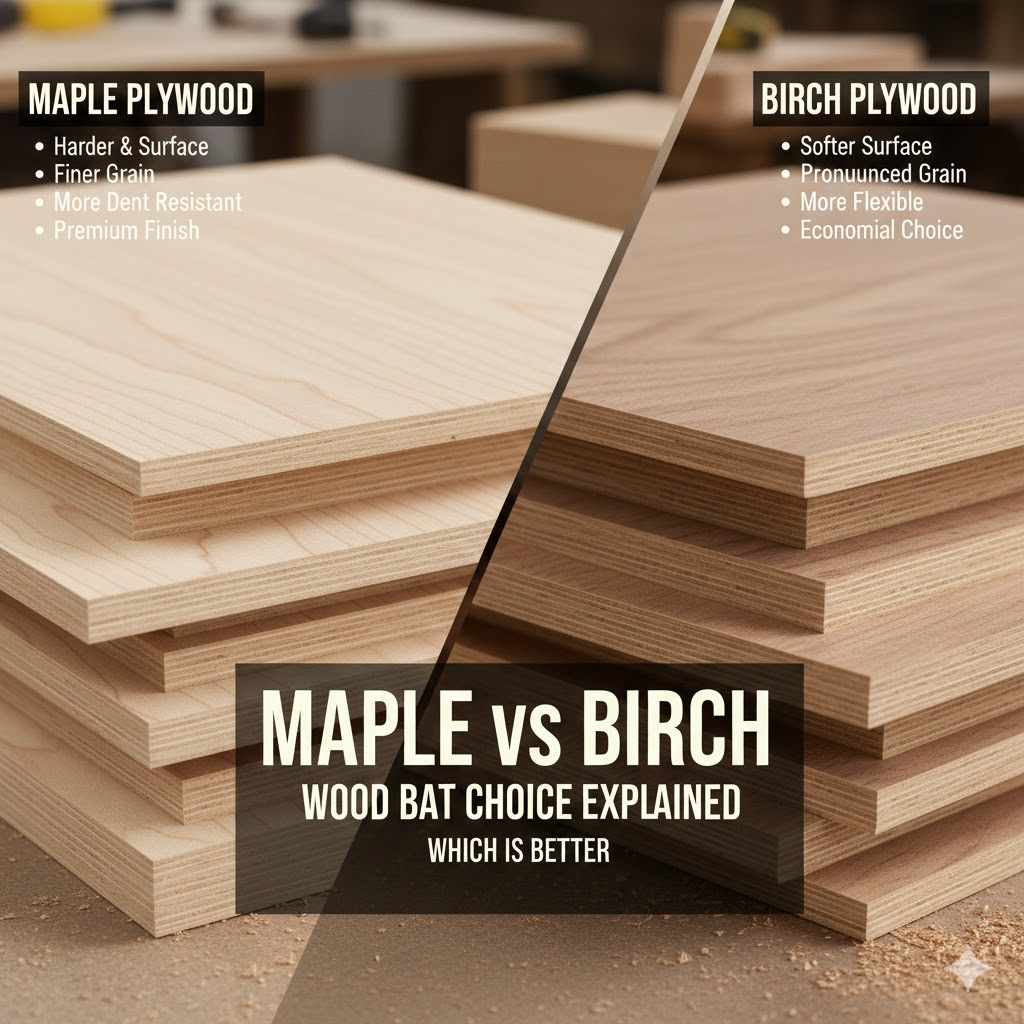
Maple Plywood vs Birch Plywood Which Is Better
Picking the right plywood can feel a bit tricky, especially when you’re just starting out. Two popular choices often come up: maple plywood and birch plywood. Deciding between Maple Plywood vs Birch Plywood: Which Is Better?
can lead to some head-scratching. Don’t worry, though! This guide will make it super simple.
We’ll break it down step-by-step so you can choose the best wood for your next project with confidence. Let’s figure this out together.
Understanding Wood Plywood Types
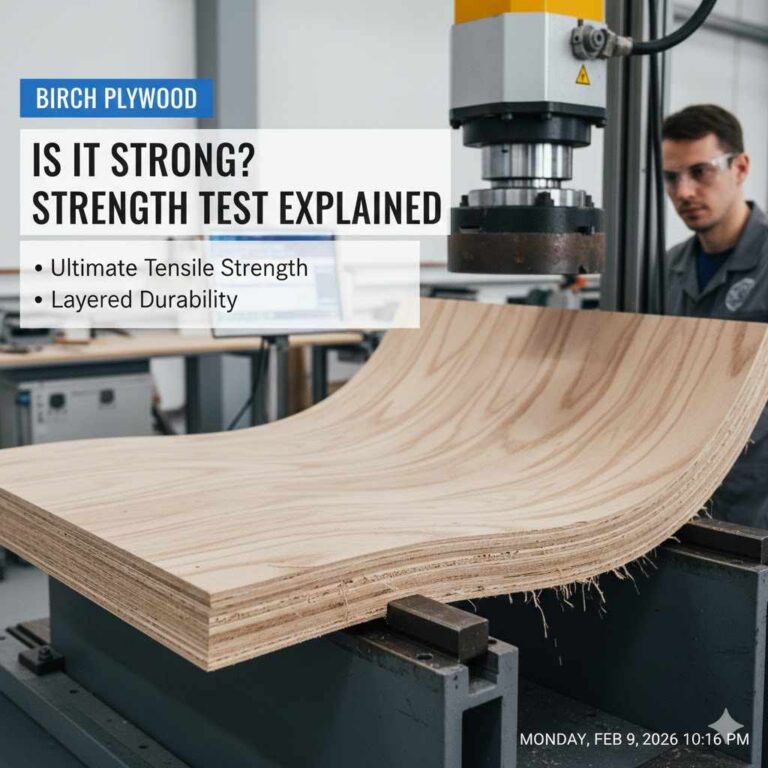
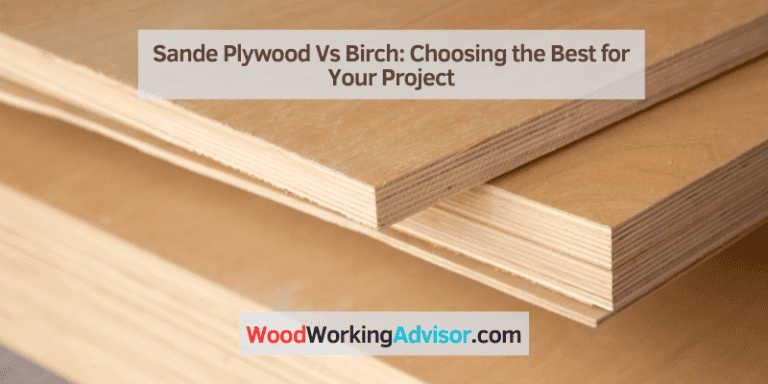
Plywood is a wood product made from thin layers, or “plies,” of wood veneer that are glued together. Each layer is usually laid with its grain running in a different direction from the one below. This cross-graining makes plywood stronger and more stable than solid wood of the same thickness.
It also helps prevent wood from shrinking, swelling, or cracking. When we talk about maple plywood and birch plywood, we’re referring to the type of wood used for the face veneers (the outer layers) and often the core. The type of wood greatly affects the look, strength, and cost of the plywood.
Maple and birch are both hardwood species. This means they are denser and stronger than softwood species like pine. Hardwood plywood is generally preferred for furniture, cabinetry, and high-quality finishes because of its durability and smooth surface.
Understanding the basic structure of plywood helps us appreciate why different wood types lead to different properties. The arrangement of the plies is standardized, but the material of those plies makes a big difference.
The main reason people ask about Maple Plywood vs Birch Plywood: Which Is Better? is that both are excellent options and often appear very similar at first glance. They are both hardwoods, known for their strength and fine grain. However, subtle differences in their properties, appearance, and cost can make one a better fit for a specific job than the other.
This guide aims to clear up those differences so you can make an informed decision without feeling overwhelmed.
What Is Maple Plywood
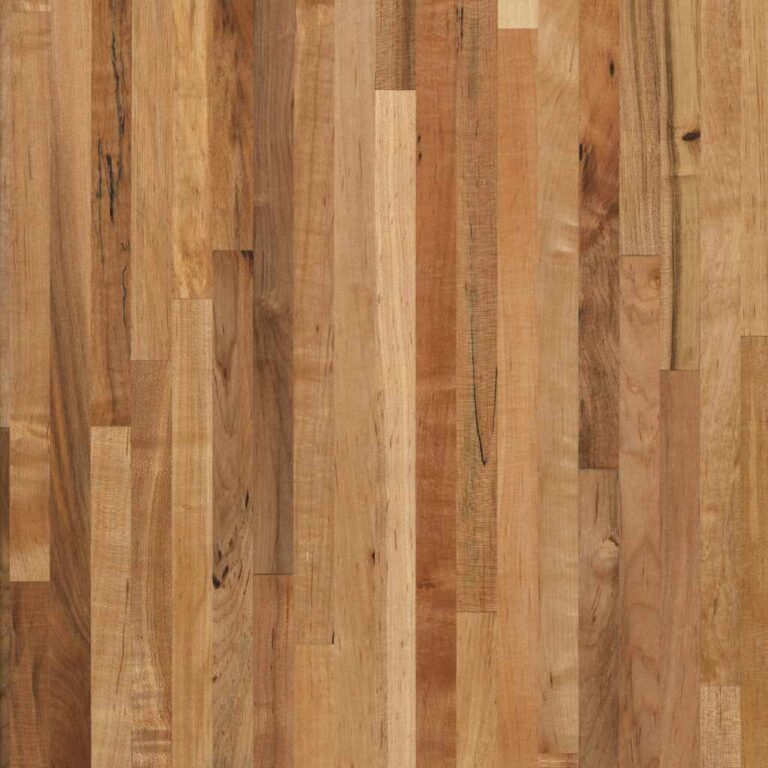
Maple plywood is a type of hardwood plywood where the face veneers are made from maple wood. Maple is a dense, strong hardwood known for its light color and fine, even grain. This combination makes maple plywood a popular choice for applications where appearance and durability are important.
The smooth surface of maple takes finishes exceptionally well, leading to a beautiful, professional look. Because maple itself is a premium wood, maple plywood often comes with a higher price tag.
The specific type of maple used can vary, but sugar maple and red maple are common. Sugar maple is known for its hardness and pale color. Red maple can have a slightly pinkish or reddish hue.
No matter the exact species, maple veneer provides a clean, bright base that is perfect for painting or staining to achieve various looks. Its natural hardness means it resists dents and scratches better than many other wood types.
Manufacturers often grade maple plywood based on the quality of the face veneer and the number of defects. Higher grades will have fewer knots, patches, or other imperfections, making them ideal for visible surfaces. The core layers of maple plywood can be made from various wood species, including other hardwoods or even softwood for cost reduction, but the face is what gives it its maple identity.
What Is Birch Plywood
Birch plywood uses birch wood for its face veneers. Birch is another strong, dense hardwood, very similar to maple in many properties. It is also light in color and has a fine, consistent grain.
One common characteristic of birch is a slight figuring or wave in the grain that can add visual interest. Like maple, birch plywood offers excellent strength and stability, making it suitable for a wide range of uses.
Birch plywood is often favored for its uniformity and strength. It’s a very popular choice for cabinets, furniture, and even musical instruments because of its reliable performance and attractive finish. The color of birch can range from creamy white to a light yellowish-brown.
The grain is usually straight but can sometimes exhibit subtle patterns that are quite appealing.
Compared to maple, birch can sometimes be more readily available and may offer a slightly more cost-effective option while still delivering high quality. The core of birch plywood can also vary, but the defining feature is the birch face. It’s known for its ability to hold screws well and withstand wear and tear, which is why it’s a go-to for busy workshops and demanding applications.
Comparing Key Characteristics
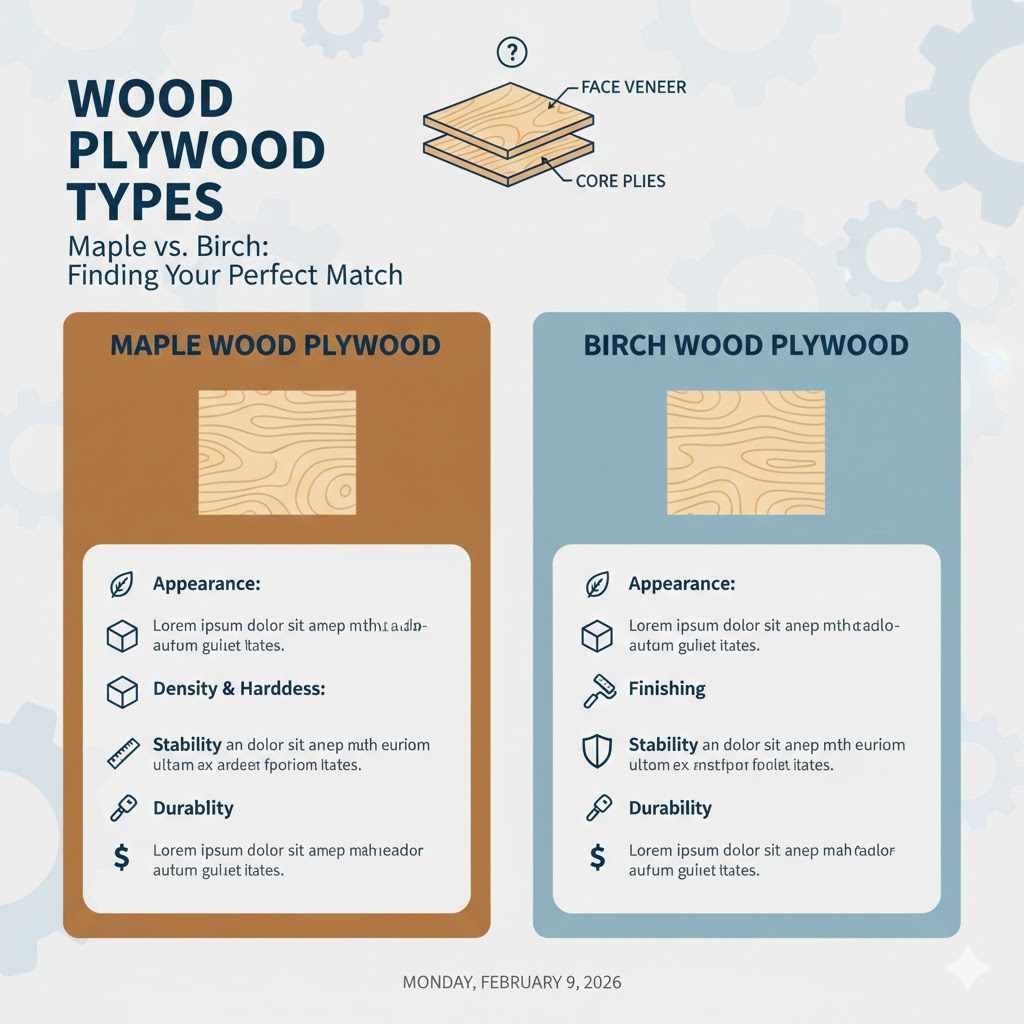
When you’re deciding between maple plywood and birch plywood, looking at their core characteristics side-by-side helps. Both are hardwood plywoods, which means they share a lot of positive traits like strength, durability, and a smooth surface suitable for finishing. However, there are subtle differences in their appearance, hardness, and cost that can make one a better pick for your specific project.
Understanding these distinctions will guide you to the best choice for your needs and budget.
Think of it like choosing between two types of high-quality paint. Both will cover the wall well, but one might offer a slightly smoother finish, while the other might be a bit easier to clean. Similarly, maple and birch offer top-notch performance, but the slight variations between them are what make them unique and suited for different situations.
We’ll explore these differences in detail next.
Appearance and Grain Pattern
The visual appeal of plywood is often a major factor, especially for furniture and cabinetry. Maple plywood typically features a very fine, even, and subtle grain pattern. It’s often a creamy white to pale cream color, providing a clean and uniform surface.
This makes it an excellent canvas for paint or stain, as the grain won’t overpower the color. Some types of maple might show faint wavy or straight lines, but it’s generally very consistent.
Birch plywood, while also light-colored and fine-grained, can sometimes have a bit more character. Its grain can be straighter than maple but may also exhibit more subtle figuring, like gentle waves or curls. The color can range from creamy white to a light yellowish-brown.
This slight variation in grain and color can add a touch of natural beauty and depth to projects. For those who prefer a very consistent look, maple might be preferred. For those who appreciate a hint of natural wood variation, birch could be the choice.
Both types of plywood can be sanded to a very smooth finish, which is crucial for achieving a professional look with paints, stains, or clear coats. The key difference lies in the inherent patterns of the wood itself. Imagine a perfectly smooth, pale wall (maple) versus a smooth wall with very subtle, natural textures (birch).
Both are beautiful, but they offer a slightly different aesthetic.
Hardness and Durability
When it comes to standing up to daily use, hardness and durability are key. Both maple and birch are classified as hardwoods, meaning they are significantly harder and denser than softwoods like pine. This inherent hardness makes them resistant to dents, scratches, and general wear and tear.
In terms of hardness, maple is generally considered slightly harder and denser than birch. This means maple plywood might offer a slight edge in terms of resistance to surface damage. However, the difference is often not dramatic enough to be the sole deciding factor for most typical applications.
Both woods are very durable and will hold up well over time in most furniture and cabinet projects.
The Janka hardness test is a standard measure of wood hardness. While specific values can vary depending on the exact species and where the tree was grown, typical Janka ratings for hard maples are around 1450 lbf (pounds-force) and for yellow birch are around 1260 lbf. This shows maple is statistically harder.
However, for practical purposes in furniture making, both are excellent choices for durability.
The strength of plywood also comes from its construction. A good quality core made from solid wood plies, regardless of whether it’s maple or birch, will contribute significantly to overall durability. The face veneer’s hardness primarily affects its resistance to surface impacts and scratches.
Cost and Availability
Price and how easy it is to find the material are practical considerations for any project. Generally, maple plywood tends to be more expensive than birch plywood. This is often due to the higher demand for maple lumber in other applications, such as flooring and fine furniture, and sometimes its slower growth rate.
Maple is a premium wood, and its plywood reflects that.
Birch plywood, while still a high-quality hardwood option, is often more readily available and can be more budget-friendly. This makes it a very attractive choice for projects where cost is a significant factor but high quality is still desired. The price difference can vary depending on the grade of plywood, the supplier, and the region.
For DIYers and professional woodworkers alike, birch often presents a better value proposition. You get many of the benefits of hardwood plywood—strength, a smooth finish, and good durability—at a more accessible price point. This can allow for larger projects or more flexibility in the budget for other materials or tools.
However, if the budget allows and a specific aesthetic is desired, maple remains a top-tier choice.
Application Suitability
The best choice between maple and birch plywood often depends on what you plan to build. Both are excellent for a wide variety of projects, but their subtle differences can make one slightly more suitable than the other in specific situations.
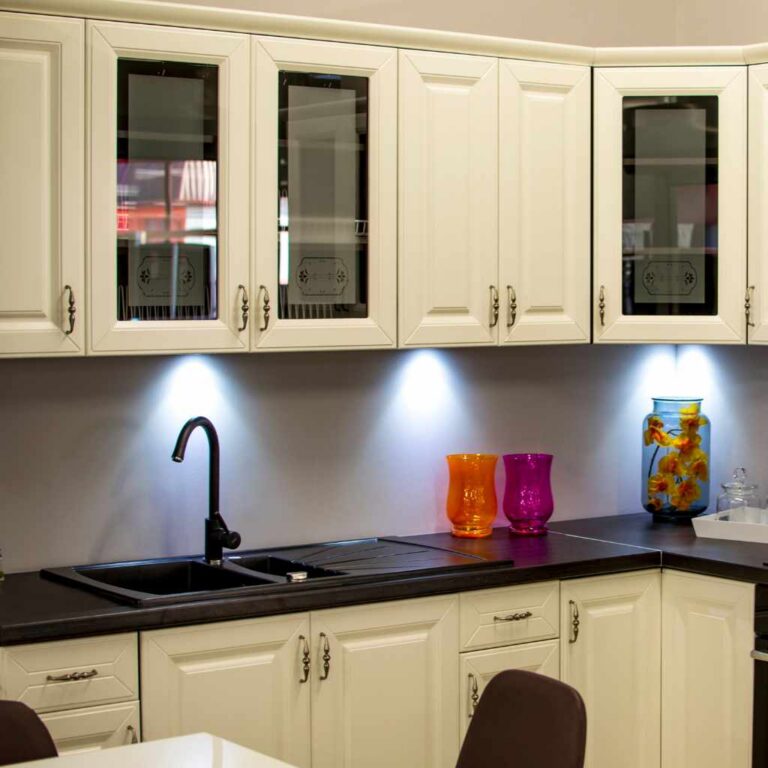
Maple plywood is often preferred for high-end cabinetry, fine furniture, and any application where a very uniform, light-colored surface is desired. Its fine grain and smooth finish make it ideal for painted cabinets or pieces where a minimalist, modern aesthetic is sought. It also holds up well to frequent use, making it great for kitchen cabinets or tabletops.
Birch plywood is incredibly versatile and is a staple in many workshops. It’s a fantastic choice for cabinet boxes, drawer construction, tabletops, workbenches, and furniture frames. Its strength and stability are excellent for structural components, and its slightly more varied grain can add a natural warmth to the finished piece, especially if stained.
It’s often used where durability and value are key.
Consider the final look you want. If you’re aiming for a perfectly smooth, solid color finish, maple’s uniformity is a plus. If you’re happy with a beautiful, natural wood grain that might have a bit more subtle variation and character, birch fits the bill perfectly.
Both are strong contenders for almost any woodworking project that requires a quality plywood.
Pros and Cons of Maple Plywood
Maple plywood offers a beautiful and durable option for many woodworking projects. Its appeal lies in its clean aesthetics and robust performance. However, like any material, it has its advantages and disadvantages that are worth considering before making your selection.
Understanding these points will help you determine if maple plywood is the right fit for your particular needs and budget.
When choosing materials, weighing the benefits against the drawbacks is a smart approach. Maple plywood shines in areas where appearance and a smooth finish are paramount. However, its premium nature can also come with a premium price tag, which might be a limiting factor for some projects or builders.
Let’s break down what makes maple plywood a great choice and where it might fall short.
Advantages of Maple Plywood
One of the biggest advantages of maple plywood is its striking appearance. It offers a clean, bright, and uniform look that is highly sought after in modern design. The fine, straight grain pattern of maple creates a smooth surface that is perfect for achieving a flawless finish, whether you choose to paint it or stain it.
This uniformity makes it easy to achieve a consistent look across a large project.
Another major benefit is its exceptional hardness and durability. Maple is a dense hardwood, which means maple plywood is very resistant to dents, scratches, and wear. This makes it an excellent choice for applications that see a lot of use, such as kitchen cabinets, tabletops, and high-traffic furniture.
Its strength also means it holds fasteners well and is less likely to warp or crack over time, especially when properly manufactured and installed.
Here are some key advantages summarized:
- Superior Aesthetics: Offers a clean, bright, and uniform surface ideal for high-end finishes and modern designs. The fine grain provides a smooth backdrop for paint or stain, allowing the color to stand out without distracting wood patterns. This makes it perfect for creating a sophisticated look in kitchens, furniture, and decorative elements where visual appeal is a priority.
- Excellent Hardness and Durability: Maple is one of the harder domestic hardwoods, providing excellent resistance to dents, scratches, and general wear. This makes maple plywood a long-lasting choice for areas that experience heavy use, ensuring the finished product looks good for years to come. Its density also contributes to its structural integrity.
- Takes Finishes Beautifully: The smooth, fine grain of maple makes it an ideal substrate for a wide range of finishes. Whether you’re aiming for a high-gloss painted surface, a subtle natural stain, or a durable clear coat, maple plywood accepts these finishes with minimal grain filling required, resulting in a professional and polished final product.
- Stability and Strength: Like all quality plywood, maple plywood benefits from cross-laminated plies, which enhance its stability and reduce the likelihood of warping or cracking compared to solid wood. This makes it reliable for large panels and structural components in furniture and cabinetry.
Disadvantages of Maple Plywood
The most significant disadvantage of maple plywood is its cost. Maple is a premium hardwood, and this is reflected in the price of plywood made with maple face veneers. It is generally more expensive than birch plywood and other common hardwood plywood options.
This higher cost can make it less accessible for budget-conscious DIYers or for very large projects where material costs can quickly add up.
While maple is hard, it can be more prone to chipping or splintering during cutting if the wrong tools or techniques are used. Because it is so dense, it requires sharp blades and careful handling to achieve clean cuts without damaging the veneer. This might mean investing in higher-quality saw blades or taking extra precautions during the cutting process, which can add to the labor or material costs.
Here are some key disadvantages summarized:
- Higher Cost: Maple plywood is typically more expensive than birch plywood and other common hardwood options. This can impact the overall budget for a project, especially for larger builds, and might lead some to seek more affordable alternatives if cost is a primary concern.
- Can Chip During Cutting: Due to its density, maple can be prone to chipping or splintering if cut with dull blades or at high speeds without proper support. This necessitates using sharp, high-quality cutting tools and techniques to ensure clean edges and a professional finish, potentially increasing setup time and tool costs.
- Limited Natural Color Variation: While its uniformity is an advantage for finishing, those seeking a rich, naturally varied wood grain might find maple a bit too plain. If you want a wood with more distinct patterns, knots, or color depth for a rustic or bold look, maple might not be the best choice on its own.
- Can Be Heavy: Being a dense hardwood, maple plywood can be heavier than plywood made from softer woods or even some lighter hardwoods. This might be a consideration for very large panels or when weight is a factor in the design or installation of the project.
Pros and Cons of Birch Plywood
Birch plywood stands out as a reliable and versatile choice in the world of woodworking. It offers a compelling balance of quality, durability, and aesthetic appeal, making it a favorite for many builders and craftspeople. Like any material, it comes with its own set of advantages and disadvantages.
Understanding these will help you decide if birch plywood is the optimal material for your next project.
When comparing materials, it’s important to look at the whole picture. Birch plywood provides many of the benefits of more expensive hardwoods at a more accessible price point. However, its characteristics might not be ideal for every single application or design preference.
Let’s explore the pros and cons in detail.
Advantages of Birch Plywood
One of the most significant advantages of birch plywood is its excellent value. It offers the strength, durability, and attractive appearance of a hardwood plywood at a price that is generally more affordable than maple or other premium hardwoods. This makes it an ideal choice for projects where budget is a consideration but high quality is still essential.
Birch plywood is also known for its exceptional strength and stability. The dense hardwood offers good resistance to wear and tear, making it suitable for a wide range of applications, from cabinet boxes to furniture frames. Its consistent grain pattern and density contribute to its reliability and longevity.
Furthermore, birch plywood takes finishes very well, allowing for a beautiful and professional final look.
Here are some key advantages summarized:
- Excellent Value for Money: Birch plywood provides a fantastic balance of quality and cost. It offers many of the desirable properties of hardwood plywood, such as strength and a smooth finish, at a more accessible price point than maple or cherry, making it a popular choice for both professionals and DIYers looking for good value.
- High Strength and Durability: Birch is a dense hardwood that makes its plywood exceptionally strong and resistant to dents and scratches. This makes it ideal for furniture, cabinetry, and any application that requires robust construction and a surface that can withstand daily wear and tear over many years.
- Good Finishing Properties: The fine, consistent grain of birch plywood makes it easy to achieve a smooth and attractive finish. It accepts stains, paints, and clear coats well, allowing for a wide range of aesthetic possibilities. The natural color variations in birch can also add subtle visual interest to stained pieces.
- Readily Available: Birch plywood is widely manufactured and distributed, making it relatively easy to find at most lumber yards and home improvement stores. This accessibility means you can often source the materials you need without significant delays, which is beneficial for project timelines.
Disadvantages of Birch Plywood
While birch plywood is a great material, it does have a few drawbacks to consider. One potential issue is that its grain pattern, while often subtle, can sometimes be more varied or wavy than maple. For projects requiring an extremely uniform and consistent grain across large surfaces, birch might not be the perfect fit unless specifically selected for its straighter grain.
This slight variation can, however, be seen as a positive for adding natural character.
Another point to note is that while birch is strong, it might not be quite as hard as the densest varieties of maple. While still very durable for most applications, in extremely high-wear situations or where maximum resistance to dents is critical, maple might offer a marginal advantage. However, for the vast majority of uses, birch’s hardness is more than adequate.
Here are some key disadvantages summarized:
- Potential for Grain Variation: While often seen as a positive, the grain pattern in birch plywood can sometimes be more pronounced or wavy than the very uniform grain of maple. If a perfectly consistent, almost seamless appearance is critical for your project, you might need to carefully select the birch sheets to ensure the grain meets your expectations.
- Slightly Less Hard Than Some Maples: Although very hard and durable, certain species of maple might be slightly harder according to the Janka scale. In applications where extreme surface hardness and resistance to deep dents are paramount, maple might offer a slight edge. However, for most common uses, birch is more than sufficiently durable.
- Can Be Prone to Splintering If Not Cut Properly: Like all fine-grained hardwoods, birch plywood can splinter if cut with dull blades or at improper speeds. Ensuring you use sharp, quality cutting tools and appropriate techniques is important to achieve clean edges and prevent tear-out, similar to working with maple.
- Color Can Vary by Batch: The natural color of birch can range from creamy white to a light yellowish-brown, and there can be some variation between different batches or manufacturers. If you need a very specific shade, it’s wise to inspect the material in person or communicate your needs clearly with your supplier.
Making Your Decision Maple Plywood vs Birch Plywood
Deciding between Maple Plywood vs Birch Plywood: Which Is Better? comes down to prioritizing what matters most for your specific project. Both are excellent choices, offering strength, durability, and a beautiful surface for finishing.
The key differences lie in their aesthetic, hardness, and cost. By understanding these distinctions, you can confidently select the plywood that best suits your needs and budget.
Think about the final look, the intended use, and how much you want to spend. If you’re aiming for a very clean, uniform, and bright appearance, especially for painted finishes, maple might have a slight edge. If you appreciate a bit more natural wood character and want a great balance of quality and affordability, birch is an outstanding option.
Let’s weigh the final factors to help you make your choice.
Factors to Consider for Your Project
When you’re standing in front of the plywood sheets, it’s time to think about your project’s specific demands. The first big question is about the final look. Are you planning to paint the plywood a solid color?
If so, maple’s uniformity might be slightly more appealing because its fine grain won’t show through as much. If you plan to stain the wood to showcase its natural beauty, both can look fantastic, but birch might offer a touch more visual interest with its subtle grain variations.
Next, consider the wear and tear the project will endure. For kitchen cabinets or tabletops that will see a lot of use, scratches, and bumps, the slightly harder surface of maple might offer a little extra resilience. However, birch is also very durable and perfectly capable of handling most everyday demands.
For most furniture and cabinetry, both will perform exceptionally well.
Finally, your budget is a crucial factor. Maple plywood is generally more expensive. If you’re working on a tight budget or have a large project, birch plywood offers a more cost-effective way to achieve a high-quality hardwood plywood look and performance.
If the budget allows and the specific aesthetic of maple is desired, it’s a worthy investment.
Here’s a quick breakdown of when to choose which:
- Choose Maple Plywood if:
- You want a very clean, uniform, and bright surface, especially for painted finishes.
- You need the absolute hardest surface for maximum resistance to dents and scratches.
- Your budget allows for a premium material and appearance.
- You are aiming for a modern, minimalist, or high-end furniture and cabinetry look.
Maple’s consistent grain and hardness make it a top choice for sophisticated projects where a flawless finish is key. Its pale color is a perfect base for any color you wish to apply, providing a blank canvas for your design.
- Choose Birch Plywood if:
- You are looking for excellent value and a high-quality hardwood at a more affordable price.
- You appreciate subtle natural wood grain variations and character in your projects.
- Your project involves cabinet boxes, drawer construction, or general furniture building where strong, stable material is needed.
- You want a material that takes stains and finishes beautifully, offering a warm, natural look.
Birch offers a superb combination of strength, beauty, and cost-effectiveness, making it a workhorse plywood for a vast array of woodworking applications. It’s a reliable performer for both structural and visible parts of your creations.
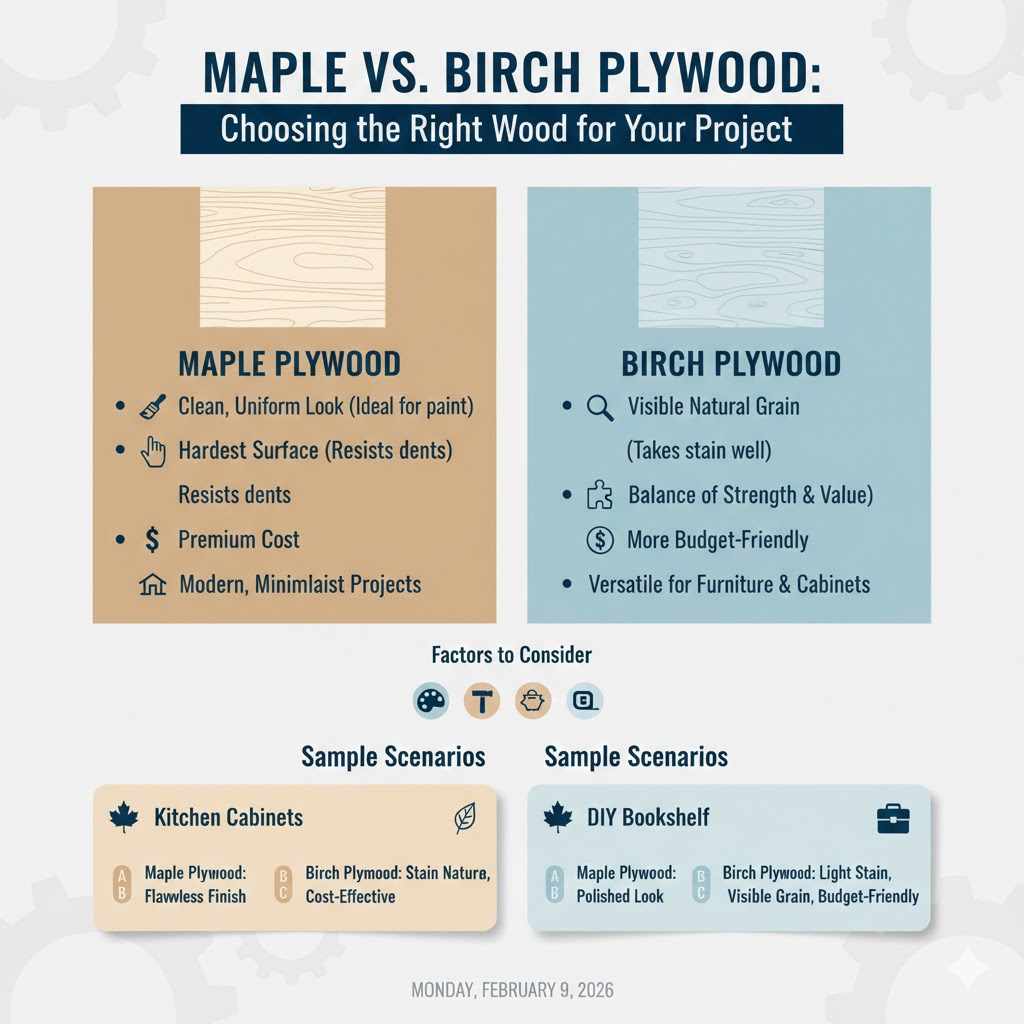
Sample Scenarios
Let’s walk through a couple of common project scenarios to illustrate the decision-making process.
- Kitchen Cabinet Project: Imagine you’re building new kitchen cabinets. You want them to look great, last a long time, and withstand spills and bumps.
- Option A (Maple Plywood): You opt for maple plywood for the cabinet doors and visible drawer fronts. You plan to paint them a crisp white for a modern, clean look. The fine grain of maple will give you a smooth, flawless finish. You might use birch plywood for the cabinet boxes (the internal structure) to save on cost while still using a strong hardwood.
- Option B (Birch Plywood): You choose birch plywood for both the cabinet doors and the boxes. You plan to stain the doors a medium tone to highlight the natural wood grain, and you like the subtle variations birch offers. The durability of birch is more than enough for everyday kitchen use. This option is likely more budget-friendly.
Both options are excellent, but Option A prioritizes a specific painted aesthetic and premium surface, while Option B offers great value and natural wood appeal.
- DIY Bookshelf Project: You’re building a simple, sturdy bookshelf for your living room. It needs to hold books and look good.
- Option A (Maple Plywood): You decide on maple plywood. You plan to stain it a light natural color to keep the room bright. The clean grain of maple will give a polished look, and its hardness means it will resist any accidental knocks from books or furniture.
- Option B (Birch Plywood): You choose birch plywood. You like the idea of a slightly more visible grain pattern, and birch is more budget-friendly, allowing you to allocate funds to other parts of your room. The bookshelf will be strong and attractive.
In this case, either choice would result in a beautiful and functional bookshelf. The decision might come down to whether you prefer the ultra-uniform look of maple or the natural character and cost savings of birch.
Frequently Asked Questions
Question: Is maple plywood stronger than birch plywood
Answer: Maple plywood is generally considered slightly harder and denser than birch plywood. This means maple might offer a marginal advantage in terms of resistance to dents and scratches. However, both are very strong hardwood plywoods and are suitable for most demanding applications.
Question: Which is better for painted cabinets maple or birch plywood
Answer: Maple plywood is often preferred for painted cabinets because of its very fine, uniform grain pattern. This leads to a smoother finish with fewer visible grain lines under the paint, creating a more flawless appearance. Birch can also be painted, but its grain might be slightly more noticeable.
Question: Which is more expensive maple or birch plywood
Answer: Maple plywood is typically more expensive than birch plywood. Maple is a premium hardwood, and this is reflected in the cost of plywood made with maple face veneers. Birch often provides a more budget-friendly option while still offering high quality.
Question: Can I stain maple and birch plywood
Answer: Yes, both maple and birch plywood can be stained beautifully. Maple’s fine grain takes stain evenly, while birch’s slightly more varied grain can add interesting depth and character to stained pieces. It’s always a good idea to test stains on scrap pieces first.
Question: Which is better for furniture making
Answer: Both maple and birch plywood are excellent for furniture making. Birch often offers a better balance of cost and quality for many furniture projects due to its strength and availability. Maple is a great choice for furniture where a very clean, uniform, and high-end finish is desired, especially if it will be painted.
Summary
Choosing between maple and birch plywood involves weighing their distinct qualities. Maple offers a premium, uniform look and superior hardness for demanding finishes. Birch provides excellent value, durability, and natural wood character.
Both are strong hardwood options. Your project’s aesthetic, use, and budget will guide you to the best material.