Masterforce Table Saw Review: Real Specs, Price & Is It Worth It
The Masterforce table saw is a 10-inch, 15-amp jobsite saw sold exclusively at Menards — it’s not on Amazon or Home Depot shelves. That single fact trips up more shoppers researching it than any spec on the saw itself, so this review leads with it, then walks through the real motor and rip-capacity numbers, the safety features that matter, and an honest read on where it fits against other contractor-style saws.
What Is the Masterforce Table Saw?
Masterforce is Menards’ in-house tool brand, similar to how Kobalt belongs to Lowe’s or Husky to Home Depot. The table saw sold under that name is the Masterforce 10" Jobsite Table Saw with Folding Stand (model MJ10250IXC-M), built as a portable, contractor-grade saw for job sites and home shops that don’t have room for a full cabinet saw. It typically runs around $399 at Menards, though like any hardware-store price, that number moves with sales and rebates.
Best Upgrade Blade For Masterforce Saws
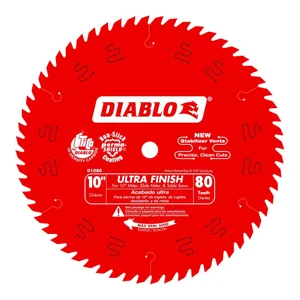 |
Diablo D1080X 10" 80-Tooth Blade – $62.97 The Masterforce table saw isn’t sold on Amazon, but its stock 10-inch blade uses a standard 5/8-inch arbor, so this Diablo upgrade blade bolts right on.
|
Because it’s a store-exclusive brand, Masterforce parts and accessories are easiest to find at Menards itself. The saw does use a standard 10-inch blade on a 5/8-inch arbor, though, which is the same sizing used across most contractor and jobsite table saws — so aftermarket blades from brands like Diablo, Freud, and DeWalt bolt on without an adapter.
Motor, Speed and Cutting Capacity
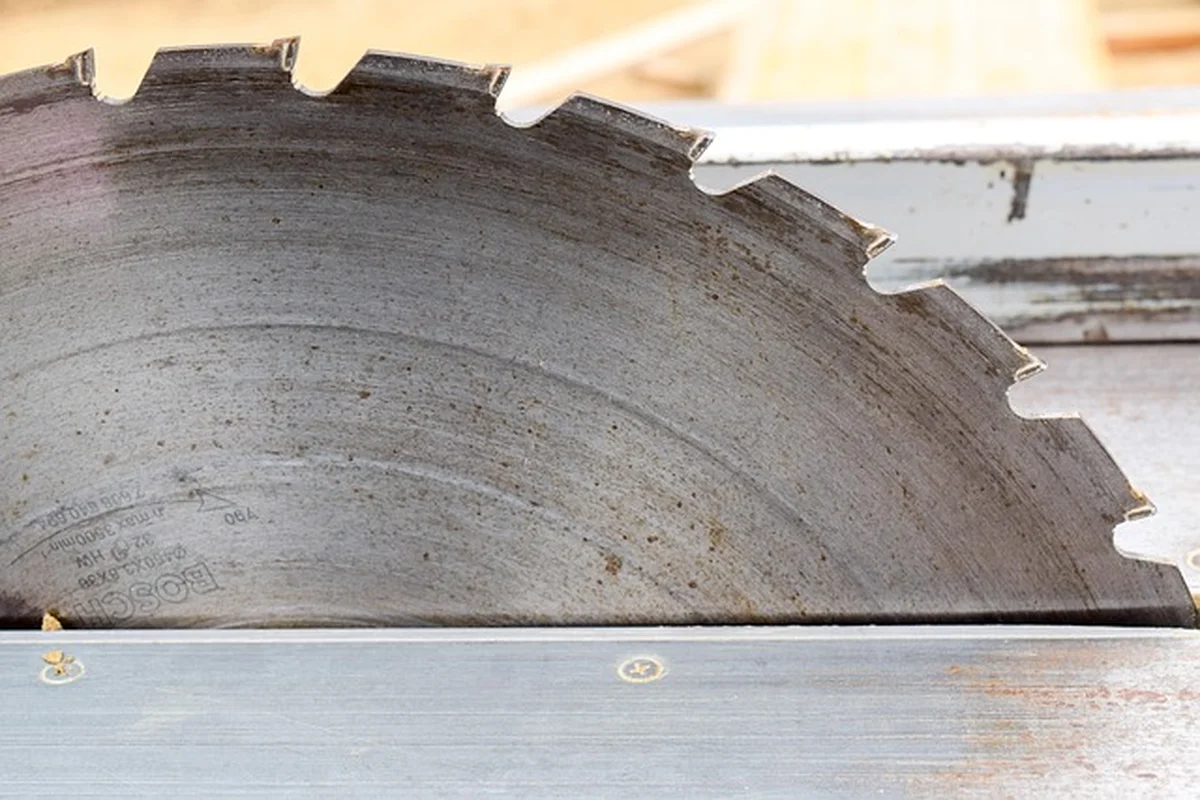
The Masterforce’s 15-amp motor spins the blade at roughly 4,500 RPM unloaded, which is in line with other jobsite saws in this price range — it’s enough torque to rip 3/4-inch plywood and hardwood stock without bogging down, though it will slow noticeably in thick, dense hardwoods the way any benchtop or jobsite saw does.
Rip capacity is the number that actually decides whether this saw fits your projects: it handles about 32-1/2 inches to the right of the blade and 20 inches to the left, which is enough to break down a full sheet of plywood in two passes. The folding stand adds portability but also means the table itself is smaller than a stationary cabinet saw’s — plan on supporting long stock with a roller stand or outfeed table rather than relying on the saw’s top alone.
Precision and Accuracy
The rip fence locks parallel to the blade and is the single biggest factor in cut accuracy on any table saw, Masterforce included — check it for square against the blade before a project, not just once at setup. The included miter gauge handles crosscuts and angled cuts, though most serious users eventually upgrade to an aftermarket miter gauge with a flip-stop for repeatable cuts.
Blade height and bevel adjust with hand wheels on the front of the saw. Bevel cuts run from 0 to 45 degrees, which covers standard trim and joinery work; there’s no digital angle readout at this price point, so a digital angle gauge is worth keeping in the shop if you’re cutting a lot of odd bevels.
Safety Features (and a Common Myth)
The saw ships with a blade guard, a riving knife, and anti-kickback pawls — the same three-part safety system found on most modern table saws. The riving knife moves up and down with the blade and keeps the kerf from closing up and pinching it; the pawls dig into the wood’s top surface to stop it from being thrown back at the operator if the cut starts to bind.
One myth worth correcting: older marketing copy for saws in this class sometimes claims they’ll “cut through wood, plastic, and metal easily.” In practice, the stock wood-cutting blade should never be run through metal. Non-ferrous metal (aluminum, thin brass) requires a blade specifically rated for it, a much slower feed rate, and extra caution — running metal across a standard combination blade at full RPM is a genuine kickback and blade-failure risk, not a convenience feature.
Beyond the built-in guards, a push block or saw gripper is cheap insurance for ripping narrow stock, keeping your fingers well clear of the blade path.
Assembly, Portability and Ease of Use
The folding stand is the main portability feature: legs fold up and the saw rolls on its built-in wheels, so one person can move it around a garage or load it into a truck bed without a hand truck. Most of the saw arrives pre-assembled; the main setup task is attaching the folding stand and squaring the fence, which takes most users under an hour with basic hand tools.
Controls are straightforward: a large paddle-style on/off switch sits at the front for a quick shutoff, and the height and bevel hand wheels are within easy reach without leaning over the blade.
Maintenance
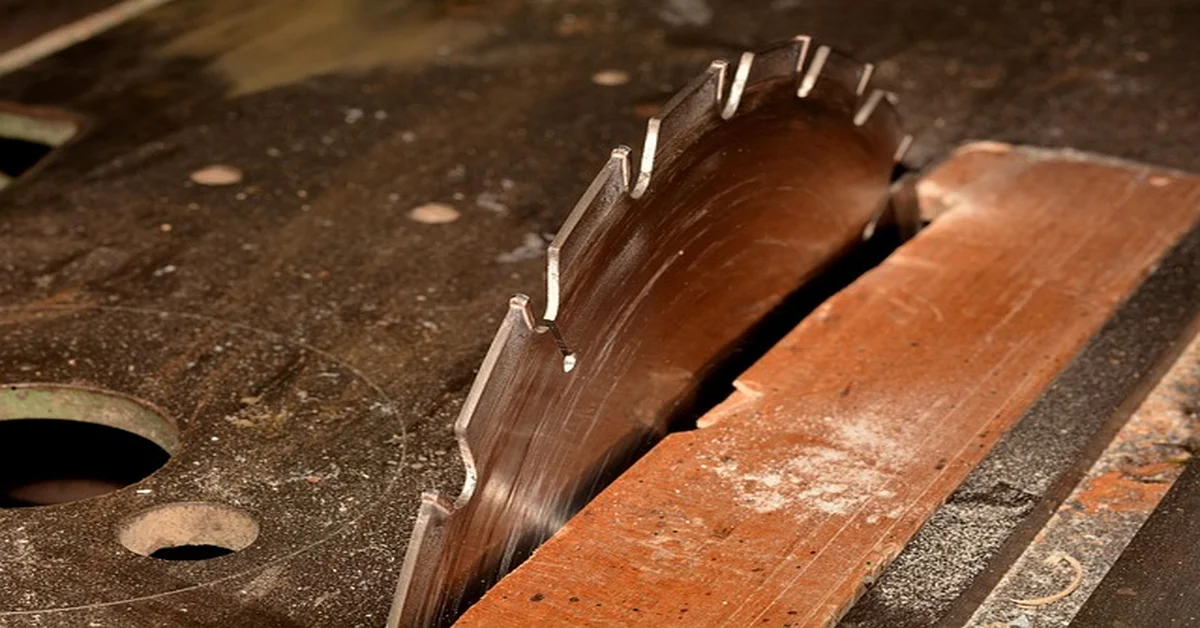
Sawdust is the main enemy of any jobsite table saw, since it packs into the trunnion (the mechanism that raises, lowers, and tilts the blade) and eventually makes those adjustments stiff or inaccurate. Vacuum out the cabinet and blow out the trunnion area every few uses, and wipe the table top with a light coat of paste wax periodically so wood slides across it instead of dragging. Check the blade and fence for square every few sessions, since folding-stand saws see more vibration in transport than stationary saws and can drift out of alignment.
Masterforce vs. Other Jobsite Table Saws
Against other 10-inch jobsite saws in the same price bracket, the Masterforce’s 15-amp motor and rip capacity are competitive on paper — it’s genuinely in the same class as budget-to-midrange jobsite saws from Ryobi, Skil, and similar brands, rather than a step down. The real trade-off isn’t performance, it’s availability and parts: because it’s Menards-exclusive, replacement parts, extended warranties, and accessories are easiest to source through Menards directly, while a saw from a nationally distributed brand has more third-party parts and accessory support. If you don’t have a Menards nearby, that’s a more practical reason to look elsewhere than anything about the saw’s cutting performance.
Final Verdict
The Masterforce 10-inch Jobsite Table Saw is a solid, no-frills option if you shop at Menards regularly and want a portable saw with real safety features and enough rip capacity to break down full sheets of plywood. Its biggest limitation isn’t the saw itself — it’s that being a store-exclusive brand means you’re tied to Menards for parts, service, and in-person comparison shopping. For woodworkers without a Menards nearby, saws from nationally available brands in the same price range are worth cross-shopping, but for Menards regulars, this saw delivers what a $399 jobsite saw should.
Frequently Asked Questions
Is the Masterforce table saw sold on Amazon?
No. Masterforce is a Menards-exclusive house brand, so the table saw itself is only sold through Menards stores and Menards.com. You won’t find the saw on Amazon, though standard 10-inch accessories like blades and stands, which use industry-standard sizing, work with it.
What are the real specs of the Masterforce 10-inch table saw?
The Masterforce 10-inch Jobsite Table Saw with Folding Stand (model MJ10250IXC-M) runs a 15-amp motor at roughly 4,500 RPM, with a maximum rip capacity of about 32-1/2 inches to the right of the blade and 20 inches to the left. It typically sells for around $399, though Menards pricing changes over time.
Can the Masterforce table saw cut metal?
Not with the factory blade. The stock 10-inch combination blade is designed for wood and wood composites. Cutting metal requires swapping in a specific non-ferrous metal-cutting blade and slowing the feed rate significantly; running metal through a wood blade at full speed is a real kickback and blade-damage risk, not a normal use case for this saw.
Is the Masterforce table saw good for beginners?
Yes, with the same caveats as any jobsite table saw. The blade guard, riving knife, and anti-kickback pawls give a new user real protection, and the folding stand keeps setup simple. Beginners should still read the full safety section of the manual and practice push-stick technique before ripping narrow stock.
Conclusion
The Masterforce table saw earns its place among budget jobsite saws with a capable 15-amp motor, a full safety package, and enough rip capacity for sheet goods — just remember it’s a Menards-exclusive product, not something you’ll find on Amazon, and shop its parts and accessories accordingly.
Sponsored / affiliate links. As an Amazon Associate I earn from qualifying purchases. I may earn additional commission from eligible campaigns.