Cheap Mini Table Saw: What $50-$140 Actually Cuts (2026)
Cheap mini table saws in the $50-$140 range cut wood, acrylic, PCB, and thin aluminum up to about half an inch thick, but most stall out past 3/4-inch hardwood and skip the riving knife or blade guard a full-size saw has. Skimping on those safety parts raises kickback risk even on light hobby cuts. This guide covers what these saws can and cannot cut, our pick for the best budget option, and the safety habits that matter most at this price.
What Counts as a “Cheap” Mini Table Saw, and What Will It Cut?
Best Cheap Mini Table Saw Pick
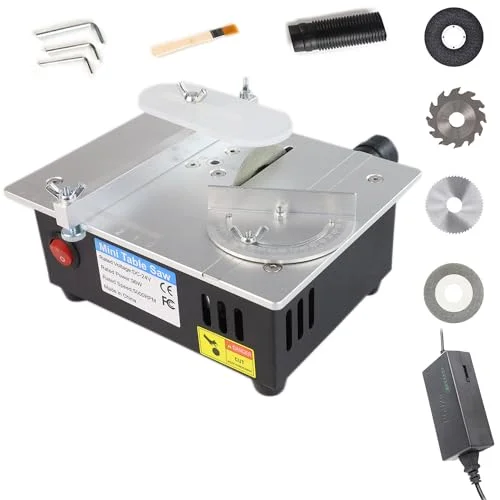 |
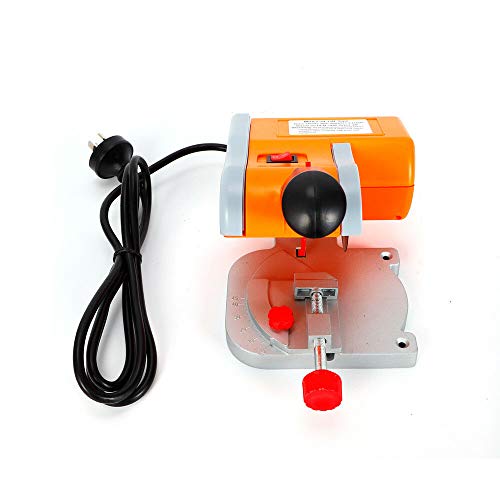
RTOVZON 7-Speed Mini Table Saw for Crafts – $55.99 A 7-speed, 4-blade benchtop saw that covers the wood, acrylic, PCB, and thin aluminum cuts most hobbyists actually need at this price, without the belt-slip complaints reported on cheaper single-speed imports.
|
As an Amazon Associate we earn from qualifying purchases.
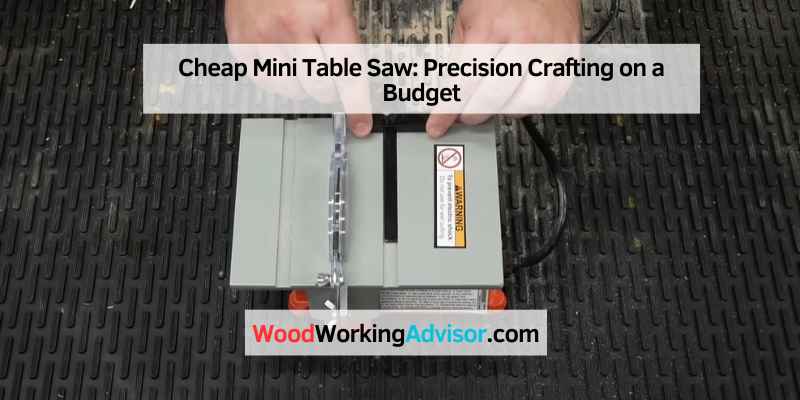
Mini table saws sold as “hobby” or “craft” saws range from about $50 to $140 for the imports that dominate Amazon search results, up to $300-$600+ for precision brands like Proxxon or Byrnes aimed at model makers. At the cheap end, expect a small aluminum table, a 60W-100W motor, and 3-7 speed settings depending on the model.
What they actually cut: softwood, thin plywood, acrylic sheet, PCB board, and thin aluminum or brass up to roughly 1/2 inch thick. Most owners report the cheap imports bog down or the belt slips past that thickness, especially in hardwood over 3/4 inch. If your projects are 1/4-inch balsa, plastic model parts, or small craft panels, a cheap mini saw is genuinely useful. If you’re ripping full hardwood boards, step up to a benchtop or full-size table saw instead.
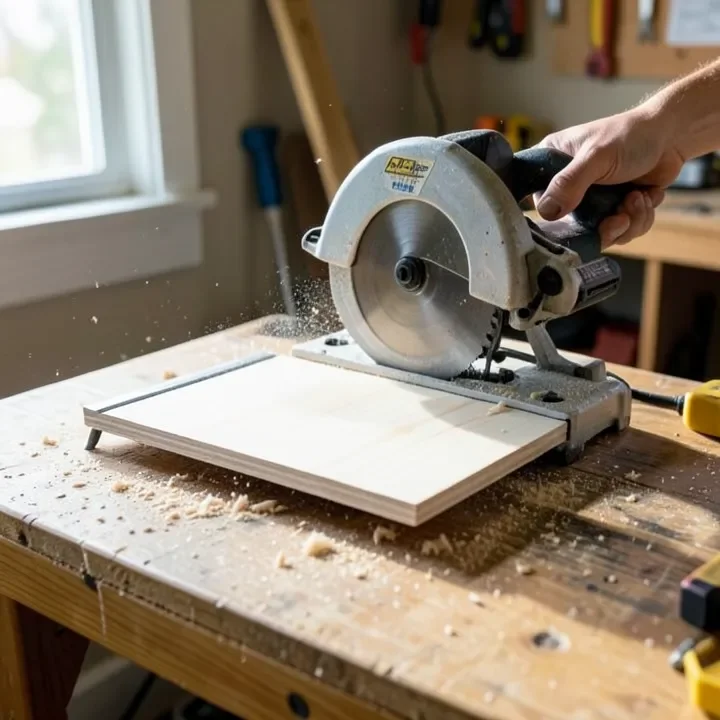
If you just want one solid pick instead of comparing specs across a dozen near-identical listings, here’s the one we’d buy at this price:
Safety Features to Check Before You Buy
A cheap mini table saw is a real spinning blade at full size, just on a smaller base — the safety corners cut to hit a $50-$70 price point matter. Before buying, confirm the listing shows a blade guard, a riving knife or splitter, and a clearly marked power switch you can reach without crossing the blade. Several budget models skip the riving knife entirely, which raises kickback risk on any cut where the material can pinch the blade.
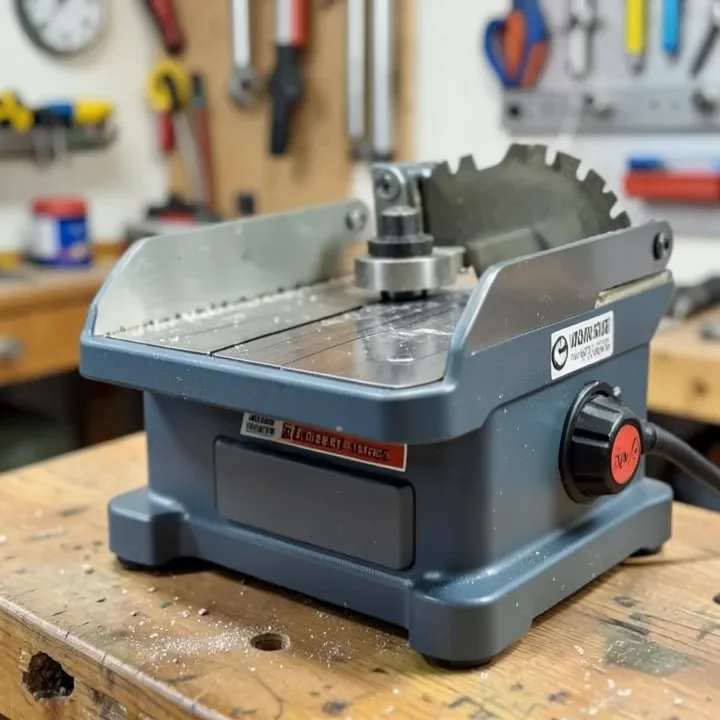
Push sticks matter more on these saws than on full-size ones, since the small table puts your fingers closer to the blade by default. Keep hands at least 3 inches from the blade path, and never reach across a running blade to clear an offcut.
Common Problems With Budget Mini Table Saws
The most-reported complaint on sub-$60 single-speed mini saws is belt tension slipping once material thickness passes about 8mm — the blade stalls or bogs down mid-cut instead of powering through. Multi-speed models with a geared motor (7-speed saws like the pick below) hold up better because you can drop to a lower speed for denser material instead of forcing a fixed-speed blade through it.
A second common issue is blade wobble from a thin, unsupported arbor — this shows up as a slightly wavy cut edge on anything over 1/4 inch. If your cuts need to be perfectly straight (miter joints, box joints), expect to sand or trim the edge afterward, or budget for one of the higher-end precision brands instead.
Frequently Asked Questions
What is the price range for a cheap mini table saw?
Cheap mini table saws run about $50 to $140 for the imported hobby models common on Amazon. Precision brands built for model-making, like Proxxon or Byrnes, run $300-$600+.
How thick can a mini table saw cut?
Most budget mini table saws handle up to about 1/2 inch in wood, acrylic, or thin aluminum. Past 3/4-inch hardwood, belt slippage and motor bog-down become common.
Can a mini table saw cut metal?
Many mini table saws can cut thin aluminum, brass, or PCB board with the right blade, but they are not built for steel or thick metal stock.
Are cheap mini table saws safe?
They can be, but check for a blade guard and riving knife before buying — some sub-$60 models skip the riving knife entirely, which raises kickback risk.
Are mini table saws portable?
Yes. Most weigh under 10 pounds and are designed to sit on a workbench or be stored in a drawer between projects.
Conclusion
A cheap mini table saw earns its keep on craft-scale wood, acrylic, and PCB work under half an inch thick — not as a replacement for a full-size saw on real lumber. Check for a blade guard and riving knife before you buy, favor a multi-speed model to avoid the belt-slip complaints common on single-speed imports, and match the saw to the precision your project actually needs.
Sponsored / affiliate links. As an Amazon Associate I earn from qualifying purchases. I may earn additional commission from eligible campaigns.