MDF Trim vs Wood Trim: Essential Guide
MDF trim is a cost-effective, smooth option for clean interior finishes, while solid wood trim offers natural beauty, durability, and superior repairability. The best choice depends on your budget, desired aesthetic, and project needs.
Have you ever stood in a home improvement store, staring at rows of trim, wondering which one is right for your project? It’s a common puzzle for DIYers! You want your home to look beautiful, but choosing the wrong trim can lead to frustration and wasted money. That’s where understanding the difference between MDF trim and wood trim comes in. Don’t worry, it’s simpler than it sounds! This guide will break down everything you need to know, step-by-step, so you can pick the perfect trim with confidence. We’ll look at what each option is, how they compare, and when to use them. Let’s get started on making your home look fantastic!
Your Essential Guide to MDF Trim vs. Wood Trim
As Md Meraj, your woodworking mentor, I’ve seen firsthand how the right trim can totally transform a space. It’s the jewelry of your home’s interior! When deciding between MDF trim and wood trim, it’s not about one being “better” than the other. It’s about finding the right fit for your specific needs, budget, and style. Let’s dive into what makes each of these popular choices tick.
What is MDF Trim?
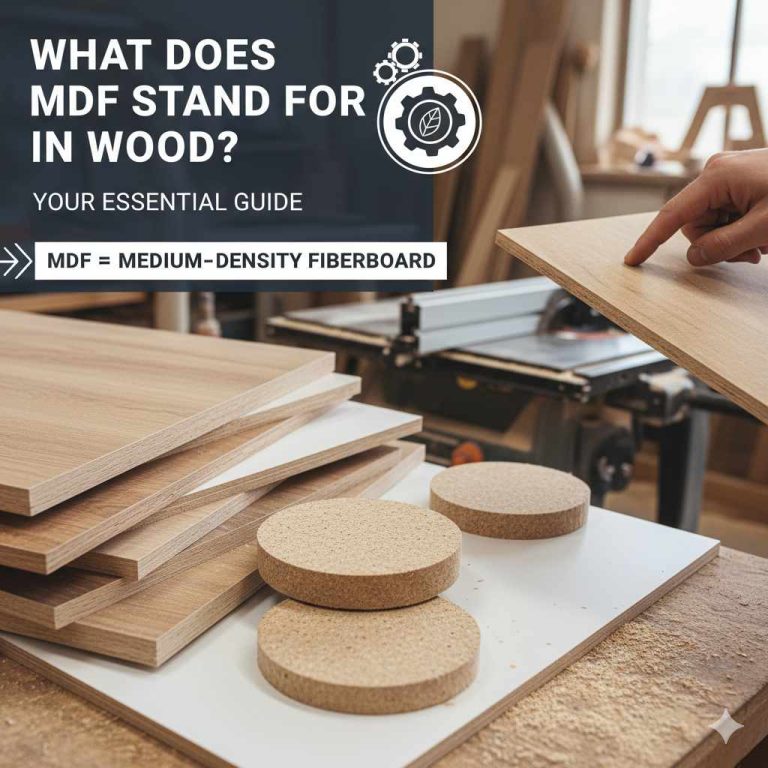
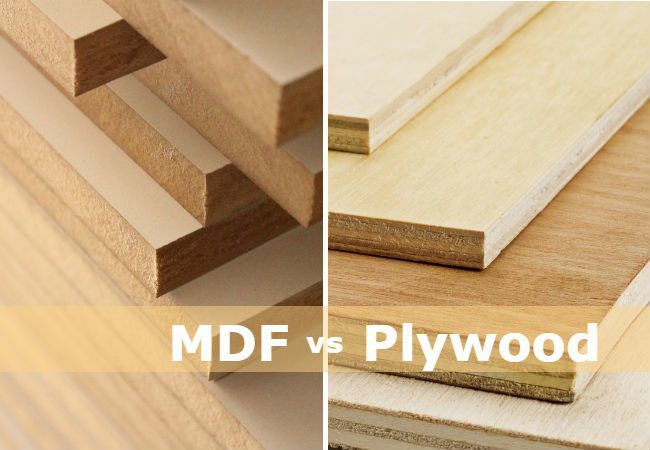
MDF stands for Medium-Density Fiberboard. Think of it as engineered wood, made from wood fibers that are broken down and then pressed together with resin under heat and pressure. It creates a dense, stable board. For trim, this material is cut into various profiles, just like wood.
MDF is a popular choice for trim because it’s incredibly smooth and free of the knots and grain patterns you find in natural wood. This makes it incredibly easy to paint, giving you a flawless, factory-like finish, especially for a modern look. Because it’s manufactured, it’s also very consistent in density and appearance, which is a big plus when you need a uniform look across many pieces.
Pros and Cons of MDF Trim
Like any material, MDF has its strengths and weaknesses. Knowing these will help you make an informed choice.
Advantages of MDF Trim:
- Cost-Effective: Generally more affordable than solid wood across the board.
- Smooth Finish: Its uniform surface is perfect for painting, offering a knot-free, grain-free look.
- Stability: Less prone to warping or cracking due to moisture changes compared to some woods.
- Consistency: Each piece looks and feels the same, making large projects easier.
- Easy to Work With: Cuts cleanly and sands smoothly, simplifying installation.
Disadvantages of MDF Trim:
- Moisture Sensitivity: Can swell and disintegrate if exposed to prolonged moisture. It’s generally not recommended for bathrooms or basements without proper sealing.
- Durability: Can be prone to denting or chipping if impacted, as it’s not as hard as some hardwoods.
- Repairability: Difficult to repair if damaged deeply. Dents are hard to fix without filling.
- Dust: Cutting MDF creates very fine dust that can be hazardous if inhaled. Always use proper respiratory protection.
- Weight: Can be heavier than some wood alternatives.
What is Wood Trim?
Wood trim is made from natural timber. This can range from softwoods like pine and fir to hardwoods like oak, maple, and poplar. The type of wood significantly impacts its appearance, durability, and cost.
When we talk about wood trim, we’re talking about the real deal – the natural beauty and character that only wood can provide. It has a unique grain pattern, which can be subtle or pronounced depending on the species. This natural variation means that no two pieces are exactly alike, adding a unique charm to your home. Wood trim can be stained to highlight its natural beauty or painted for a different look.
Pros and Cons of Wood Trim
Solid wood trim has been a staple in home building for centuries for good reason. Let’s look at what makes it a great option:
Advantages of Wood Trim:
- Natural Beauty: Offers a timeless aesthetic with unique grain patterns and warmth.
- Durability: Generally harder and more resistant to dents and impacts than MDF.
- Stainability: Can be stained to showcase its natural grain or for a specific color.
- Repairability: Minor damage like dents can often be repaired or sanded out.
- Value: Can add perceived value to a home compared to artificial materials.
- Resilience to Moisture (with proper sealing): While not immune, many hardwoods hold up better than MDF in less humid environments.
Disadvantages of Wood Trim:
- Cost: Typically more expensive than MDF, especially for hardwoods.
- Variability: Natural wood can have knots, variations in grain, and color, which some might see as imperfections.
- Expansion/Contraction: Can expand and contract with changes in humidity and temperature, potentially leading to gaps or bowing over time.
- Installation Difficulty: Can be harder to cut and work with, especially denser hardwoods.
- Maintenance: May require ongoing sealing or finishing to maintain appearance and protect against climate.
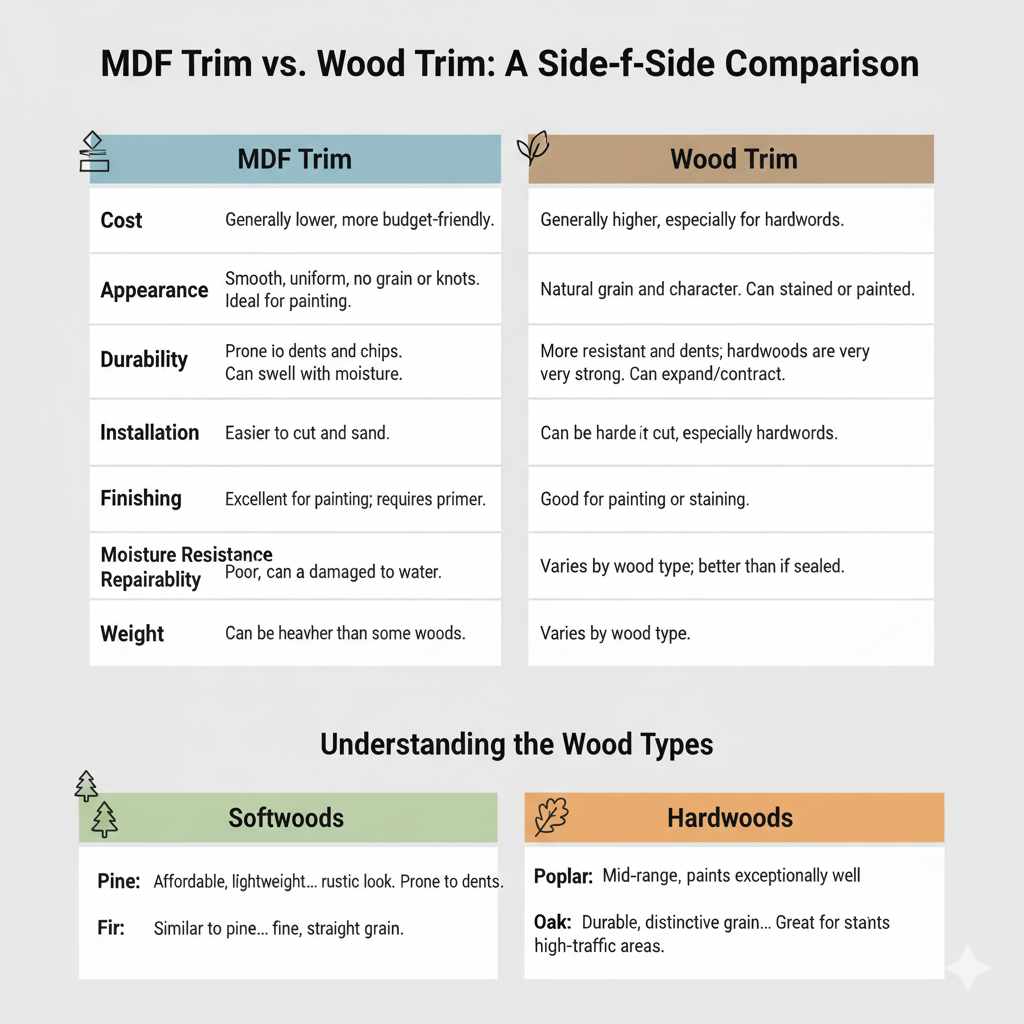
MDF Trim vs. Wood Trim: A Side-by-Side Comparison
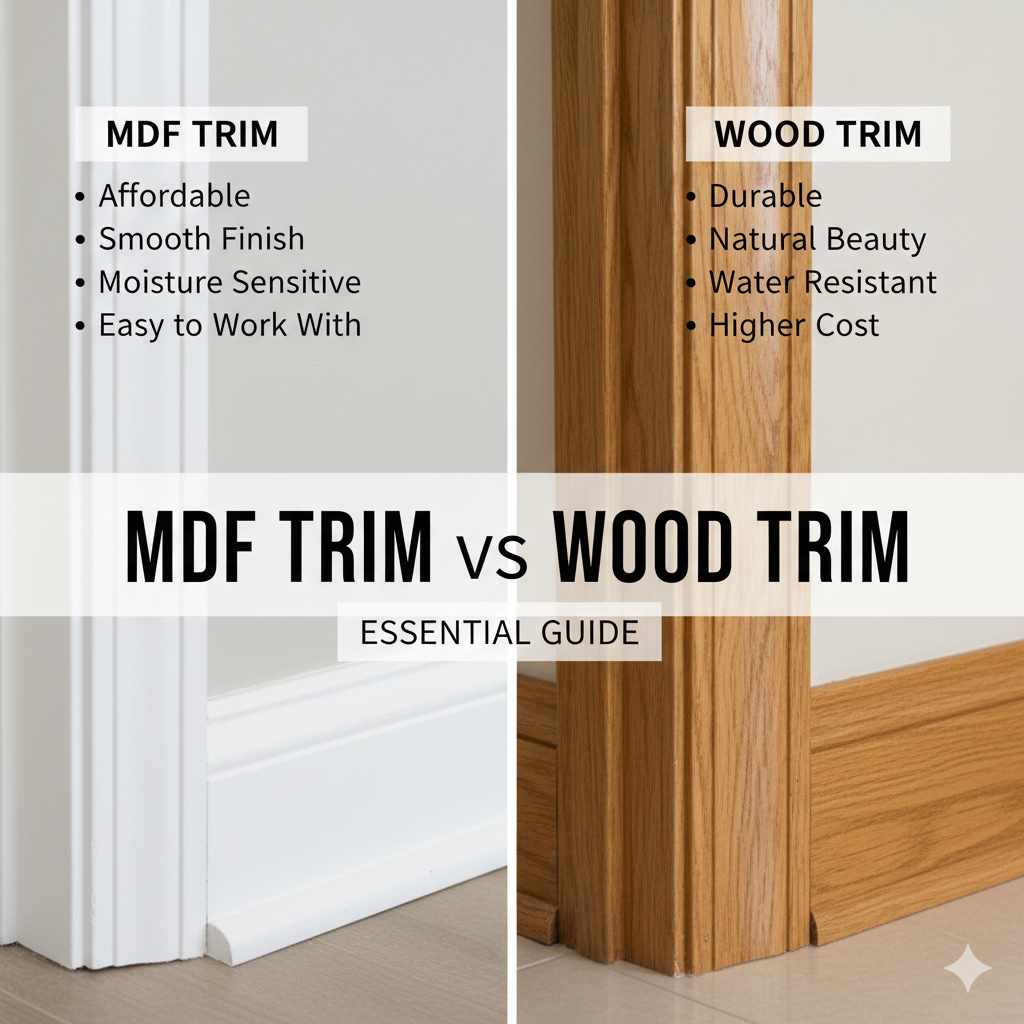
To make the decision even clearer, let’s put MDF trim and wood trim head-to-head on key factors. This table helps you visualize the differences at a glance.
| Feature | MDF Trim | Wood Trim |
|---|---|---|
| Cost | Generally lower, more budget-friendly. | Generally higher, especially for hardwoods. |
| Appearance | Smooth, uniform, no grain or knots. Ideal for painting. | Natural grain and character. Can be stained or painted. |
| Durability | Prone to dents and chips. Can swell with moisture. | More resistant to dents; hardwoods are very strong. Can expand/contract. |
| Installation | Easier to cut and sand. | Can be harder to cut, especially hardwoods. |
| Finishing | Excellent for painting; requires primer. | Good for painting or staining. |
| Moisture Resistance | Poor, can be damaged by water. | Varies by wood type; better than MDF if sealed. |
| Repairability | Difficult for deep damage. | Easier to repair minor damage like dents. |
| Weight | Can be heavier than some woods. | Varies by wood type. |
Understanding the Wood Types
When choosing wood trim, the type of wood really matters. Here’s a quick look at some common options:
Softwoods:
- Pine: Affordable, lightweight, and easy to work with. It has a prominent grain and can have knots, which are often embraced for a rustic look. Prone to dents.
- Fir: Similar to pine in cost and workability. Has a fine, straight grain.
Hardwoods:
- Poplar: A good mid-range option. It’s relatively inexpensive for a hardwood, has a fine, even grain, and paints exceptionally well. It’s a favorite for painted trim.
- Oak: Durable with a strong, distinctive grain pattern. More expensive and harder to work with than pine or poplar. Great for staining.
- Maple: Very durable, hard, and has a subtle, fine grain. Excellent for high-traffic areas and can be stained or painted.
A good resource for understanding wood properties and uses in construction can be found on the Woodworking Network.
Where to Use MDF Trim
MDF is a fantastic choice for many interior applications where moisture isn’t a major concern and a smooth, painted finish is desired.
Ideal Applications for MDF Trim:
- Doors and Windows: Casing around interior doors and windows is a prime spot.
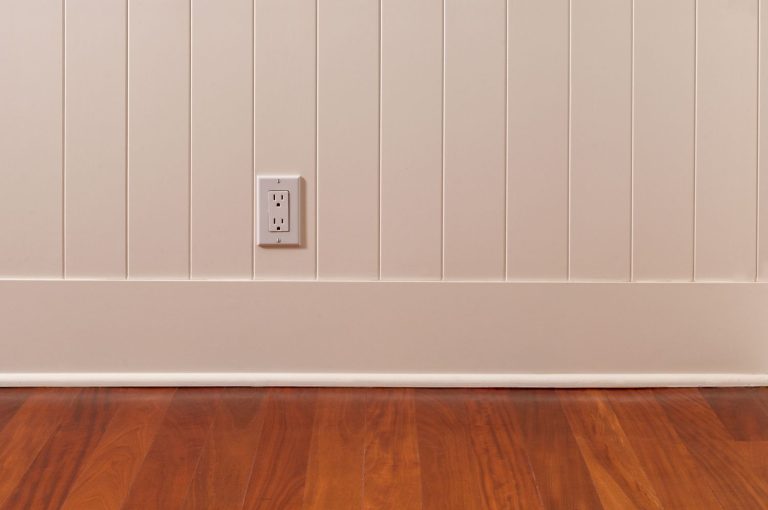
- Baseboards: In living rooms, bedrooms, and hallways where moisture is controlled.
- Crown Molding: For a clean, crisp ceiling line.
- Wainscoting and Wall Paneling: If properly sealed, it can be used in drier areas.
- Decorative Trim: For accent pieces that will be painted.
When installing MDF trim, especially baseboards or casings, it’s crucial to use appropriate fasteners and adhesives. For a truly professional finish, we often pre-drill and use screws, then fill the screw heads to make them disappear. If you’re planning to paint, using a high-quality primer is essential to seal the MDF. One or two coats of primer followed by two coats of your topcoat paint should give you that smooth, durable finish we talked about. For those detailed instructions, remember that reputable sources like This Old House have excellent guides.
Where to Use Wood Trim
Wood trim offers a warmth and character that MDF can’t quite replicate. It’s a great choice when you want a natural look or a more durable finish.
Ideal Applications for Wood Trim:
- High-Traffic Areas: Where durability against scuffs and impacts is important (e.g., entryways, hallways).
- Areas Prone to Minor Moisture: Such as well-ventilated kitchens or dining rooms (though still exercise caution).
- Stained Finishes: When you want to highlight the natural beauty of wood grain.
- Historical Homes: To maintain or replicate original architectural details and character.
- Luxury or High-End Spaces: Where the perceived value and aesthetic of real wood are desired.
Working with wood trim can be really rewarding. You can achieve stunning results with staining or painting. If you’re staining, always test your stain on a scrap piece first to see how it looks on that specific wood species. For those who want a truly traditional feel, the Wood Magazine website often has great tips on finishing techniques that bring out the best in natural wood.
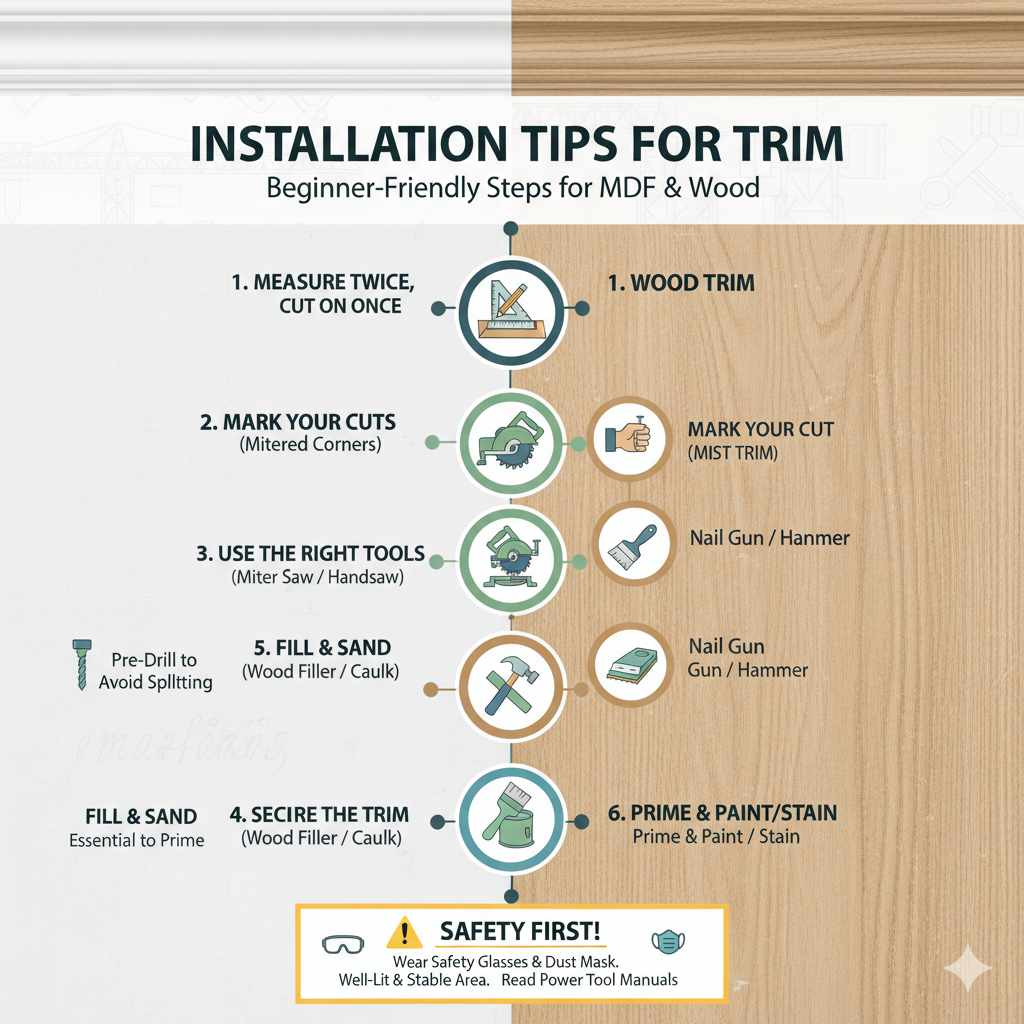
Installation Tips for Both MDF and Wood Trim
Getting the look you want also depends on how you install the trim. Here are some beginner-friendly tips that apply to both MDF and wood.
Essential Installation Steps:
- Measure Twice, Cut Once: This classic adage is always true! Carefully measure the length of the wall or opening where the trim will go.
- Mark Your Cuts: Transfer your measurements accurately to the trim piece. For corners, you’ll need to make angled cuts (miter cuts). A standard 45-degree angle for inside and outside corners is common.
- Use the Right Tools: A reliable miter saw is your best friend for making accurate angled cuts. For simpler cuts, a handsaw and miter box can work.
- Secure the Trim: Use a nail gun (brad nailer or finish nailer) or a hammer and finishing nails. For MDF, it’s often recommended to use a specific bit for pre-drilling to avoid splitting.
- Fill and Sand: After the trim is in place, fill any nail holes and gaps with wood filler or caulk. Sand smooth once dry.
- Prime and Paint/Stain: Apply primer (especially for MDF and some woods) and then your topcoat of paint or stain.
Safety First!
When cutting any material, especially MDF which produces fine dust, wear safety glasses and a dust mask. Ensure your work area is well-lit and stable. If using power tools, always read and understand the manufacturer’s instructions. For more on tool safety, check out resources from organizations like the Occupational Safety and Health Administration (OSHA). They have great general safety guidance for any workshop.
Frequently Asked Questions (FAQ)
Let’s clear up some common questions beginners have about MDF and wood trim.
Q1: Which is better for baseboards, MDF or wood?
Both can work well! MDF is often chosen for its affordability and smooth painted finish, which is popular for modern homes. Wood trim, especially poplar, is also excellent for painting and offers greater durability. If your budget is tighter and you want a perfect painted look, MDF is a great choice. If you want something that can withstand more bumps or might be stained, opt for wood.
Q2: Can I use MDF trim in a bathroom?
It’s generally not recommended for areas with high humidity or direct water contact. MDF can swell and break down. Special moisture-resistant MDF products exist, but solid wood (properly sealed) or PVC/composite trim are usually better options for bathrooms and kitchens.
Q3: How do I repair damaged MDF trim?
Minor dents or scratches can sometimes be filled with wood filler and sanded smooth before repainting. However, deep damage or swelling due to moisture is very difficult to repair effectively. Replacement is often the best solution.
Q4: Which wood is best for trim if I want to paint it?
Poplar is an excellent choice for painted trim. It’s relatively affordable, has a fine, consistent grain that sands smooth, and takes paint beautifully. Pine is also a good, budget-friendly option for painting, though its knots might need special attention.
Q5: Does wood trim cost significantly more than MDF?
Yes, generally wood trim, especially hardwoods like oak or maple, will cost more per linear foot than standard MDF trim. Pine is a softwood and can be closer in price to MDF, but still often a bit higher. Poplar is usually in the middle ground.
Q6: Can I stain MDF trim?
No, you cannot stain MDF trim in the traditional sense. MDF doesn’t have a natural wood grain, so staining won’t achieve the same effect as it does on real wood. You can, however, use specialty paints or faux finishing techniques to mimic a wood grain look if desired.
Q7: How do I prevent wood trim from expanding and contracting?
While you can’t completely stop it, properly sealing and finishing your wood trim helps. Ensure the wood acclimates to the room’s conditions before installation. Using flexible caulk along the edges where trim meets walls and ceilings can help hide minor gaps that may appear.
Making Your Final Choice
Choosing between MDF trim and wood trim ultimately comes down to your priorities. For homeowners on a budget who want a smooth, clean, painted look, MDF is a fantastic and accessible option for many interior applications. It’s forgiving for beginners and delivers a professional finish when done right.
On the other hand, if you appreciate the natural character, warmth, and timeless beauty of real wood, or if you need a more durable material, wood trim is the way to go. It offers greater longevity and a unique aesthetic that can truly elevate your home’s style. Whether you stain it to reveal its natural grain or seal and paint it, wood trim makes a statement.
Remember to consider the specific room, the desired aesthetic, your budget, and how much wear and tear the trim will endure. Both MDF and wood trim can help you achieve beautiful results and add that essential finishing touch to your home projects. With a little understanding and careful planning, you’ll be able to confidently select and install the perfect trim for your space. Happy building!