Metal Bed Frame vs Wood Bed Frame: What Actually Differs
Metal bed frames generally win on durability, weight capacity, and price; solid wood frames win on warmth, quiet, and repairability — the actual deciding factor for most people is whether they’re more bothered by squeaking or by warping. Neither material is objectively better; they fail in different ways over the years you’ll own the bed.
Here’s how they actually compare on the things that matter after the first few months of ownership, not just at the store.
What Each Frame Is Made Of
Best Pick For a Sturdy, Budget Metal Frame
 |
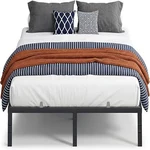
VASAGLE Queen Metal Platform Bed Frame – $44.95 A 1,100 lb-rated steel platform frame with built-in slat support, so no separate box spring is needed — the single biggest cost saving metal frames offer over wood.
|
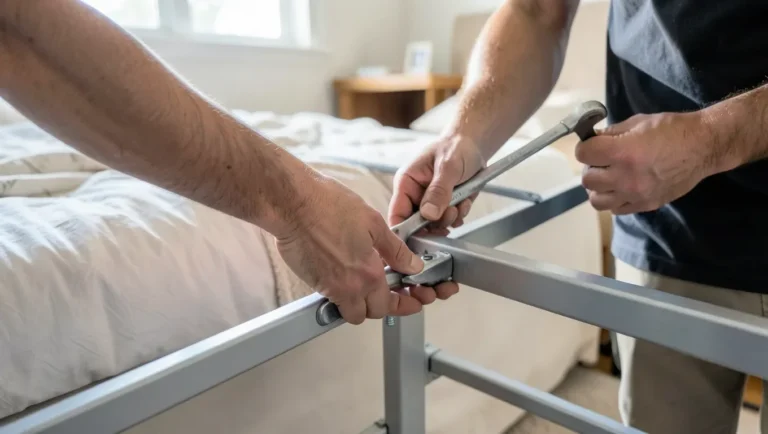
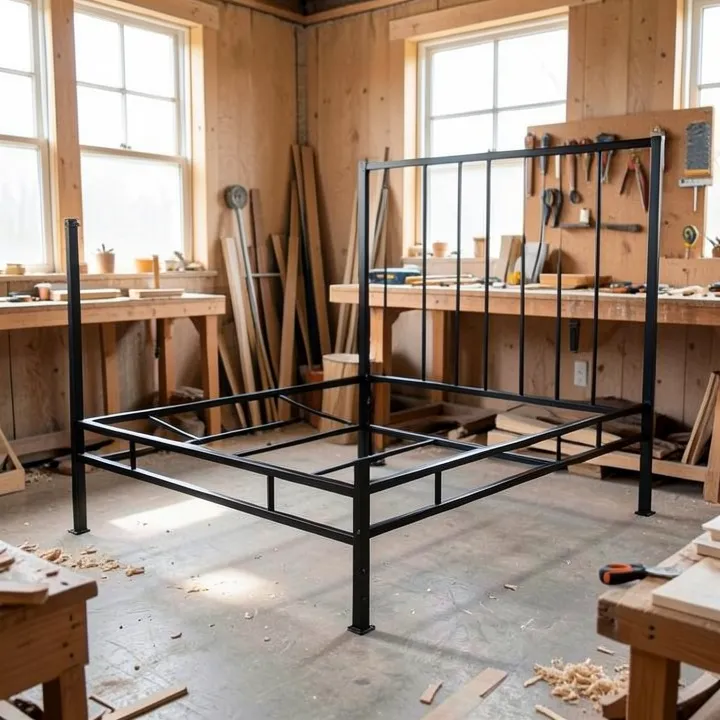
A metal bed frame is typically welded or bolted steel, sometimes iron, aluminum, or brass for higher-end designs. Steel frames commonly carry weight ratings in the 700-1,100+ lb range for a queen size, which comfortably covers two adults plus a mattress and box spring. They usually ship flat-packed and require assembly, but that assembly also means they disassemble easily for moving.
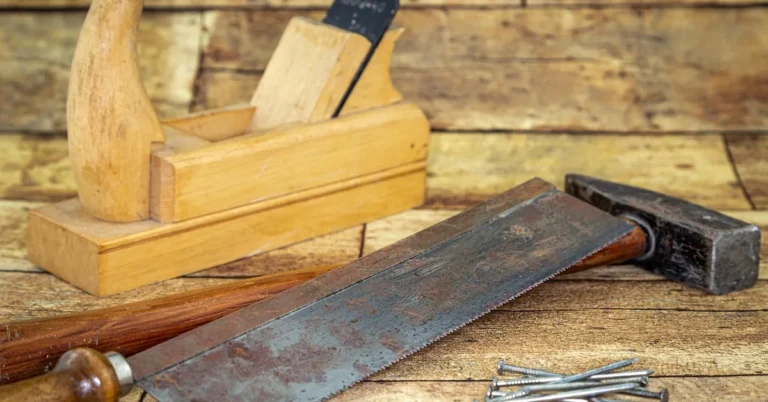
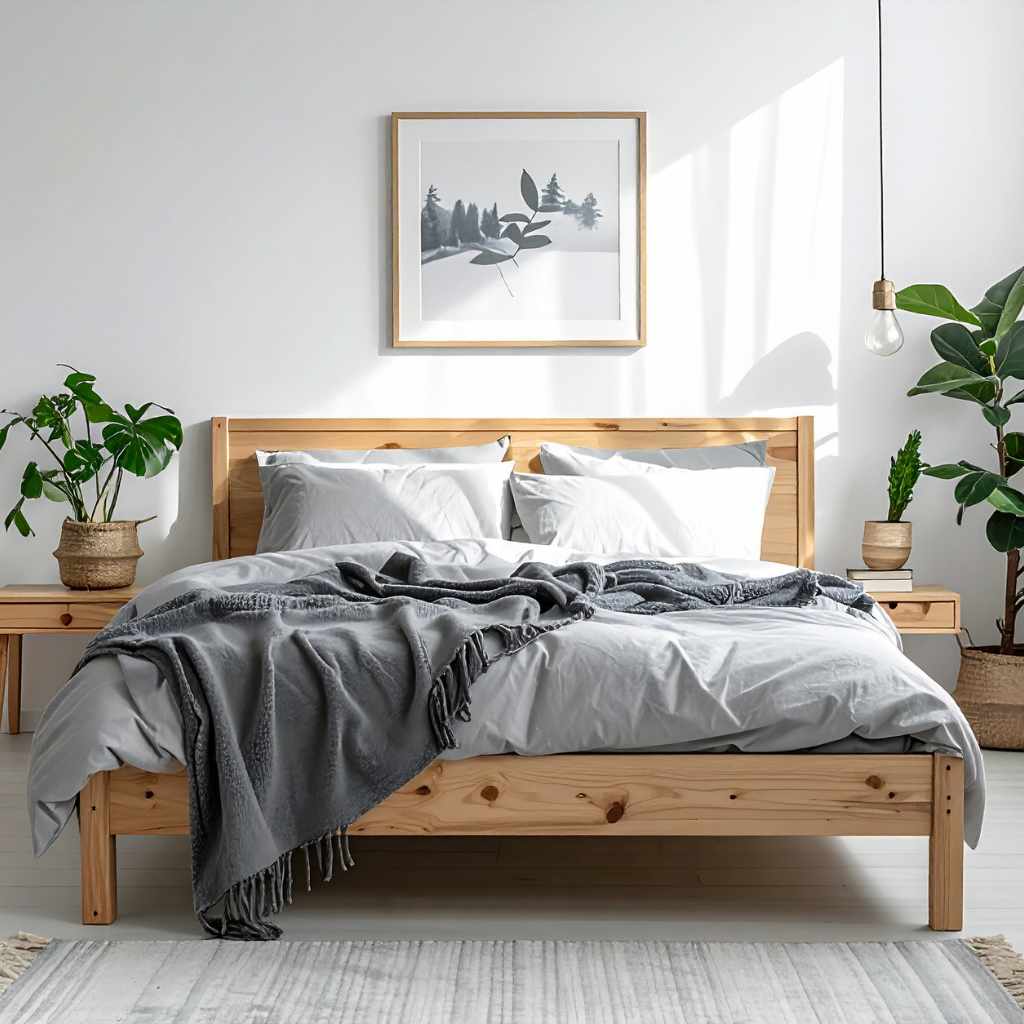
Wood frames range from engineered products (particleboard, MDF) to softwoods like pine to hardwoods like oak, maple, or cherry. Hardwood frames are considerably harder and more dent-resistant — oak runs around 1,290 Janka hardness versus pine’s roughly 380-870 depending on species — which is the real reason a hardwood frame costs more and survives decades of use better than a pine one.
If You’re Leaning Metal
Metal Bed Frames: Pros and Cons
- Durability and weight capacity: a well-made steel frame easily lasts decades and typically carries a higher weight rating than a comparable wood frame at the same price point.
- Pest resistance: metal doesn’t host termites or provide the organic material bed bugs and wood-boring insects target.
- Often no box spring needed: most modern metal platform frames include slat or mesh support built in, saving the cost of a separate foundation.
- Fire resistance: steel doesn’t combust the way wood does, a minor but real safety consideration.
- Squeaking over time: the most common complaint — bolted joints loosen with use and start rubbing. Preventable with periodic bolt checks and felt or rubber spacers at contact points.
- Feels cold and less cozy: steel conducts heat away from your body far faster than wood, noticeable if you sit on the frame’s edge in a cold room.
- Dents and scratches show through the coating if the frame takes a hard hit, since most are only surface-coated rather than solid through.
Wood Bed Frames: Pros and Cons
- Natural warmth, both visually and to the touch: wood’s lower thermal conductivity means it never feels cold, and grain patterns add character no two frames share.
- Quieter over the long run when well-built, since wood-to-wood joints (especially mortise-and-tenon) don’t rub and squeak the way metal-on-metal bolted joints do as they loosen.
- Repairable, not just replaceable: scratches, dents, and even some structural issues can be sanded, filled, and refinished, extending a wood frame’s usable life well beyond a comparable metal one.
- Susceptible to pests and humidity: termites and wood-boring insects target it directly, and seasonal humidity swings can cause warping, cracking, or joints working loose over years.
- Heavier and pricier at the hardwood end: a solid oak frame costs meaningfully more than steel and is harder to move, though pine and engineered-wood frames close much of that price gap.
- Flammable, unlike metal, which matters marginally for fire-safety-conscious buyers.
Head-to-Head on the Things People Actually Notice
Noise After a Year of Use
This is where the two materials genuinely diverge. A metal frame’s bolted joints are mechanically prone to loosening with repeated flexing, and once a joint has even a fraction of a millimeter of play, it squeaks. A wood frame joined with mortise-and-tenon or dowel construction resists this because wood-to-wood friction fit doesn’t loosen the same way metal bolts do — but a cheap wood frame held together with only screws and metal brackets can develop the exact same squeaking problem as a metal frame.
Cost Over the Ownership Period
Entry-level steel frames are cheaper upfront and often skip the box-spring cost. But a quality hardwood frame‘s ability to be refinished rather than replaced can make it the better long-term value if you keep furniture for 15+ years — a sanded-and-refinished wood frame at year 15 still looks intentional, while a scratched, dented steel frame at year 15 usually looks like it needs replacing.
Which One Should You Actually Buy?
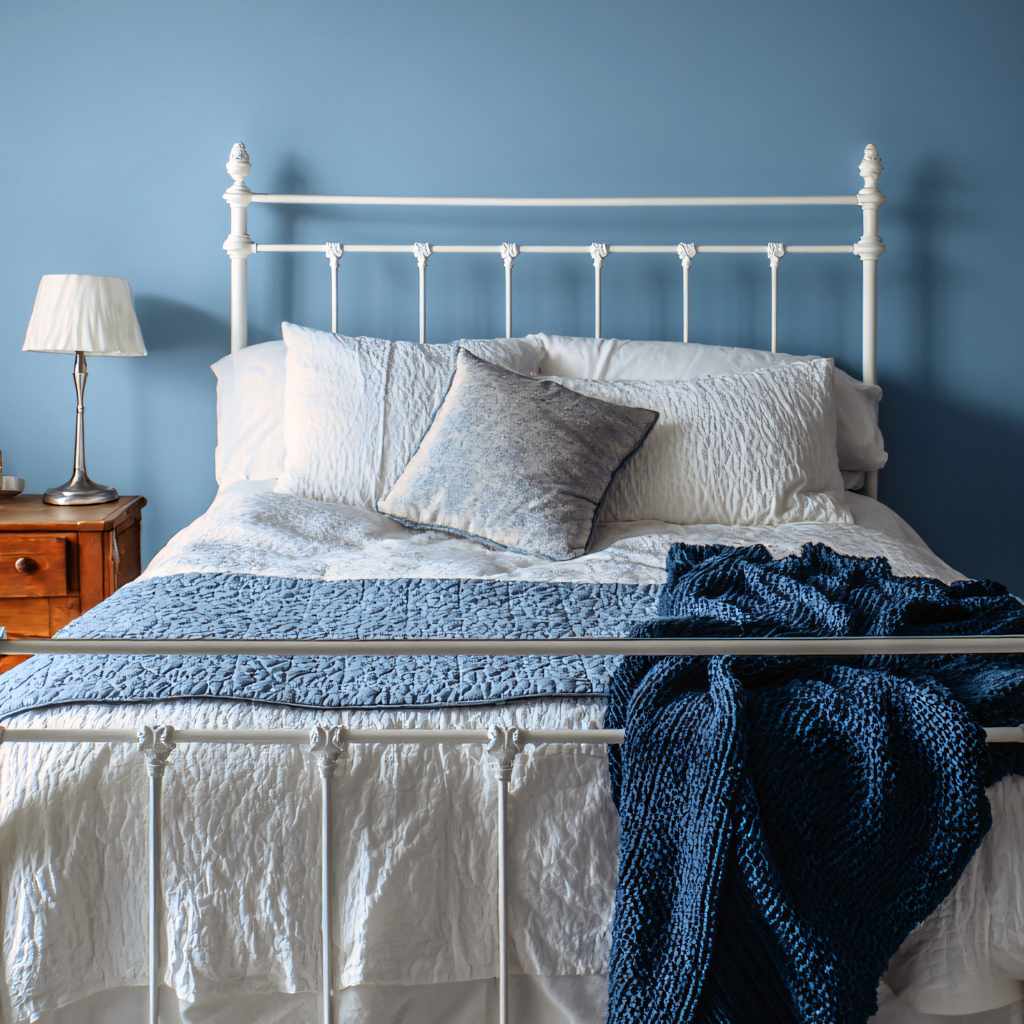
Choose metal if: you want the lowest upfront cost, you move often and need something that disassembles easily, you’re specifically worried about pests, or you prefer a minimalist/industrial look.
Choose wood if: you plan to keep the frame long-term and value being able to refinish it rather than replace it, you want a quieter bed over the long run, or the room’s design calls for wood’s warmth and grain character.
Frequently Asked Questions
Which type of bed frame is best for small bedrooms?
A metal platform frame with a minimalist design usually reads as less visually bulky than a solid wood frame of the same footprint, and many metal frames offer under-bed storage clearance, which matters more in a tight room than the material itself.
Can I put a memory foam mattress on either type of frame?
Yes. Memory foam works on both, provided the frame has sturdy, closely spaced slats (generally no more than 2-3 inches apart) to prevent the foam from sagging into the gaps over time.
What should I do if my metal frame starts to squeak?
Tighten every bolt first, since loosened hardware is the most common cause. If tightening doesn’t fully fix it, add small pieces of felt or rubber between metal parts that contact each other, and use a lubricant like WD-40 sparingly on remaining friction points.
Are wood bed frames sturdy enough for adjustable mattresses?
Many are, but it depends on the specific frame’s slat spacing and construction quality — look for closely spaced, solidly attached slats or a solid platform base. Some adjustable base manufacturers list specific frame compatibility requirements, so check those before buying either material.
Final Thoughts
Metal wins on upfront cost, weight capacity, and pest resistance. Wood wins on long-term quiet, warmth, and the ability to refinish rather than replace it. Neither is the objectively “better” material — the right choice comes down to whether you’d rather manage occasional squeaking or occasional refinishing over the years you own the bed.
Sponsored / affiliate links. As an Amazon Associate I earn from qualifying purchases. I may earn additional commission from eligible campaigns.