Metal Buildings vs Wood Buildings: Cost, Durability & Uses
Deciding between metal buildings and wood buildings can feel like a puzzle for many people just starting out. There are lots of things to think about, like how much they cost, how long they last, and what you can use them for. It’s easy to get a bit confused with all the information out there.
But don’t worry! We’re going to break down Metal Buildings vs Wood Buildings: Cost, Durability & Uses in a really simple way. We’ll go through everything step-by-step so you can make the best choice for your needs.
Let’s get started by looking at what makes each type of building special.
Metal Buildings Versus Wood Buildings Cost Durability Uses
When you’re planning to build something, one of the first big questions is what material to use. Two very common choices are metal and wood. Both have been used for ages and have their own strengths.
Your choice will depend a lot on what you need the building for, how much you want to spend, and how long you expect it to last. We’ll explore the differences in cost, how tough they are, and the many ways you can use them.
Understanding Building Materials
Building a structure is a significant undertaking, and the choice of materials plays a massive role in its success. Metal and wood have long been the top contenders for various construction projects. Each offers a unique set of characteristics that impact everything from the initial price tag to long-term maintenance and aesthetic appeal.
Understanding these core differences is key to making an informed decision that aligns with your goals and budget.
Cost Comparison Metal Versus Wood
The initial cost is often the most significant factor for many people. Metal buildings, especially pre-fabricated kits, can sometimes have a lower upfront cost. This is because they often come with standardized parts that are quicker to assemble.
The cost of raw materials can also fluctuate, but steel prices have been relatively stable, making budgeting easier for some projects. Shipping costs for large metal components can add up, though, especially if you’re in a remote location.
Wood buildings, on the other hand, can have a variable cost depending on the type of wood used, local lumber prices, and the complexity of the design. While some basic wood sheds might be cheaper initially, larger or custom-designed wooden structures can quickly become more expensive than their metal counterparts. Labor costs can also be a factor.
While skilled labor is needed for both, some find that traditional carpentry for wood structures can be more labor-intensive, potentially increasing overall project costs.
Here’s a quick look at cost factors:
- Metal Buildings: Often lower initial material cost for standard kits, predictable pricing, but shipping can be expensive.
- Wood Buildings: Variable costs based on wood type and design, can be cheaper for small structures but more expensive for complex designs.
Durability and Longevity
When we talk about how long a building will last and how well it stands up to the elements, durability is key. Metal buildings are known for their strength and resistance to many common problems that affect wood.
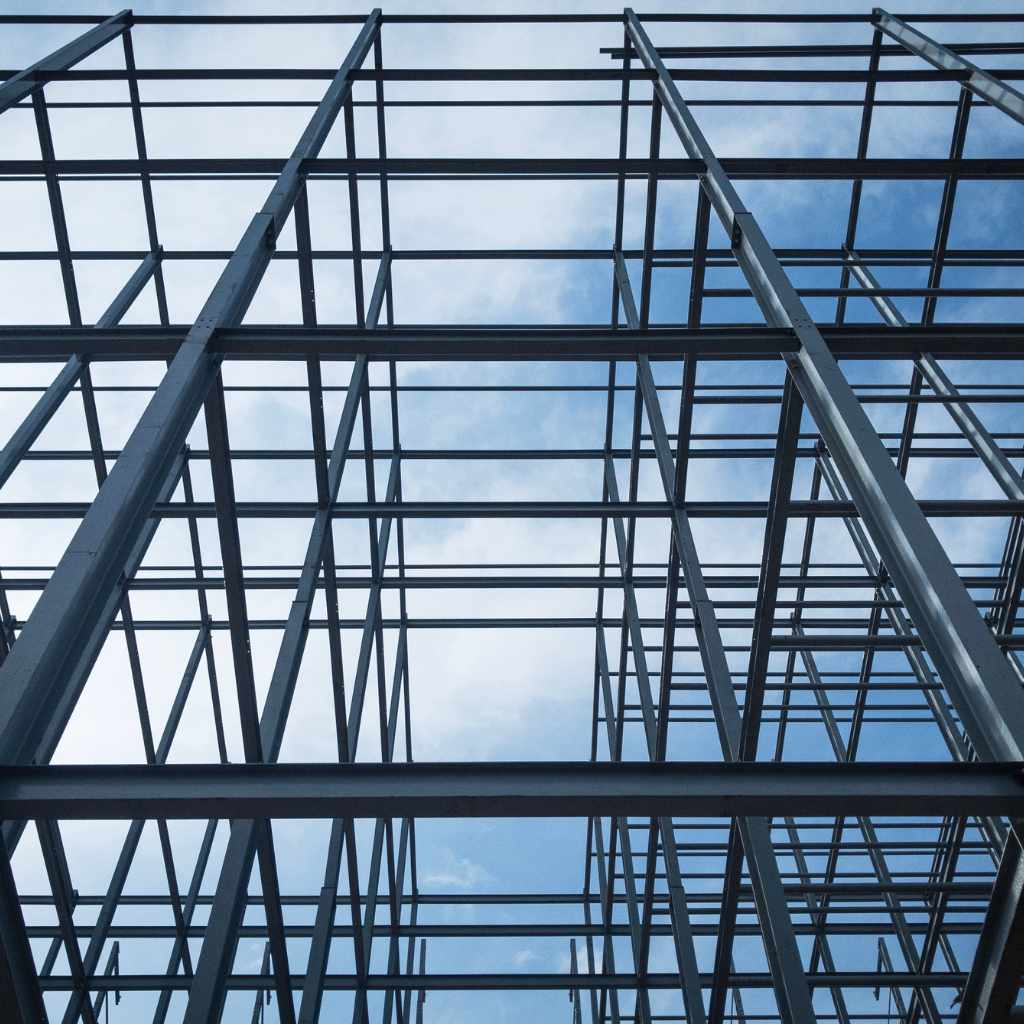
Steel, the primary material for metal buildings, is very strong and can withstand high winds and heavy snow loads. It doesn’t rot, warp, or get eaten by insects like termites or carpenter ants, which are common headaches for wood structures. Metal is also generally resistant to mold and mildew.
However, it can rust if the protective coating is damaged or if exposed to corrosive environments for long periods. Proper coatings and galvanized steel greatly reduce this risk.
Wood buildings, while classic and visually appealing, are more susceptible to wear and tear over time. They can be damaged by moisture, leading to rot and mold. Pests like termites can compromise the structural integrity.
Fire is also a greater risk with wood. However, wood is a natural insulator and can be treated to improve its resistance to decay and insects. With regular maintenance, such as sealing and painting, wood structures can last for many decades.
Consider these durability aspects:
| Feature | Metal Buildings | Wood Buildings |
|---|---|---|
| Strength | Very high resistance to wind, snow, and impact. | Good strength, but can be affected by extreme weather without proper reinforcement. |
| Pest Resistance | Excellent, not susceptible to termites or other wood-boring insects. | Susceptible to termites, carpenter ants, and other wood-boring pests. |
| Rot/Mold Resistance | Excellent, not organic material. | Susceptible if exposed to moisture; requires sealing and protection. |
| Fire Resistance | Non-combustible. | Combustible; requires fire-retardant treatments or designs for higher safety. |
| Maintenance | Low, occasional checks for rust or coating damage. | Higher, requires regular sealing, painting, and pest control. |
Versatility and Uses
Both metal and wood buildings are incredibly versatile, but they often lend themselves to different types of projects or offer distinct advantages for specific uses. The choice can often come down to aesthetics, the environment, and the intended function of the building.
Metal buildings are fantastic for large open spaces. Their structural design allows for clear spans without the need for many interior support columns. This makes them ideal for agricultural use like barns, equipment storage, and livestock shelters.
They are also popular for garages, workshops, industrial facilities, and even commercial storage units. Their speed of assembly can be a major plus for businesses that need to get up and running quickly. The sleek, modern look of metal is also favored by some for contemporary home additions or studio spaces.
Wood buildings offer a classic, warm aesthetic that many people prefer for homes, cabins, and traditional barns. They are excellent for residential construction, providing a familiar and comfortable feel. Wood is also easier to modify and customize on-site compared to pre-fabricated metal kits.
If you want to add windows, doors, or interior walls later on, it’s generally simpler with a wood frame. For hobbyists, a wooden shed or workshop can be a very appealing choice, offering a traditional workshop environment.
Here are some common uses:
- Metal Buildings: Agricultural buildings, garages, workshops, industrial storage, commercial spaces, carports.
- Wood Buildings: Residential homes, cabins, traditional barns, sheds, garages, playhouses.
Environmental Considerations
Thinking about the environment is important for many building projects today. Both metal and wood have their own environmental profiles.
Metal buildings, especially those made from recycled steel, can have a significant recycled content. Steel is also highly recyclable at the end of its lifespan, making it a material that can be reused repeatedly. The manufacturing of steel is energy-intensive, but modern processes are becoming more efficient.
Metal buildings are also known for their low waste during construction, as components are often pre-cut.
Wood is a renewable resource if it comes from sustainably managed forests. It sequesters carbon from the atmosphere as it grows, which can be a benefit. However, the harvesting of timber can lead to deforestation if not managed properly.
The energy used in processing wood into lumber is generally less than that for steel. Wood is also biodegradable, which is an advantage at the end of its life, but it can also contribute to landfill waste if not managed.
Maintenance and Upkeep
The long-term effort and cost of maintaining a building are crucial considerations. Metal buildings generally require less day-to-day maintenance.
For metal structures, the primary concern is preventing rust. This usually involves ensuring the protective paint or coating remains intact. If you notice any scratches or areas where the coating is damaged, it’s best to touch them up promptly to prevent rust from starting.
Cleaning the exterior with mild soap and water is usually sufficient. Beyond that, metal buildings are quite low maintenance.
Wood buildings demand more consistent upkeep. They need to be regularly inspected for signs of rot, insect infestation, or water damage. Painting or staining the wood is essential to protect it from the elements and UV rays.
This needs to be done every few years, depending on the climate and the quality of the finish. Gutters and downspouts should also be kept clear to prevent water from pooling against the wood, which can lead to rot.
Assembly and Construction
How easy or difficult it is to put up a building can significantly impact your project timeline and budget. Metal buildings are often sold as pre-engineered kits. This means the components are manufactured to precise specifications and designed to fit together easily.
This can lead to faster assembly times, especially for straightforward designs. Many people can erect a basic metal building with a few friends and basic tools, though larger structures will require professional help.
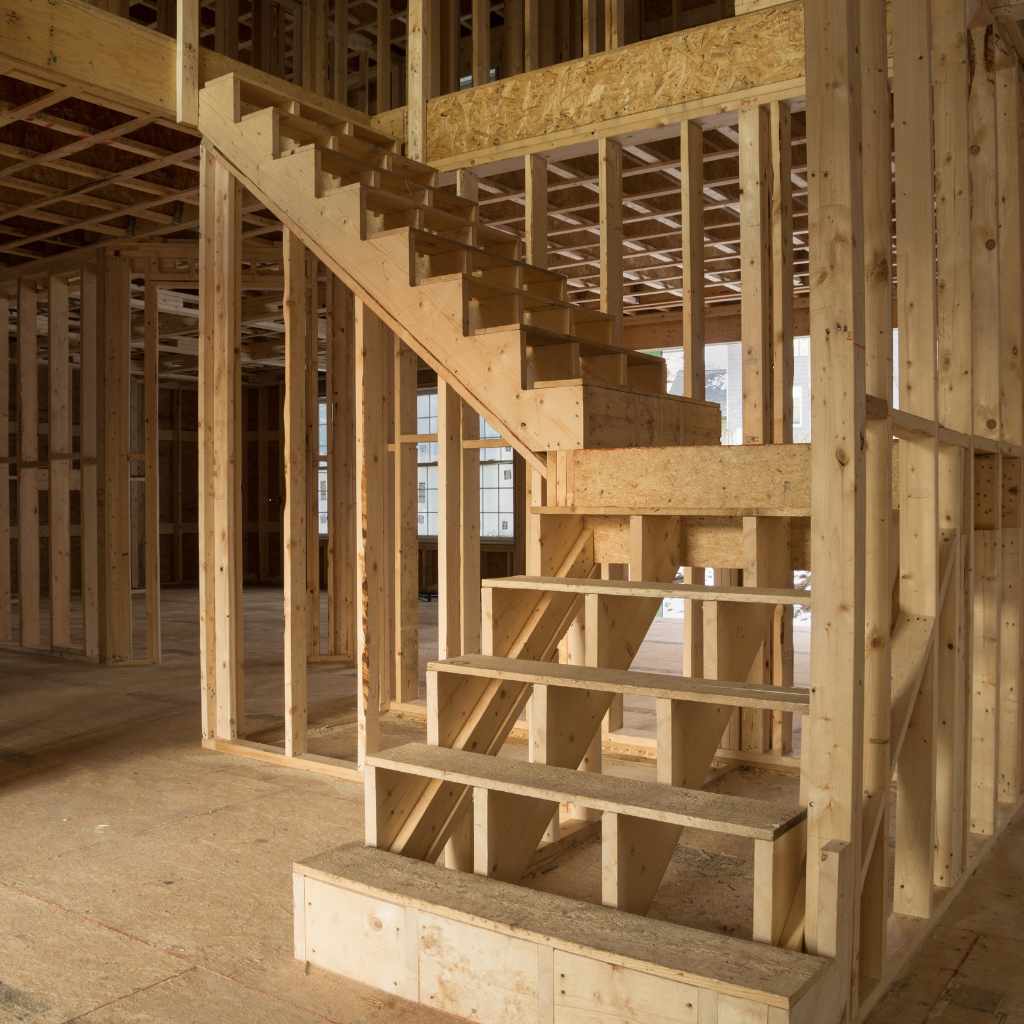
Wood construction is a more traditional craft. While pre-cut lumber and advanced framing techniques exist, building with wood often involves more on-site cutting, fitting, and fastening. This requires a good understanding of carpentry.
For complex designs, custom wood buildings can take longer to construct than pre-fab metal buildings. However, the availability of skilled carpenters means that many different designs are possible, offering a great deal of flexibility.
Aesthetic and Design Flexibility
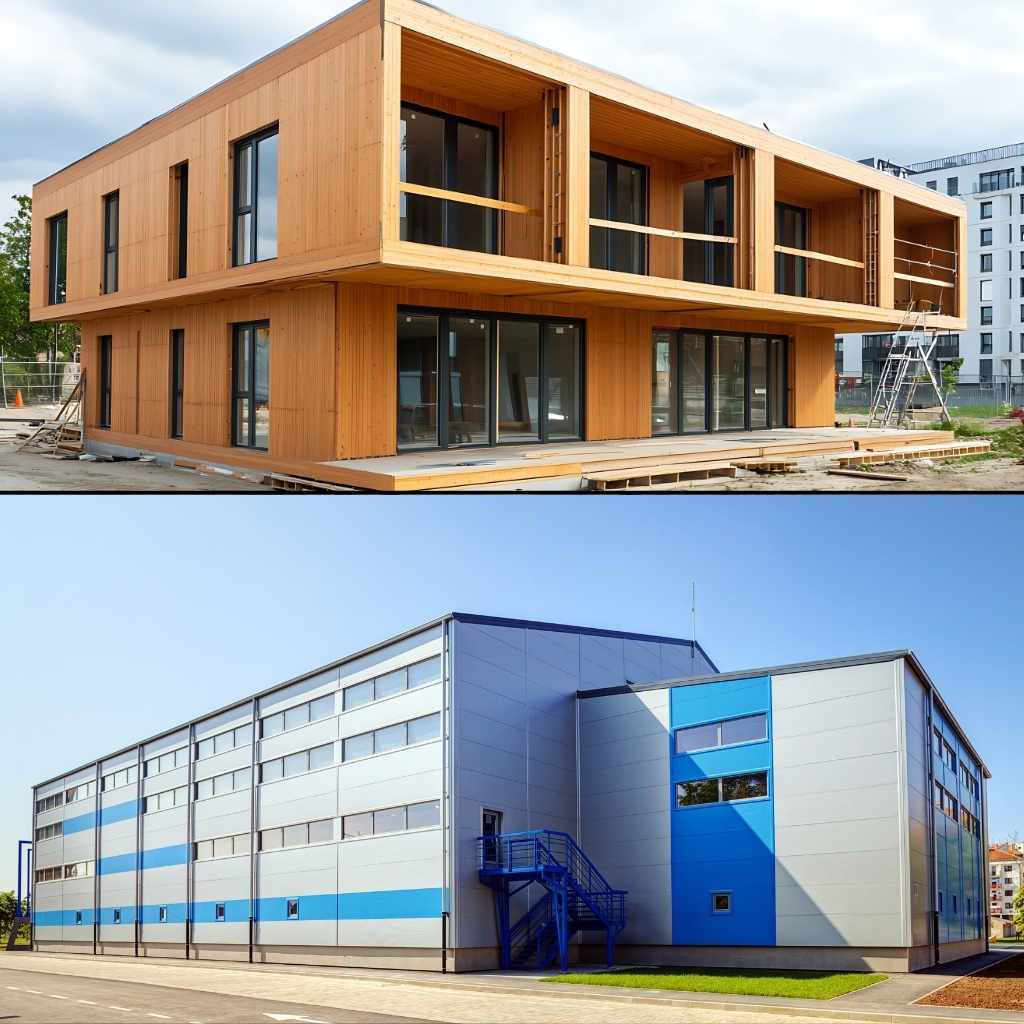
The way a building looks and the freedom you have to design it are important for many owners. Metal buildings have a distinct, often industrial or modern appearance. While they can be painted in a wide range of colors, their form is often dictated by the pre-engineered components.
This can limit unique architectural expressions for those seeking a very traditional or ornate look.
Wood offers unparalleled design flexibility. It can be shaped, carved, and finished in countless ways to achieve almost any architectural style, from rustic cabins to elegant Victorian homes. The natural warmth and texture of wood are highly valued for residential and decorative structures.
It allows for a wide variety of rooflines, window styles, and exterior finishes, offering a more organic and customizable aesthetic.
Frequently Asked Questions
Question: Which type of building is generally more affordable for a small workshop
Answer: For a small workshop, a pre-fabricated metal building kit is often more affordable upfront due to standardized parts and quicker assembly. However, local lumber prices and simple designs can sometimes make wood competitive.
Question: What is the main advantage of metal buildings for agricultural use
Answer: The main advantage of metal buildings for agricultural use is their strength, durability, and low maintenance. They are resistant to pests, rot, and fire, and can provide large, clear spans for equipment storage and livestock.
Question: How does climate affect the choice between metal and wood buildings
Answer: In areas with extreme weather like high winds or heavy snow, metal buildings often offer superior structural integrity. In very humid climates prone to rot and pests, metal has an advantage. Wood requires more consistent protection in challenging climates.
Question: Can metal buildings be insulated as effectively as wood buildings
Answer: Yes, metal buildings can be effectively insulated. Insulation materials can be installed within the framing or added as panels. Wood is a natural insulator but can also be supplemented with various insulation types.
Question: Which building material is considered more environmentally friendly
Answer: Both have environmental considerations. Metal is highly recyclable. Wood is a renewable resource if sourced sustainably and sequesters carbon.
The manufacturing energy differs, and end-of-life impacts vary.
Final Thoughts
Choosing between metal and wood buildings involves weighing several key factors that will shape your project from start to finish and for years to come. Metal buildings often stand out for their impressive durability, resistance to pests and rot, and the potential for faster, more predictable construction, making them excellent for practical applications like storage, workshops, and agricultural structures. Their strength against harsh weather is a significant plus.
On the other hand, wood buildings offer a timeless aesthetic, incredible design flexibility, and a natural warmth that is hard to replicate, making them a top choice for homes and structures where visual appeal and customization are paramount. While wood requires more regular upkeep to ward off the elements and insects, its renewable nature and classic charm are highly valued.
Think about what matters most to you. If your priority is low maintenance, speed of construction, and resistance to extreme conditions, metal might be your best bet. If you dream of a building with a traditional look, the ability to easily adapt the design, and a connection to natural materials, wood could be the way to go.
By considering the cost, how long each material will last, and how you plan to use the space, you can confidently select the material that best fits your needs and your vision. Start by defining your primary goals for the structure, and let those guide you toward the right material choice.