Metal File vs Wood File: Differences and Uses
When you’re working on a project, knowing which tool to use makes all the difference. For many, the Metal File vs Wood File: Differences and Uses can seem a bit tricky at first. Don’t worry, though!
It’s simpler than you might think, and we’re here to break it all down for you. We’ll walk through what makes them different and when you should reach for each one. Let’s get started on making sure you have the right tool for the job.
Understanding Metal Files and Wood Files
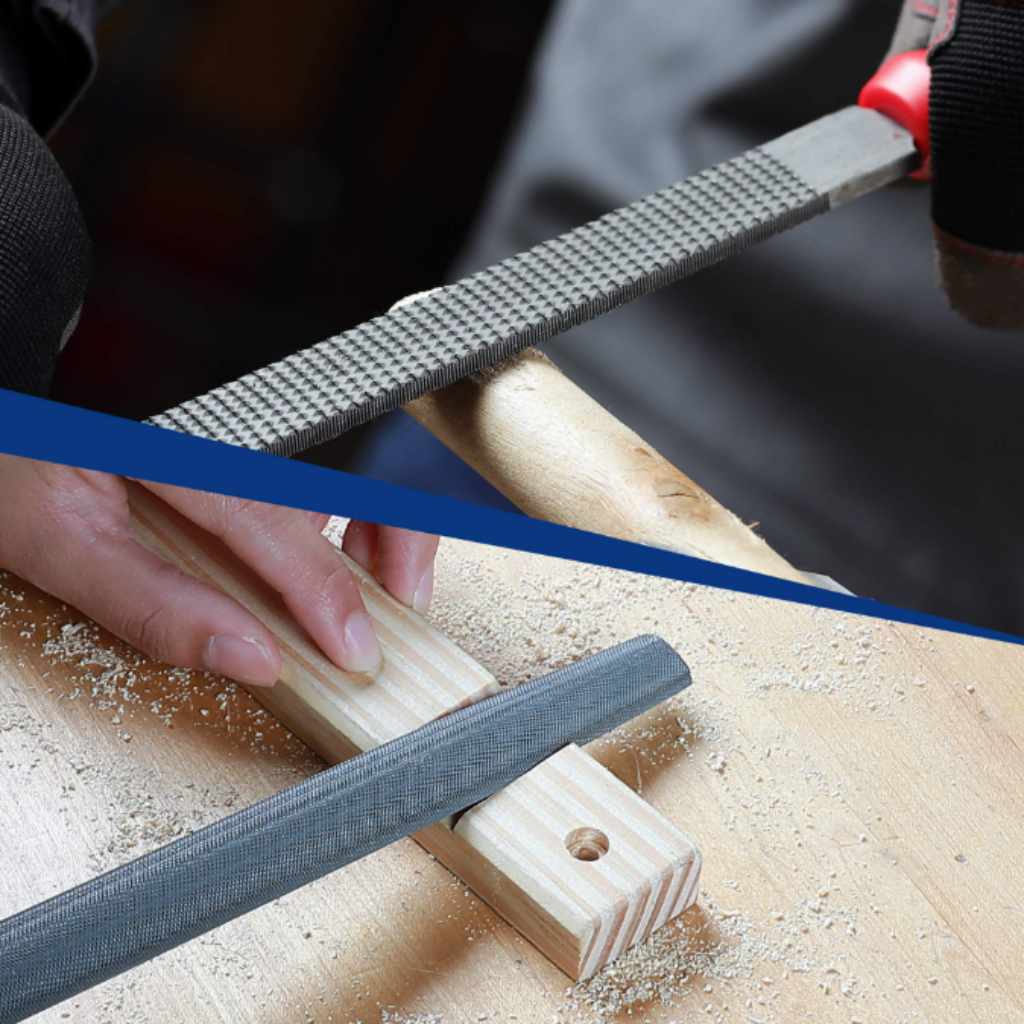
Files are everyday tools used to shape, smooth, or remove material from surfaces. They work by using rough teeth to shave away small bits of the material. The main difference between a metal file and a wood file comes down to the teeth and how they are designed to interact with different materials.
Using the wrong file can slow you down, make your work harder, or even damage your workpiece or the file itself. We’ll explore how these differences affect their performance.
What is a Metal File?
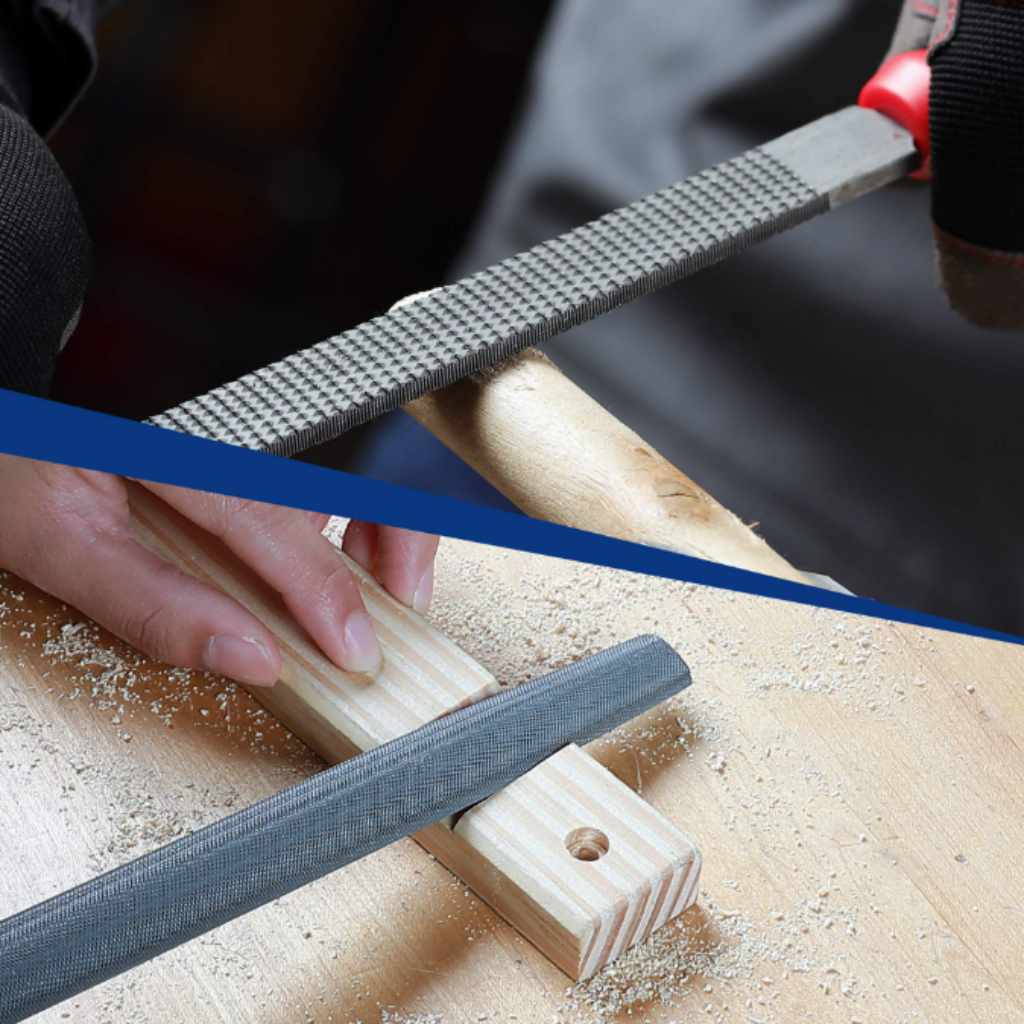
A metal file is designed specifically for working with harder materials, primarily metals, but they can also be used on hard plastics or even very hard wood. The teeth on a metal file are generally sharper and closer together. This allows them to cut into tough surfaces effectively without clogging up too quickly.
The angle and shape of these teeth are optimized to shave off fine particles of metal.
Types of Metal File Teeth
Metal files come with various types of teeth, each suited for different tasks:
- Single-cut files have rows of teeth cut in one direction. These are good for producing a smoother finish and are often used for sharpening or shaping harder metals.
- Double-cut files have two sets of teeth cut in opposite directions. This makes them more aggressive and faster at removing material, ideal for rough shaping of metals.
- Rasp-cut files have individual, raised teeth. While sometimes used on softer metals, they are more commonly associated with wood.
Common Uses for Metal Files
Metal files are indispensable for many tasks:
- Deburring sharp edges on metal parts after cutting or drilling.
- Shaping and fitting metal components.
- Smoothing out rough spots on metal surfaces.
- Sharpening tools like chisels or blades.
- Cleaning up welds.
What is a Wood File (or Rasp)?
A wood file, often called a rasp, is built for softer materials like wood. Its teeth are larger, more pointed, and spaced further apart than those on a metal file. This design prevents the file from getting clogged with wood dust and shavings, which can easily happen with a metal file.
The aggressive teeth of a wood file are made to quickly remove wood material.
Types of Wood File Teeth
Wood files and rasps have teeth that are quite different from standard metal files:
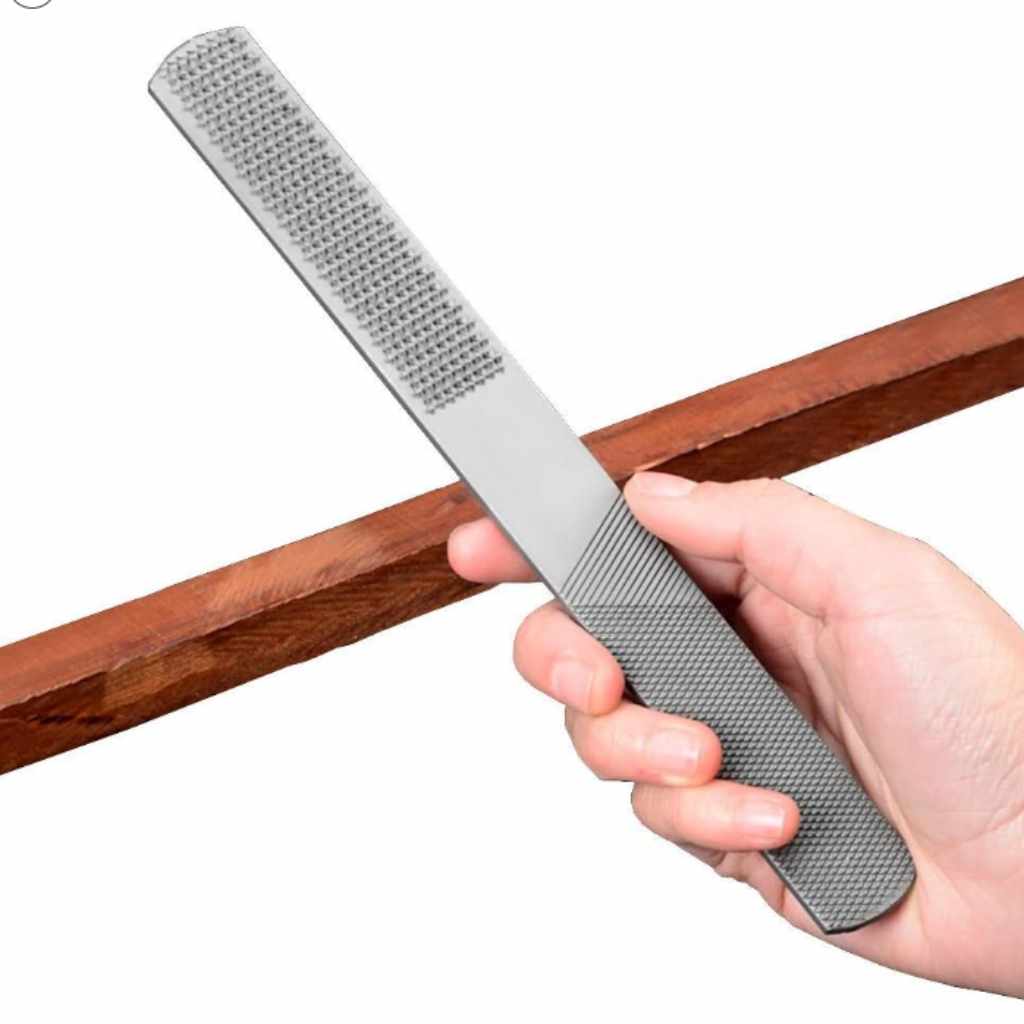
- Rasp Teeth are individual, sharp projections that tear away material. These are very aggressive and great for rapid shaping.
- Wood File Teeth are more like fine, sharp chisels set at an angle. They offer a bit more control and a smoother cut than rasps.
Common Uses for Wood Files
Wood files and rasps are essential for woodworking:
- Rough shaping of wooden pieces, like chair legs or decorative elements.
- Smoothing out rough cuts or saw marks in wood.
- Creating curves and contours in wood.
- Removing excess wood glue.
- Preparing wood surfaces for sanding.
Key Differences at a Glance
Let’s look at how these two types of files stack up against each other:
| Feature | Metal File | Wood File/Rasp |
|---|---|---|
| Teeth Design | Sharp, fine, closely spaced rows (single or double cut) | Larger, pointed, widely spaced teeth (rasp) or chisel-like (wood file) |
| Material Best For | Metal, hard plastic | Wood, soft plastics, leather |
| Cutting Action | Shaves material | Tears or chips away material |
| Clogging Tendency | Lower with appropriate material; higher with wood | Low with wood; can clog with metal |
| Speed of Removal | Moderate to fast, depending on cut | Very fast |
| Finish | Can achieve smooth finishes with finer cuts | Typically rougher, requires sanding for smoothness |
The way the teeth are shaped and spaced is the most significant difference. Metal files aim for a more controlled, shaving action, while wood files and rasps are designed for aggressive material removal. This makes choosing the right file crucial for efficient work and a good final result.
Can You Use a Metal File on Wood?
Technically, yes, you can use a metal file on wood. However, it’s generally not recommended, especially for significant work. The fine, close teeth of a metal file will quickly get clogged with wood dust and shavings.
This makes the file much less effective and can even damage the wood by tearing fibers instead of cutting them cleanly. If you’re only doing a tiny touch-up on a hard wood, a fine metal file might work, but it’s far from ideal.
Trying to file wood with a metal file is like trying to comb your hair with a garden rake; it’s not built for the task and will likely cause more problems than it solves. You’ll spend more time cleaning the file than actually filing, and the finish won’t be as smooth as if you used the correct tool.
Can You Use a Wood File on Metal?
Using a wood file or rasp on metal is an even worse idea than using a metal file on wood. The large, aggressive teeth of a wood file are not designed to cut hard metal. Instead of shaving metal, they will likely skip across the surface, dull themselves very quickly, and potentially damage the metal workpiece by gouging or scratching it.
You won’t achieve any meaningful material removal, and you’ll ruin the wood file in the process.
Think of it this way: a wood file’s teeth are like tiny chisels meant to break apart softer materials. Metal is much harder and requires a different kind of cutting edge. Attempting to file metal with a wood file is a sure way to break the file’s teeth and make the tool useless for its intended purpose.
Choosing the Right File for Your Project
Selecting the correct file is all about matching the tool to the material and the task at hand. Here’s a simple way to decide:
- Identify your material: Are you working with metal, wood, plastic, or something else?
- Consider the task: Do you need to shape, smooth, sharpen, or remove a lot of material?
- Match the file to the material: For metals, reach for a metal file. For wood, a wood file or rasp is your best bet.
If you have a small project that requires some delicate shaping on metal, a fine-cut metal file would be appropriate. If you’re carving out a hollow in a piece of wood, a coarse rasp would be the fastest and most effective choice.
Grades of Files
Files also come in different grades, which refer to the coarseness of the teeth. This applies to both metal and wood files.
- Coarse (Bastard Cut): These files have widely spaced, large teeth. They remove material quickly and are used for rough shaping. Wood rasps are generally considered very coarse.
- Medium (Second Cut): These offer a balance between speed and smoothness. They are good for general-purpose filing.
- Fine (Smooth Cut): These have very fine, closely spaced teeth. They produce a smooth finish and are used for finishing work or sharpening.
When you’re starting out, it’s often best to have a medium-grade file for general tasks and then acquire finer or coarser ones as you encounter specific needs.
File Shapes
Beyond the teeth, files also come in various shapes, which are suited for different types of work. The shape of the file influences where and how you can use it.
- Flat files: These have a rectangular cross-section and are good for general filing of flat surfaces.
- Half-round files: These are flat on one side and rounded on the other, making them versatile for both flat and curved surfaces.
- Round files: These are circular in cross-section and are used for enlarging and shaping holes or concave curves.
- Round edge files (or Three-square files): These have a triangular cross-section and are useful for filing internal corners, angles, and slots.
- Needle files: These are small, fine-toothed files used for detailed work, often in jewelry making or model building.
Both metal and wood files come in these various shapes, so you can choose a shape that fits the contours of your workpiece.
When to Use Which Tool
To make things really clear, let’s think about some common scenarios:
Scenario 1: You need to smooth down a rough edge on a piece of sheet metal.
Your choice: Metal File. A flat metal file with a medium or fine cut would be perfect for this. It will shave off the burrs cleanly without clogging.
Scenario 2: You’re shaping a piece of pine for a birdhouse, and it needs to be rounded.
Your choice: Wood File or Rasp. A wood rasp would be great for quickly removing material to get the basic curve, followed by a wood file for a smoother finish. A metal file would just get gummed up.
Scenario 3: You need to fit two metal pipes together that are slightly too large.
Your choice: Metal File. A double-cut metal file would be effective for removing material from the ends of the pipes until they fit snugly. You’d likely finish with a single-cut file for a smoother edge.
Scenario 4: You’re carving details into a wooden sculpture.
Your choice: Wood File or Rasp. Depending on the level of detail, you might use a coarse rasp for initial shaping and then switch to a finer wood file or even needle files for intricate work. Metal files are not suitable here.
Scenario 5: You’ve accidentally nicked a hard plastic component and need to smooth it out.
Your choice: Metal File. Hard plastics behave more like metals when it comes to filing. A fine-cut metal file will work best to remove the imperfection without excessive tearing.
Maintaining Your Files
To get the best performance and longest life from your files, proper maintenance is key:
- Keep them clean: After each use, use a wire brush designed for files (a file card) to remove debris from the teeth.
- Store them properly: Don’t toss files into a toolbox where they can bang against other tools. Store them individually or in a rack to prevent the teeth from becoming damaged.
- Use them correctly: Always file in the direction of the teeth, and lift the file on the return stroke. Avoid forcing the file; let the teeth do the work.
- Use the right file for the job: As we’ve discussed, using a wood file on metal or vice versa will ruin the file quickly.
Taking care of your files means they’ll take care of your projects, providing consistent results for years to come.
Frequently Asked Questions
Question: What is the main difference between a metal file and a wood file?
Answer: The main difference lies in the design of their teeth. Metal files have finer, sharper, and more closely spaced teeth for cutting hard materials, while wood files and rasps have coarser, larger, and widely spaced teeth to efficiently remove wood and avoid clogging.
Question: Can I use a metal file for rough shaping wood?
Answer: It’s not ideal. Metal files will clog easily with wood dust and fibers, making them ineffective and potentially damaging the wood. A wood file or rasp is much better suited for rough shaping wood.
Question: Will using a wood file on metal damage the file?
Answer: Yes, using a wood file on metal will quickly dull its teeth and can even break them. The file is not designed to cut hard metal, so it’s best to avoid this practice.
Question: What type of file should I use for smoothing metal?
Answer: For smoothing metal, you should use a metal file. The grade (coarseness) depends on how rough the surface is; a smooth-cut metal file is best for a fine finish.
Question: How do I clean wood dust out of a wood file?
Answer: You can use a stiff brush, like a file card or a stiff bristle brush, to brush out wood dust and shavings from the teeth of a wood file. Doing this regularly helps keep the file effective.
Final Thoughts
Understanding the distinction between a metal file and a wood file, or rasp, is fundamental for anyone who works with their hands. The core idea is that different materials require different cutting actions, and file teeth are designed to provide that. When you encounter metal, its hardness calls for the precise, shaving action of a metal file.
For the softer, fibrous nature of wood, the aggressive, tearing action of a wood file or rasp is what you need. By matching the file’s teeth to the material you’re working on, you ensure efficient material removal, a cleaner finish, and a longer life for your tools. Always remember to inspect your workpiece and your file to make sure they are a good match before you start.