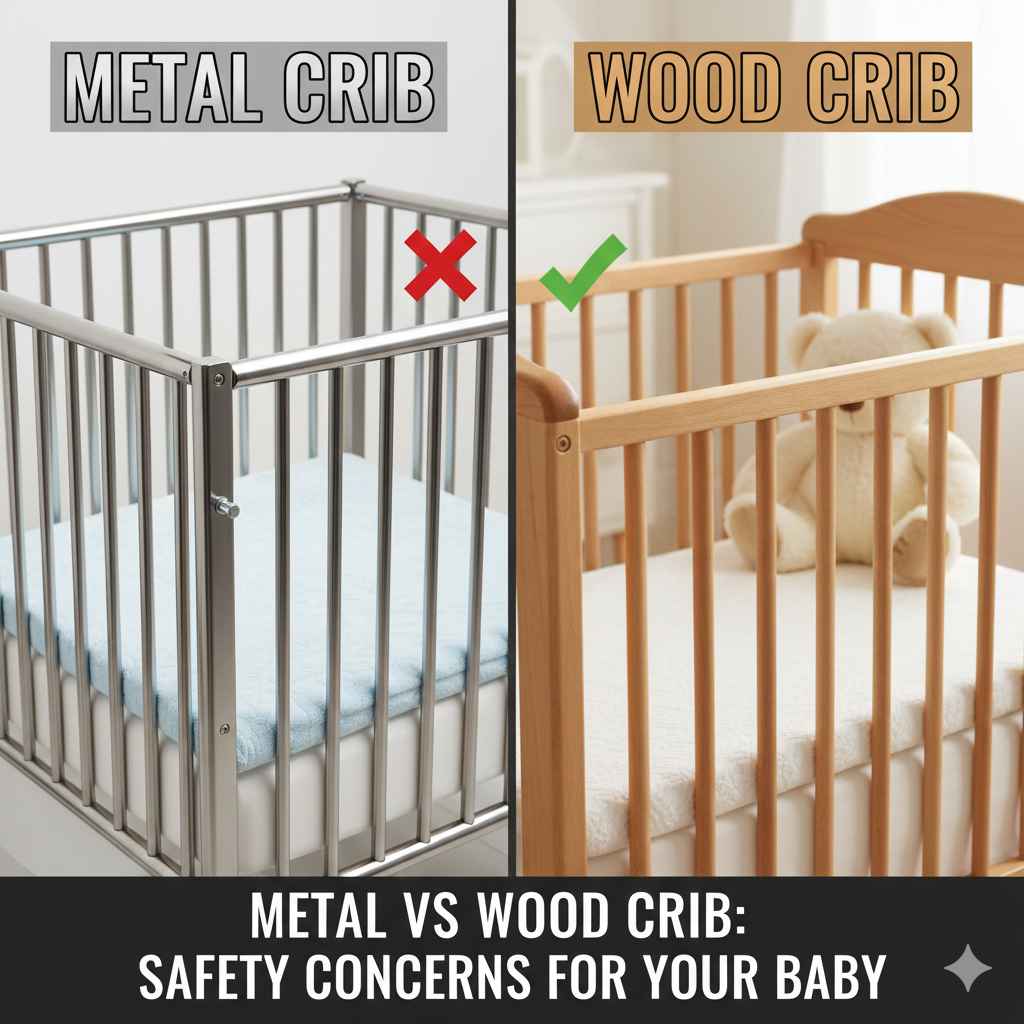
Metal vs Wood Crib: Safety Concerns for Your Baby
Choosing a crib is a big deal for new parents. Figuring out which crib is right can feel overwhelming, especially when you’re looking for the safest option for your baby. The question of Metal vs Wood Crib: Which Is Safer? comes up a lot. Don’t worry, though! It’s not as tricky as it seems. This post will walk you through everything you need to know about crib materials, and show you how to pick the best and safest crib for your little one. We’ll start by exploring the basics.
Choosing a Crib: Important Safety Considerations
Before jumping into materials, let’s explore essential safety features you should prioritize. These features can significantly impact your baby’s safety, no matter the crib’s material. Always check for these safety guidelines when browsing through options. Doing this will allow you to make the most informed decision possible to keep your baby safe. Think of this as the foundation for a safe crib environment.
Safety Standards and Certifications
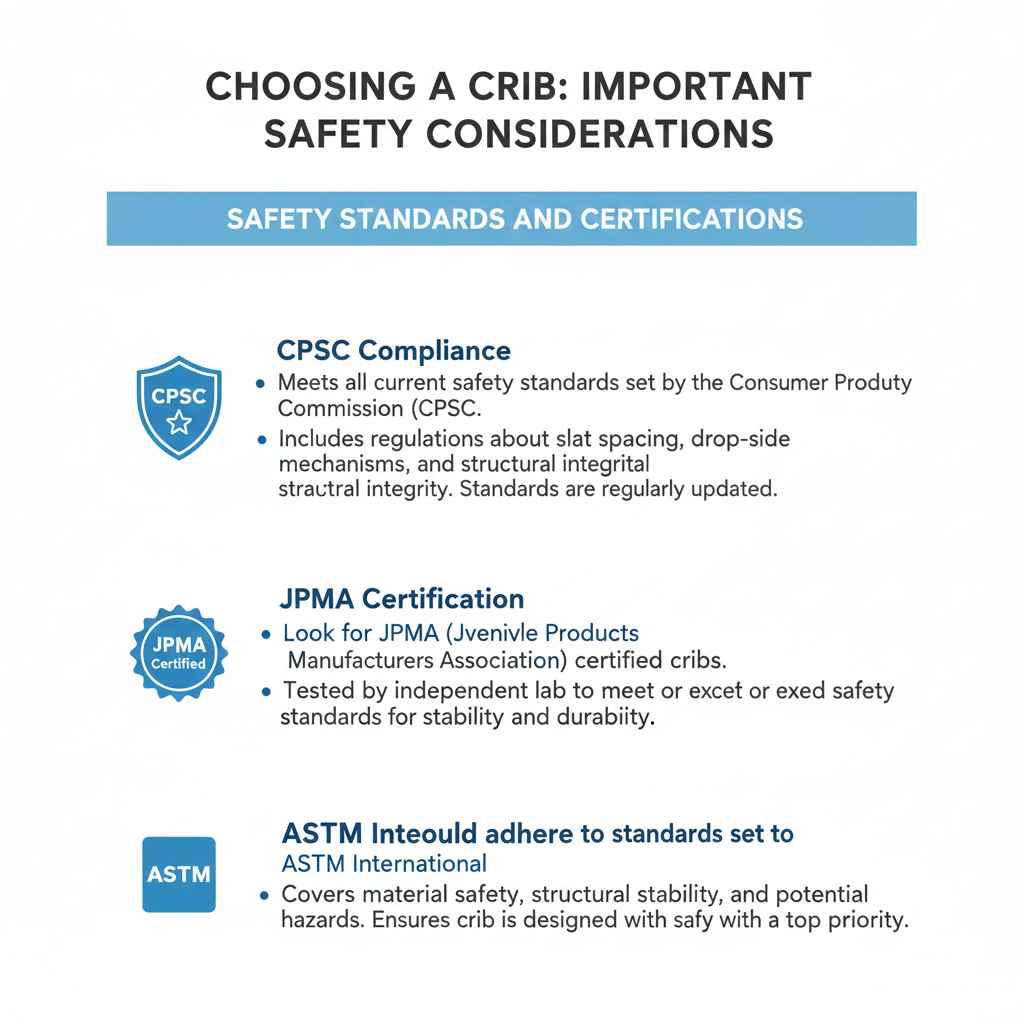
Always start by ensuring the crib meets current safety standards. These standards are developed by organizations like the Consumer Product Safety Commission (CPSC) in the United States. These standards are constantly updated to reflect the latest safety research. Look for cribs that are JPMA (Juvenile Products Manufacturers Association) certified. This means the crib has been tested to meet or exceed safety standards. This offers an additional layer of assurance.
CPSC Compliance: Cribs should comply with all current safety standards set by the CPSC. This includes regulations about slat spacing, drop side mechanisms, and overall structural integrity.
The CPSC sets stringent requirements for cribs, covering various aspects, from structural components to paint and finishes. The agency regularly updates these guidelines to address potential hazards, such as entrapment risks or toxic materials. Staying informed about CPSC guidelines helps parents make informed choices, prioritizing their child’s safety.
JPMA Certification: Look for cribs that are JPMA certified. This means the crib has undergone testing by an independent lab to ensure it meets or exceeds all applicable safety standards.
JPMA certification provides peace of mind, indicating that the crib has passed rigorous testing. The certification signifies compliance with essential safety requirements, including stability and durability. Cribs with the JPMA seal have been assessed for potential hazards and designed to provide a safe and comfortable sleeping environment.
ASTM International: Cribs should adhere to standards set by ASTM International, another reputable organization focusing on product safety.
ASTM International standards cover a wide range of safety concerns, including material safety, structural stability, and potential hazards. Adhering to these standards ensures the crib is designed and manufactured with safety as a top priority. Parents should always look for cribs that meet or exceed these standards.
Drop Side Cribs and Modern Alternatives
Drop-side cribs were once popular but are now largely banned in the United States. This is because of safety concerns regarding the drop-side mechanism. These cribs have been linked to injuries and even deaths. Modern cribs are designed with fixed sides to eliminate these hazards. Alternatives like convertible cribs offer adaptable solutions for growing children.
Ban on Drop-Side Cribs: Avoid cribs with drop sides due to the increased risk of entrapment and injury.
Drop-side cribs were previously favored for easy access to the baby. However, they posed significant safety risks. The mechanism could malfunction, creating gaps where a baby could get trapped. This is why these cribs are banned in most countries. Choosing a crib with fixed sides eliminates these hazards.
Fixed-Side Cribs: Opt for fixed-side cribs for superior safety. Fixed-side cribs are designed to be more stable. They reduce the risk of mechanical failure.
Fixed-side cribs offer a safer option compared to drop-side cribs. These cribs provide a stable structure with no moving parts that could potentially malfunction. With no moving elements, the chances of entrapment are greatly reduced. Fixed-side cribs meet current safety standards and offer peace of mind.
Convertible Cribs: Consider convertible cribs that can transform into toddler beds or even full-sized beds as your child grows.
Convertible cribs offer a long-term solution. They adapt to a child’s changing needs as they grow. Initially used as cribs, they can convert into toddler beds, daybeds, and full-sized beds. This versatility makes them an excellent investment. It also reduces the need to purchase multiple beds throughout your child’s early years.
Metal Cribs: Safety and Design Details
Metal cribs offer a different aesthetic and have their own set of safety considerations. Let’s explore what makes them unique. They are often chosen for their sleek appearance and potential durability. Understanding their construction, materials, and potential issues is very important for making the right choice.
Construction and Materials of Metal Cribs
Metal cribs are typically made from steel or iron. These metals offer strength and durability. However, the quality of the materials and the manufacturing process are crucial. Check for any coatings or finishes, as they should be non-toxic and durable. High-quality welds and secure joints are vital for structural integrity.
Steel and Iron: The primary materials used in metal cribs are usually steel or iron, providing a strong frame.
Steel and iron offer excellent durability and can withstand a lot of wear and tear. These materials can support the weight of a baby. They are often a great choice for providing a long-lasting crib. The use of robust metals adds to the overall safety profile of the crib.
Coatings and Finishes: Check for non-toxic and durable coatings to prevent rust and provide a safe surface for the baby.
Coatings protect the metal from rust and provide a smooth, easily cleanable surface. Ensure that these coatings are free from lead and other harmful chemicals. Look for certifications like those from third-party testing labs. This will confirm the safety of the finish.
Welds and Joints: Examine the welds and joints for strength and security. These structural elements ensure the crib’s stability.
High-quality welds and sturdy joints are essential for the structural integrity of a metal crib. These connections must withstand the forces exerted by a moving baby. Inspect the crib for any signs of loose or weak welds. This will guarantee that the crib remains stable and safe for use.
Potential Safety Concerns with Metal Cribs
Metal cribs, like any product, can have potential safety issues. Rust can be a problem if the crib is not well-maintained or if the finish gets damaged. Ensure that all the bars are the correct distance apart to avoid the risk of entrapment. Also, inspect the crib regularly for any sharp edges or protruding parts.
Rust and Corrosion: Metal cribs are susceptible to rust, especially in humid environments. Regular maintenance and inspection are vital.
Rust can weaken the metal and compromise the crib’s structural integrity. Regularly inspect the crib for any signs of rust. Address any issues promptly. Choose a crib with a rust-resistant coating or finish. Keep the crib clean and dry to prevent corrosion.
Entrapment Hazards: Ensure the spacing between bars is within safety standards to prevent the baby from getting their head or limbs stuck.
Entrapment risks are a serious concern. Carefully check the spacing between the crib bars. Ensure it adheres to the safety standards set by organizations like the CPSC. Bars should be close enough to prevent a baby’s head from becoming trapped. They should be far enough apart to allow airflow.
Sharp Edges and Protruding Parts: Inspect the crib for sharp edges or any parts that could potentially cause injury.
Sharp edges or protruding elements can pose a risk of injury to the baby. Carefully inspect the crib for any such hazards. Ensure that all edges are smooth and all screws and bolts are properly covered. Check to see if there are any protruding parts. Remove or cover them to prevent any harm.
Aesthetic Considerations and Durability
Metal cribs can offer a modern and sleek look, making them a stylish choice. They are often very durable, lasting for several years. Because of their design, they may not match all nursery decor styles. Think about how the crib will fit in your nursery. Make sure it blends in with the space.
Modern Aesthetics: Metal cribs often have a contemporary design. They provide a sleek and stylish appearance.
Metal cribs can fit a modern or minimalist nursery design. Their clean lines and simplicity often make a statement. The aesthetic can range from industrial to elegant. This offers parents a wide variety of choices to match their personal tastes and nursery themes.
Durability and Longevity: Metal cribs are generally very durable. They can withstand the rigors of daily use for years.
Metal’s robustness makes it suitable for long-term use. This ensures the crib can withstand the movements of a growing child. It can also stand up to regular cleaning and use. This makes them a wise choice for parents seeking a crib that can last.
Matching Nursery Decor: Consider how the crib’s appearance will complement your existing nursery decor.
While metal cribs are versatile, their appearance may not suit all nursery styles. Take into account the overall theme of your nursery. This will help you select a metal crib that enhances, rather than clashes, with your existing decor. Choose colors and styles that fit your design preferences.
Wood Cribs: Exploring Materials and Safety
Wood is a classic choice for cribs. It offers a warm, traditional feel. However, choosing a wooden crib requires paying close attention to the type of wood and the finishing process. This section explores wood cribs’ materials, construction, and safety considerations. This will help you make an informed decision about the safest option for your baby.
Types of Wood and Their Properties
Wooden cribs can be made from various wood types. Each has its own strengths and weaknesses. Solid hardwoods like maple, oak, and cherry are strong and durable. Softer woods like pine and fir are more affordable but may be less resistant to damage. Think about the wood’s durability and its ability to resist dents and scratches.
Hardwoods: Maple, oak, and cherry are dense, durable, and resistant to wear and tear.
Hardwoods are chosen for their strength and longevity. These woods can better withstand the wear and tear of daily use. They are less likely to dent or scratch easily. This makes them a great option for cribs used for many years. They are great choices for long-term safety and durability.
Softwoods: Pine and fir are more affordable but may be more susceptible to scratches and dents.
Softwoods are often used to reduce manufacturing costs. They may not be as resistant to everyday wear. Softer woods are prone to dents and scratches. While still safe, parents need to consider their lifespan. They may need more maintenance over time.
Wood Finishes: The finish on the wood should be non-toxic, lead-free, and durable.
The finish on a wooden crib is important. It protects the wood and adds to the overall appearance. Ensure the finish is free of harmful chemicals. Look for certifications that confirm the finish meets safety standards. This will provide a safe environment for your baby.
Safety Concerns with Wooden Cribs
Wooden cribs can present some potential safety issues. Splintering is a common concern. So, be sure to inspect the crib regularly. Ensure the wood is in good condition. Painted or stained cribs should have a durable, non-toxic finish. This protects the wood and the baby.
Splintering: Wood can splinter, potentially causing injury. Regular inspection is key.
Splintering is a significant safety hazard with wooden cribs. This is why regular inspection is crucial. Check for any signs of cracks or splinters. Smooth any rough spots with fine sandpaper. Doing so will eliminate potential injury risks. Prompt maintenance ensures the crib remains safe.
Paint and Finish: Ensure the paint or finish is lead-free and non-toxic. Chipped paint can be a hazard.
The paint and finish on a wooden crib should be non-toxic and lead-free. Chipping paint can expose the child to harmful substances. Regularly inspect the finish for any signs of damage. Keep the crib’s surface clean and well-maintained. Always use certified paints and finishes to guarantee safety.
Slat Spacing: Slat spacing must be within safety standards to prevent entrapment.
Proper slat spacing is crucial. The slats should be close enough to prevent the baby’s head from getting stuck. Follow safety standards established by organizations like the CPSC. Inspect the crib to make sure the slats are securely attached. Make sure they are the correct distance apart.
Durability, Maintenance, and Style of Wooden Cribs
Wooden cribs come in various styles. They can be very durable, particularly those made from hardwoods. Regular maintenance is necessary to keep them in top condition. This involves checking for loose screws or splinters. They require cleaning and polishing to protect the wood’s finish. Think about your preferred aesthetic when selecting a wooden crib. There are many options, from traditional to modern styles.
Style Versatility: Wooden cribs come in a wide range of styles, from classic to contemporary.
Wooden cribs can adapt to various nursery themes. Whether you want a traditional, modern, or rustic look, there is a wooden crib that fits the bill. The range of designs allows parents to select a crib that matches their aesthetic tastes. It is important to match the overall design of the nursery.
Maintenance Requirements: Regular inspection, cleaning, and maintenance are needed to maintain the crib’s condition.
Regular maintenance is essential to keeping a wooden crib safe and in good condition. This involves checking for loose screws, splinters, and paint damage. Clean the crib regularly with a safe cleaning solution. Polishing the wood helps to protect the finish. Following these steps will extend the life of the crib.
Long-Term Durability: Hardwood cribs are very durable. They can last for many years.
Hardwood cribs are known for their durability. Their ability to withstand daily wear and tear makes them a sound investment. They can often be passed down through generations. Careful maintenance and good care can make hardwood cribs last a very long time. This offers a great return on investment.
Comparing Metal and Wood Cribs: A Side-by-Side Analysis
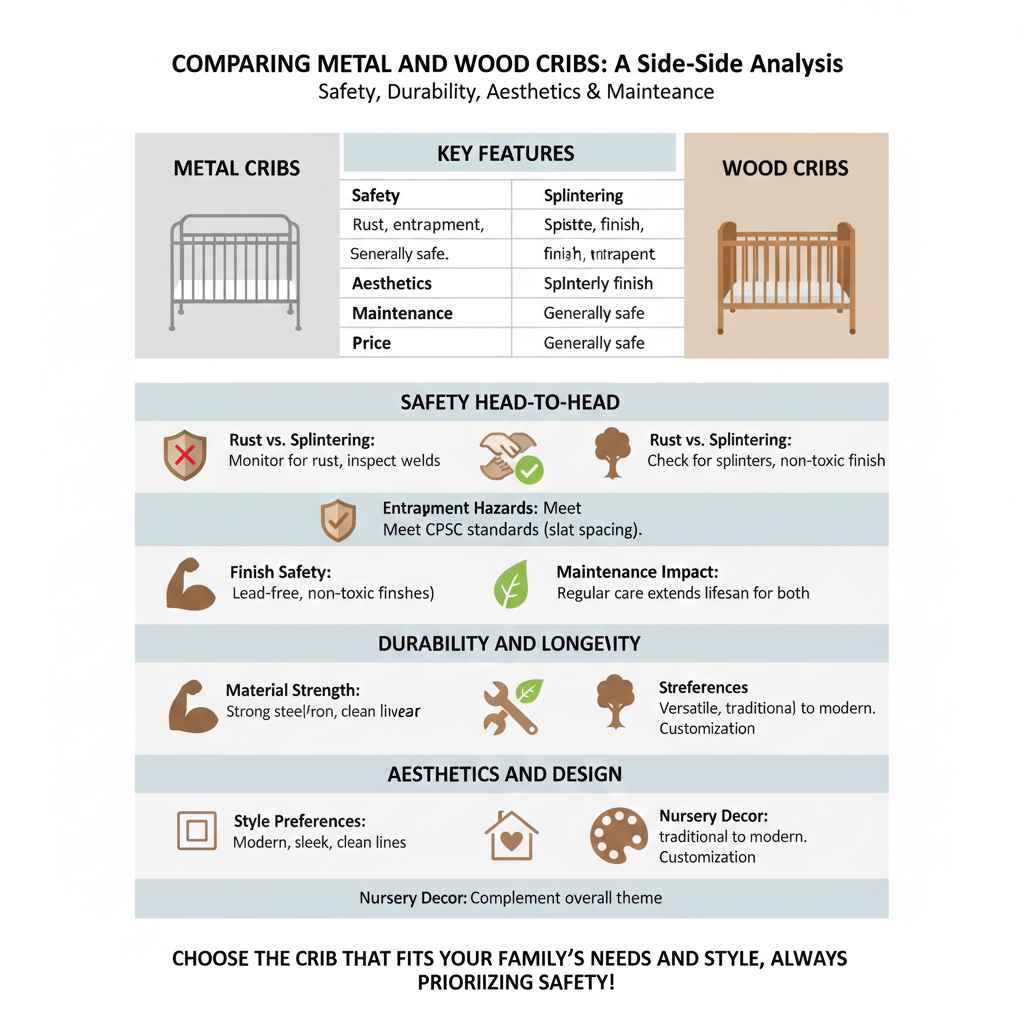
To help you decide, let’s compare metal and wood cribs directly. This comparison looks at key features like safety, durability, and aesthetics. This comparison helps you see the pros and cons of each type. With this information, you can make the best choice for your needs. Always factor in the safety features, overall design, and your personal preferences.
| Feature | Metal Cribs | Wood Cribs |
|---|---|---|
| Safety | Generally safe. The risk of rust, entrapment, and sharp edges is a consideration. | Depend on the wood type and the finish. There is a risk of splintering, entrapment, and the safety of the finish. |
| Durability | Usually very durable, often more so than softer wood cribs. | Durability varies with wood type. Hardwoods are very durable; softwoods are less so. |
| Aesthetics | Modern and sleek. May not suit all nursery styles. | Wide variety of styles, from traditional to modern. |
| Maintenance | Check for rust, inspect welds and joints. | Check for splinters, inspect the finish, and maintain the wood. |
| Price | Can range from affordable to expensive, depending on the materials and design. | Price varies widely, depending on the wood type and design. |
Safety Head-to-Head
When it comes to safety, both metal and wooden cribs can be very safe. The safety depends on the materials and manufacturing. For instance, metal cribs must be checked for rust and sharp edges. Wooden cribs need to be checked for splinters and non-toxic finishes. It’s important to carefully consider these factors. Always adhere to safety standards from trusted organizations.
Rust vs. Splintering: Metal cribs need monitoring for rust, while wooden cribs can splinter.
The potential for rust is a key concern with metal cribs. The presence of rust can weaken the structural integrity over time. Wooden cribs, on the other hand, can splinter. This poses a risk of injury to the baby. Regular inspection and proper maintenance are essential for both.
Entrapment Hazards: Both types of cribs must meet safety standards to prevent entrapment risks.
Both metal and wooden cribs must meet specific safety standards regarding slat spacing and construction. The goal is to prevent a baby from getting their head or limbs trapped. Always verify the crib follows these guidelines from the CPSC and other authorities. This is a crucial safety consideration.
Finish Safety: Ensure that both metal coatings and wood finishes are lead-free and non-toxic.
The finishes on metal and wood cribs must be free of harmful substances like lead. These finishes protect the material. They also provide a surface that is easy to clean. Look for cribs that are certified to confirm the finish meets all safety standards. Choose finishes that are specifically designed for baby products.
Durability and Longevity
Metal cribs are known for their durability, often lasting a long time. They can withstand everyday use. Wood cribs, particularly those made from hardwood, are also very durable. The lifespan often depends on the type of wood and how well you take care of it. Consider how long you want the crib to last. Also, think about the effort required for maintenance.
Material Strength: Metal cribs are often made of strong steel or iron.
Metal’s inherent strength makes it resistant to wear and tear. This is why it is considered a durable choice. Metal is less likely to show signs of damage. It can withstand the demands of regular use for a long time. The robust construction ensures long-term usability.
Hardwood vs. Softwood: Hardwood cribs are durable; softwood cribs may be less so.
Hardwood cribs offer very good durability, much like metal. They can handle daily wear and tear. Softwood cribs may be more prone to dents or scratches. They may require more maintenance over time. Consider these factors when choosing the material based on your needs.
Maintenance Impact: Regular maintenance is important for both types of cribs to extend their lifespan.
Regular maintenance can significantly extend the lifespan of any crib. This involves checking for loose parts, cleaning the surface, and addressing any damage. Taking care of the crib increases its overall safety. Proper care ensures the crib remains in excellent condition over time.
Aesthetics and Design
Metal cribs often have a modern, sleek look. Wood cribs can vary widely, from classic to contemporary styles. Choose the style that fits your nursery theme. Ensure it blends in with the space. Think about your personal style when selecting a crib. Doing this will allow you to find the crib that fits best.
Style Preferences: Metal offers a contemporary look, while wood provides versatility in design.
Metal cribs typically offer a modern look, known for their clean lines and simple designs. Wood cribs, on the other hand, provide a wide variety of styles. They can fit a broad range of nursery themes. Consider your personal design tastes when selecting a crib.
Nursery Decor: The crib should complement your existing nursery decor.
The appearance of your crib should blend in with the overall theme of your nursery. This is important to create a cohesive and welcoming space. Consider the colors, materials, and other decor elements. Look for a crib that enhances your nursery’s style. Make it a peaceful environment for your baby.
Customization Options: Wood cribs often have more customization options, like paint colors and finishes.
Wood cribs may provide more ways to customize the design, such as various paint colors or finishes. This flexibility allows parents to create a unique crib that suits their design ideas. Metal cribs are also available in different styles. But, wood cribs typically offer more ways to customize the appearance.
Frequently Asked Questions
Question: Are metal cribs always safer than wooden cribs?
Answer: Not necessarily. Both metal and wood cribs can be safe if they meet safety standards. Always check for certifications, and inspect the crib regularly.
Question: What’s the best way to prevent rust on a metal crib?
Answer: Keep the crib in a dry environment. Clean it regularly, and look for a crib with a rust-resistant coating or finish.
Question: How can I tell if a wooden crib’s finish is safe?
Answer: Look for cribs with finishes that are lead-free and non-toxic. Check for certifications from trusted testing labs.
Question: Can I use cribs with drop sides?
Answer: No, avoid cribs with drop sides. They are banned due to safety hazards.
Question: What is JPMA certification?
Answer: JPMA certification means the crib has been tested by an independent lab to meet or exceed safety standards.
Final Thoughts
Choosing between a metal and wood crib involves considering your priorities. Both materials offer safe options when they meet safety standards. Metal cribs usually provide a sleek, durable design. But, you should watch out for rust. Wood cribs provide a traditional aesthetic, offering a variety of styles. Always keep an eye out for potential splintering and ensure the finish is safe. Consider factors like durability, aesthetic preferences, and maintenance needs. Remember to always prioritize safety features, like CPSC and JPMA certifications. By thinking about all of these things, you can confidently select the perfect crib for your baby. This way, you can create a safe, comfortable sleeping space.