Old Radial Arm Saw Restoration: Tips and Tricks
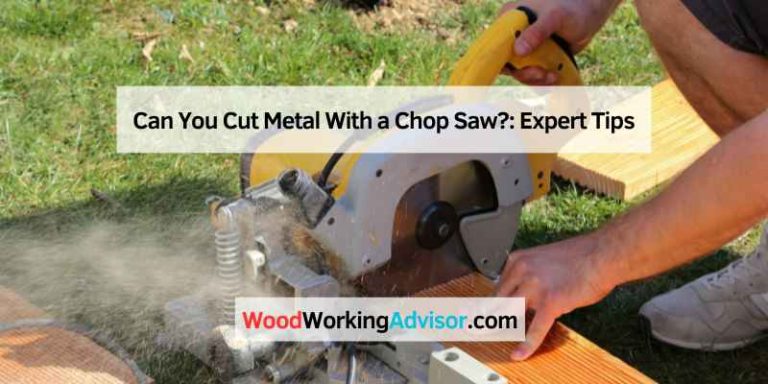
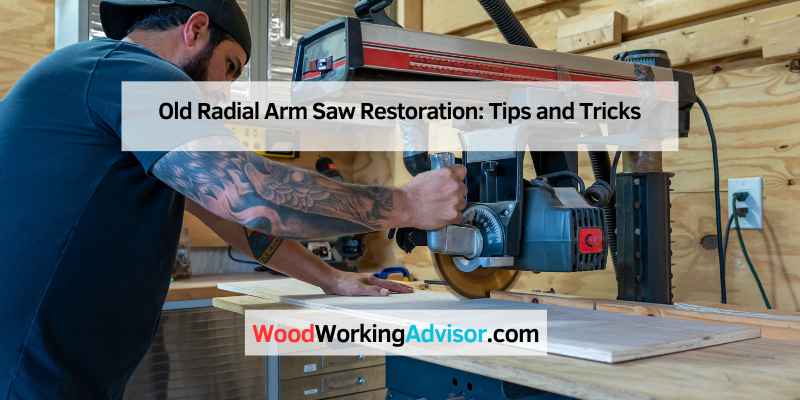
An old radial arm saw is a versatile woodworking tool designed for precise crosscuts and angled cuts. It features a circular saw blade mounted on a sliding arm, allowing for adjustable depth and angle.
Radial arm saws have been a staple in woodworking shops for decades. Their unique design offers flexibility in various cutting tasks, making them popular among both hobbyists and professionals. These saws can handle materials like wood, plastic, and even metal when equipped with the right blade.
Older models often require more maintenance, but they can still deliver excellent results if cared for properly. Understanding their operation and maintenance is crucial for maximizing performance and ensuring safety. By learning to use an old radial arm saw effectively, woodworkers can enhance their craft and create intricate projects.
The Charm Of Vintage Tools
Vintage tools hold a special allure. They connect us to the past. An old radial arm saw is a perfect example. It embodies craftsmanship and history. Restoring such tools can be both rewarding and practical. Many enthusiasts find joy in using these machines.
Why Restore An Old Radial Arm Saw?
Restoring an old radial arm saw offers many benefits:
- Cost-effective: Vintage tools are often cheaper than new ones.
- Quality: Older models are built with sturdy materials.
- Character: Each saw has unique history and charm.
- Skill Development: Restoration improves woodworking skills.
Many woodworkers find pride in restoring these tools. They become part of a legacy. Using a restored saw feels different. It connects you to generations of craftsmen.
The Historical Significance
Radial arm saws have a rich history. They revolutionized woodworking in the mid-20th century. Here are some key points about their significance:
| Era | Significance |
|---|---|
| 1950s | Introduced to enhance efficiency in workshops. |
| 1960s | Became popular among professional carpenters. |
| 1970s | Known for versatility in cutting various materials. |
Understanding this history adds depth to restoration efforts. Each saw tells a story of its time. Owning one is like holding a piece of history.
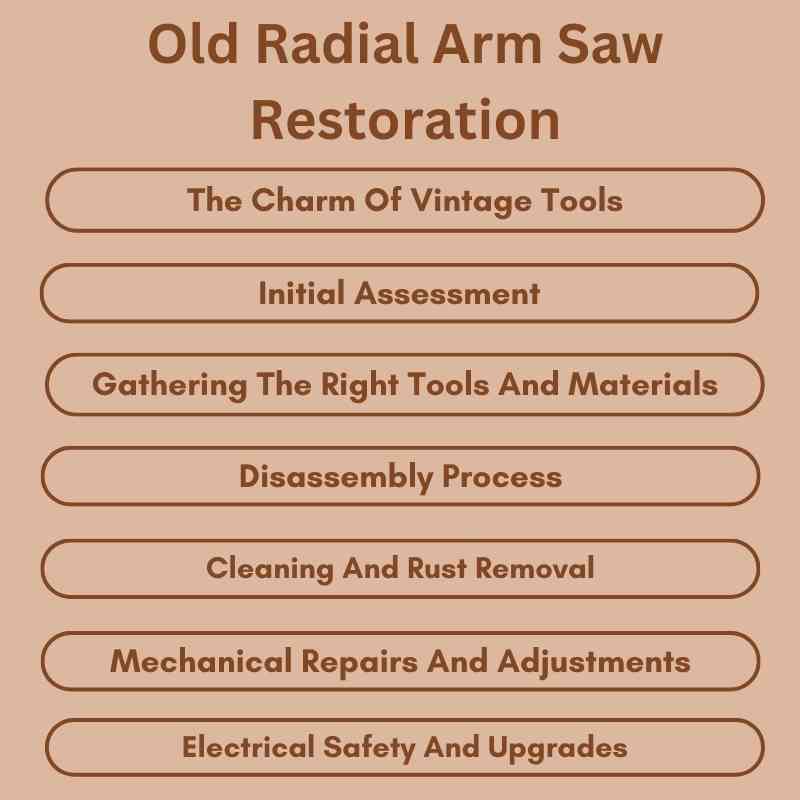
Initial Assessment
Assessing an old radial arm saw is essential. This process helps determine its usability and potential repairs. Start with a thorough examination of the saw’s features.
Identifying Model And Age
Knowing the model and age of your radial arm saw is crucial. Each model has unique features and specifications.
Follow these steps to identify your saw:
- Look for the brand name on the saw.
- Check for model numbers. They are often on the motor casing.
- Search online for the brand and model. Find its production year.
Older models may have different parts and designs. Understanding your saw’s age helps you find the right replacements.
Evaluating Condition And Needs
Next, assess the condition of the radial arm saw. A thorough inspection reveals its performance and safety.
Consider these factors:
- Rust: Look for any signs of rust on the frame.
- Blade: Check for dullness or chips on the blade.
- Motor: Ensure the motor runs smoothly without unusual noises.
- Wiring: Inspect the power cord and switch for frays or damage.
Make a list of needed repairs. This will help prioritize tasks and budget for parts. Maintain a safe working environment by addressing any hazards.
| Condition | Action Needed |
|---|---|
| Rust present | Clean and apply rust remover |
| Dull blade | Sharpen or replace the blade |
| Motor issues | Inspect and service the motor |
| Damaged wiring | Replace faulty wiring or components |
Completing this assessment helps you understand the saw’s needs. A well-maintained saw performs better and lasts longer.
Gathering The Right Tools And Materials
Before starting with your old radial arm saw, gathering the right tools is crucial. Proper tools ensure smooth operation and safety. This section covers essential cleaning supplies and parts you might need for maintenance.
Essential Cleaning Supplies
Cleaning your radial arm saw keeps it in top shape. Here are some essential supplies:
- Soft cloths: Use these for wiping surfaces.
- Brushes: A small brush helps remove sawdust.
- Vacuum cleaner: Use this to clean hard-to-reach areas.
- Degreaser: A safe degreaser removes sticky residues.
- Oil: Use machine oil for lubrication.
Having these items ready makes cleaning easier and more effective. Regular cleaning extends the life of your saw.
Parts Replacement: What You Might Need
Old radial arm saws may need parts replacement over time. Here’s a list of parts you might need:
| Part | Description |
|---|---|
| Blades | Sharp blades ensure smooth cutting. |
| Drive belts | Replace worn belts for better performance. |
| Bearings | Keep the saw running smoothly. |
| Switches | Ensure safe operation with a new switch. |
Inspect your saw regularly. Replace parts as needed. This practice keeps your saw safe and effective.
Disassembly Process
Disassembling an old radial arm saw can seem daunting. This guide will simplify the process. Follow these steps to ensure a smooth disassembly.
Step-by-step Guide
- Gather Tools: Collect necessary tools like wrenches and screwdrivers.
- Unplug the Saw: Safety first! Always disconnect the power source.
- Remove the Blade: Use the appropriate wrench to loosen the blade nut. Carefully take off the blade.
- Detach the Arm: Locate the bolts securing the arm. Unscrew them gently.
- Take Off the Table: Remove the screws holding the table in place.
- Disassemble the Base: Unscrew the base from the floor or workspace.
- Organize All Parts: Store parts properly to avoid losing anything.
Organizing Parts For Ease
Keeping parts organized makes reassembly easier. Follow these tips:
- Use Containers: Place small parts in labeled containers.
- Group Similar Items: Keep bolts with bolts, screws with screws.
- Label Everything: Use tape to label parts clearly.
| Part | Container | Notes |
|---|---|---|
| Blade | Blade box | Keep sharp edge protected |
| Bolts | Small jar | Label with size |
| Screws | Plastic bag | Seal to avoid spillage |
Following these steps ensures you can disassemble your radial arm saw safely. An organized workspace makes the process efficient.
Cleaning And Rust Removal
Maintaining your old radial arm saw is essential for its longevity. Regular cleaning prevents rust and improves performance. Follow these techniques to keep your saw in top shape.
Effective Techniques
Cleaning your radial arm saw involves several simple steps. Use the right tools and materials for effective results. Here are some techniques:
- Dust Removal: Use a soft brush or compressed air.
- Surface Cleaning: Wipe surfaces with a damp cloth.
- Degreasing: Apply a degreaser for tough stains.
- Rust Prevention: Regularly check for rust spots.
Protecting Metal Surfaces
Protecting metal surfaces is crucial for your saw. Rust can weaken the structure and affect performance. Here are ways to protect the metal:
- Apply a Rust Inhibitor: Use a rust-resistant spray.
- Store Properly: Keep the saw in a dry area.
- Use a Cover: Protect the saw with a tarp.
- Regular Maintenance: Schedule cleaning every few months.
Following these methods helps maintain your radial arm saw. Keep it clean and rust-free for better performance.
Mechanical Repairs And Adjustments
Maintaining an old radial arm saw requires attention to mechanical repairs and adjustments. Proper care keeps your saw running smoothly. Regular adjustments can improve accuracy and extend the tool’s life.
Fixing Common Issues
Old radial arm saws can face several common problems. Here are some issues and their fixes:
- Blade Misalignment: Check the blade angle. Adjust it to 90 degrees for crosscuts.
- Worn Bearings: Listen for unusual noises. Replace worn bearings to ensure smooth operation.
- Loose Parts: Regularly check screws and bolts. Tighten any loose components to avoid vibrations.
- Dust Accumulation: Clean the saw regularly. Dust can hinder performance and safety.
Calibrating For Precision Cuts
Calibrating your radial arm saw is vital for precise cuts. Follow these steps for effective calibration:
- Start with a clean workspace and tool.
- Use a square to check blade alignment.
- Adjust the arm until the blade is square.
- Test cuts on scrap wood for accuracy.
- Repeat adjustments until cuts are accurate.
Calibration improves cut quality and reduces waste. Regularly check calibration to maintain precision.
Electrical Safety And Upgrades
Old radial arm saws can be powerful tools. Yet, they need proper electrical safety measures. Upgrading electrical components ensures safety and efficiency. Regular inspections and modern upgrades protect users and enhance performance.
Inspecting And Replacing Wiring
Old wiring can be a hazard. Inspecting and replacing it is crucial. Follow these steps:
- Turn off the power supply.
- Remove the saw’s cover.
- Check for frayed or damaged wires.
- Look for loose connections.
- Replace any faulty wiring promptly.
Use high-quality wires for replacements. This ensures durability and safety.
Consider hiring a professional electrician for complex issues. Properly installed wiring helps prevent electrical fires and accidents.
Modernizing With New Components
Modernizing your radial arm saw can greatly enhance safety. Consider these upgrades:
- Switches: Install a safety switch for quick shutdowns.
- Motor: Upgrade to a more efficient motor.
- Blade Guard: Ensure proper protection with a new guard.
- Extension Cords: Use heavy-duty cords to prevent overheating.
These updates improve performance and safety. Always follow the manufacturer’s guidelines during upgrades.
Reassembly And Testing
Reassembling an old radial arm saw can be rewarding. This process ensures that the saw functions efficiently. Proper testing is crucial for safety and performance.
Guidelines For Reassembly
Follow these guidelines to reassemble your radial arm saw:
- Clean All Parts: Remove dust and debris.
- Organize Components: Keep screws and parts in order.
- Refer to the Manual: Use the manual for guidance.
- Reattach the Arm: Secure it tightly to avoid movement.
- Install the Blade: Ensure the blade is sharp and correctly positioned.
Check each component as you reassemble. Make sure all parts fit well. Tighten screws securely to avoid any issues.
Safety Tests And Fine-tuning
Conduct safety tests after reassembly. This ensures your saw operates safely:
- Power-On Test: Plug in the saw and turn it on.
- Blade Alignment: Check if the blade is straight.
- Functionality Test: Make a few cuts on scrap wood.
Fine-tuning improves performance:
| Adjustment | Action |
|---|---|
| Blade Height | Adjust for desired cutting depth. |
| Angle Settings | Ensure correct angles for bevel cuts. |
| Speed Control | Set speed based on material type. |
Always prioritize safety during tests. Wear protective gear and use caution. Regular maintenance will extend your saw’s life.
Final Touches And Maintenance
Maintaining your old radial arm saw is vital for its longevity. Proper care ensures safety and efficiency during use. Here are key practices for applying finishes and routine maintenance.
Applying Finishes And Preservatives
Protecting your radial arm saw with finishes and preservatives is essential. These products help prevent rust and extend the life of the wood and metal parts.
- Wood Finishes: Use varnish or polyurethane for wooden surfaces.
- Metal Preservatives: Apply oil or wax to metal components.
Follow these steps for applying finishes:
- Clean the surface thoroughly.
- Apply the chosen finish evenly.
- Allow to dry completely before using the saw.
Routine Care Tips
Regular maintenance keeps your radial arm saw in peak condition. Follow these simple care tips:
| Task | Frequency | Description |
|---|---|---|
| Clean Saw Blades | After Each Use | Remove sawdust and resin build-up. |
| Check Blade Alignment | Monthly | Ensure blades are straight and true. |
| Lubricate Moving Parts | Every Three Months | Use machine oil on gears and pivots. |
| Inspect Cords and Plugs | Monthly | Look for frays or damage. |
Follow these tips for safe and effective use:
- Store the saw in a dry place.
- Cover it to prevent dust accumulation.
- Always check safety features before use.
Frequently Asked Questions
What Is An Old Radial Arm Saw?
An old radial arm saw is a versatile woodworking tool. It features a circular saw blade mounted on a swinging arm. This design allows for crosscuts, rip cuts, and bevel cuts. Vintage models may have unique features, appealing to collectors and hobbyists alike.
How To Maintain An Old Radial Arm Saw?
To maintain an old radial arm saw, start by cleaning the saw regularly. Remove dust and debris from the motor and blade. Check the alignment of the blade and arm frequently. Lubricate moving parts to ensure smooth operation. Regular maintenance prolongs the saw’s lifespan and enhances performance.
Can I Still Use An Old Radial Arm Saw?
Yes, you can still use an old radial arm saw. However, ensure it’s in good working condition. Inspect the electrical components and blade for safety. If maintained properly, it can be an effective tool for woodworking projects. Always prioritize safety when operating older machinery.
What Are The Benefits Of Using A Radial Arm Saw?
Radial arm saws offer precision and versatility in cutting. They can perform various cuts, including crosscuts and miters. This tool saves time and effort compared to hand saws. Additionally, it allows for larger workpieces to be cut easily. Overall, it enhances woodworking efficiency.
Conclusion
The old radial arm saw remains a valuable tool for many woodworkers. Its versatility and power make it ideal for various projects. Embracing this classic equipment can enhance your craftsmanship. By understanding its features and maintenance, you can maximize its potential.
Rediscovering this tool may inspire new creative possibilities in your woodworking journey.