How to Cut Diagonal Wood (Rise-Over-Run Angle Method)
To cut diagonal wood, set a miter or circular saw to the marked angle and cut slowly to avoid splintering — but for repeat angles without a protractor, use the rise-over-run method with a speed square instead. Getting the angle wrong throws off every joint that follows. This guide covers tool selection, marking accurate lines, cutting technique, and finding an angle by measurement alone.
Introduction To Diagonal Wood Cutting
Best Angle-Finding Pick

GemRed Digital Angle Finder
Reads any angle to a tenth of a degree, skipping the rise-over-run math entirely for irregular or out-of-square cuts.
- Best for: odd angles that don’t match standard speed-square marks
- Why we picked it: stainless steel arms hold their calibration under shop use
- Main drawback: overkill for simple 45-degree miters a speed square handles fine
Round out your marking and cutting kit
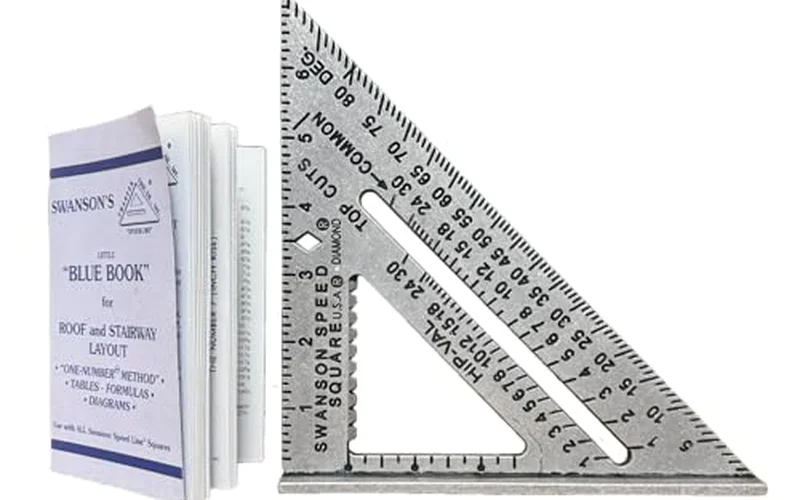 Option 1 Swanson 7-Inch Speed Square
|
 Option 2 IRWIN 12-Inch Combination Square
|
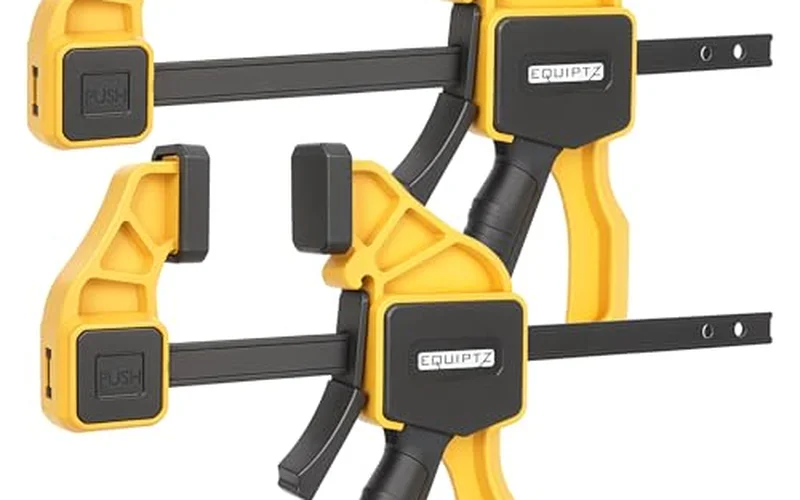 Option 3 12-Inch Quick-Grip Bar Clamps
|
Cutting diagonal wood is an essential skill in woodworking. Precision is crucial for achieving clean cuts. It ensures that pieces fit together well. Accurate cuts create strong joints and improve the overall look.
Diagonal cuts are used in various applications. Furniture making often requires angled cuts for design. Framing also benefits from precise diagonal cuts. This technique is vital for making shelves and cabinets. Artists and crafters use diagonal cuts to enhance their projects.
Using the right tools enhances precision. A miter saw or a table saw is recommended. Proper measurements and careful planning lead to better results. Always remember to wear safety gear while cutting.
Essential Tools For The Job
Choosing the right saw is key for cutting wood. A miter saw is great for precise cuts. A circular saw works well for larger pieces. Always select a saw that matches your project size.
Measuring tools ensure accurate cuts. Use a tape measure to get exact lengths. A speed square helps mark angles. A pencil is perfect for clear markings.
Safety equipment protects during cutting. Safety goggles shield your eyes from debris. Ear protection guards against loud noises. Always wear gloves to prevent cuts on hands.

Preparing Your Workspace
Start by choosing a safe area for your cutting station. Use a flat surface for stability. Ensure good lighting to see clearly while working.
Gather the necessary tools like a saw, clamps, and measuring tape. Keep your tools organized for easy access. Always wear safety gear like goggles and gloves.
For securing the wood, use clamps to hold it in place. This prevents movement during cutting. Make sure the wood is firmly attached before starting.
Check all measurements twice. Accuracy is essential for clean cuts. Take your time to ensure everything is set up correctly.
Marking Accurate Cut Lines
Reading woodworking plans is essential for success. These plans provide clear instructions and dimensions. Always check for scale and details before starting your project.
Transfer techniques help ensure precision. Use a square to mark lines accurately. A straight edge can guide your cuts. Employ a pencil for clear markings.
- Keep your hands steady while marking.
- Use a sharp pencil for fine lines.
- Double-check your measurements to avoid mistakes.
- Practice on scrap wood to improve your skills.
How To Find A Cut Angle Without A Protractor
Carpenters find an unknown angle using rise-over-run: measure the rise (vertical distance) and the run (horizontal distance) between two points, divide rise by run, then take the inverse tangent (arctan) of that number on a construction calculator or phone calculator to get the angle in degrees. A speed square applied to the workpiece lets you read common angles directly without doing the math at all.
📊 Rise divided by run, then arctan of the result, gives the exact cut angle in degrees — the same trigonometry a construction calculator uses internally. — Source: THISisCarpentry, Finding the Right Angle
Cutting Techniques For Diagonal Cuts
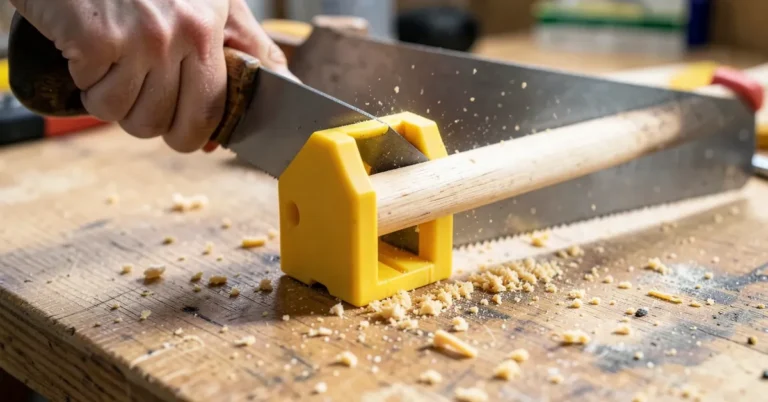
Using a hand saw is a simple way to make diagonal cuts. Hold the wood firmly on a stable surface, the same way you would when setting a miter saw to cut angles. Mark the cut line clearly. Use smooth, even strokes for best results. Keep the saw at a slight angle.
A miter saw offers precise cuts for angles. Set the correct angle on the saw. Align the wood with the blade carefully. Press the handle down slowly to avoid splintering.
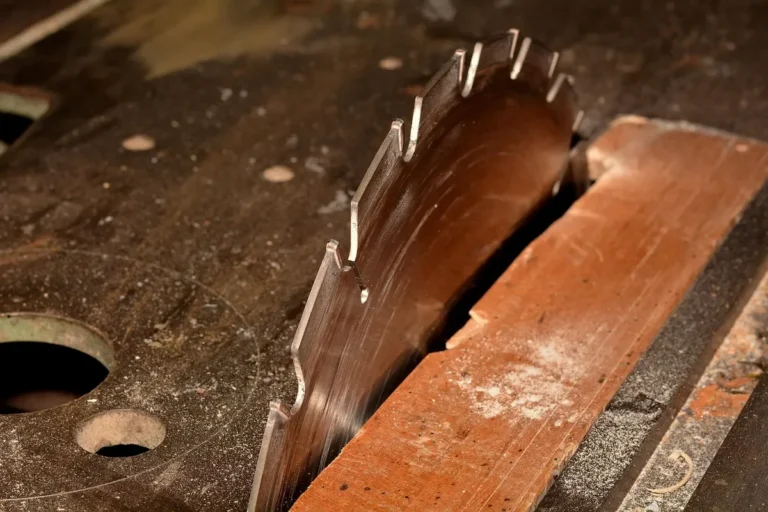
For quick cuts, a table saw is very effective. Set the blade to the desired angle. Feed the wood through the blade steadily. Always use the push stick for safety.
Finishing The Edges
Sanding is important for getting smooth edges. Use fine-grit sandpaper to avoid scratches. Move in a circular motion for even results. Always sand in the direction of the wood grain.
Edge banding improves the look of your wood projects. It covers rough edges and gives a clean finish. Choose a color that matches your wood. Apply it carefully for the best appearance.
| Step | Tip |
|---|---|
| Sanding | Use fine-grit sandpaper |
| Edge Banding | Match the color to your wood |
Troubleshooting Common Issues
Splintering can ruin your wood project. Always use a sharp blade. This helps reduce splinters. Cut slowly to avoid damage. If splinters occur, sand the edges smooth.
Uneven cuts can happen for many reasons. Check your saw setup. Ensure it is level and secure. Use a straight edge to guide your cuts. This helps keep the line straight.
If cuts are still uneven, adjust your technique. Practice makes perfect. Take your time and measure twice. This will improve your accuracy.
Advanced Tips And Tricks
To make repeated cuts, use a stop block. Place it firmly on your workbench. This helps ensure each cut is the same length. Adjust the saw blade for accuracy. Always check your measurements before cutting.
For cutting compound angles, set your miter saw to the desired angle. Make sure to measure twice before cutting. Use a protractor for precise angles. Practice on scrap wood to gain confidence. Always wear safety gear when cutting wood.
Safety Precautions And Best Practices
Always wear safety goggles and ear protection when cutting wood. Use tools like saws and chisels carefully. Keep your hands away from the cutting area. Maintain a firm grip on tools at all times.
Ensure your work area is clean and organized. Remove any clutter that may cause accidents. Make sure to have proper lighting for better visibility. Always check tools for damage before use.
| Tool | Safety Tip |
|---|---|
| Hand Saw | Use a stable surface to cut. |
| Circular Saw | Keep the blade sharp for better control. |
| Chisel | Cut away from your body. |
Projects To Showcase Your Skills
Creating a picture frame is a fun project. Start by cutting the wood at 45-degree angles. This helps the corners fit together perfectly. Use a miter saw for accurate cuts. Sand the edges to make them smooth. Assemble the frame using wood glue and clamps. Finish with paint or stain for a nice look.
Building a wooden box with angled sides can showcase your skills. Begin by measuring and cutting your wood pieces. Use angled cuts for the sides to fit snugly. A dovetail joint can add strength to the corners. After assembly, sand the entire box for a smooth finish. You can also add a lid for extra functionality.
Frequently Asked Questions
How Do You Cut Wood At An Angle?
To cut wood at an angle, use a miter saw or a circular saw with a miter gauge. Measure the desired angle carefully using a protractor. Secure the wood firmly to prevent movement. Always wear safety gear and follow proper cutting techniques for accuracy and safety.
What Tools Are Best For Diagonal Wood Cutting?
The best tools for diagonal wood cutting include miter saws, circular saws, and hand saws. Miter saws offer precision for various angles. Circular saws are versatile for larger pieces. Hand saws are useful for smaller projects. Choose the tool that suits your specific cutting needs and skill level.
Can You Cut Diagonal Wood With A Hand Saw?
Yes, you can cut diagonal wood with a hand saw. Use a sharp, fine-toothed saw for smoother cuts. Mark the angle clearly on the wood. Make slow, steady strokes to ensure accuracy. This method is effective for smaller projects or when power tools are unavailable.
How To Measure Angles For Diagonal Cuts?
To measure angles for diagonal cuts, use a protractor or a speed square. Align the tool with your desired angle and mark it on the wood. Double-check your measurements before cutting. Accurate measurements are crucial for achieving precise diagonal cuts in your woodworking projects.
Conclusion
Cutting diagonal wood can enhance your projects significantly. With the right tools and techniques, you can achieve precise angles effortlessly. Remember to measure twice and cut once for accuracy. Practicing these skills will improve your woodworking abilities. Embrace the challenge, and enjoy the creativity that comes with diagonal cuts.
Happy woodworking!
Sponsored / affiliate links. As an Amazon Associate I earn from qualifying purchases. I may earn additional commission from eligible campaigns.