Why Is My Ash Wood Furniture Cracking?
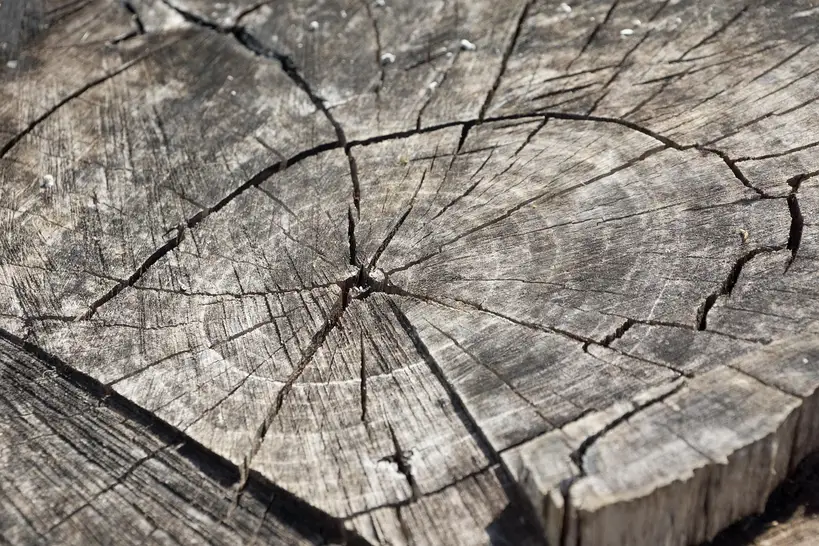
Ash wood furniture usually cracks because moisture changes move the wood, but the fix depends on location: end grain often checks cosmetically, wide panels can open seasonally, and cracks at joints usually mean joinery failure. Ignore the wrong type, and a small split can become a loose top, a racked frame, or a failed repair. This guide shows how to tell cosmetic movement from structural damage and what to do for each.
How ash density and grain direction drive seasonal movement


Ash is a North American ring-porous hardwood with distinct earlywood and latewood zones. The large earlywood pores act like drinking straws, so moisture can move quickly through exposed end grain. Because ash moves with humidity like most woods, seasonal changes can open checks, widen seams, or stress joints in furniture parts.
White ash has a Janka hardness of 1,320 lbf, green ash is 1,200 lbf, and ash specific gravity is about 0.60 at 12% moisture content. Those numbers tell you ash is fairly dense, but density does not stop movement. Moderate shrinkage still matters, especially across the grain.
Crack types to sort first
Checks, splits, and joint failure are different problems. A check is usually a surface crack that starts where moisture leaves fastest. A split goes deeper and can run farther through the part. Joint failure shows up where one member restrains another, such as at a mortise-and-tenon shoulder or a fixed tabletop fastener.
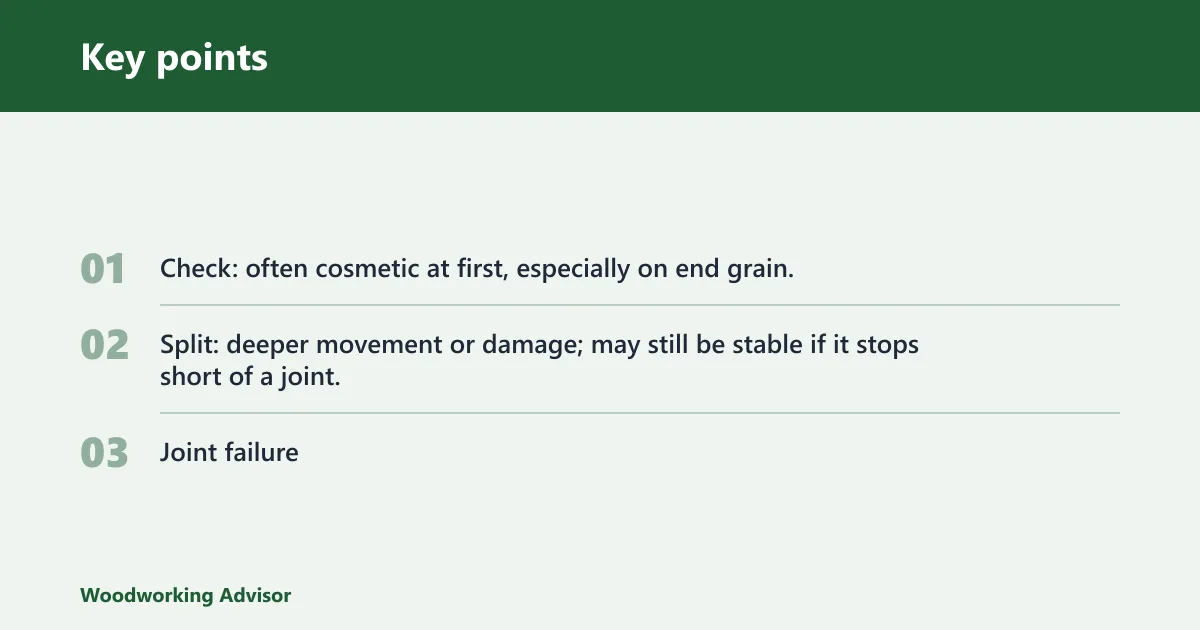
- Check: often cosmetic at first, especially on end grain.
- Split: deeper movement or damage; may still be stable if it stops short of a joint.
- Joint failure: structural, because the connection is no longer holding parts in alignment.
Ash crack diagnosis table
Use crack location first. That usually tells you more than the length of the split. A crack at end grain often suggests drying stress, while a crack around a joint often suggests restraint or an assembly issue.
| Where the crack appears | What it usually means | Stable or failing? | Recommended action |
|---|---|---|---|
| End grain | Rapid moisture loss, common checking point | Usually stable if shallow | Monitor, seal exposed ends, humidify if the room is too dry |
| Panel center | Seasonal movement across the grain or a board that was too wet at assembly | May be stable if it opens and closes seasonally | Monitor, then glue only if the crack is clean and stopped |
| Around joints | Cross-grain restraint, glue-line failure, or overstressed joinery | Often failing | Reinforce, reglue, or replace the part if the joint is loose |
| Underside | Hidden movement from fasteners, stretchers, or support blocks | Depends on movement and looseness | Check the attachment, then reinforce or rework the fastener layout |
| Near hardware | Screw restraint, overtightening, or a hole that blocked movement | Often failing if the crack spreads from the screw | Relieve restraint, repair the split, or replace the part if the wood is crushed |
What moisture content tells you
Moisture content is the first clue in a crack diagnosis. Kiln-dried stock is usually more predictable than air-dried stock, but either one can move after assembly if it does not match the destination-room equilibrium moisture content. Wood that was too wet when built can shrink later and pull itself apart.
Destination-room acclimation matters because ash furniture will keep trying to equalize with indoor air. If a moisture meter shows the furniture and surrounding lumber are still far from the room’s normal condition, the crack may be movement-related rather than a one-time defect.
Use a moisture meter as a decision tool
- Check the room’s normal indoor condition first, not a single bad day.
- Measure the crack area, the same part elsewhere, and any matching piece nearby.
- Compare face grain, edge grain, and end grain readings.
- If readings are still changing, wait before repairing a moving crack.
- If the crack stays open after conditions stabilize, treat it as a repair candidate.
Can indoor humidity cause ash cracks?
Low indoor humidity can dry ash too far, make it shrink, and open checks or seams. High humidity can swell the wood and then stress joints when the room dries again. Stable indoor conditions matter because repeated swings create repeated movement, and repeated movement is what turns small flaws into visible cracks.
Why room swings matter more than one dry week
Seasonal swings are hard on wide panels, tabletops, and any part locked by cross-grain fasteners. A dry spell may open a small check, then a humid spell may close it partway, then another dry spell may widen it again. That cycle weakens the same weak point over time.
A common first-timer mistake is fixing a gap during a dry spell and assuming it is solved forever. If the same crack opens wider every heating season, the room is part of the problem and the repair should account for movement.
How ash movement stresses furniture
Movement across the grain is the main risk in ash furniture. Tangential movement is greater than radial movement, so flat parts change size unevenly as moisture changes. Wide panels and tabletops are more vulnerable than narrow rails or legs because the total movement adds up over a wider field.
Cross-grain restraint is where trouble often starts. If one member wants to move and another member will not let it, ash can split at the weakest point instead of moving freely.
Where restraint causes damage
Tabletops are commonly fitted with clips or slotted holes so the top can expand and contract. Panels should float in frames instead of being glued rigidly across the grain. Fixed screws, hard glue blocks, or tight shoulders can hold the part too rigidly and force a split near the restraint.
Say your ash tabletop is 24 inches wide and the crack runs from a screw hole toward the edge. That pattern usually points to restraint, not random damage. The screw did not cause the humidity change, but it may have concentrated the stress where the split began.
How finish affects cracking
Finish slows moisture exchange, but it does not make ash inert. Faces, edges, and ends should be sealed consistently because uneven sealing leaves one area moving faster than another. Oil finishes and film finishes both slow change; neither one stops the wood from moving.
What finish can and cannot do
A finish can reduce how fast moisture enters and leaves the wood. It cannot cancel poor joinery, an unacclimated board, or a room with strong seasonal swings. If one face, edge, or end is left more open than the rest, that uneven exchange can contribute to checking.
Keep furniture away from sunlight and heaters, and avoid placing it where warm air blows across one edge only. Ash is also flammable, so distance from heat matters for more than cracking.
How do you repair cracked ash furniture?
Repair depends on whether the crack is clean, moving, or structural. Use wood glue for a crack that closes tightly and is not under active stress. Use epoxy or resin fillers for gaps and voids that glue cannot bridge. If the part is still being forced apart, reinforce or replace it first.
Match the repair to the damage
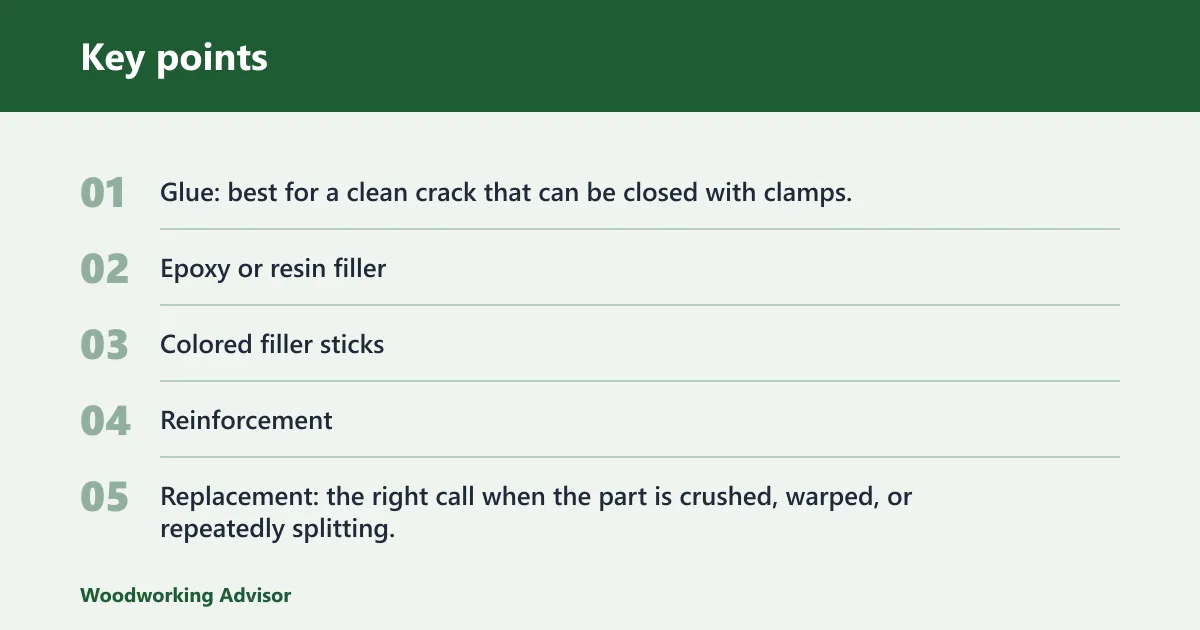
- Glue: best for a clean crack that can be closed with clamps.
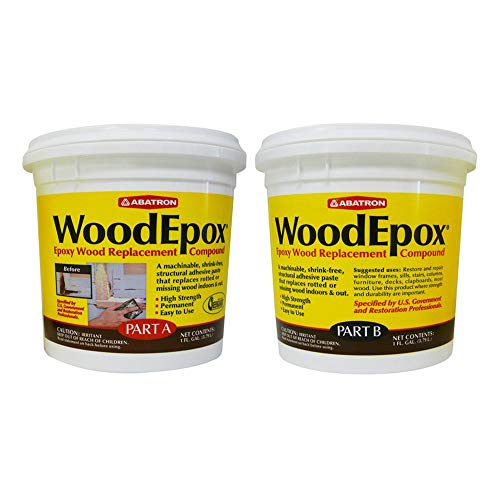
- Epoxy or resin filler: best for missing material, open voids, or gaps that will not close tightly.
- Colored filler sticks: useful for small cosmetic flaws after the movement has stopped.
- Reinforcement: needed when the crack reaches a joint or hardware area.
- Replacement: the right call when the part is crushed, warped, or repeatedly splitting.
Repair steps for a stable crack
- Confirm the crack is not actively growing.
- Clean dust and loose fibers from the gap.
- Dry-fit the part and check whether the faces close fully.
- Apply glue for a tight crack, or epoxy for a wider gap.
- Clamp only enough to close the joint without squeezing out all adhesive.
- After cure, sand and refinish the repair area.
Suppose an ash chair rung has a hairline split near the seat rail but the joint is still tight. That is a better glue candidate than a split around a loose mortise-and-tenon. If the joint has already opened, glue alone will not restore the original strength.
How do you prevent ash table cracks?
Prevention starts with joinery that allows movement. Avoid rigid cross-grain fastening, and give wide panels room to expand and contract. For tables, use clips or slotted holes. For framed panels, let the panel float instead of locking it across the grain.
Build and place it for seasonal changes
Keep ash furniture out of direct sun, away from heaters, and away from vents that blast one area more than another. Use dehumidifiers when indoor humidity is too high, but do not aim for a bone-dry room. Stable indoor conditions matter more than chasing a single number every day.
Check unfinished ends, especially on fresh boards and exposed furniture parts. Sealing end grain can slow checking because end grain loses moisture faster than faces. That does not stop movement, but it can reduce the speed of moisture loss where cracks often begin.
Maintenance checklist for seasonal shifts
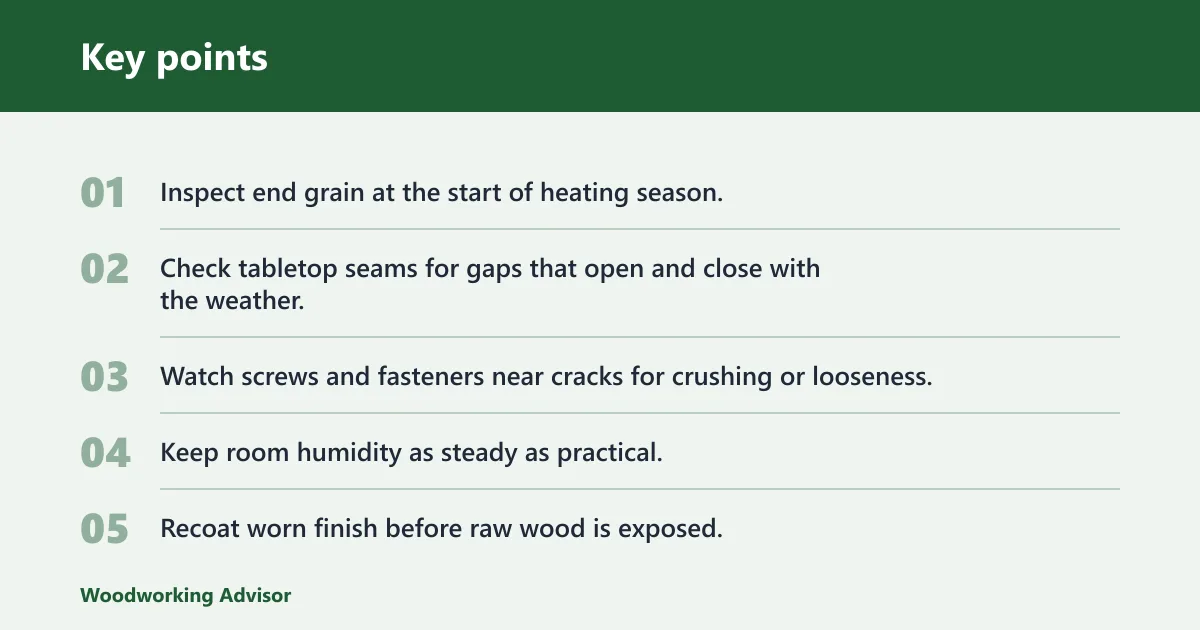
- Inspect end grain at the start of heating season.
- Check tabletop seams for gaps that open and close with the weather.
- Watch screws and fasteners near cracks for crushing or looseness.
- Keep room humidity as steady as practical.
- Recoat worn finish before raw wood is exposed.
Frequently asked questions
What causes wood to crack?
Wood cracks when moisture leaves unevenly, when humidity swings make it expand and shrink, or when one part restrains another. In furniture, the most common triggers are end-grain drying, cross-grain joinery, and wood that was built too wet for the room where it ended up.
Why is my ash wood furniture cracking?
Ash furniture often cracks because ash moves with humidity like most woods, and its ring-porous structure gives moisture an easy path through end grain. If the crack is at a joint or near hardware, the cause is more likely restraint or joinery failure than a surface-only defect.
Is my house humidity causing ash furniture cracks?
It may be. Low indoor humidity dries ash and can open checks, while repeated seasonal swings widen existing weak points. If a crack opens more during heating season and closes partway in summer, indoor humidity is probably part of the cause.
Can a finish stop ash wood from cracking?
No. Finish slows moisture exchange, but it does not stop wood movement. Good finish coverage on faces, edges, and ends can reduce how fast ash reacts to room changes, yet the part still needs proper joinery and a stable indoor environment.
When is a crack in furniture a structural problem?
A crack is more likely to be structural when it reaches a joint, hardware area, or load-bearing member, or when the part is loose, racked, or changing shape. A cosmetic check may stay put. A crack that affects alignment, support, or fastener holding power needs more than filler.
How do I prevent my ash table from splitting?
Let the top move. Use clips or slotted holes, avoid rigid cross-grain fastening, and keep the room’s humidity as steady as possible. Seal exposed end grain, keep the table away from heat and sunlight, and inspect seasonal seams before small gaps turn into splits.
Sponsored / affiliate links. As an Amazon Associate I earn from qualifying purchases. I may earn additional commission from eligible campaigns.