Polycrylic vs Epoxy: Which Wood Finish Should You Use?
Polycrylic is a water-based acrylic topcoat built for fast-drying, low-odor protection on indoor wood, while epoxy is a two-part resin built for maximum hardness and chemical resistance — but epoxy yellows in direct UV light unless you add a UV-stable topcoat, which makes it a poor default for anything outdoors. This guide covers durability, application, and the exact projects each one is actually built for.
Polycrylic vs Epoxy: Key Differences
Best Polycrylic Pick
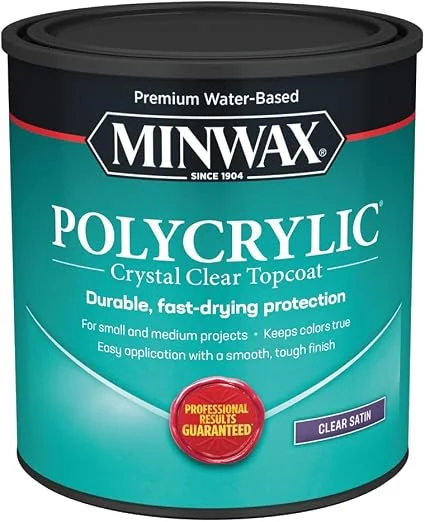 |
Minwax Polycrylic Protective Finish, Satin, 1 Quart – $22.79 This is the water-based, UV-stable topcoat this guide recommends for most indoor furniture, cabinet, and trim projects — satin sheen is the middle-ground finish that suits most wood furniture without looking too glossy or too flat.
|
| Factor | Polycrylic | Epoxy |
|---|---|---|
| Base | Water-based acrylic | Two-part synthetic resin (mix required) |
| Dry/cure time | Dry to touch in ~1–2 hours; full cure in about a day | Tacky for hours; full cure often takes 3–7 days |
| Durability | Good for light use; scratches more easily than epoxy | Maximum hardness, scratch and chemical resistance |
| UV stability | Holds color well in sunlight | Yellows and can degrade in direct UV without a UV-stable topcoat |
| Application | Brush, roller, or spray — beginner-friendly | Requires precise mixing ratios and careful pouring; less forgiving |
| Odor / VOCs | Low odor, easy soap-and-water cleanup | Stronger odor during cure; requires ventilation |
| Best use case | Furniture, trim, cabinets, indoor tabletops | Bar tops, river tables, countertops, high-build glossy coatings |
Why Epoxy Isn’t the Better Outdoor Choice (Even Though It’s Tougher)
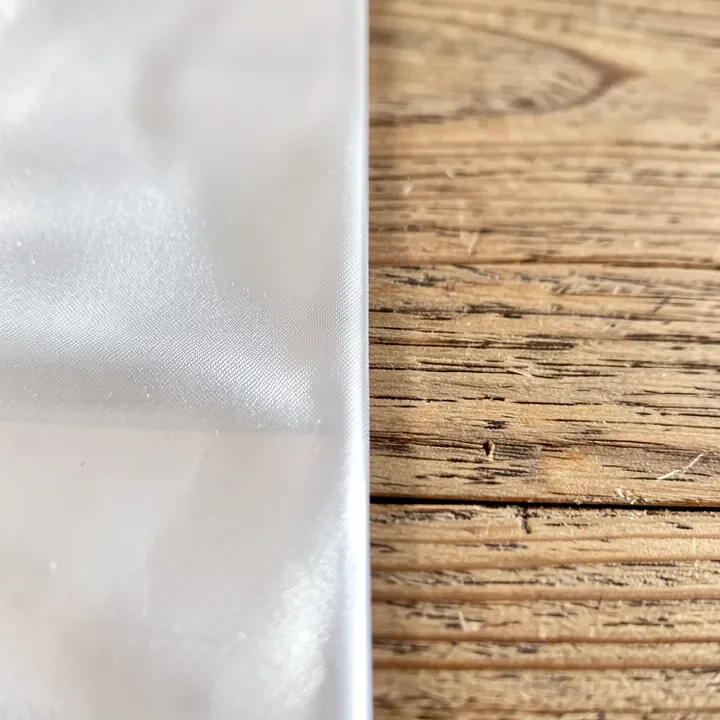
It’s a common assumption that “tougher” means “better outdoors,” but that’s backwards for epoxy. Standard epoxy resin lacks UV stability — direct sunlight breaks down the resin over months, causing it to yellow, cloud, or become brittle. Polycrylic, being acrylic-based, actually holds its clarity and color better under UV exposure. If you need an epoxy finish that will see any direct sun (an outdoor bar top, for example), you need a dedicated UV-resistant topcoat layered over it — standard epoxy alone is not the finish for that job.
📊 Acrylic-based finishes like polycrylic deliver superior UV stability and color retention compared to epoxy resin, while epoxy delivers maximum toughness, adhesion, and chemical resistance — Source: Elchemy: Acrylic Resin vs Epoxy Resin
Which Finish Should You Actually Buy?
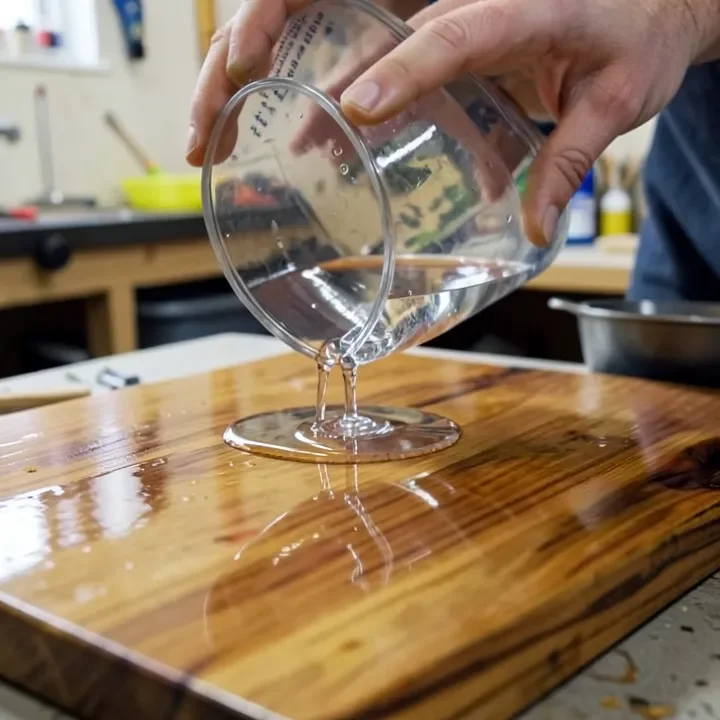
For most indoor wood projects — furniture, cabinets, trim, tabletops that don’t need a thick glossy build — polycrylic is the easier, faster, and more forgiving choice, and it’s what most DIYers should reach for first. Save epoxy for projects that specifically need its strengths: a thick, glass-like pour for a river table or bar top, or a surface that needs to resist heat and chemicals that polycrylic can’t handle.
Application Mistakes to Avoid With Each
- Polycrylic: Don’t shake the can — it creates bubbles that dry into the finish. Stir gently instead, and use thin coats (2–3 light coats beat one thick one).
- Polycrylic: Don’t apply over an oil-based stain that hasn’t fully cured — incompatible chemistry can cause the topcoat to bead or peel.
- Epoxy: Don’t eyeball the mixing ratio — even a slightly off resin-to-hardener ratio leaves the epoxy permanently tacky or soft.
- Epoxy: Don’t pour in a cold or humid room — both slow the cure and can cause cloudiness or bubbling.
Frequently Asked Questions
Can you put polycrylic over epoxy?
Yes, once epoxy has fully cured (typically several days), a coat of polycrylic can be applied over it for extra scratch protection, though this is uncommon since cured epoxy is already very hard on its own.
Does epoxy yellow over time?
Yes. Standard epoxy resin lacks UV stability and will yellow or cloud with sun exposure over months unless it’s finished with a dedicated UV-resistant topcoat — this is the main reason epoxy is a poor default choice for anything outdoors.
Is polycrylic waterproof?
Polycrylic is water-resistant, not fully waterproof — it protects wood from moisture, spills, and light water exposure, but it isn’t rated for submersion or constant standing water the way a marine-grade epoxy is.
How many coats of polycrylic do you need?
Most projects need 2 to 3 thin coats of polycrylic, lightly sanding between coats with fine-grit sandpaper for the smoothest final finish.
Polycrylic and epoxy solve different problems — polycrylic is the fast, forgiving, UV-stable topcoat for everyday indoor wood, while epoxy is the maximum-durability resin for thick pours and high-wear surfaces that never see direct sun without extra UV protection. Match the finish to the actual project, not just to which one sounds tougher.
Sponsored / affiliate links. As an Amazon Associate I earn from qualifying purchases. I may earn additional commission from eligible campaigns.