Danish Oil vs Polyurethane: Which Finish Should You Use?
Danish oil penetrates wood and leaves a natural, low-build finish; polyurethane builds a harder film on top for stronger protection. Use Danish oil for an easy wipe-on look on decorative pieces — but use polyurethane on tabletops, desks, and floors, where it resists scratches and water far longer. This guide covers cure times, safe application, and the oily-rag fire hazard both finishes share.
Disclosure: This post may contain affiliate links. As an Amazon Associate we earn from qualifying purchases.
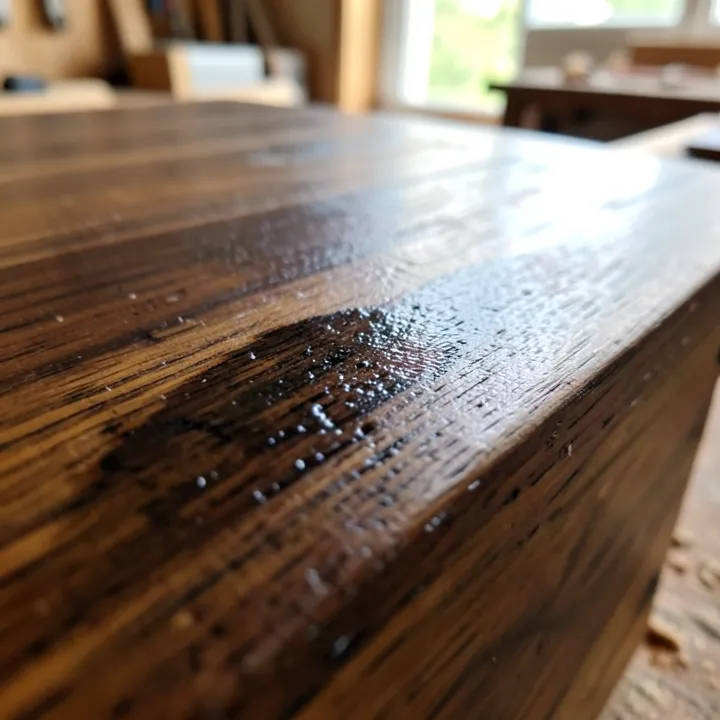
Danish oil is better for a natural-looking, easy wipe-on finish with moderate protection and a 24–48 hour surface cure. Polyurethane is better for durability, water resistance, and high-use surfaces like tables, desks, cabinets, shelves, and floors, but it takes 14–30 days to fully cure depending on the formula.
Danish Oil vs Polyurethane: Fast Decision Table
Best Danish Oil Pick
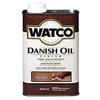
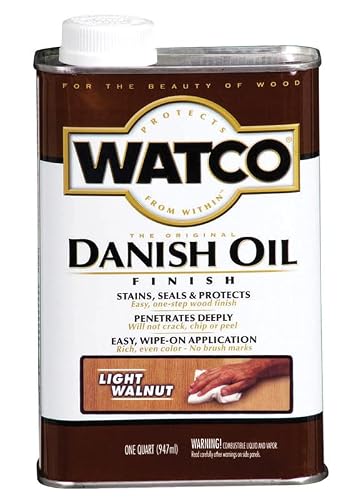
Watco Danish Oil Wood Finish, Pint, Natural
An oil-varnish blend that penetrates bare or stripped wood and dries to the touch in as little as 6 hours.
- Best for: decorative furniture, boxes, shelves, and trim
- Why we picked it: the standard wipe-on danish oil most guides and this comparison are built around
- Main drawback: moderate protection only — not rated for floors or heavy daily wear
Compare more danish oil vs polyurethane options
 Option 1 Minwax Oil-Based Wipe-On Polyurethane, Satin
|
 Option 2 Watco Wipe-On Polyurethane, Quart, Clear Gloss
|
 Option 3 Justrite 6 Gallon Oily Waste Can
|
As an Amazon Associate we earn from qualifying purchases.
| Project / Goal | Better Choice | Why | Watch Out For |
|---|---|---|---|
| Beginner natural finish | Danish oil | Easy wipe-on application and warm color | Moderate protection only |
| Dining table | Polyurethane | Better water and abrasion resistance | Must cure before heavy use |
| Decorative furniture | Danish oil | Natural look and simple maintenance | Needs refresh coats |
| Kitchen cabinets | Polyurethane | Better cleaning resistance | Avoid thick coats |
| Wood floor | Floor-rated polyurethane | Built for traffic | Danish oil is not the normal floor choice |
| Pine shelves | Danish oil or polyurethane | Oil for natural look, poly for protection | Pine dents easily |
| High-use desktop | Polyurethane | Handles friction and cleaning better | Use thin coats |
What Is Danish Oil?
Danish oil is usually a blended finish made from oil, varnish, and solvent. Formulas vary by brand, but the practical result is a wipe-on finish that penetrates the wood and leaves some protection with a natural appearance.
It is popular because it is easy to apply. You wipe it on, let it soak, wipe off the excess, and repeat as needed. It gives wood warmth and depth without building a thick plastic-looking surface. For beginner wood projects like a homemade guitar school project, Danish oil is the easiest finish to apply without runs or brush marks.
What Is Polyurethane?
Polyurethane is a clear film finish that cures into a harder protective coating. It is available as water-based polyurethane, oil-based polyurethane, wipe-on polyurethane, and floor-rated polyurethane.
Polyurethane is chosen when protection matters more than the most natural feel. It is commonly used on tables, floors, cabinets, doors, trim, shelves, and desks because it handles wear better than oil blends. For more finish comparisons in this same cluster, see our tung oil vs polyurethane notes, water-based vs oil-based polyurethane, best finish for pine wood, or, for a daily-humidity environment, our best wood finish for a bathroom vanity comparison.
Main Difference Between Danish Oil and Polyurethane
| Feature | Danish Oil | Polyurethane |
|---|---|---|
| Finish type | Oil-varnish blend | Protective film finish |
| Look | Warm, natural, low-build | Clear to amber film |
| Durability | Moderate | High |
| Water resistance | Moderate | Better |
| Repair | Easy to refresh | More work to repair invisibly |
| Application | Wipe on, wipe off | Brush, wipe, spray, or roll |
| Best use | Decorative furniture and natural projects | Tables, floors, cabinets, and high-use surfaces |
Danish Oil vs Polyurethane Cure Time
Cure time is where the two finishes differ most in practice, and it is the number most guides skip. Danish oil is dry to the touch in 24–48 hours, but a multi-coat build can take up to a week to fully cure in cool or damp conditions. Polyurethane recoats faster but takes longer to reach full hardness: water-based poly can be recoated in 4–6 hours with a 14–21 day full cure, while oil-based poly needs 8–24 hours between coats and about 30 days before it reaches full hardness.
| Finish | Recoat Time | Full Cure Time |
|---|---|---|
| Danish oil | Same day, once tacky | 24–48 hrs (up to 1 week, multi-coat) |
| Water-based polyurethane | 4–6 hrs | 14–21 days |
| Oil-based polyurethane | 8–24 hrs | ~30 days |
Avoid heavy use — hot mugs, cleaning chemicals, stacked books — until the finish reaches full cure, not just recoat-ready. Using a tabletop before oil-based poly fully hardens is the most common reason finishes dent or haze early.
When Danish Oil Is Better
Danish oil is better when you want a simple, attractive, low-build finish that keeps wood looking natural. It is ideal for projects where touch, warmth, and ease of application matter more than maximum water and abrasion resistance.
Choose Danish Oil when:
- You want a natural low-sheen finish
- You prefer wipe-on application
- The project is decorative or low-use
- You want easy refresh coats
- You are finishing boxes, shelves, trim, or furniture parts
When Polyurethane Is Better
Polyurethane is better when the surface will be used hard. If the wood will see cups, spills, cleaning, books, hands, foot traffic, or daily abrasion, polyurethane is the more protective choice.
Choose Polyurethane when:
- You are finishing a dining table or desk
- You need better scratch and water resistance
- You are finishing cabinets, shelves, trim, or floors
- You want a longer-lasting protective film
- You do not mind careful thin-coat application
Danish Oil vs Polyurethane for Table Tops
Polyurethane is usually better for table tops because it forms a harder surface. Danish oil can look excellent on a decorative table, but it will not resist water rings and daily abrasion as well as polyurethane.
For a dining table, kitchen table, desk, or coffee table, choose polyurethane unless you intentionally want a natural oil look and accept more maintenance.
Danish Oil vs Polyurethane for Pine
Danish oil warms pine and keeps it rustic. See our guide to finishes for a rustic wood table for how it stacks up against seven other options. Polyurethane protects pine better, especially because pine is soft and dents easily.
If the pine project is decorative, Danish oil can be enough. If it is a shelf, tabletop, or frequently handled surface, polyurethane is safer.
Can You Put Polyurethane Over Danish Oil?
Sometimes, but only after the Danish oil is fully cured and compatibility is tested. Many Danish oil formulas include varnish and oil, so topcoat behavior can vary — give the oil the full cure window in the table above, not just the recoat time, before adding a poly topcoat.
The safest method is to test the full schedule on scrap wood. If the polyurethane scratches off, wrinkles, or refuses to bond, do not use that combination on the main project.
Application Tips
Danish oil and polyurethane both need thin coats and patience. The biggest mistake is leaving too much oil on the surface or applying polyurethane too thick. If you’re using a water-based topcoat instead of oil-based polyurethane, how many coats of Polycrylic you actually need follows the same thin-coat logic, just with much faster recoat times.
- Sand and clean: Sand evenly through the grits and remove all dust with a tack cloth.
- Test on scrap: Test the finish on scrap from the same wood before committing to the full piece.
- Apply Danish oil thin: Flood or wipe on a thin coat and let it soak as directed.
- Wipe off all excess: Wipe the surface dry — any oil left standing turns sticky and dust-prone.
- Repeat coats: Recoat Danish oil after proper drying, usually the same day once it stops feeling tacky.
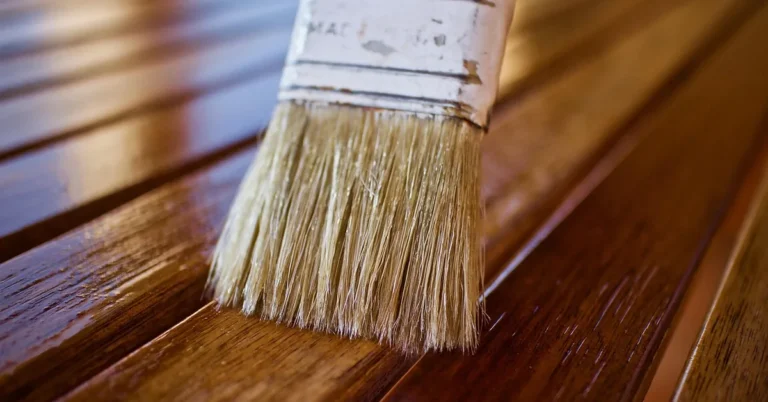
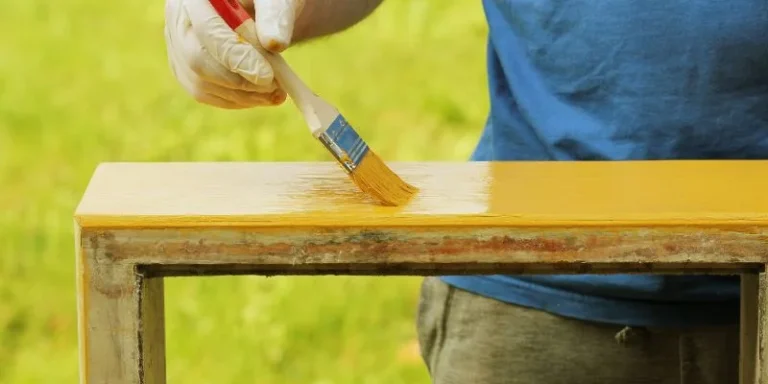
- Apply polyurethane thin: Brush or wipe polyurethane thin coats with the grain, not against it.
- Sand between coats: Sand lightly between polyurethane coats if the can recommends it.
- Dry, dunk, and dispose of rags immediately: Never ball up or bin a used oil rag — see the fire safety section below before you clean up.
Danish Oil Rag Disposal: Fire Safety Warning
Danish oil cures by reacting with oxygen in the air, and that reaction gives off heat. Spread flat on a workpiece, the heat escapes harmlessly. Balled up in a trash can, a pile of oil-soaked rags traps that heat instead — and the temperature can climb until the fabric reaches its ignition point with no spark or flame needed. This applies to Danish oil, boiled linseed oil, tung oil, and most oil-based stains and varnishes, not just the finish in this comparison.
📊 The National Fire Protection Association counts roughly 1,700 home fires a year caused by spontaneous combustion, and about 900 of those are traced directly to oily rags. — Source: NFPA
Safe disposal: dry, dunk, and dispose
Fire departments and Underwriters Laboratories teach the same three-step method for Danish oil and polyurethane rags:
- Dry flat: Drape each rag separately over the edge of a metal trash can or a clothesline outdoors, away from siding and other combustibles, until fully dry and stiff.
- Dunk instead, if faster: Or skip drying entirely — drop the rag straight into a sealed metal container filled with water. This cuts off oxygen and stops the heat-producing reaction immediately.
- Dispose properly: Once dry and stiff, or once sealed wet in a metal container, the rags can go in the regular trash. Never pile wet oil rags together in a plastic bag or a closed cardboard box.
Never put an oil-finish rag in a clothes dryer, and never leave a pile of rags on a workbench overnight, even “just for now.” A dedicated self-closing metal oily-waste can (see Option 3 in the product comparison above) removes the guesswork — drop the rag in wet, and the sealed lid does the rest.
Common Mistakes
Leaving Danish oil too thick
Danish oil left on the surface can become sticky. Wipe off excess carefully.
Expecting Danish oil to act like a heavy topcoat
Danish oil gives moderate protection, not the same hard film as polyurethane.
Brushing polyurethane too heavily
Thick polyurethane can bubble, sag, or stay soft.
Topcoating too soon
Do not apply polyurethane over oil until the oil is fully cured and tested.
Balling up oil rags and leaving them in the shop
This is the mistake that starts fires, not just finishes. Dry the rags flat or dunk them in water immediately — see the fire safety section above.
Final Recommendation
Choose Danish oil for simple wipe-on application, natural warmth, and low-build beauty. Choose polyurethane for stronger protection, better water resistance, and surfaces that see daily use.
For most high-use furniture, polyurethane is the practical winner. For decorative furniture and natural wood feel, Danish oil is easier and often better looking. Whichever you choose, treat the used rags with the same care as the finish itself — that is the step most guides leave out.
FAQs About Danish Oil vs Polyurethane
Is Danish oil better than polyurethane?
Danish oil is better for a natural look and easy application. Polyurethane is better for durability and high-use surfaces.
Can Danish oil be used on a dining table?
It can, but polyurethane is usually better for dining tables because it resists wear and water better.
Can I put polyurethane over Danish oil?
Sometimes, if the Danish oil is fully cured and compatible. Always test first on scrap wood.
How long does Danish oil take to cure?
Danish oil is dry to the touch in 24–48 hours. A multi-coat build can take up to a week to fully cure, longer in cool or damp conditions.
Is Danish oil good for pine?
Yes, Danish oil can warm pine and look natural, but polyurethane protects pine better for high-use surfaces.
Are Danish oil rags a fire hazard?
Yes. Balled-up Danish oil rags can spontaneously combust as the oil cures and releases heat. The NFPA links about 900 home fires a year to oily rags. Dry them flat or dunk them in water immediately after use.
How do I safely dispose of Danish oil rags?
Drape rags flat over the edge of a metal trash can until dry, or drop them straight into a sealed metal container filled with water. Once dry and stiff, or sealed wet in metal, they can go in the regular trash.
Sponsored / affiliate links. As an Amazon Associate I earn from qualifying purchases. I may earn additional commission from eligible campaigns.