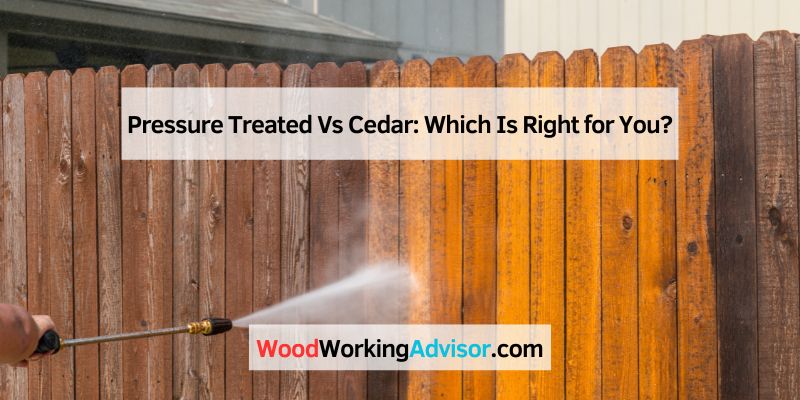
Pressure Treated Vs Cedar: Which Is Right for You?
Are you planning to upgrade your outdoor space or build a new deck? Choosing the right type of wood is crucial for durability, aesthetics, and cost-effectiveness.
You might be torn between pressure-treated wood and cedar. Both have their unique advantages and drawbacks, which can make the decision feel overwhelming. Imagine knowing exactly which option will give you peace of mind and satisfy your needs. We’ll break down the differences between these two popular choices.
You’ll discover which type of wood aligns perfectly with your project goals, ensuring your investment stands the test of time. Don’t miss out on this opportunity to make an informed decision that enhances your outdoor living experience!
Credit: www.thehandymansdaughter.com
Material Characteristics
Choosing the right wood for your project is crucial. Material characteristics play a vital role in this decision. Wood types vary in durability, appearance, and maintenance needs. Pressure treated wood and cedar wood are popular choices. Each has distinct features worth exploring.
Pressure Treated Wood
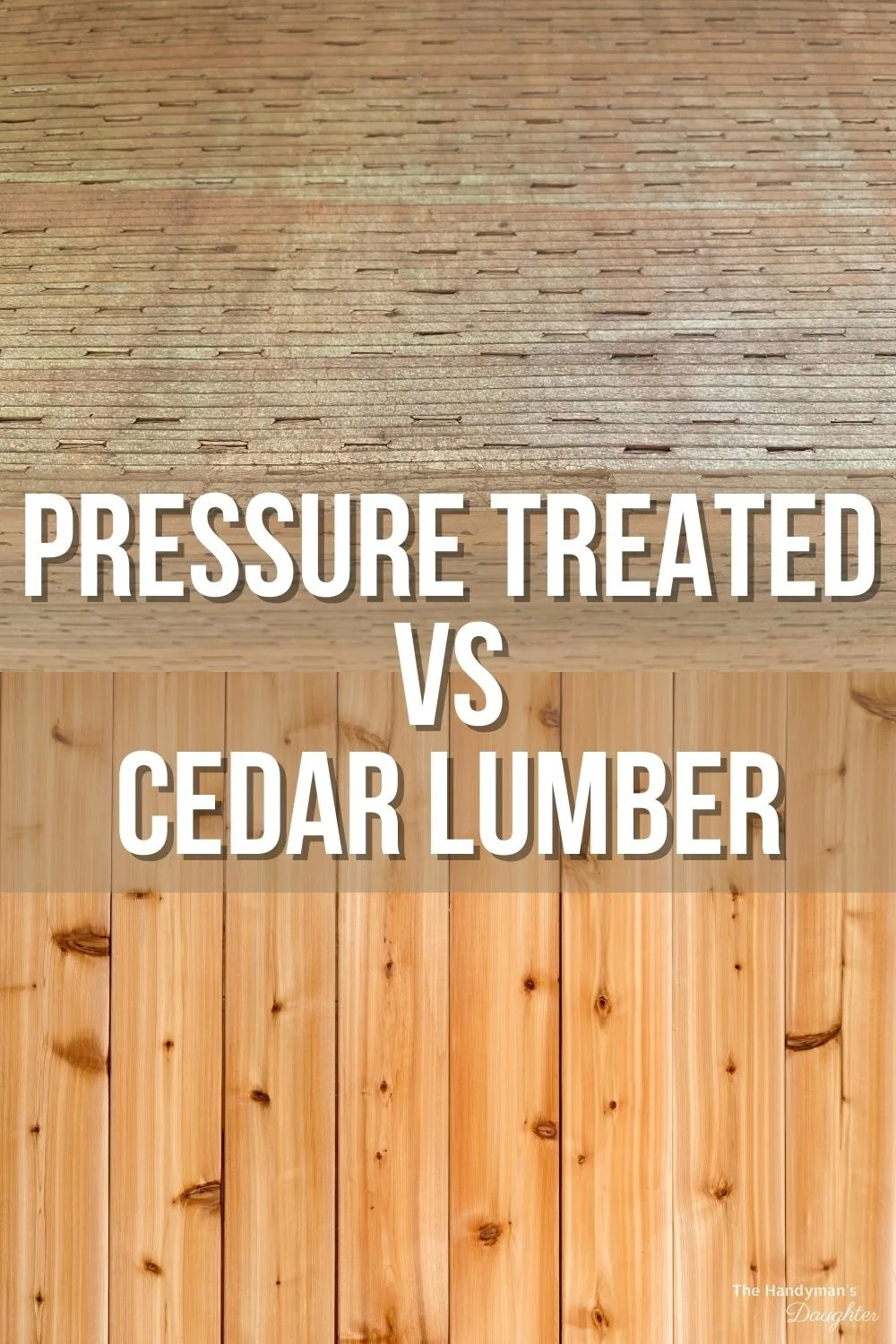
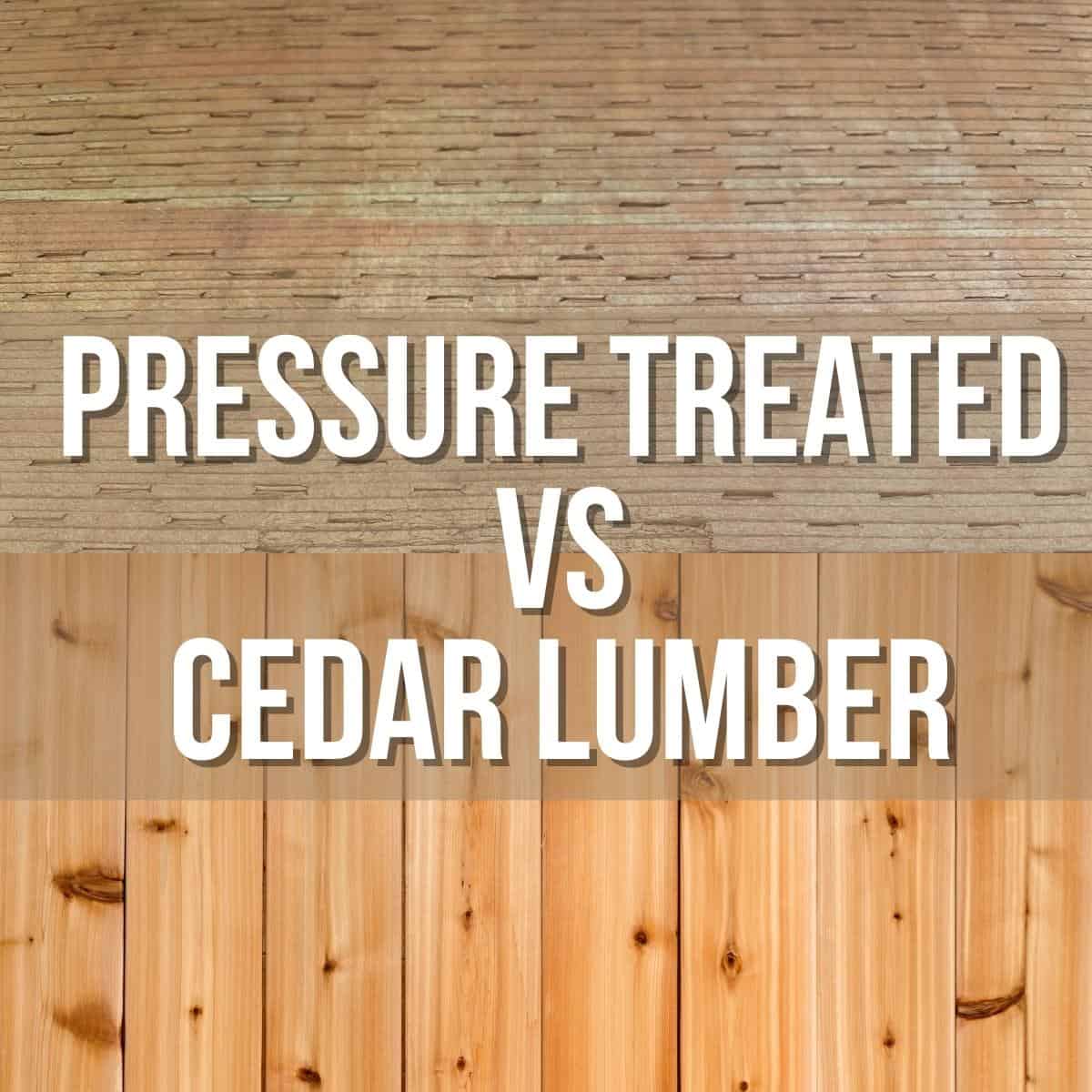
Pressure treated wood is known for its durability. It resists rot and insects effectively. This wood undergoes a chemical treatment process. Chemicals enhance its lifespan significantly. It’s ideal for outdoor use, like decks and fences. The treatment gives the wood a greenish tint. Some find this less appealing visually. It’s often more affordable than cedar. Maintenance involves regular sealing to preserve its condition.
Cedar Wood
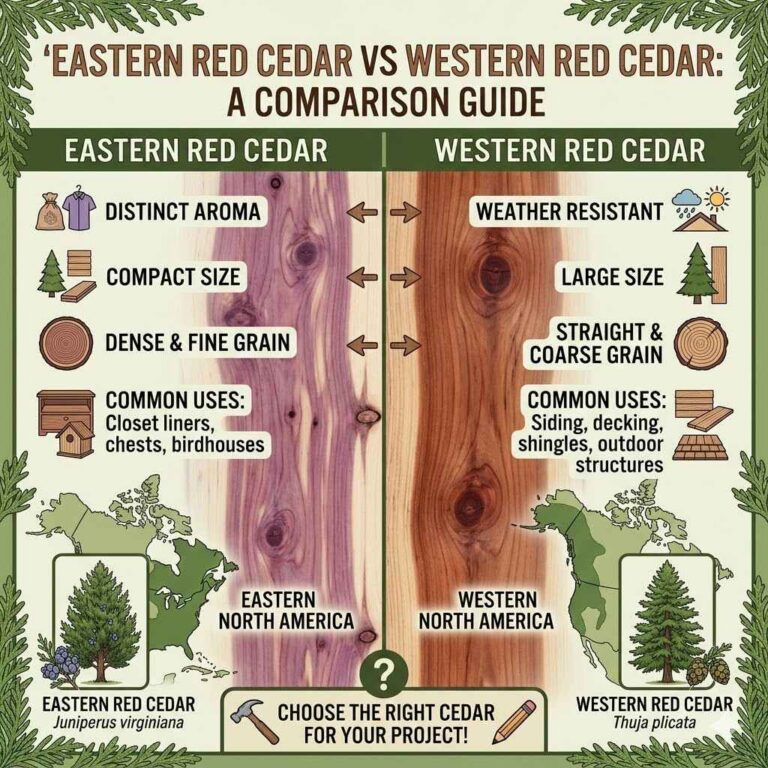
Cedar wood offers natural beauty and a pleasant aroma. It’s naturally resistant to decay and insects. This wood does not require chemical treatments. Cedar has a reddish hue, adding warmth to spaces. It’s lightweight, making it easy to work with. Cedar’s natural oils protect it from moisture. It does tend to cost more upfront. Regular maintenance keeps its appearance fresh and vibrant.
Durability And Longevity
Comparing durability and longevity, pressure-treated wood resists rot and insects. Cedar naturally withstands decay and weather. Both offer strong options for outdoor projects.
When deciding between pressure treated wood and cedar for your outdoor project, understanding durability and longevity is crucial. These factors can significantly impact the overall value and satisfaction with your choice. From personal experience, choosing the right material for my backyard deck was about balancing aesthetics with long-lasting performance.
Resistance To Elements
Pressure treated wood is often praised for its ability to withstand harsh weather conditions. It undergoes a chemical treatment to resist rot, insect damage, and mold, making it ideal for areas with frequent rainfall or high humidity.
Cedar, with its natural oils, offers a different kind of protection. These oils act as a barrier against water and pests, providing a natural defense without any chemical additives. Cedar’s charm lies in its ability to age gracefully, even when exposed to the elements.
How do you see your outdoor space? Do you prioritize chemical-free durability or are you leaning towards enhanced protection?
Lifespan Comparison
When comparing the lifespan of pressure treated wood to cedar, you might be surprised. Pressure treated wood can last up to 40 years with proper maintenance. This durability makes it a popular choice for long-lasting outdoor structures, especially in regions prone to harsh climates.
Cedar, while slightly less durable, can last around 20-30 years. Its longevity is tied to its maintenance routine. Regular sealing can extend its life significantly, preserving its natural beauty and strength.
Consider how often you are willing to maintain your outdoor structures. Are you prepared for regular upkeep, or do you prefer a set-and-forget approach?
Choosing between these two types of wood isn’t just about the present; it’s about envisioning the future of your outdoor projects. What does your dream space look like ten years down the line?
Maintenance Requirements
Choosing between pressure treated wood and cedar for your outdoor project is an important decision. Both types of wood have unique maintenance requirements. Understanding these can help you keep your deck, fence, or furniture looking great for years. It’s not just about the initial investment—it’s about the long-term commitment to care and upkeep.
Regular Care For Pressure Treated
Pressure treated wood is known for its durability and resistance to elements. However, it still requires regular attention. You should clean it annually to remove dirt and mildew. A simple mixture of water and mild detergent can do wonders.
Sealing pressure treated wood is crucial. It helps maintain its appearance and prolongs its life. Apply a water-repellent sealant every couple of years. This prevents moisture from seeping in and causing damage.
But here’s a question: how often do you inspect your pressure treated wood for signs of wear? Regular checks can catch issues early, saving you time and money. Look for cracks, splits, or warping and address them promptly.
Cedar Maintenance Practices
Cedar is naturally resistant to decay and insects, making it a popular choice. Yet, it still needs care to stay beautiful. Cleaning cedar wood is less intensive than pressure treated wood. Just a gentle wash with water can suffice.
Applying a protective oil or stain to cedar enhances its natural color. It also shields it from harsh weather. You might consider doing this every couple of years, depending on your local climate.
Cedar can grey over time, which some people find charming. But if you prefer its original hue, a little maintenance goes a long way. So, how do you feel about cedar’s natural aging process? Would you embrace it or fight it with regular staining?
Ultimately, your lifestyle and aesthetics will guide your choice. Pressure treated wood offers robust protection with a bit more upkeep. Cedar provides beauty with less intensive care but requires attention to preserve its look. Your decision might come down to how much time you’re willing to invest in maintenance.
Cost Considerations
Choosing between pressure treated wood and cedar involves considering costs. Both options have unique advantages and financial implications. Understanding these can help you make the best decision.
Initial Investment
Pressure treated wood usually costs less upfront. It’s treated with chemicals to resist rot and insects. This makes it an affordable choice for many homeowners. Cedar, on the other hand, tends to have a higher initial price. Its natural beauty and durability often justify the cost. This wood doesn’t require chemical treatment to resist decay.
Long-term Expenses
Pressure treated wood may need regular maintenance. Staining or sealing helps protect it from weather damage. These tasks can add up over time. Cedar requires less upkeep. Its natural oils help it withstand harsh conditions. This can save money in the long run. Consider the lifespan of each wood type. Cedar can last longer without extensive repairs.
Aesthetic Appeal
When deciding between pressure treated wood and cedar for your project, aesthetic appeal is a key factor. Each wood type offers unique visual characteristics. Choosing the right one can enhance the look of your space. Let’s explore their distinct visual traits.
Visual Characteristics Of Pressure Treated
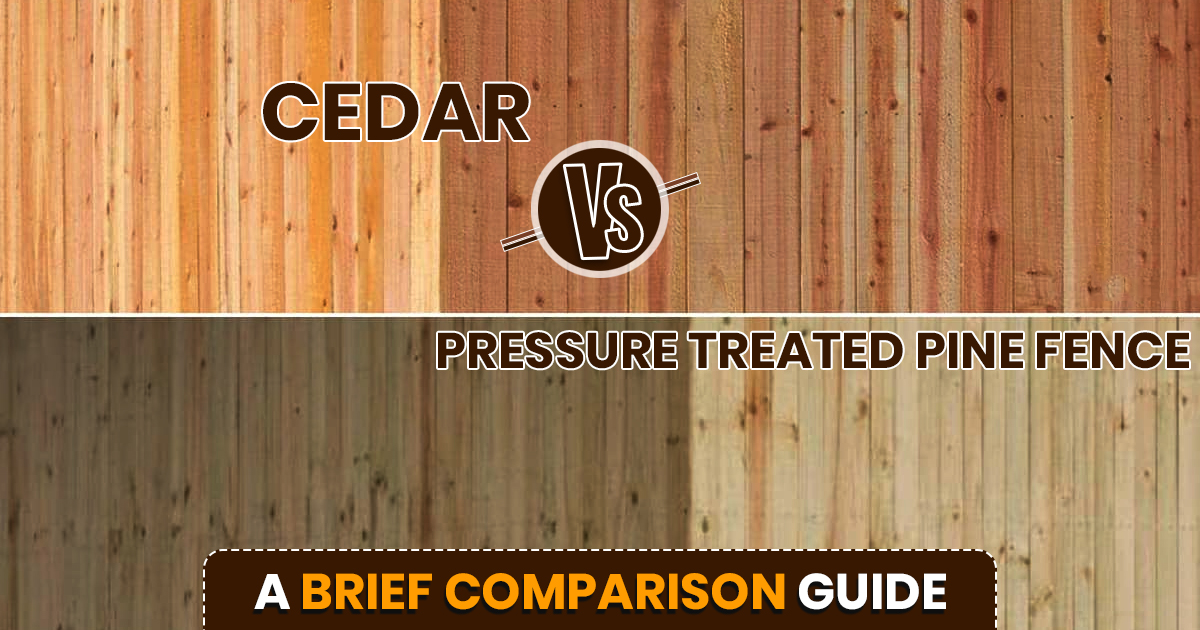
Pressure treated wood often has a greenish tint. This is due to the chemicals used in the treatment process. Its color can vary from pale to dark green. Over time, it weathers to a grayish tone. The wood has a uniform appearance. This makes it suitable for modern designs.
Its grain pattern is subtle. It complements spaces where the focus is not solely on the wood. The texture is smooth but can be enhanced with stains. Staining adds depth and warmth to the wood.
Natural Beauty Of Cedar
Cedar boasts a rich, warm color. Its hues range from light amber to deep brown. This natural beauty is its standout feature. Cedar’s grain is more pronounced. It adds character and charm to any setting.
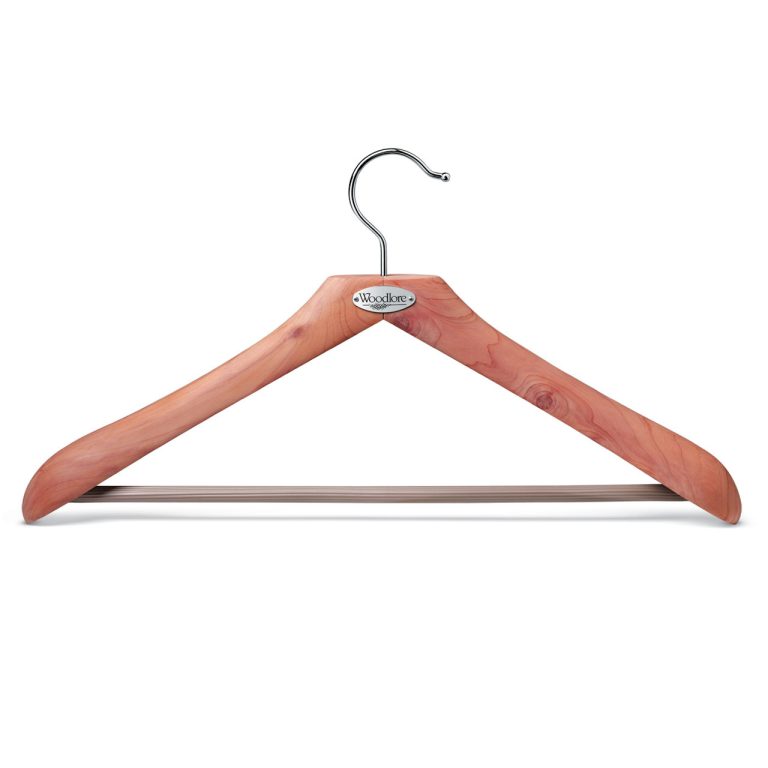
The wood emits a pleasant scent. This aroma enhances its appeal. Cedar’s surface is often smooth to touch. It ages gracefully, developing a silvery patina. This transformation further enhances its aesthetic appeal.
Credit: cameroontimberexport.com
Environmental Impact
Choosing between pressure treated wood and cedar often hinges on environmental impact. This factor influences sustainability and eco-friendliness. Understanding these elements helps in making informed decisions. Both types have distinct environmental footprints.
Sustainability Of Pressure Treated
Pressure treated wood is durable. Chemicals preserve it, increasing lifespan. Longer lifespan means less frequent replacements. Reduced replacements help save resources. However, these chemicals can leach into the ground. This poses environmental risks. Proper disposal is crucial to prevent pollution.
Pressure treated wood comes from various sources. Sustainable forestry practices improve its eco-friendly profile. Certification from organizations like FSC indicates responsible sourcing. Choosing certified wood supports sustainable forestry.
Eco-friendliness Of Cedar
Cedar is naturally resistant to decay. It doesn’t require chemical treatments. This makes it more environmentally friendly. Cedar biodegrades without harming the environment. It has a lower carbon footprint.
Cedar often comes from well-managed forests. These forests regenerate quickly. Fast regeneration aids sustainability. Cedar production supports eco-friendly practices. It aligns with the principles of green building.
Applications And Uses
Pressure treated wood is ideal for outdoor structures like decks, fences, and utility poles due to its resistance to decay. Cedar, on the other hand, is favored for its natural beauty and durability, often used in furniture, siding, and roofing.
Each wood type offers unique benefits suited to various applications.
When deciding between pressure treated wood and cedar, understanding their applications and uses is crucial. Both materials have unique properties that make them suitable for different projects. Knowing where each one excels can help you make an informed decision, whether you’re building a deck, fence, or outdoor furniture. Let’s dive into how each material shines in specific scenarios.
Ideal Uses For Pressure Treated
Pressure treated wood is your go-to for projects that demand strength and durability. It’s specially treated to resist decay and withstand harsh weather conditions. Think about your outdoor deck; pressure treated wood can handle the elements and heavy foot traffic with ease.
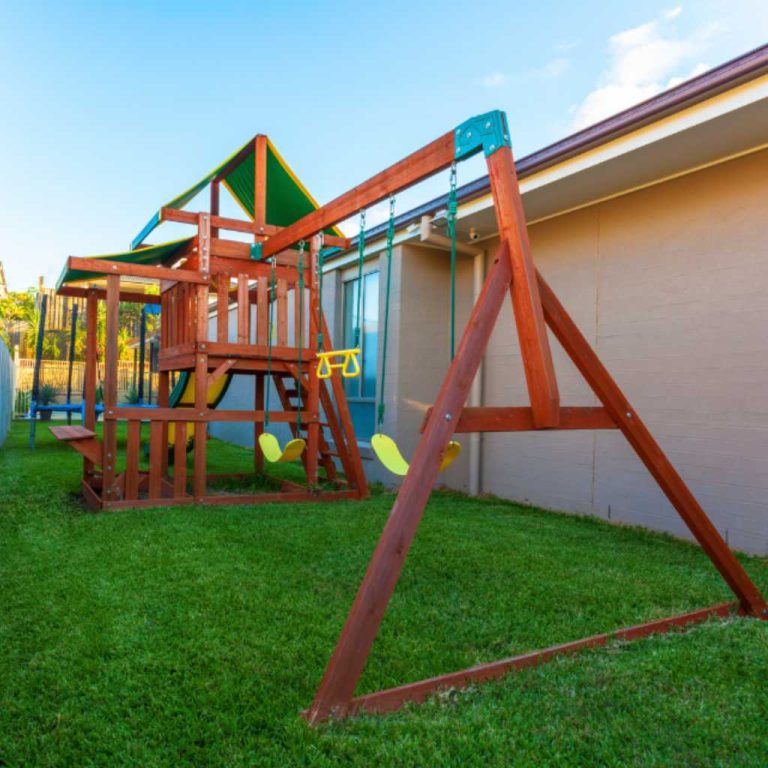
If you’re planning a garden shed or a playhouse for your kids, this material is a solid choice. It offers the stability you need, ensuring safety and longevity.
For fencing, pressure treated wood provides a robust barrier that can last for years without succumbing to rot or insect damage. I’ve used it myself for fencing, and it’s still standing strong after many seasons.
Common Cedar Applications
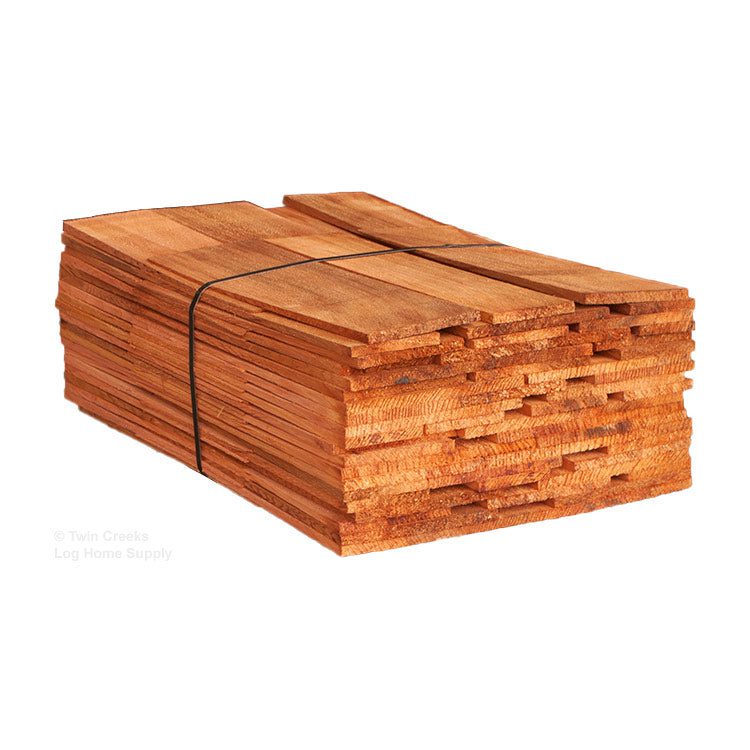
Cedar, on the other hand, is perfect for projects where aesthetics and natural resistance to bugs are paramount. Its rich color and grain add a touch of elegance to any space. If you’re envisioning a gorgeous patio or pergola, cedar’s appealing look makes it a top contender.
Cedar is often chosen for outdoor furniture because it doesn’t need chemical treatments to resist insects. This feature makes it ideal for crafting beautiful benches or tables that invite you to relax in your garden.
Think about siding for your home. Cedar’s ability to naturally repel moisture helps protect your house from the elements while providing a warm, inviting exterior. Its application in siding brings both practicality and beauty together seamlessly.
Have you considered which material best suits your next project? Understanding these applications can guide your choice and ensure you get the best results. Whether durability or aesthetics are your priority, choosing wisely can make all the difference.
Health And Safety
When choosing wood for outdoor projects, health and safety matter. Pressure-treated wood and cedar offer different benefits and risks. Understanding these differences helps in making informed decisions. This section explores the health and safety aspects of both options.
Chemical Treatments In Pressure Treated
Pressure-treated wood contains chemicals. These chemicals protect against rot and insects. Arsenic and copper are common in the treatment process. These chemicals can be harmful if touched or inhaled. It is important to handle this wood with care. Use gloves and masks when cutting or sanding. Dispose of sawdust properly to avoid health risks.
Natural Benefits Of Cedar
Cedar is naturally resistant to decay. It does not require chemical treatments. This makes cedar a safer option for health-conscious individuals. Cedar has natural oils that repel insects. These oils provide protection without harmful chemicals. Cedar’s pleasant aroma is a bonus. It creates a soothing environment without health concerns.
Weather Resistance
Choosing between pressure treated wood and cedar depends on weather resistance needs. Pressure treated wood resists rot and insects, ideal for damp areas. Cedar offers natural resistance to moisture and decay, perfect for dry climates. Both options provide durability, but their performance varies with environmental conditions.
Weather resistance is a crucial factor when choosing between pressure treated wood and cedar for your outdoor projects. You want materials that will withstand nature’s challenges without constant upkeep. Let’s dive into how each option fares in different weather conditions.
Moisture And Rot Resistance
Pressure treated wood is designed to resist moisture and rot. Chemicals are added during the treatment process to protect the wood from fungi and insects. This makes it a reliable choice for areas with high humidity or frequent rainfall.
Cedar, on the other hand, naturally fights off moisture and rot. It contains oils that help it resist decay and insects. If you’re looking for a more natural option with less chemical intervention, cedar might be your go-to.
Have you ever noticed how some fences seem to last longer despite being battered by rain? Cedar’s natural oils might be the secret behind their enduring charm. Pressure treated wood relies on its chemical shield, which can be reassuring in wetter climates.
Performance In Various Climates
Pressure treated wood shows impressive resilience across different climates. In hot and dry areas, it maintains its structural integrity. In contrast, cedar might dry and crack if not properly maintained with sealants.
In colder climates, cedar stands out. It doesn’t warp or shrink as much as pressure treated wood. This makes cedar a solid choice for regions with freezing temperatures.
Imagine living in a place with harsh winters. You’d want your deck to hold up without constant repairs, right? Cedar’s stability in cold weather could be your ally.
Thinking about your local climate, which wood would best withstand the seasonal changes? Your choice could save you time and effort in maintenance.
Credit: www.thehandymansdaughter.com
Frequently Asked Questions
What Lasts Longer, Pressure Treated Or Cedar?
Pressure-treated wood usually lasts longer than cedar. It resists rot and insect damage better. Cedar naturally resists decay but may require more maintenance. For longevity, consider the environment and maintenance. Pressure-treated wood can last up to 40 years, while cedar typically lasts around 20-25 years with proper care.
What’s Better, Cedar Or Pressure Treated?
Cedar offers natural resistance to decay and pests, making it ideal for aesthetics. Pressure-treated wood is durable and cost-effective, suitable for structural purposes. Choose cedar for beauty and environmental friendliness, and pressure-treated for strength and budget. Both have unique advantages, depending on project requirements.
What Are The Disadvantages Of Cedar Wood?
Cedar wood can be expensive and prone to scratches and dents. It requires regular maintenance and sealing. Its natural oils can irritate sensitive skin. It may not be as strong as other hardwoods, making it less suitable for structural use.
Its aroma can be overwhelming for some.
How Long Will Cedar Last Outside Untreated?
Untreated cedar can last 15 to 30 years outdoors. Its natural oils resist decay and insects. Proper maintenance like sealing or staining extends its lifespan. Cedar’s durability makes it a popular choice for outdoor projects. Regular checks for damage ensure longevity.
Conclusion
Choosing between pressure-treated wood and cedar depends on your needs. Pressure-treated wood is durable and budget-friendly. Cedar offers natural beauty and resistance to pests. Consider maintenance and environment factors. Think about long-term costs and appearance. Both options have unique benefits.
Make sure to match the choice with your project goals. Evaluate your priorities carefully. This decision impacts your space’s look and function. Explore both types thoroughly. Balance quality, cost, and personal preference. The right choice will enhance your outdoor experience.
Enjoy the benefits of your selected wood. It’s about finding what fits best.