
Red Oak Flooring at Home Depot: Price & Reviews
Wondering about getting Red Oak Flooring at Home Depot: Price & Reviews? It might seem a bit tricky at first, especially if you’re new to flooring. There’s a lot to think about, like costs and what other people say.
Don’t worry, though! We’ll make it super simple. We’ll break down everything you need to know, step by step, so you can feel confident about your choice.
Get ready to learn all about it.
Exploring Red Oak Flooring Options
This section looks at the different types of red oak flooring you can find. We’ll talk about why red oak is a popular choice for homes. You’ll learn about its look, how tough it is, and what makes it stand out.
This part helps you understand what to expect when you go shopping. We want you to know the basics before you even look at prices.
What is Red Oak Flooring
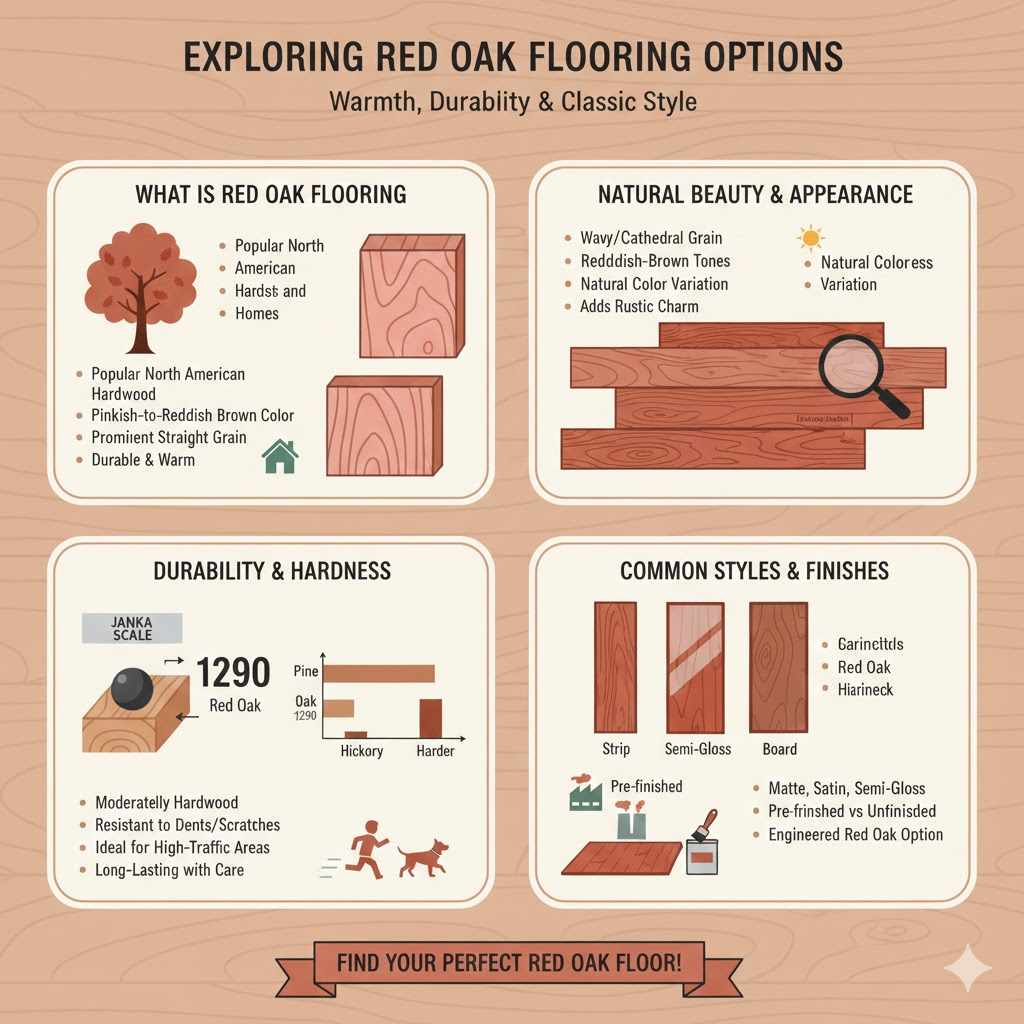
Red oak flooring is a very popular choice for homes. It comes from the red oak tree, which is common in North America. This type of wood has a beautiful natural color that ranges from pinkish to reddish-brown.
The grain patterns are usually straight and have a nice, even texture. Many people pick it because it adds warmth and classic style to any room. It’s also known for being quite durable, which is great for busy households with kids or pets.
The term “red oak” refers to a group of oak trees, not just one. The most common species used for flooring are Northern Red Oak (Quercus rubra) and Southern Red Oak (Quercus falcata). These species offer consistent quality and appearance.
When you buy red oak flooring, you are getting a piece of nature’s beauty that can last for many years. Its popularity has stayed strong because of its attractive look and practical features.
Natural Beauty and Appearance
One of the main reasons people love red oak flooring is its natural beauty. The wood grain is often prominent, giving each plank a unique character. You’ll see lovely wavy or cathedral patterns.
The color is a warm, inviting reddish-brown. This can make a room feel cozier and more welcoming. It’s a classic look that never really goes out of style.
The color can vary a bit depending on the specific tree and where it grew. Some planks might be lighter, while others are a deeper red. This natural variation is actually a good thing.
It makes the floor look more authentic and less like a manufactured product. You can often see small knots or mineral streaks, which add to its rustic charm.
Durability and Hardness
Red oak is a hardwood, which means it’s quite strong and can handle a lot of wear and tear. It’s measured on the Janka hardness scale, which tells you how resistant wood is to denting and scratching. Red oak scores around 1290 on this scale.
This is considered moderately hard. It’s harder than softer woods like pine but not as hard as some other hardwoods like hickory or maple.
This level of hardness means that red oak flooring can hold up well in high-traffic areas of your home. While it can still get dents or scratches if something very heavy is dropped on it, it’s generally a good choice for everyday living. With proper care and maintenance, your red oak floors can look beautiful for a very long time.
Common Styles and Finishes
Red oak flooring comes in many different styles and finishes. You can find it in various plank widths, from narrow strips to wider boards. The finish is also important.
It’s the protective coating applied to the wood. Common finishes include matte, satin, or semi-gloss. Each gives the floor a different look and feel.
You can also choose pre-finished planks, which come with the color and protective coating already applied. Or, you can buy unfinished red oak and stain it yourself to get the exact color you want. There are also options for engineered red oak, which has a real red oak veneer on top of layers of plywood.
This can be more stable in areas with changing humidity.
Red Oak Flooring at Home Depot: Price & Reviews
Now let’s get to the main point: looking at Red Oak Flooring at Home Depot: Price & Reviews. Home Depot is a big store where many people shop for home improvement items. Finding flooring there can be convenient because you can see many options in one place.
However, prices can change, and what people say about products can vary. We will help you understand what to expect when you check Home Depot for your red oak flooring needs.
Home Depot’s Flooring Selection
Home Depot usually has a wide selection of flooring products. They offer many types of wood, laminate, vinyl, and tile. For red oak flooring, you’ll likely find both solid hardwood and engineered hardwood options.
They often carry different brands, which can affect the price and quality. It’s good to know that Home Depot works with many manufacturers, so there’s a good chance you’ll find something that fits your style and budget.
When you visit a Home Depot store or their website, look for the flooring section. You can usually see samples of the wood planks. This helps you get a feel for the color, texture, and grain.
The staff at Home Depot can also offer some guidance, although they might not be flooring experts for every single product. They can help you find the specific red oak items they have in stock.
Types of Red Oak Flooring at Home Depot
At Home Depot, you’ll typically find solid red oak hardwood flooring and engineered red oak flooring. Solid hardwood is made of a single piece of wood from top to bottom. It can be sanded and refinished many times.
Engineered hardwood has a top layer of real red oak veneer glued to multiple layers of wood or composite material underneath. This makes it more resistant to changes in humidity, so it’s often recommended for basements or areas near kitchens and bathrooms where moisture levels can be higher.
Both types have their pros and cons. Solid hardwood offers the most authentic feel and can be refinished multiple times, giving it a very long lifespan. Engineered hardwood is often easier to install and can be more stable.
Home Depot usually labels these clearly, so you’ll know what you are looking at. The choice between them often comes down to where you plan to install it and your budget.
Pricing Factors to Consider
The price of red oak flooring at Home Depot can vary a lot. Several things affect the cost. The grade of the wood plays a big role; higher grades with fewer knots and imperfections usually cost more.
The thickness of the planks and the wear layer of engineered wood also influence the price. Longer and wider planks often command a higher price per square foot.
Don’t forget about installation costs. If you plan to hire professionals, this will add significantly to the total expense. Also, consider the cost of underlayment, trim pieces, and any necessary tools or supplies.
Home Depot often has sales and special offers, so it’s worth checking their weekly ads or asking about upcoming promotions. Looking at different brands and product lines can also reveal price differences.
Reading Customer Reviews
Customer reviews are a valuable tool when deciding on flooring. On Home Depot’s website, you can usually find reviews for each product. People share their experiences with the installation process, the durability of the flooring, and how it looks in their homes.
Reading these reviews can give you a good idea of potential problems or what people love about a particular type of red oak flooring.
Pay attention to reviews that mention specific issues, like how well the planks matched, if the finish scratched easily, or if the color was different from what was shown online. Some reviews might be very detailed, while others are short. It’s helpful to read a variety of reviews to get a balanced perspective.
Look for recurring comments, as these often point to common experiences.
Average Price Ranges
Prices for red oak flooring at Home Depot can span a fairly wide range. For solid red oak hardwood flooring, you might see prices starting around $2.50 to $4.00 per square foot for basic options. More premium grades, wider planks, or specific finishes could push the price up to $5.00 to $7.00 per square foot or even higher.
Engineered red oak flooring often falls into a similar price range, sometimes a little less for basic options and comparable or higher for premium engineered products with thicker wear layers. For instance, engineered red oak might start around $2.00 to $3.50 per square foot and go up to $4.50 to $6.50 per square foot or more for higher quality.
It’s important to remember that these are just estimates. Prices can change based on sales, promotions, and the specific product line. Always check the current pricing at your local Home Depot or on their website for the most accurate information.
Also, factor in the cost of installation, which can range from $3 to $7 per square foot depending on your location and the complexity of the job.
Sample Pricing Comparison Table
Here’s a general idea of how prices might compare for different types of red oak flooring at Home Depot. These are approximate figures and can change.
| Flooring Type | Typical Price Range (per sq ft) | Key Features |
|---|---|---|
| Solid Red Oak (Builder Grade) | $2.50 – $4.00 | Basic quality, narrower planks, standard finish. Good for budget-conscious projects. |
| Solid Red Oak (Premium Grade) | $4.50 – $7.00+ | Higher quality wood, wider planks, premium finishes, better color consistency. |
| Engineered Red Oak (Standard) | $2.00 – $3.50 | Thinner veneer, good for standard home use, can be more affordable. |
| Engineered Red Oak (Premium) | $4.00 – $6.50+ | Thicker wear layer of real oak, better stability, suitable for various moisture levels. |
This table shows that solid red oak can sometimes be more expensive, especially the higher grades. Engineered red oak can offer a good balance of real wood appearance and stability, often at a competitive price point.
Real Customer Experiences
Many homeowners have shared their experiences with Red Oak Flooring at Home Depot: Price & Reviews. For example, one customer mentioned buying a popular brand of solid red oak for their living room. They found the price to be reasonable during a holiday sale.
They loved the natural color and how it brightened up the space. However, they did note that a few planks had slight color variations that required careful planning during installation to make the floor look uniform.
Another shopper reported on their experience with engineered red oak. They chose it for their kitchen due to its moisture resistance. They found the installation process to be quite straightforward.
The main feedback was that the wear layer, while good, could still show scratches from pet claws over time. This highlights the importance of understanding the product’s limitations.
A common theme in reviews is the satisfaction with the value Home Depot offers. Customers often feel they get good quality for the price, especially when taking advantage of sales. However, some reviews also caution about checking every box of flooring before installation to ensure no damaged planks are present.
This due diligence can save a lot of hassle later on.
Installation Considerations for Red Oak
Putting down red oak flooring involves a few important steps. Whether you do it yourself or hire someone, knowing what’s involved helps. We’ll cover the basic methods of installation and what tools you might need.
This section aims to make the process seem less overwhelming, whether you’re a DIY beginner or just want to understand the work involved.
DIY vs. Professional Installation
Deciding whether to install red oak flooring yourself or hire a professional is a big choice. DIY installation can save you a significant amount of money. You’ll need to purchase or rent tools, and it will take up your time and effort.
It can be a rewarding project if you’re handy and patient. However, mistakes can be costly and difficult to fix.
Professional installation guarantees that the job is done correctly and often comes with a warranty. Professional installers have the experience and specialized tools to ensure a flawless finish. While more expensive upfront, it can prevent future problems and ensure the longevity of your new floors.
Home Depot often offers installation services through third-party contractors, which can be a convenient option if you prefer not to do it yourself.
Tools and Materials for Installation
For installing solid hardwood or engineered red oak flooring, you’ll need a variety of tools and materials. For a nail-down installation (common for solid hardwood), you’ll need a flooring nailer, a miter saw for cutting planks, a measuring tape, a pencil, and a carpenter’s square. You’ll also need underlayment, which provides a moisture barrier and sound dampening, and potentially nails or staples specifically designed for hardwood flooring.
For click-lock or glue-down installations (more common for engineered wood), you might use a tapping block, a rubber mallet, a utility knife, and a floor scraper. For glue-down, you’ll need flooring adhesive. If you’re doing a floating floor installation with click-lock planks, you’ll still need a saw for cuts and a measuring tape.
Always consult the manufacturer’s specific installation guide for the flooring you choose, as it will detail the exact tools and materials required.
Common Installation Methods
There are a few main ways to install red oak flooring. The most traditional method for solid hardwood is called nail-down installation. In this process, each plank is fastened to the subfloor using specialized flooring nails, which are driven in at an angle.
This method creates a very secure and stable floor.
Engineered hardwood often uses a floating floor method. With this approach, the planks are joined together using a click-lock system, and the floor is not directly attached to the subfloor. It simply rests on top of an underlayment.
This method is often faster and easier for DIYers. Some engineered floors can also be glued down directly to the subfloor, which creates a very solid feel and is often recommended for areas with high traffic or moisture.
Nail-Down Installation
Nail-down installation is a tried-and-true method for solid hardwood floors. It requires a subfloor made of plywood or OSB (Oriented Strand Board) that is clean, dry, and level. You start by laying a row of planks along the longest, straightest wall of the room, typically perpendicular to the floor joists.
The first plank is often face-nailed near the tongue edge to secure it.
Subsequent planks are then installed using a flooring nailer. This tool drives a thin, L-shaped nail through the tongue of the plank at an angle into the subfloor. Each nail is typically placed about 6 to 8 inches apart.
This process is repeated for each row, staggering the end joints of the planks to create a visually appealing and strong floor. The last row of planks may need to be cut to fit and can be secured with finishing nails or adhesive.
Floating Floor Installation
Floating floor installation is a popular method, especially for engineered hardwood and laminate flooring. In this approach, the flooring planks are not permanently attached to the subfloor. Instead, they are joined together with each other.
The most common type is a click-lock system, where the tongue of one plank fits into the groove of another, creating a strong bond.
Before laying the planks, an underlayment is typically installed over the subfloor. This underlayment helps to smooth out minor imperfections in the subfloor, provides a moisture barrier, and reduces noise. The flooring planks are then laid out, and each plank is clicked into the previous one.
The entire floor “floats” as a single unit, allowing for natural expansion and contraction with changes in temperature and humidity. This method is generally easier and faster than nail-down.
Glue-Down Installation
Glue-down installation involves applying a specialized flooring adhesive directly to the subfloor. This method is often used for engineered hardwood, luxury vinyl plank (LVP), and sometimes for solid hardwood in certain applications. The adhesive creates a strong bond between the flooring and the subfloor, resulting in a very solid and stable floor that feels like part of the structure.
The subfloor must be perfectly clean, smooth, and dry for this method to be successful. A notched trowel is typically used to spread the adhesive evenly. The flooring planks are then laid into the wet adhesive, and often a heavy roller is used to ensure good contact and adhesion.
This method can be more labor-intensive and requires careful attention to detail, but it results in a very durable and quiet floor.
Preparing Your Subfloor
The success of any flooring installation hinges on proper subfloor preparation. A clean, level, and dry subfloor is essential for a long-lasting and beautiful result. If the subfloor is not properly prepared, you can encounter issues like squeaking floors, buckling planks, or even premature wear and tear.
First, ensure the subfloor is completely clean. Remove any old flooring, nails, staples, adhesive residue, paint, or debris. Vacuum thoroughly to get rid of dust and dirt.
Next, check for levelness. Most flooring manufacturers recommend a subfloor that is flat within 3/16 inch over a 10-foot span. If there are high spots, they can be sanded down.
Low spots might need to be filled with a leveling compound.
Checking for Moisture
Moisture is the enemy of hardwood flooring. Before you install anything, it’s crucial to check the moisture content of both your subfloor and the new flooring itself. For concrete subfloors, a calcium chloride test or an in-situ relative humidity test is recommended.
For wood subfloors, a pin-type or surface moisture meter can be used.
The recommended moisture content for wood subfloors is typically between 6% and 12%. For concrete subfloors, it’s usually a maximum of 3% to 5% for slab-on-grade or below-grade installations, and up to 75% RH for above-grade installations, depending on the flooring product and underlayment used. Always follow the flooring manufacturer’s guidelines for acceptable moisture levels.
Leveling the Subfloor
An uneven subfloor can cause a host of problems. Planks might not sit flush, leading to gaps and potential breakage over time. If your subfloor has high spots, you can often grind them down with a floor grinder or a heavy-duty sanding tool.
For low spots or dips, you’ll need to use a self-leveling compound or a floor patching compound.
When using a leveling compound, mix it according to the manufacturer’s instructions. Pour it into the low areas and spread it evenly with a trowel. It will harden into a smooth, flat surface.
Allow the leveling compound to cure completely according to the product’s directions before proceeding with flooring installation. This step is vital for a professional-looking and durable floor.
Finishing and Care
Once your red oak floor is installed, there are important steps for finishing and ongoing care to keep it looking its best for years to come. This involves protecting the wood and cleaning it properly. Good maintenance is key to the longevity and appearance of your investment.
Sanding and Staining (for unfinished floors)
If you purchased unfinished red oak flooring, the next step after installation would be sanding and staining. Sanding is done in stages, starting with a coarse grit sandpaper to remove imperfections and then progressing to finer grits for a smooth finish. This process creates a surface that is ready to accept stain evenly.
Staining allows you to customize the color of your red oak floor. You can choose from a wide range of wood stains, from light natural tones to deep, rich hues. It’s important to test the stain on a scrap piece of wood first to see how it looks.
After staining, you’ll need to apply several coats of a protective finish, such as polyurethane, to seal the wood and protect it from wear, moisture, and UV damage.
Applying Protective Finishes
The protective finish is what shields your red oak floor from daily wear and tear. Polyurethane is the most common choice for wood floors. It comes in different sheens, like matte, satin, semi-gloss, and high-gloss.
A matte or satin finish is generally preferred for red oak as it can hide minor scratches and dust better than a high-gloss finish.
Multiple coats of finish are usually applied, with light sanding between coats to ensure good adhesion. It’s important to follow the manufacturer’s instructions for application and drying times. Allow the finish to cure completely before placing heavy furniture or allowing heavy foot traffic, as this can take several days or even weeks.
A properly finished floor will be resistant to spills and easy to clean.
Routine Cleaning and Maintenance
Keeping your red oak floor clean is simple but important. Regular sweeping or vacuuming with a soft brush attachment will remove dirt and grit that can scratch the surface. Avoid using wet mops, as excessive moisture can damage the wood over time.
If you need to damp-mop, use a floor cleaner specifically designed for hardwood floors and a well-wrung-out mop.
Place doormats at all entrances to trap dirt and moisture before it can be tracked onto your floors. Use felt pads under furniture legs to prevent scratches. For spills, wipe them up immediately with a soft cloth.
Avoid using harsh chemicals, ammonia-based cleaners, or abrasive scrubbers, as these can dull the finish or damage the wood.
Red Oak Flooring at Home Depot: Reviews Analysis
Looking closely at the reviews for Red Oak Flooring at Home Depot: Price & Reviews is key. People share their honest opinions on what they liked and what they didn’t. This section helps you sift through that feedback to make a better choice.
We’ll look at common themes in what customers say about the quality, value, and overall satisfaction with Home Depot’s offerings.
Pros and Cons from Customer Feedback
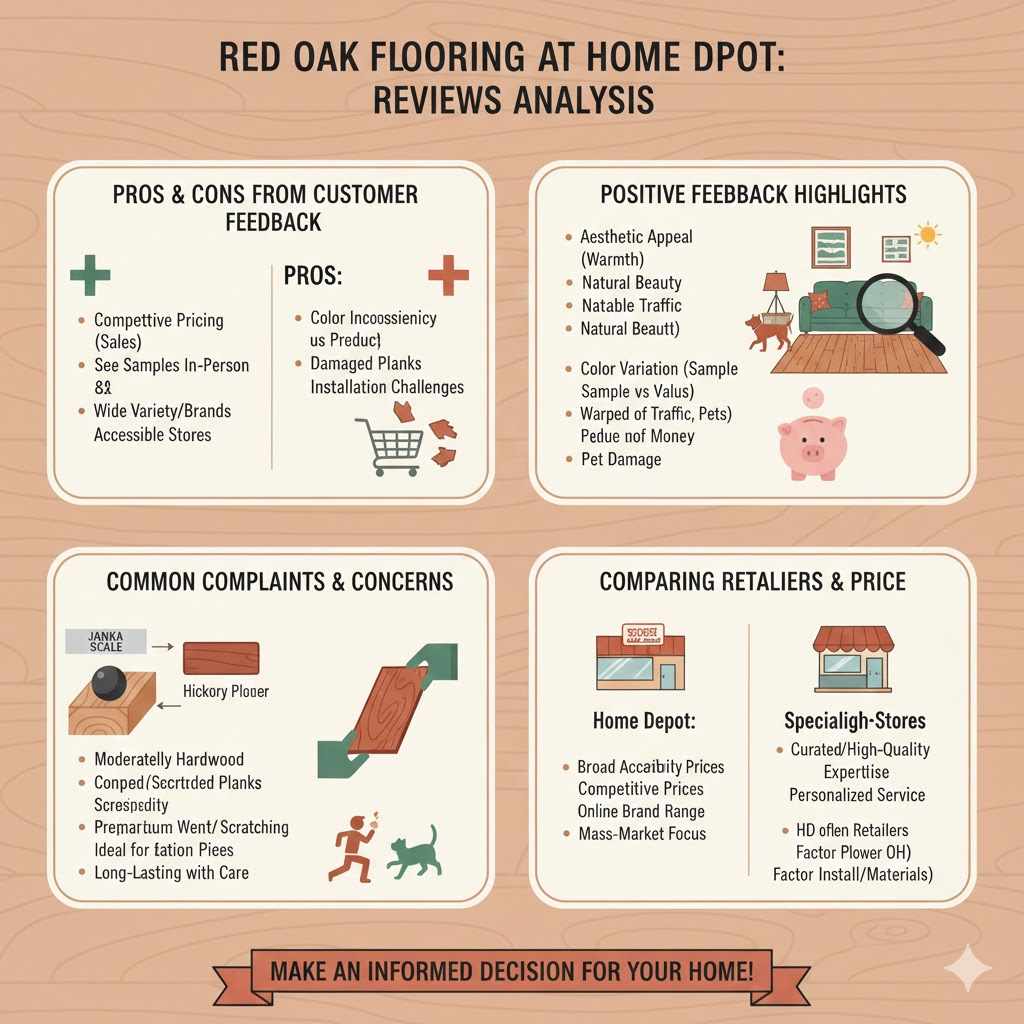
Based on customer reviews, the pros of buying red oak flooring from Home Depot often include competitive pricing, especially during sales events. Many shoppers appreciate the convenience of being able to see samples in person and the wide variety of brands and styles available. The accessibility of Home Depot stores across the country is also a major advantage for many consumers.
However, some common cons mentioned in reviews relate to product consistency. A few customers have noted that color variations between different batches of flooring can sometimes be an issue. Others have experienced damaged planks in the packaging, suggesting the need for careful inspection upon delivery or pickup.
Installation can also be a point of contention, with some DIYers finding it more challenging than expected, or professional installation services not always meeting expectations.
Positive Feedback Highlights
Many positive reviews highlight the aesthetic appeal of red oak flooring purchased from Home Depot. Customers frequently praise the natural beauty, warmth, and classic look it brings to their homes. The durability of the wood is another common point of satisfaction, with many reporting that their floors hold up well against daily foot traffic and the occasional accident.
The value for money is often cited as a significant positive. Customers feel they get a good balance of quality and affordability, particularly when they find good deals or discounts. For those who installed it themselves, the ease of installation for certain click-lock engineered products is a recurring positive comment.
The overall feeling is that Home Depot offers accessible options for achieving a high-end look without an exorbitant price tag.
Common Complaints and Concerns
Among the less positive feedback, color variation is a recurring concern. Some customers report that the actual color of the flooring doesn’t perfectly match the sample or online images, or that planks within the same order have noticeable differences in shade. This can make achieving a uniform look more difficult.
Another frequent complaint is about damaged planks found in the boxes. This can include chipped edges, surface scratches, or warpage. While this can happen with any flooring product, it seems to be a notable issue for some Home Depot purchases, requiring customers to sort through and discard unusable pieces.
Occasionally, reviews mention issues with the durability of the finish, with some experiencing premature wear or scratching, especially in high-traffic areas or with pets.
Comparing Home Depot to Other Retailers
When comparing Home Depot to other retailers for Red Oak Flooring at Home Depot: Price & Reviews, several factors come into play. Home Depot is known for its broad accessibility and often competitive pricing, especially during promotional periods. They offer a wide range of brands, giving consumers plenty of choices.
However, specialized flooring stores or lumber yards might offer a more curated selection of higher-quality or more unique red oak products. These retailers might also provide more in-depth expertise and personalized customer service. Online retailers can sometimes offer lower prices due to lower overhead, but the lack of physical samples and the potential for shipping issues can be drawbacks.
Price Comparisons
In terms of price, Home Depot generally remains competitive. They often have sales that can make their red oak flooring among the most affordable options, especially for solid and engineered wood planks in standard grades. However, it’s possible to find similar or even lower prices at large online flooring retailers or during special promotions at other big-box home improvement stores.
For example, basic solid red oak might be priced similarly across different major retailers. However, premium options or specialty finishes might vary more significantly. It’s always a good idea to price shop around and compare not just the per-square-foot cost of the flooring but also the cost of installation, underlayment, and any other necessary materials before making a final decision.
Quality and Selection Differences
The quality of red oak flooring at Home Depot can vary depending on the brand and specific product line. While they carry reputable brands, the selection might lean towards more mass-market options. This doesn’t necessarily mean lower quality, but you might find fewer exotic finishes or extremely high-grade options compared to a dedicated flooring showroom.
Specialty flooring stores often carry a broader range of premium hardwoods, including higher grades of red oak with more consistent color and grain patterns, as well as unique finishes and wider plank options. However, this often comes at a higher price point. Home Depot’s strength lies in offering a good selection of reliable, mid-range products that meet the needs of most homeowners.
Frequently Asked Questions
Question: Is red oak flooring a good choice for kitchens
Answer: Red oak can be used in kitchens, but it’s important to be aware of its limitations. While it’s a hardwood, it can be susceptible to moisture damage and scratches. Engineered red oak with a good wear layer and proper sealing is often a better choice for kitchens than solid red oak due to its increased stability.
Prompt cleanup of spills is essential.
Question: How do I know if I can install red oak flooring myself
Answer: You might be able to install red oak flooring yourself if you have basic carpentry skills, the right tools, and a lot of patience. Click-lock engineered red oak is generally the easiest type for DIY installation. Solid hardwood often requires more specialized tools like a flooring nailer and a good understanding of subfloor preparation.
Watch tutorials and read installation guides carefully.
Question: What is the difference between red oak and white oak flooring
Answer: Red oak has a warmer, pinkish-reddish tone and more pronounced grain patterns. White oak has cooler, more muted greyish-brown tones and a tighter grain. White oak is also generally harder and more resistant to moisture and decay than red oak, making it a slightly more durable choice.
Question: How long does red oak flooring typically last
Answer: With proper installation and regular maintenance, solid red oak flooring can last for 50 years or even much longer. It can be sanded and refinished multiple times throughout its lifespan. Engineered red oak also offers good longevity, though the number of times it can be refinished depends on the thickness of the real wood veneer on top.
Question: Are there any special cleaning products I should use for red oak floors
Answer: Yes, it’s best to use cleaning products specifically formulated for hardwood floors. Avoid using excess water, harsh chemicals, or abrasive cleaners. A pH-neutral cleaner designed for wood floors, used with a slightly damp mop, is ideal.
Regular sweeping or vacuuming with a soft brush attachment will remove dust and debris effectively.
Conclusion
Red Oak Flooring at Home Depot: Price & Reviews shows it’s a popular, accessible choice. You can find good value with options for solid and engineered wood. Reading reviews helps identify pros like affordability and cons like color consistency.
Proper installation and care are key for a beautiful, lasting floor.