2 1/4-Inch Oak Flooring Unfinished: Coverage, Install and Cost
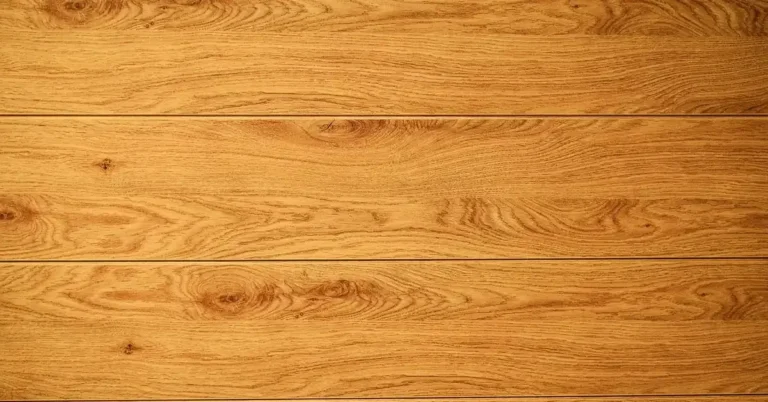
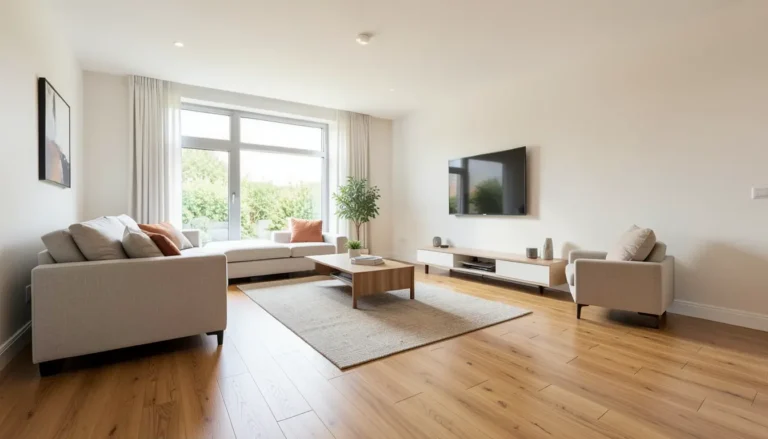
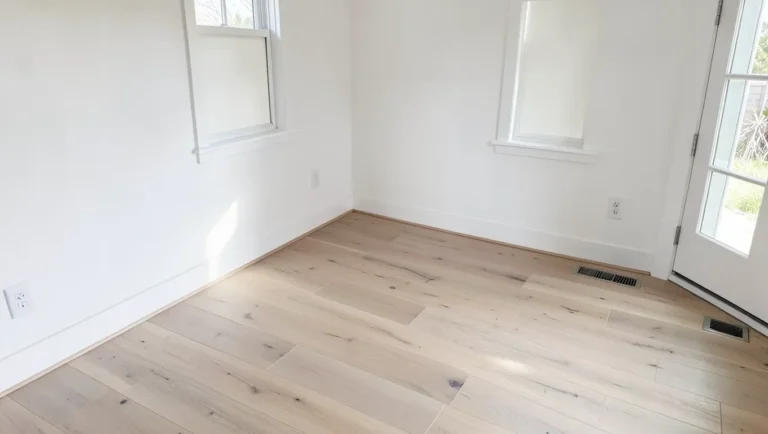
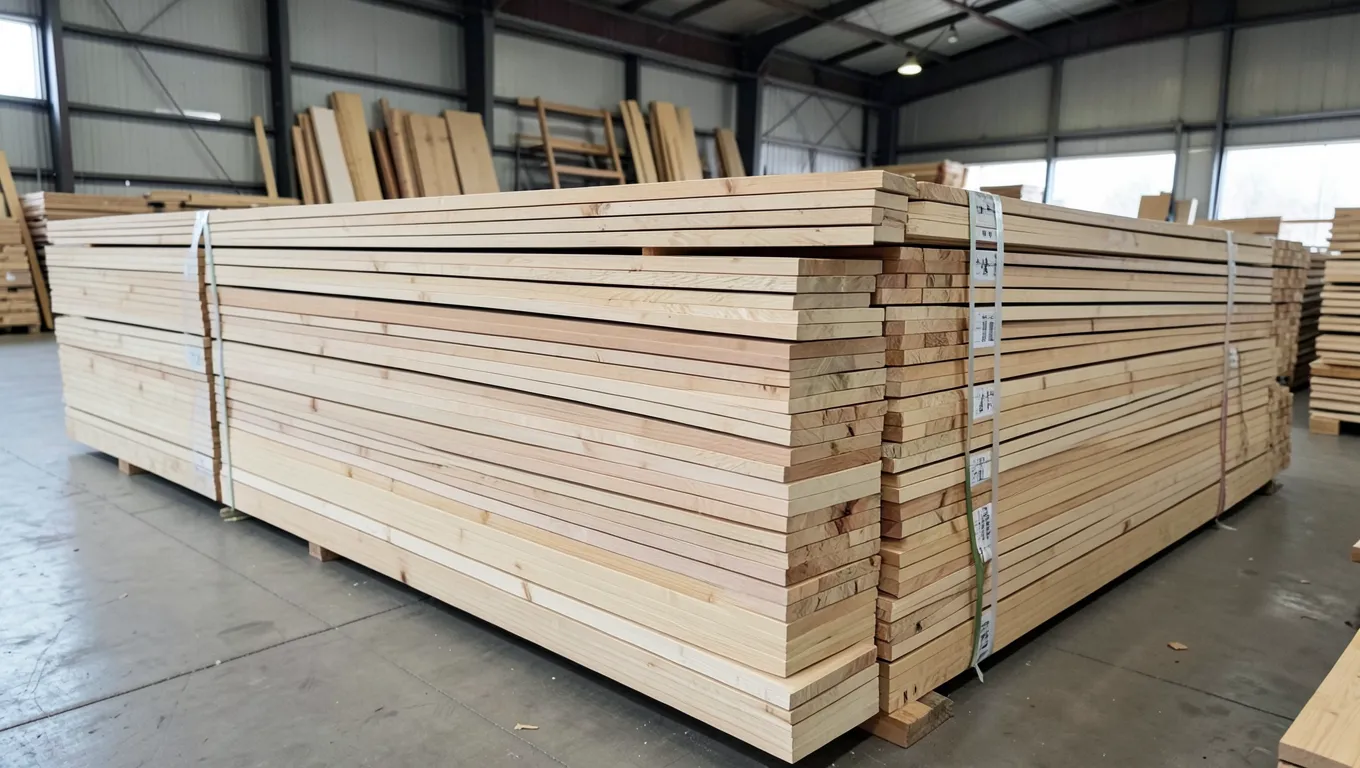
2¼-inch oak flooring is the traditional strip width (2.25 inches wide) sold unfinished — raw, sanded wood with no stain or topcoat, meant to be finished on-site after installation. It’s the classic “strip flooring” width used in American homes for decades, distinct from the wider 3″, 5″, and 7″+ “plank” formats that have become more common recently. If you’re deciding whether to leave any oak floor natural or stained as a design choice rather than shopping for this specific product, see our unstained oak floors guide instead.
Why 2¼” Strip Width, Specifically
Best For On-Site Finishing
 |
Rubio Monocoat Wood Oil Finish, Oil Plus 2C, 65 sq ft – $31.99 A one-coat, quick-dry oil finish designed specifically for freshly sanded unfinished floors, so there’s no separate sealer step before the final coat.
|
Board width changes more than the look of a floor. Narrower strips like 2¼” have more total seams per square foot than wide plank, which sounds like a downside but actually works in the narrow strip’s favor in two practical ways: each individual board expands and contracts less with seasonal humidity changes (less width means less total movement per board), and minor subfloor imperfections are far less visible under a narrow board than they’d be telegraphing through a 5″+ wide plank. That’s part of why 2¼” strip remains the go-to choice for older homes with slightly uneven original subfloors.
Coverage Math for 2¼” Strip Flooring
Unfinished strip flooring is typically sold by the carton, boxed by square footage rather than by piece count, since board lengths are random within a carton. Always add 5–10% to your room’s square footage for waste from end-matching cuts and defect culling — more than the 5% you’d add for wide plank, since narrow strip generates proportionally more cut waste at wall edges and closets.
| Room Size | Raw Sq Ft | Order With 8% Waste |
|---|---|---|
| 10 × 12 ft bedroom | 120 sq ft | ~130 sq ft |
| 12 × 15 ft living room | 180 sq ft | ~195 sq ft |
| 20 × 20 ft open-plan area | 400 sq ft | ~432 sq ft |
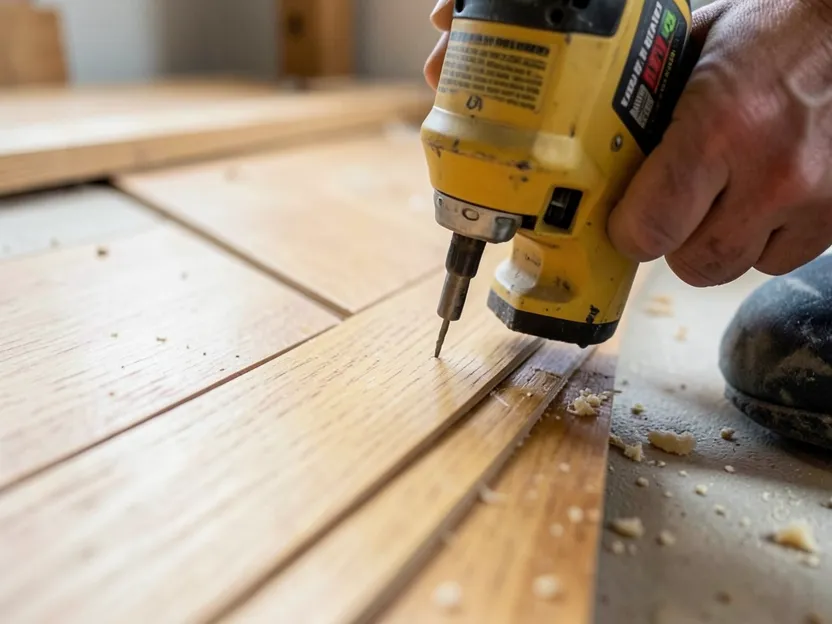
Installing It: What’s Different From Wider Plank
- Acclimate the wood in the install room for at least 3–5 days (longer than the 48 hours sometimes quoted for engineered product) — solid unfinished strip is more moisture-reactive than engineered flooring.
- Check subfloor moisture with a moisture meter before laying anything; unfinished solid wood over a damp subfloor is the most common cause of cupping.
- Blind-nail through the tongue every 6–8 inches along each board’s length — narrower boards need this tighter spacing than 5″+ plank, which is sometimes nailed every 10–12 inches.
- Rack boards from multiple cartons at once to blend natural color and grain variation across the room, rather than installing one carton at a time.
- Sand and finish on-site only after all boards are down and the floor has had a few days to settle.
Finishing an Unfinished Floor: The Real Sequence
Unfinished means the finishing work happens after installation, in this order: rough sand (36–40 grit) to level the boards to each other, medium sand (60–80 grit), fine sand (100–120 grit), then stain if desired (test on an offcut first — strip flooring absorbs stain slightly differently than wide plank due to more end-grain exposure at the shorter, more frequent board ends), followed by 2–3 coats of a penetrating oil or polyurethane topcoat.
What It Costs
Unfinished 2¼” oak strip typically runs $3–$6 per sq ft for the material itself — usually cheaper per square foot than pre-finished wide plank, since it skips factory finishing. Add on-site sanding and finishing labor of roughly $2–$4 per sq ft, plus 3–5 days of project time before the floor is walkable, and total installed cost typically lands close to comparable pre-finished flooring once labor is factored in.
Frequently Asked Questions
What is 2.25 oak flooring unfinished?
It’s solid oak strip flooring milled to a 2¼-inch width and sold without any stain or topcoat applied at the factory. The traditional American strip width, it’s finished on-site after installation rather than pre-finished before it arrives.
How do I install unfinished oak flooring?
Acclimate the wood in the install room for 3–5 days, verify subfloor moisture with a meter, then blind-nail through the tongue of each board every 6–8 inches, racking boards from multiple cartons to blend color variation. Sand and finish only after every board is down.
Why choose 2.25-inch strip over wider plank?
Narrow strip hides subfloor imperfections better than wide plank and has less total seasonal movement per board, since each board is narrower. It’s often the better technical choice for older homes with slightly uneven original subflooring, even though wide plank has become more popular stylistically.
How do I maintain unfinished oak flooring after it’s finished?
Once sanded and sealed, care is the same as any solid oak floor: sweep or vacuum regularly, wipe spills promptly, use furniture pads, and avoid soaking mops. Because it was finished on-site, future refinishing is straightforward — the same sand-and-refinish cycle applies as with any solid hardwood.
Conclusion
2¼” unfinished oak strip is a specific, traditional product choice — not just “oak flooring you finish yourself.” Its narrow width forgives subfloor imperfections better than wide plank, needs a tighter nailing schedule, and typically costs less per square foot in materials while adding on-site finishing time and labor. Order with an 8% waste allowance, acclimate it properly, and it’ll outlast most other flooring choices in the house.
Sponsored / affiliate links. As an Amazon Associate I earn from qualifying purchases. I may earn additional commission from eligible campaigns.