Remove Adhesive from Hardwood Floor: Easy & Effective Methods
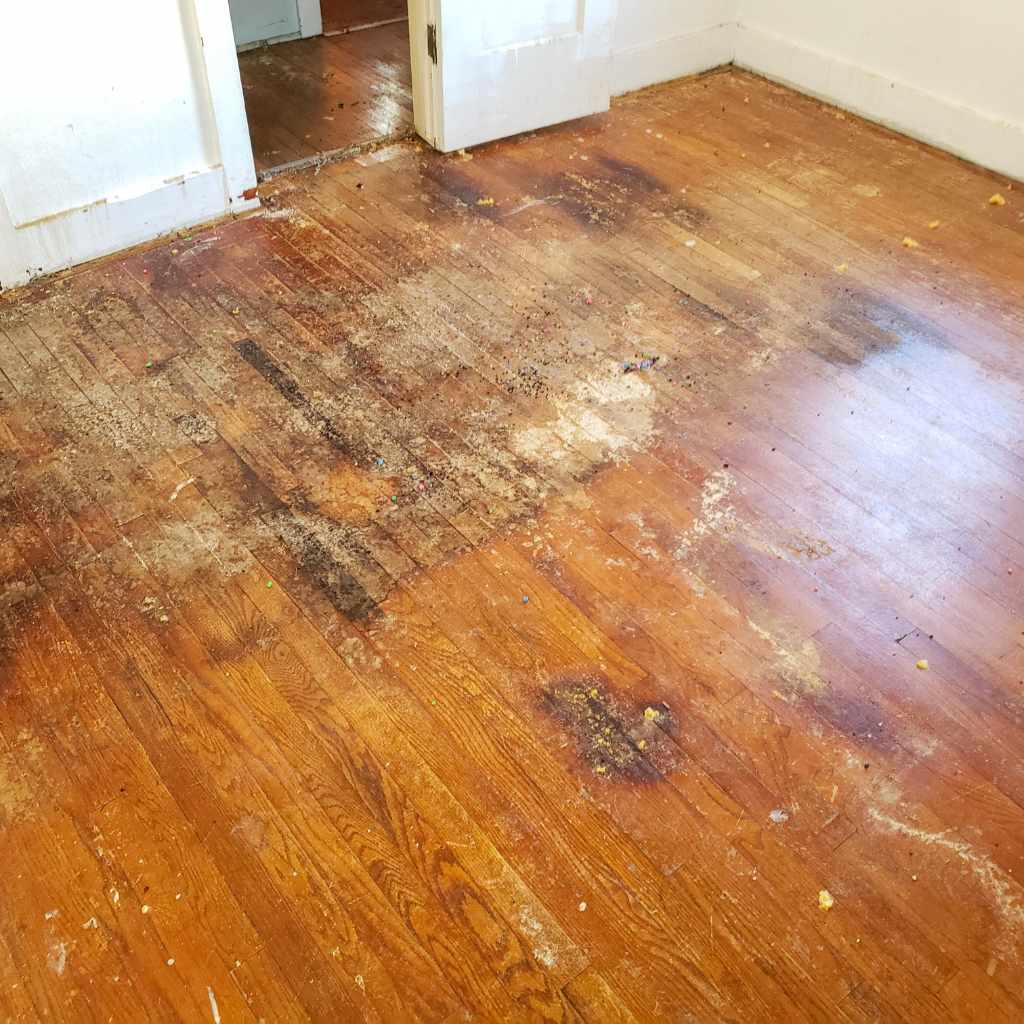
Are you struggling to remove sticky adhesive from your beautiful hardwood floor? That stubborn residue can be frustrating and make your floor look dull and damaged.
But don’t worry—you don’t have to live with it or risk ruining your wood. You’ll discover simple, effective ways to safely remove adhesive without harming your floor’s finish. Keep reading, and you’ll soon have your hardwood looking smooth and spotless again.
Identify The Adhesive Type
Start by checking the type of adhesive on your hardwood floor. Some adhesives dissolve with water, while others need stronger cleaners. Knowing the adhesive helps you pick the right removal method.
Why Identifying The Adhesive Type Matters
Removing adhesive from hardwood floors is tricky. Different adhesives need different treatments. Knowing the type saves time and protects your floor. Using the wrong method can damage the wood.
Some adhesives dissolve easily with water. Others need stronger solvents. Identifying the adhesive helps you choose the safest and most effective way.
Common Types Of Adhesives On Hardwood Floors
Many adhesives exist. The most common are water-based glue, epoxy, and construction adhesive. Water-based glue is soft and easy to remove. Epoxy is hard and sticky. Construction adhesive is strong and flexible.
Each type behaves differently under heat, solvent, or scraping. Spot testing a small area can help identify the adhesive.
How To Test The Adhesive Type
Start by rubbing a small area with a damp cloth. If it softens or dissolves, it is water-based. If not, try a small amount of rubbing alcohol or acetone on a cloth. If the adhesive melts or loosens, it is a solvent-based glue.
If the adhesive stays hard, it may be epoxy or construction adhesive. These require special removal methods and strong solvents.
Prepare The Hardwood Surface
Preparing the hardwood surface is the first step to remove adhesive safely. It helps protect the floor and makes cleaning easier. Proper preparation ensures the adhesive comes off without damage.
Start with a clean and dry floor. Dirt or moisture can cause problems during the removal process. Taking time to prepare saves effort later.
Clear The Area
Remove all furniture and rugs near the spot. Give yourself space to work freely. This prevents accidents and keeps the floor safe.
Sweep Or Vacuum The Floor
Use a broom or vacuum to clean dust and debris. A clean surface helps you see the adhesive clearly. It also stops dirt from scratching the wood.
Check For Finish Damage
Look closely for scratches or worn finish. This helps decide the right removal method. Avoid harsh tools if the finish is weak.
Test A Small Area
Try your chosen cleaner on a hidden spot. Watch for color changes or damage. Testing keeps your floor safe during cleaning.
Use Heat To Soften Adhesive
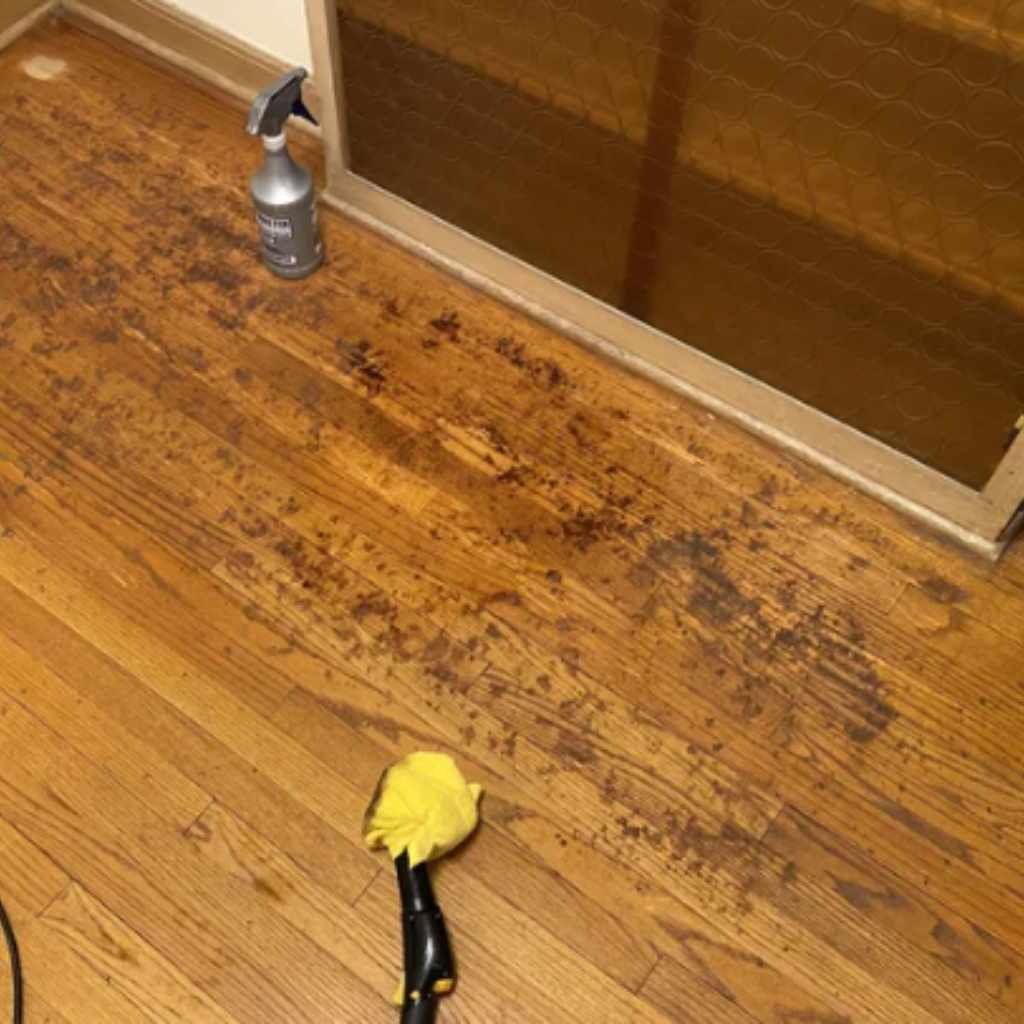
Heat works well to soften adhesive on hardwood floors. It loosens the sticky glue, making removal easier. Using gentle heat protects your floor from damage. Two common tools for this are hairdryers and heat guns.
Applying A Hairdryer
Hold the hairdryer a few inches above the adhesive. Use a medium heat setting to warm the glue. Move the dryer slowly over the sticky spot. After a minute or two, the adhesive will soften. Use a plastic scraper to lift the glue gently. Repeat heating if needed for tough areas. Hairdryers are safe and easy for small spots.
Using A Heat Gun Safely
Heat guns provide stronger heat than hairdryers. Keep the gun moving to avoid burning the wood. Hold it several inches away from the floor. Use a low heat setting first and increase slowly. Wear gloves to protect your hands from heat. Do not let the heat stay in one spot too long. Heat guns work well for larger adhesive patches.
Try Natural Solvents
Removing adhesive from hardwood floors can be tricky. Harsh chemicals may damage the wood or finish. Natural solvents offer a gentle and safe way to clean. They break down sticky residue without harming your floor. Try simple, common ingredients found in your kitchen. These natural solutions save money and reduce chemicals in your home.
Vinegar And Water Solution
Mix equal parts of vinegar and water in a spray bottle. Spray the solution on the adhesive spot. Let it sit for 5 to 10 minutes. The vinegar softens the sticky glue, making it easier to wipe away. Use a soft cloth to rub gently. Avoid soaking the floor with too much liquid. Dry the area well after cleaning to protect the wood.
Olive Oil Or Coconut Oil
Apply a small amount of olive oil or coconut oil to the adhesive. These oils loosen the sticky residue naturally. Let the oil sit on the spot for 10 minutes. Use a soft cloth to rub the adhesive gently. The oil will lift the glue without scratching the floor. Wipe the area with a clean cloth to remove oil residue. This method also adds a bit of shine to your hardwood.
Use Commercial Adhesive Removers
Removing adhesive from hardwood floors can be tricky. Commercial adhesive removers offer a strong and effective solution. These products are made to break down sticky glue without damaging wood surfaces. Using them carefully saves time and effort.
Choosing The Right Product
Select a remover designed for hardwood floors. Read labels to avoid harsh chemicals that harm wood. Look for products that mention safe use on wood surfaces. Avoid anything with strong acids or bleach. Test the remover on a small hidden area first. This step helps prevent damage or discoloration.
Application Tips
Apply the remover in a thin, even layer. Use a soft cloth or sponge to spread it gently. Let it sit for the time suggested on the label. This allows the product to loosen the adhesive. Avoid scrubbing hard, which may scratch the floor. Wipe away the softened glue with a clean cloth. Repeat if needed but do not soak the wood. Finish by cleaning the area with mild soap and water.
Scrape Off Residue Carefully
Removing adhesive from hardwood floors requires patience and care. Scraping off residue carefully avoids scratches and damage. Take your time. Use the right tools. Protect your beautiful floor.
Using Plastic Scrapers
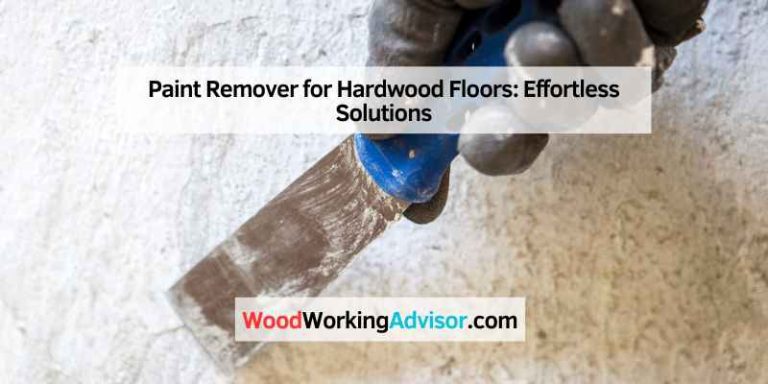
Plastic scrapers work well for sticky adhesive. They are gentle and less likely to scratch the wood. Hold the scraper at a low angle. Push slowly to lift the residue. Avoid sharp metal tools that can gouge the floor.
Avoiding Floor Damage
Test a small area before scraping the entire floor. Use soft cloths to clean leftover bits. Do not use harsh chemicals that can dull the finish. Keep the floor dry and clean after scraping. This keeps your hardwood looking fresh and smooth.
Clean And Restore The Floor
After removing adhesive from your hardwood floor, cleaning and restoring the surface is key. This step helps to bring back the floor’s shine and protect the wood. Proper care makes the floor look fresh and lasts longer.
Wiping And Drying
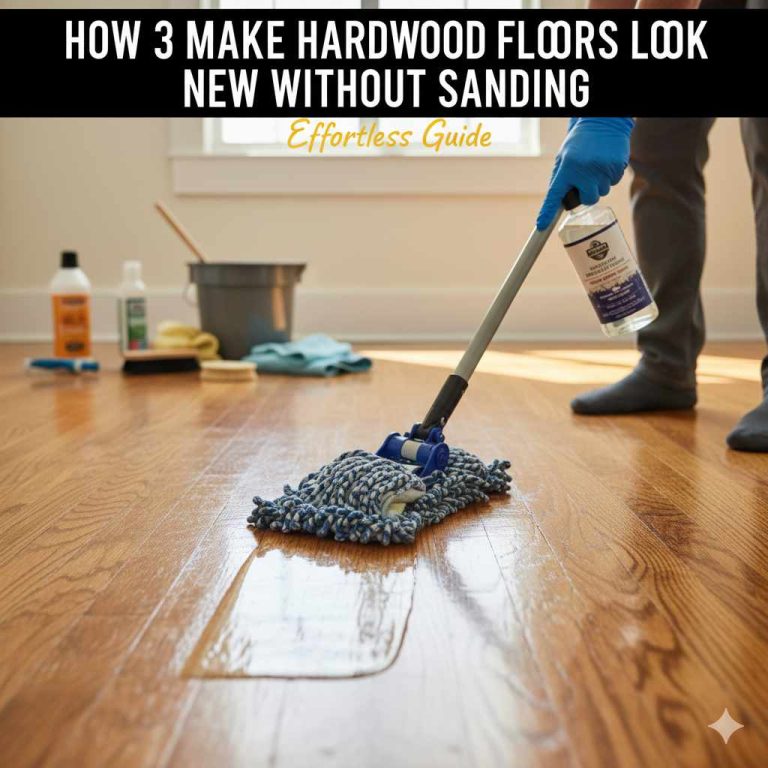
Start by wiping the floor with a soft, damp cloth. Use warm water mixed with a gentle cleaner made for hardwood. Avoid soaking the floor. Too much water can damage the wood. Wipe in the direction of the wood grain for best results.
After wiping, dry the floor immediately. Use a clean, dry cloth to remove any moisture. This prevents water stains and keeps the wood safe. Make sure no wet spots remain before moving to the next step.
Applying Floor Polish Or Wax
Choose a floor polish or wax designed for hardwood floors. These products add shine and protect the wood from future damage. Apply a thin layer using a soft cloth or applicator pad.
Work in small sections, spreading the polish evenly. Let it dry completely before walking on the floor. For best results, apply a second coat. This will enhance the shine and strengthen the finish.
Prevent Future Adhesive Issues
Preventing adhesive issues on hardwood floors saves time and effort. It keeps floors clean and looking new. Taking simple steps reduces sticky residue and damage. Careful choices help maintain the floor’s beauty for years.
Using Protective Mats
Place protective mats under furniture or rugs. Mats catch drips and spills that cause adhesive stains. They create a barrier between glue and wood surface. Choose mats that do not trap moisture. Clean mats often to avoid dirt buildup. This simple step stops adhesive from sticking to floors.
Choosing Safe Adhesives
Select adhesives made for hardwood floors only. These products are less likely to cause damage. Avoid strong glues with harsh chemicals. Use water-based or low-VOC adhesives instead. Follow product instructions carefully for best results. Safe adhesives peel off easier without leaving marks.
Frequently Asked Questions
How Do I Safely Remove Adhesive From Hardwood Floors?
Use a plastic scraper to gently lift the adhesive. Apply a mixture of warm water and mild soap. Avoid harsh chemicals to protect the wood finish. Test any cleaner on a small area first. Wipe clean with a soft cloth and dry thoroughly.
What Household Items Remove Adhesive From Hardwood Floors?
Vinegar, baking soda, and olive oil can help remove adhesive. Apply vinegar or olive oil on the sticky area. Let it sit for a few minutes, then scrub gently with a soft cloth. Baking soda acts as a mild abrasive to lift residue without damage.
Can Heat Help Remove Adhesive From Hardwood Floors?
Yes, heat softens adhesive, making removal easier. Use a hairdryer on low heat to warm the sticky spot. Gently scrape with a plastic scraper while applying heat. Be careful not to overheat or damage the wood finish.
Are Commercial Adhesive Removers Safe For Hardwood Floors?
Some commercial removers are safe but check labels carefully. Choose products specifically designed for hardwood floors. Test on a hidden area before full use. Follow manufacturer instructions to avoid damage or discoloration of your floor.
Conclusion
Removing adhesive from hardwood floors takes patience and care. Use gentle cleaners and soft tools to avoid damage. Test any product on a small area first. Work slowly and follow the wood grain. Clean the floor well after removing the glue.
Keep your floors looking smooth and shiny. You can restore your hardwood’s natural beauty with simple steps. Stay consistent, and the results will show. Your floor will thank you for the effort.