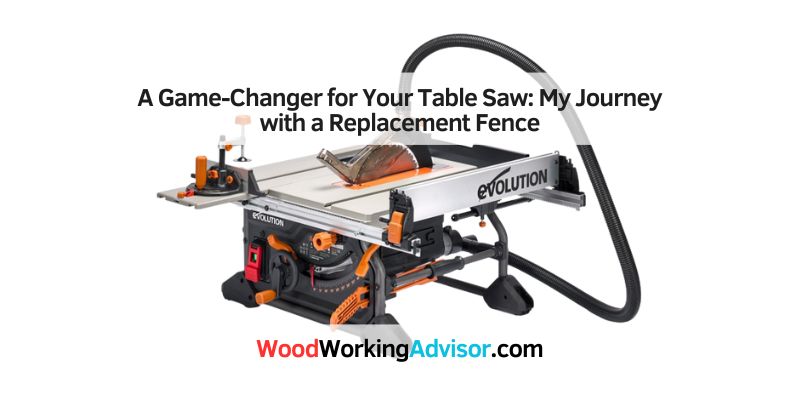
A Game-Changer for Your Table Saw: My Journey with a Replacement Fence
My first table saw was a hand-me-down from my dad. It worked fine, but the fence wobbled like a loose tooth. One day, I tried ripping a board for a bookshelf, and the cut went so crooked it looked like a wavy line! That’s when I knew I needed a Replacement Fence for Table Saw. This article will guide you through why a new fence matters, how to choose or build one, and tips to make your cuts super straight. Whether you’re new to woodworking or a pro, I’ve got you covered with easy steps and ideas.
What Is a Replacement Fence for Table Saw?
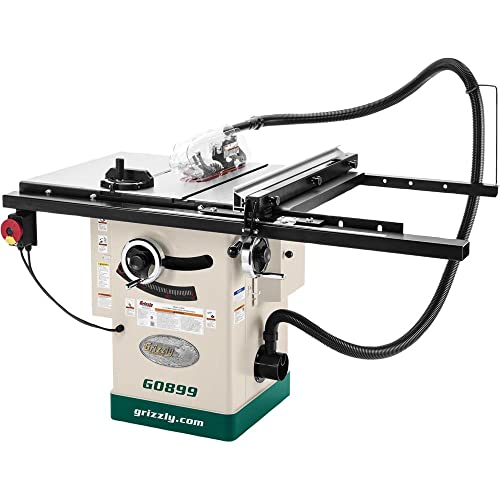
A table saw fence is a guide that keeps your wood straight while cutting. A Replacement Fence for Table Saw is a new, better fence you add to your saw. It’s like upgrading from a wobbly bike to a sturdy one. Stock fences on budget saws often flex or drift, messing up cuts. A good replacement fence stays put, making your projects cleaner and safer.
Why Upgrade Your Table Saw Fence?
Stock fences on many saws, like my old Craftsman, are flimsy. They bend under pressure, throwing off accuracy. Upgrading to a Replacement Fence for Table Saw fixes this. Here’s why it’s worth it:
- Better Cuts: A solid fence keeps wood aligned for straight, smooth cuts.
- Safer Work: A sturdy fence reduces kickback, keeping you safe.
- More Options: Many replacement fences let you attach jigs for fancy cuts.
My new fence turned my saw into a precision machine. But there’s a catch: some aftermarket fences cost a lot, and DIY ones take time to build.
Types of Replacement Fences
There are two main paths: buy an aftermarket fence or make your own. Let’s compare.
Aftermarket Fences
These are ready-made fences designed to fit specific saws. Popular brands include Biesemeyer, Vega, and TSO. They’re pricier but quick to install.
DIY Fences
Building your own fence saves money and lets you customize. You can use wood, aluminum, or steel. It’s fun but needs basic tools and patience.
Here’s a table comparing options:
| Fence Type | Cost | Ease of Use | Best For |
|---|---|---|---|
| Biesemeyer | $200-$400 | Easy | Pros, quick setup |
| Vega | $150-$300 | Medium | Hobbyists, versatile |
| DIY Wood/Aluminum | $20-$100 | Hard | Budget, custom needs |
Table 1: Comparing Replacement Fence Options for Table Saws
How to Choose the Right Replacement Fence
Picking a Replacement Fence for Table Saw depends on your saw, budget, and projects. Here’s a simple guide to help you decide:
- Check Your Saw: Ensure the fence fits your saw model. For example, TSO’s fence works great with DeWalt jobsite saws.
- Set a Budget: Aftermarket fences range from $150-$400. DIY fences can cost under $50.
- Think About Features: Want T-tracks for jigs? Need a tall fence for vertical cuts?
- Read Reviews: Look up user feedback on sites like Wood Magazine for real-world insights.
I went with a DIY fence because I’m cheap and love tinkering. It cost me $40 in materials, and I added a T-track for jigs. It’s not perfect, but it’s rock-solid for my needs.
Step-by-Step Guide to Building a DIY Replacement Fence
Building your own Replacement Fence for Table Saw is a fun project. Here’s how I made mine using plywood and aluminum T-track. You’ll need basic tools and about a weekend.
Tools and Materials
- Plywood (3/4-inch, 4×2 feet)
- Aluminum T-track (3 feet long, $12 on eBay)
- Screws, bolts, and T-nuts
- Drill, screwdriver, measuring tape
Steps to Build
- Measure Your Saw: Check the length of your saw’s table. Mine was 30 inches, so I cut plywood to 36 inches for extra room.
- Build a Sub-Fence: Cut plywood to fit snugly over your stock fence. Chamfer edges for easy sliding.
- Add T-Track: Screw the T-track to the fence face for attaching jigs.
- Secure It: Use bolts and T-nuts to lock the fence to your saw’s rails.
- Test It: Slide the fence and check alignment with a square. Adjust if needed.
Visual Idea: A diagram showing how to attach T-track to plywood would make this clearer.
This fence cost me $40 and works like a charm. It’s not fancy, but it’s sturdy and versatile.
Safety Tips for Using Your New Fence
A good fence makes your saw safer, but you still need to be careful. Here are my top safety tips:
- Check Alignment: Always ensure your fence is parallel to the blade to avoid kickback.
- Use Push Sticks: Keep your hands away from the blade with a push stick.
- Lock It Tight: Double-check that your fence is secure before cutting.
One time, I forgot to lock my fence, and the wood pinched the blade. Scary! Now I always double-check.
Common Mistakes to Avoid
Newbies and pros alike make mistakes with replacement fences. Here’s what to watch out for:
- Poor Fit: A loose fence ruins cuts. Measure twice before building or buying.
- Skipping Calibration: Always align your fence with the blade. I use a dial gauge for precision.
- Overcomplicating DIY: Keep your DIY fence simple. My first try had too many parts and wobbled.
Personal Tips from My Workshop
After years of woodworking, I’ve learned a few tricks for Replacement Fence for Table Saw projects:
- Add Storage: Build a shelf on top of your fence for tools. It’s a game-changer!
- Use Scrap Wood: Save money by using leftover plywood or hardwood for DIY fences.
- Test with Scrap: Before cutting good wood, test your fence on scrap to ensure accuracy.
I once made a fence with a notch for flush cuts. It’s perfect for trimming edges without extra tools.
Comparing Costs: DIY vs. Aftermarket
Here’s a quick cost breakdown to help you decide:
| Option | Materials | Cost | Time to Install |
|---|---|---|---|
| DIY Plywood Fence | Plywood, T-track, bolts | $20-$50 | 4-6 hours |
| Vega Fence | Ready-made kit | $150-$300 | 1-2 hours |
| Biesemeyer Fence | Ready-made kit | $200-$400 | 1-2 hours |
Table 2: Cost and Time Comparison for Table Saw Fences
Why a Replacement Fence Is Worth It
Upgrading your fence makes woodworking more fun and precise. My DIY fence saved me from crooked cuts and frustration. Aftermarket fences like Vega or TSO are great if you want a quick fix. Either way, a good fence is like a trusty sidekick for your saw. For more inspiration, check out Fine Woodworking’s fence reviews.
Visual Idea: A side-by-side diagram comparing stock vs. replacement fence alignment would help beginners visualize the difference.

Conclusion
A Replacement Fence for Table Saw can transform your woodworking. Whether you buy a Biesemeyer or build your own, you’ll get straighter cuts and safer work. My DIY fence was a budget win, and I love the extra jigs I can attach. Try upgrading your fence this weekend—it’s easier than you think! Share your fence upgrade story in the comments. What’s your favorite woodworking project?
Frequently Asked Questions
Can I Make My Own Table Saw Fence?
Yes, you can build a fence with plywood, T-track, and bolts. It’s cheap (under $50) and customizable. Follow my guide above for steps. Just measure carefully and test alignment.
What’s the Best Aftermarket Fence for a DeWalt Saw?
TSO’s Upgraded Rip Fence is great for DeWalt jobsite saws. It has T-slots for jigs and is easy to install. Check reviews on TSO’s site for details.
How Do I Align a New Fence?
Use a square or dial gauge to ensure the fence is parallel to the blade. Lock it down and test with scrap wood to confirm accuracy.
Are Replacement Fences Safe?
A good fence reduces kickback and keeps cuts straight, making your saw safer. Always lock the fence and use push sticks for extra safety.
How Much Does a Replacement Fence Cost?
DIY fences cost $20-$50. Aftermarket options like Vega or Biesemeyer range from $150-$400, depending on features and brand.
Can I Add Jigs to My New Fence?
Yes, fences with T-tracks let you attach featherboards, stop blocks, or L-fences. They make tricky cuts like rabbets a breeze.
What If My Saw Is Old?
Many aftermarket fences, like Delta T3, fit older saws like Craftsman 113. Check compatibility or build a custom DIY fence.