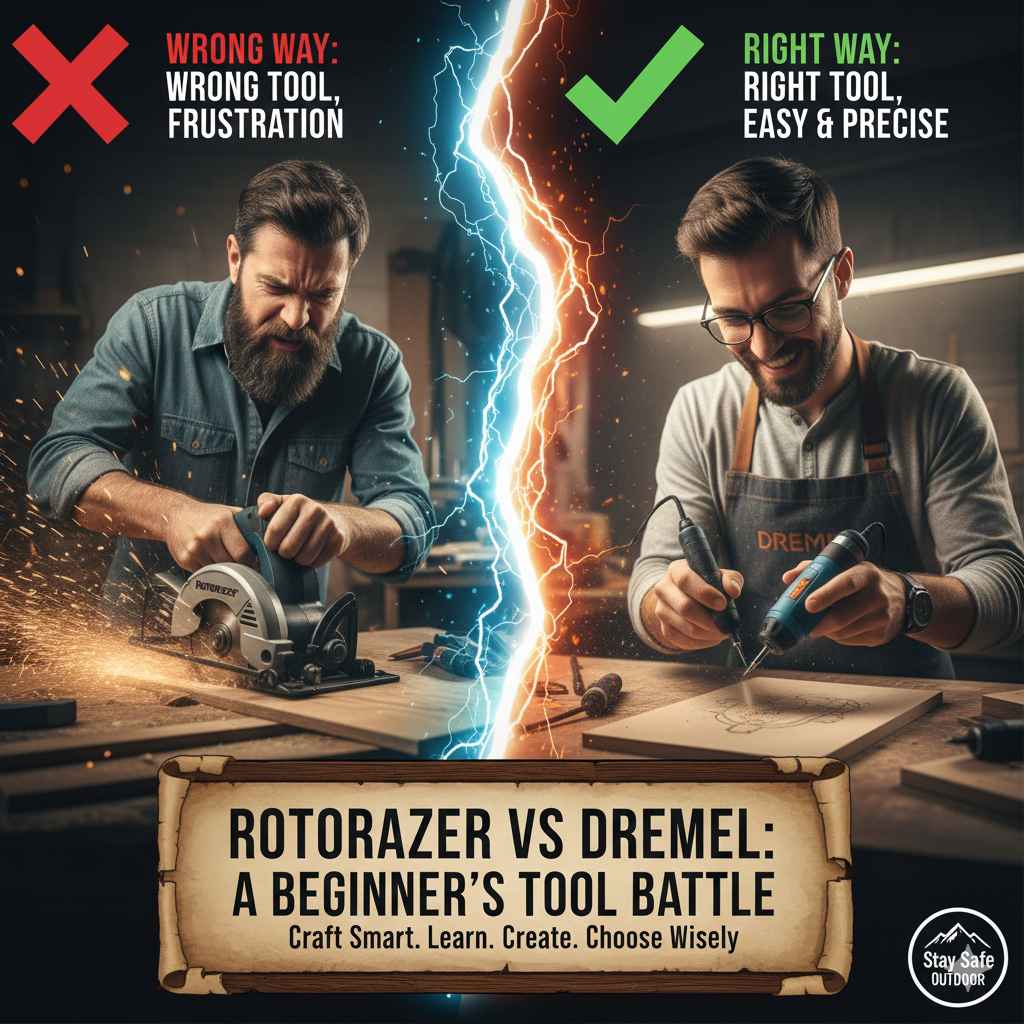
Rotorazer vs Dremel: A Beginner’s Tool Battle
Choosing between a tool like the Rotorazer vs Dremel: Which Tool Wins? can be tricky when you’re just starting. There are so many options, and it’s easy to get lost in the details. Don’t worry, though! We’re here to help you sort through the noise and figure out which tool is best for your projects. We’ll break it down into simple steps so you can make a smart choice. Next up, let’s explore these tools’ capabilities!
What is a Rotorazer Saw?
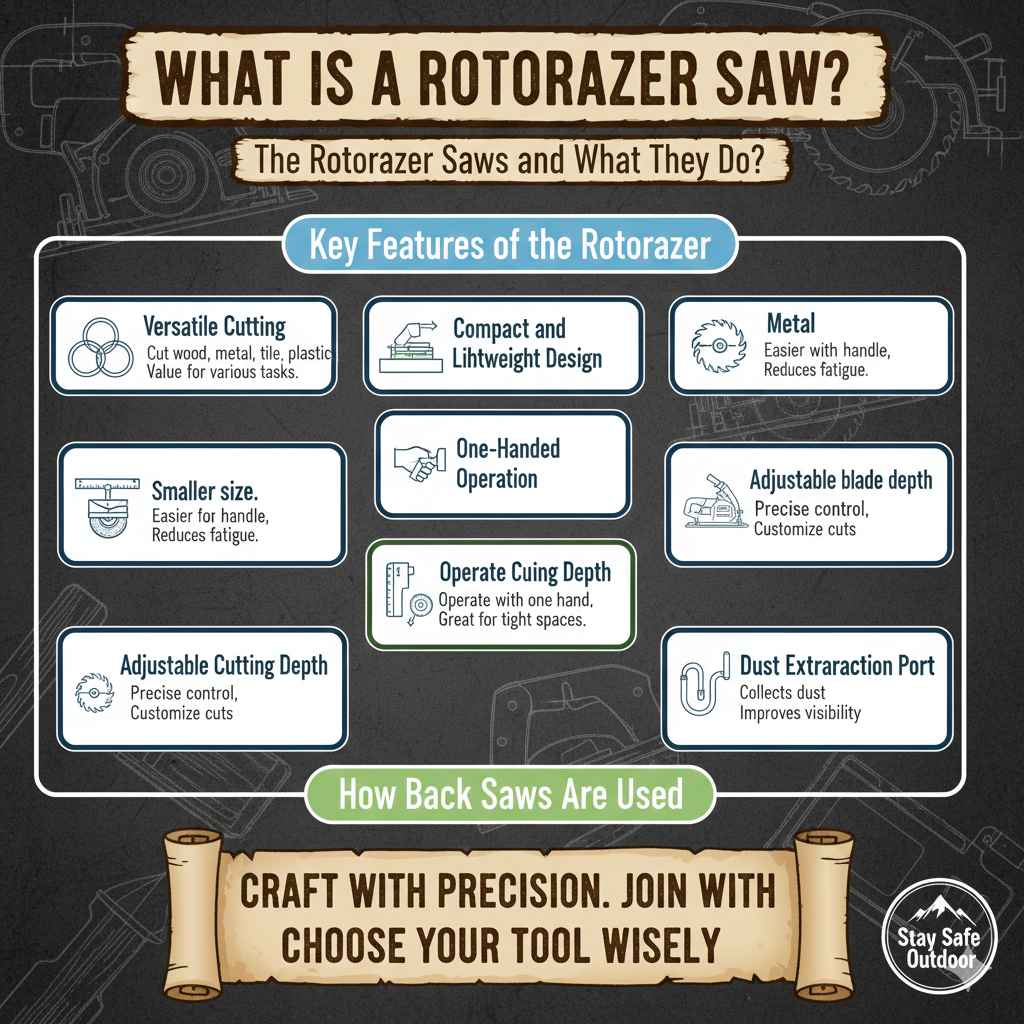
The Rotorazer saw is a compact, circular saw designed for versatility and ease of use. It’s often marketed as a tool that can do the work of several different saws, making it attractive to DIY enthusiasts and homeowners. It features a circular blade housed within a protective casing, providing a safer cutting experience. You can use it to cut various materials, like wood, metal, and plastic. The Rotorazer’s design allows for one-handed operation, which is a major selling point for those who need a tool that’s easy to manage and control.
It’s important to remember that the Rotorazer’s effectiveness depends on the project. While it excels at some tasks, it may not be the perfect fit for others. This blog post will help you assess its strengths and weaknesses. By evaluating its performance with different materials and in various cutting scenarios, you will be able to determine if the Rotorazer is the ideal tool for your requirements.
Key Features of the Rotorazer
- Versatile Cutting Capabilities: The Rotorazer can cut through different materials such as wood, metal, tile, and plastic with the right blade. This versatility makes it a valuable tool for various tasks.
- Compact and Lightweight Design: Its size makes it easier to handle and control. The lightweight design also reduces fatigue during prolonged use, which is excellent for any project.
- One-Handed Operation: The ability to operate the saw with one hand is a significant advantage, especially when working in tight spaces or holding material with the other hand.
- Adjustable Cutting Depth: The ability to change how deep the blade cuts into the material. This allows for more precise control and customization of your cuts.
- Dust Extraction Port: Some models include a dust extraction port, which can be connected to a vacuum to collect dust and debris, improving visibility and cleanliness.
The Rotorazer is known for its ability to tackle different materials. This feature makes it a good tool for various projects. Whether you are cutting wood for a shelf, metal for a small project, or tile for a home improvement project, the Rotorazer is a good fit. This versatility is a major selling point for anyone who likes to work with different materials. Its compact size and ease of use are also important factors that make it a good option.
Dremel Tools: The Powerhouse
Dremel tools are known for being multi-purpose rotary tools. These tools are the go-to for DIYers and professionals who need precision and control in their projects. With its high-speed motor and a wide selection of accessories, the Dremel is ready for anything. Whether you’re cutting, grinding, sanding, or polishing, the Dremel’s versatility shines. From small repairs to detailed craft projects, this tool has a spot in every workshop.
Dremel tools come in different models, each designed for specific tasks. Their ability to handle detail work, like engraving or finishing, sets them apart. When deciding between a Rotorazer vs Dremel, consider your project’s needs. If your work requires intricate detail and delicate finishing, a Dremel is often the better pick. We’ll explore the advantages of Dremel tools in the upcoming sections.
Dremel Tool Features
- High-Speed Rotary Action: Dremel tools spin very fast, which makes them great for detailed work and removing material quickly. This speed is ideal for cutting, grinding, and sanding.
- Interchangeable Accessories: The Dremel’s range of accessories is vast. From cutting wheels to grinding stones and polishing pads, you can easily switch between them, making the tool incredibly versatile.
- Compact and Ergonomic Design: Dremel tools are designed for comfort and control. This makes them easy to use for extended periods, even when working on intricate projects.
- Variable Speed Settings: Many Dremel models let you adjust the speed. You can fine-tune your tool to match the material and the job.
- Versatile Applications: You can use Dremel tools for a wide range of tasks. You can tackle small repairs, detailed craft projects, and even more complex projects, like model making.
The Dremel’s design lets you easily switch between different accessories. This is useful when you have various tasks to complete. This also makes the Dremel very adaptable to all sorts of DIY and craft projects. With the wide range of accessories, you can perform tasks like sanding, polishing, cutting, and engraving. This makes the Dremel a staple for hobbyists and professionals alike.
Comparing Rotorazer and Dremel: Capabilities
Choosing between the Rotorazer and Dremel depends on the task. The Rotorazer saw is perfect for quickly cutting through wood, metal, or plastic. Its design makes it simple to use on larger, more straightforward projects. However, the Dremel tool offers precision and finesse that the Rotorazer can’t match. It’s ideal for intricate work and detail-oriented tasks. Think of the Rotorazer as a heavy-duty tool and the Dremel as a precision instrument.
Think about the types of projects you’ll be doing. The Dremel tool shines when it comes to detail and finishing. The Rotorazer is perfect for larger tasks where precision isn’t as critical. This comparison will help you figure out the best tool for your projects. We will compare their specifications and give you a clear idea of which is best for you.
Material Compatibility
| Tool | Material Compatibility | Best Uses |
|---|---|---|
| Rotorazer | Wood, Metal, Plastic, Tile (with the appropriate blade) | Quick cutting of boards, metal sheets, and basic materials. |
| Dremel | Wood, Metal, Plastic, Glass, Ceramics (with the appropriate accessories) | Intricate cutting, grinding, sanding, and polishing. |
- Rotorazer: The Rotorazer excels at cutting through wood, metal, and plastic. However, the quality of cuts might vary depending on the blade and the material. It works well for straightforward cuts.
- Dremel: Dremel is best known for its precision and the diverse range of materials it can handle. With its wide range of accessories, you can work on wood, metal, plastic, glass, and ceramics.
- Material-Specific Blades/Accessories: Both tools require the correct blades or accessories for the material. When selecting a tool, ensure you have the right components to guarantee safe and effective operation.
- Depth of Cut: The Rotorazer allows for a controlled depth of cut, useful for projects like cutting through the thickness of a board. A Dremel does not offer this same depth of cut.
- Precision: If precision is what you seek, the Dremel is the better choice. It is ideal for detail work and craft projects.
The Rotorazer performs well on bigger projects where straight cuts are needed. It is a time-saver for anyone looking to complete a project quickly. If you are working on a more detailed project, a Dremel is the better option. Its versatility and fine control make it great for small projects. Dremel tools enable a user to handle many project types and material combinations with ease.
Usability and Ergonomics
When comparing the Rotorazer and Dremel, it’s vital to consider usability and how comfortable the tools are to use. The Rotorazer is simple to handle due to its compact design and one-handed operation. This is helpful for those working in tight spaces or who need to hold materials while cutting. The Dremel is designed with an ergonomic grip for more control. This is especially useful for detailed work, where you need to maneuver the tool with precision.
Both tools have specific advantages. The Rotorazer provides quick cuts and ease of use. The Dremel offers precision and control. Consider the features of both tools to help you pick the right one for your projects. Think about the types of projects you do and how long you work on them. This will help you select the most user-friendly tool.
Ease of Use
- Rotorazer: Its design allows for one-handed operation, which is a major benefit for many users. The protective casing around the blade adds an extra layer of safety.
- Dremel: The Dremel tools are designed to fit comfortably in your hand. This ergonomic feature reduces fatigue, especially during long projects.
- User-Friendliness: The Rotorazer is perfect for beginners because it’s easy to use. The Dremel’s design makes it ideal for anyone seeking precision and control.
- Controls and Settings: Both tools typically have simple controls, but the Dremel offers variable speed settings, providing better control over different materials and tasks.
- Accessory Changes: Both tools use accessory changes. The Rotorazer requires a blade change, while the Dremel needs accessory switches. The Dremel’s method is usually faster and more straightforward.
The Rotorazer’s one-handed design is excellent for easy maneuverability and quick cutting. The Dremel’s design prioritizes comfort. You can use it for an extended time. The variable speed setting on the Dremel improves its usefulness for handling different materials and project types.
Cost and Value: Rotorazer vs Dremel
The price of both tools and their accessories can be a crucial factor. The Rotorazer is usually priced lower than a Dremel kit, which makes it attractive for beginners or those with limited budgets. A Dremel’s price can fluctuate depending on the model and the included accessories. Although it might be pricier upfront, the value comes from its versatility. Consider the types of projects you will be doing before making a decision.
Think about the cost of the accessories. If you need special blades or accessories, add those costs to the total. This will help you understand the long-term cost. Assess the value of each tool depending on its features and how often you will use it. This will help you find the best value for your money. Remember that a higher price doesn’t always mean a better fit. Select the tool that meets your needs.
Price and Accessories
- Initial Cost: The Rotorazer usually has a lower upfront cost, making it an affordable option. Dremel tools come in various models, which can impact their price.
- Accessory Costs: The cost of blades for the Rotorazer and accessories for the Dremel will vary. Think about the variety of accessories for your projects.
- Replacement Costs: Consider how often you’ll need to replace blades or accessories. This cost impacts the tool’s value over time.
- Value for Money: The best value tool is the one that best matches your project needs. A cheaper tool that meets your needs offers more value than a pricier tool you barely use.
- Long-Term Investment: A Dremel, though more costly upfront, can pay off due to its wide range of applications. The Rotorazer is suitable if your focus is on simple, quick cuts.
The Rotorazer offers a lower initial price. Its main purpose is to cut quickly through materials. A Dremel is a good choice if you are seeking a versatile tool with many accessories. Always consider the long-term costs of the accessories needed for your project. Look at how often you’ll be using the tool. This will help you pick the tool with the best value.
Maintenance and Safety
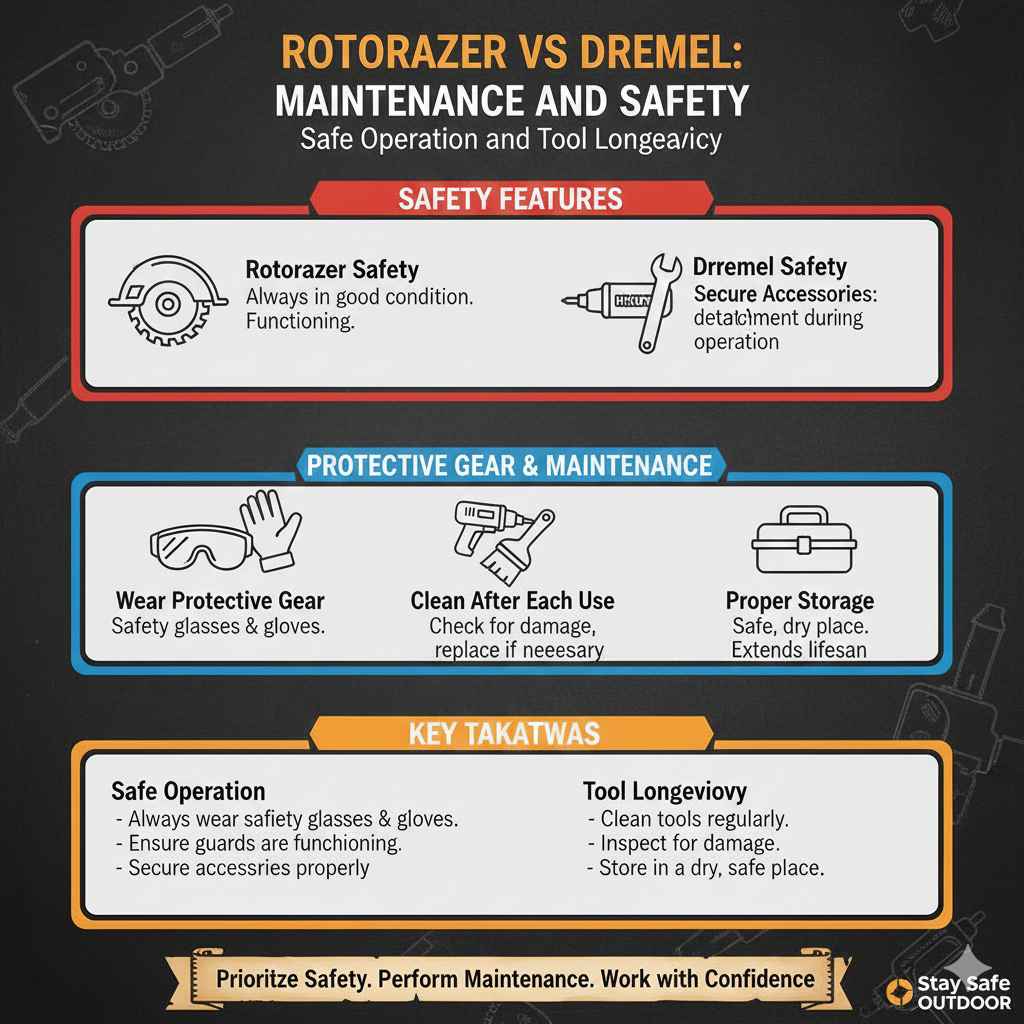
When selecting between a Rotorazer and Dremel, always prioritize maintenance and safety. Both tools need regular upkeep to ensure they work correctly. For the Rotorazer, this means regularly checking the blades and casing. With a Dremel, it means making sure that the accessories are secured. Safety features are important for both tools. This includes the protective casing of the Rotorazer and the secure fit of accessories for the Dremel.
Safe operation is essential to any tool. Always wear protective gear, such as safety glasses, when using either the Rotorazer or Dremel. You can learn more about tool maintenance to make sure you use these tools safely. This will help you prevent accidents and guarantee the longevity of your equipment. We can explore the different maintenance and safety aspects.
Safety Features and Maintenance Tips
- Rotorazer Safety: The Rotorazer comes with a blade guard to reduce accidents. Make sure that the blade guard is always in good condition and functioning.
- Dremel Safety: When using a Dremel, always secure accessories properly to prevent them from detaching during operation.
- Protective Gear: Wear safety glasses and gloves when using either tool. This protects your eyes and hands.
- Maintenance: Clean the tools after each use. Check for any damage to the blades or accessories, and replace them when necessary.
- Proper Storage: Store the tools in a safe, dry place to prevent damage and extend their lifespan.
Both tools offer safety features that help prevent accidents. Always use the right protective gear, like safety glasses. Regular maintenance, such as cleaning the tools after each use, is key. Keep your tools in a safe, dry place. Following these practices guarantees a safe working environment and prolongs the tool’s lifespan.
Frequently Asked Questions
Question: Is the Rotorazer easy to use for beginners?
Answer: Yes, the Rotorazer is designed with simplicity in mind, making it user-friendly for beginners due to its ease of use and one-handed operation.
Question: Can I use a Dremel for cutting wood?
Answer: Yes, with the correct cutting accessories, a Dremel can cut wood. However, it’s best suited for intricate cuts rather than large, straight cuts.
Question: Which tool is better for detail work?
Answer: The Dremel is the better choice for detailed work and projects that require precision, such as engraving and detailed finishing.
Question: Are there any specific safety precautions I should follow?
Answer: Always wear safety glasses and gloves when using either the Rotorazer or Dremel. Ensure accessories are correctly installed before operating.
Question: How do I choose between the Rotorazer and Dremel?
Answer: Choose based on your project requirements. The Rotorazer is ideal for quick cuts. The Dremel is suitable for intricate work. Consider the materials you’ll use and the level of detail needed.
Final Thoughts
When it comes to the Rotorazer vs Dremel: Which Tool Wins? the best answer depends on what you need. The Rotorazer is a handy tool, great for straightforward cutting tasks, especially for beginners. Its ease of use and simple design make it a great option. However, the Dremel shines in projects that need precision. It’s the best choice for small, detailed tasks. Both tools have their strengths, so think about your projects before picking one. Your projects will guide you, making the right choice easy. Equip yourself with knowledge, and you’ll be well on your way to success!