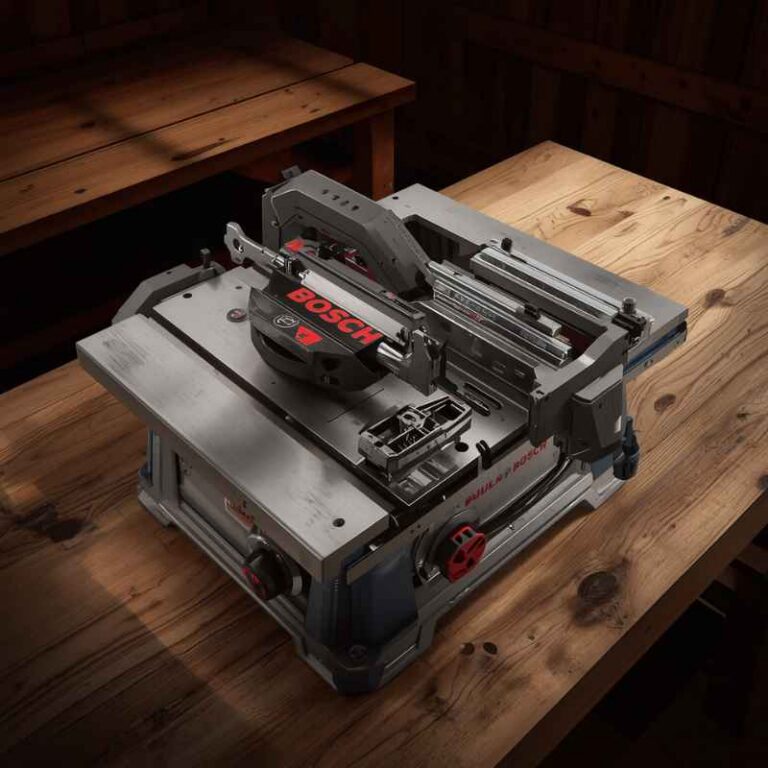
Ryobi 13 Amp 8-1/4-Inch Table Saw (RTS08): Full Guide
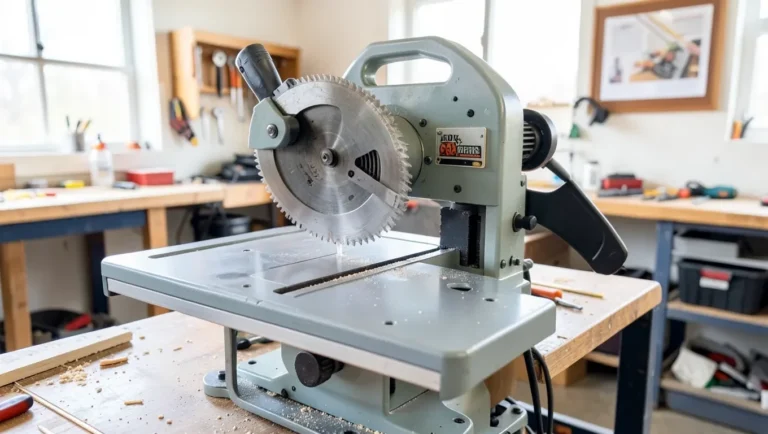
The Ryobi RTS08 is a budget-friendly 13-amp, 8-1/4-inch benchtop table saw built for homeowners and hobbyists doing small to medium projects — shelves, trim, small furniture, and general DIY cutting — rather than professional or heavy-duty shop use. Its main appeal is the combination of low price, light weight, and portability; its main tradeoffs are a smaller blade with limited cutting depth, a non-standard miter slot, and a fence that needs regular checking for alignment.
Who This Saw Is Built For
Best Upgrade For The Stock Blade
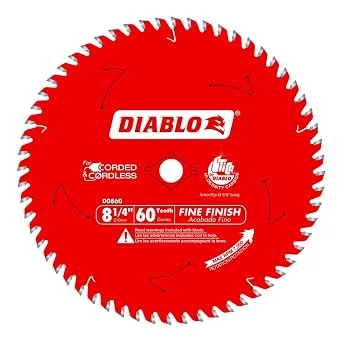 |
Diablo 8-1/4″ 60-Tooth Fine Finish Blade – $44.93 The stock blade that ships with budget 8-1/4″ saws is serviceable but noticeably rougher than a quality aftermarket blade — this is the exact size upgrade the RTS08 needs.
|
This saw fits homeowners, DIYers, and beginner woodworkers who need a versatile, portable saw for small to medium projects — shelves, trim, laminate flooring cuts, and light furniture builds. If you’re a professional or regularly cutting thick hardwoods and sheet goods at volume, a 10-inch contractor or cabinet saw with a bigger table and rip capacity is a better fit; this saw is built for occasional, budget-conscious use, not daily shop production.
Key Features
The RTS08 runs on a 13-amp motor rated around 5,600 RPM — enough for softwoods, hardwoods, and engineered materials like plywood, though denser hardwoods benefit from a slower feed rate to avoid burning. Its 8-1/4-inch blade is smaller than the 10-inch standard on larger saws, which trades some cutting depth and rip capacity for a lighter, more compact tool. The table measures roughly 25 by 17 inches — enough working surface for most cuts, with extra support from sawhorses recommended for breaking down full 4×8 sheets. It ships with a rip fence, adjustable miter gauge, push stick, blade wrenches, anti-kickback pawls, a blade guard assembly, and a 3-year warranty. At around 30 pounds, it’s light enough to move between a garage and a driveway or job site without much effort.
Performance And Known Quirks
The 13-amp motor handles 2x4s, oak, and maple without much strain, producing clean results with a sharp blade and reasonable feed rate. Two quirks show up consistently in user feedback on this saw: the miter gauge fits somewhat loosely in its slot, which can affect precision on angled cuts (a common workaround is wrapping the gauge’s slide bar with tape or heat-shrink tubing to reduce play), and the rip fence needs to be checked for parallel alignment with a speed square before each use, since it can bind or produce uneven cuts if it’s off.
Portability
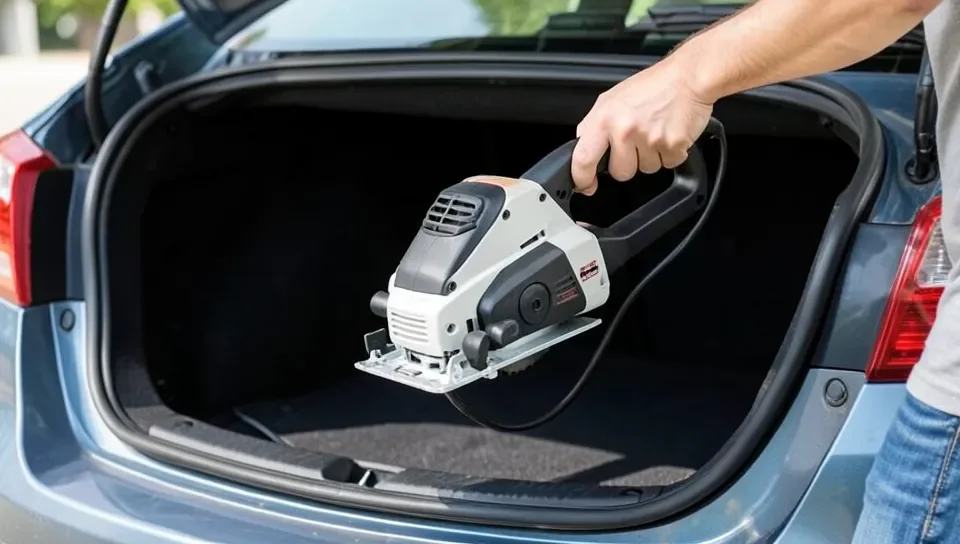
At roughly 30 pounds with a compact footprint, this saw is genuinely easy to move between a garage, driveway, or a friend’s place for a project — a real advantage over bulkier cast-iron-top contractor saws for anyone without a dedicated shop. The tradeoff for that light weight is stability: the saw can feel less planted when cutting larger pieces, so securing it to a stable bench or pairing it with a stand is worth doing for anything beyond light cuts.
Safety Features
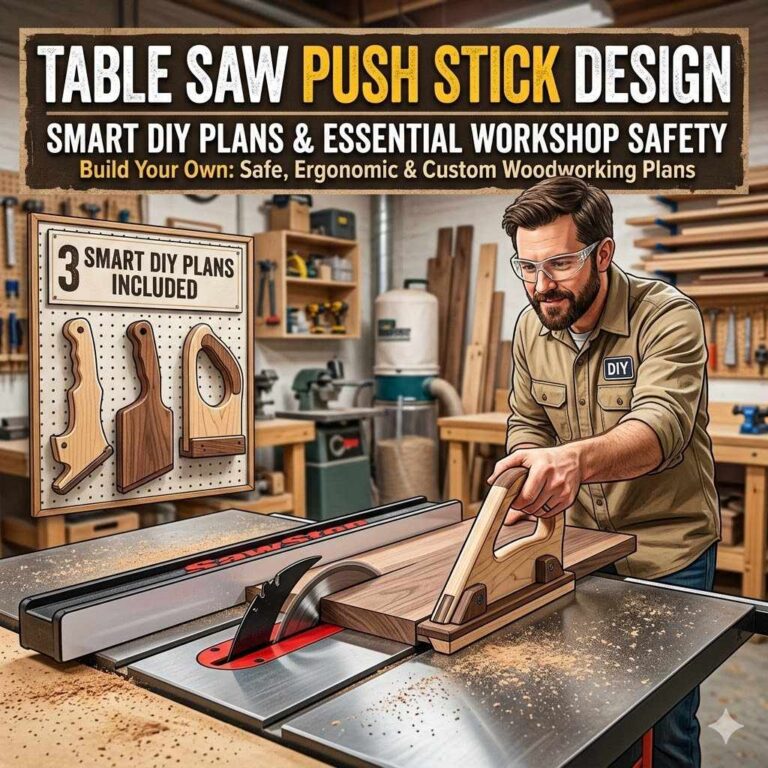
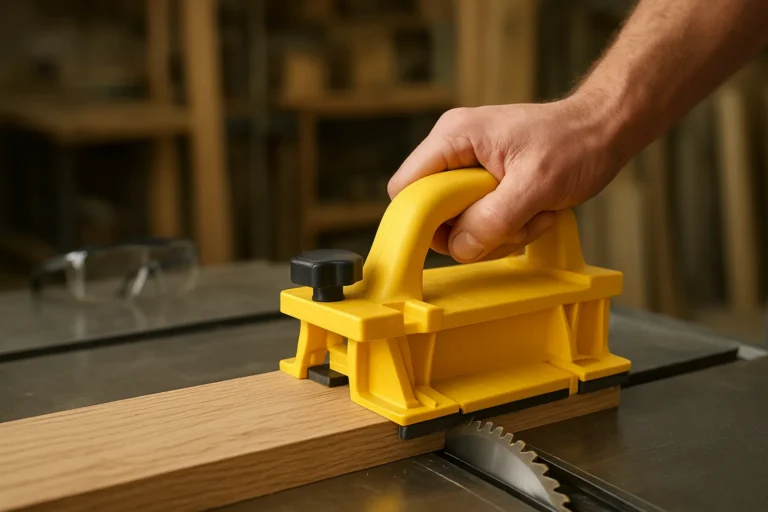
Standard safety equipment includes anti-kickback pawls, a removable blade guard assembly, a riving knife, and an included push stick for narrow cuts — solid coverage for a budget saw, even though it lacks advanced tech like flesh-sensing blade brakes found on premium models. The large, easy-to-find on/off switch is a small but genuinely useful safety detail. As with any table saw, keep the guard on for rip cuts, wear eye protection, and keep the workspace clear regardless of the built-in safety features.
Setup And Maintenance
Assembly is straightforward with the included tools (blade wrenches and a hex key) and typically takes under 30 minutes. The one step that trips people up is aligning the riving knife — the adjustment screws are tucked at the back of the saw and the manual doesn’t offer much detail, so expect some trial and error the first time. Routine maintenance is simple: clear sawdust after use, check the blade for wear, and confirm the fence and miter gauge are properly adjusted before each session.
Limitations
The 8-1/4-inch blade caps cutting depth at about 2.5 inches at 90 degrees — fine for most dimensional lumber, but not enough for regularly cutting 4x4s or thick hardwood stock. The miter slot is a non-standard size, so aftermarket miter gauges and sled accessories generally won’t fit without modification. Rip capacity tops out around 12 inches on the right side, meaning large sheet goods need extra support or a different approach. The stock blade is usable but modest — most owners see a real improvement in cut quality after switching to a higher-quality blade like a 60-tooth fine-finish upgrade.
Getting The Most Out Of It
Check fence alignment with a speed square before every cutting session — it’s the single most common source of inconsistent cuts on this saw. Upgrade the blade if cut quality matters for your projects; the difference is noticeable on plywood and hardwoods specifically. If the miter gauge feels loose, wrapping the slide bar with tape or heat-shrink tubing tightens the fit. For long boards, add sawhorses or a roller stand for support to prevent binding, and keep the table surface clean and lightly waxed so material slides smoothly.
How It Compares To Other Budget Table Saws
Here’s how the RTS08 stacks up against two other popular budget options, the DeWalt DWE7485 and the Skil TS6307-00:
| Feature | Ryobi RTS08 | DeWalt DWE7485 | Skil TS6307-00 |
|---|---|---|---|
| Blade Size | 8-1/4 inches | 8-1/4 inches | 10 inches |
| Motor | 13 Amp, ~5,600 RPM | 15 Amp, ~5,800 RPM | 15 Amp, ~4,600 RPM |
| Rip Capacity | ~12 inches (right) | ~24.5 inches (right) | ~25.5 inches (right) |
| Weight | ~30 lbs | ~54 lbs | ~51 lbs |
| Typical Price | $150-$200 | $300-$400 | $250-$350 |
| Miter Slot | Non-standard | Standard | Standard |
The DeWalt and Skil both offer significantly more rip capacity and a standard miter slot for aftermarket accessories, but at roughly double the weight and price. For strictly small-scale, budget-conscious, portable use, the Ryobi’s lighter weight and lower cost are real advantages even with its smaller capacity.
Where To Buy
Ryobi power tools in the US are sold exclusively through The Home Depot, in stores and online — not through Amazon, Walmart, or other general retailers as new stock (accessories and batteries occasionally appear on third-party marketplaces, but the saw itself is a Home Depot-exclusive line). Prices typically run $150-$200, with periodic sales bringing it lower. Whenever you buy, inspect the box for shipping damage and check the riving knife and fence alignment out of the box before your first cut — catching a setup issue early saves frustration later.
Is It Worth It?
For DIYers and beginners on a budget, the RTS08 is a solid choice — compact, light, and capable enough for shelves, trim, and small furniture builds. Its real quirks (a loose miter gauge, a fence that needs regular checking, a non-standard miter slot) are manageable with the small workarounds covered above, and they’re the kind of tradeoffs expected at this price point. If you need more rip capacity, a bigger blade, or plan to cut thick hardwoods regularly, a step up to a 10-inch contractor saw is the better investment.
Frequently Asked Questions
Is The Ryobi 13 Amp 8-1/4-Inch Table Saw Good For Beginners?
Yes — it’s user-friendly, affordable, and straightforward to set up, making it a reasonable first table saw. Plan to double-check the fence alignment before cutting and consider upgrading the stock blade for better results.
Can This Saw Handle Hardwoods?
Yes, it can cut hardwoods like oak or maple, but a slower feed rate helps avoid burning, and a quality blade makes a real difference in cut smoothness. Its 2.5-inch cutting depth limits how thick a hardwood piece it can handle in one pass.
How Portable Is The Ryobi RTS08?
Very — at around 30 pounds, it’s light enough to carry with one hand and store in a small space, making it well-suited to moving between a garage workshop and job sites.
What’s The Biggest Limitation Of This Saw?
The 8-1/4-inch blade, which caps cutting depth at about 2.5 inches. The non-standard miter slot and roughly 12-inch rip capacity also limit larger projects and aftermarket accessory compatibility.
Should You Upgrade The Stock Blade?
Generally, yes. The stock blade handles basic cuts fine, but a higher-quality 60-tooth fine-finish blade produces noticeably smoother, cleaner results, especially on hardwoods and plywood.
Sponsored / affiliate links. As an Amazon Associate I earn from qualifying purchases. I may earn additional commission from eligible campaigns.