Scuff Remover for Hardwood Floors: Your Guide to Restoring Pristine Wood
Hey there! If you’re like me, you probably love the warm, timeless look of hardwood floors. They bring so much character to a home. But let’s be honest—those pesky scuff marks can pop up out of nowhere and make your floors look worn out. I’ve spent years experimenting with ways to keep my hardwood floors looking flawless, and I’m excited to share everything I’ve learned about scuff removers for hardwood floors. Whether it’s a mark from dragging furniture or a streak from your kid’s sneakers, I’ve got you covered with practical, safe, and effective solutions. Let’s dive in and explore how to bring back that showroom shine to your floors!
Why Scuff Marks Happen on Hardwood Floors
I remember the first time I noticed a scuff mark on my hardwood floor. It was a dark streak from my husband’s work boots, and it stood out like a sore thumb. Scuff marks happen when something rubs against the floor’s surface, leaving behind a bit of material—like rubber from shoes or dirt from furniture. Hardwood floors, despite their durability, aren’t immune to these marks. The friction from everyday life, like moving a chair or even your pet’s claws, can leave those annoying blemishes.
Light-colored floors tend to show scuffs more than darker ones. I’ve got light oak floors in my living room, and trust me, every little mark seems to scream for attention. Heavy foot traffic, kids’ toys, or even a new pair of heels can cause scuffs. The good news? Most scuff marks sit on the surface and don’t damage the wood itself. That means with the right approach, you can make them disappear without breaking a sweat.
The Importance of Acting Fast
When I spot a scuff mark, I try to tackle it right away. Why? Because the longer it sits, the harder it can be to remove. Over time, scuffs can embed into the wood’s finish, making them stubborn. Plus, a floor covered in marks starts to look dull, which can drag down the whole vibe of your home. I learned this the hard way when I ignored a scuff from moving a couch. Weeks later, it took way more elbow grease to get it out.
Acting fast also protects your floor’s finish. Hardwood floors often have a protective layer, like polyurethane, that can get worn down if you let scuffs linger. Keeping your floors clean and addressing marks quickly helps maintain their shine and value. If you’re thinking about selling your home someday, trust me—spotless floors make a big difference to buyers.
Household Items That Work Wonders
One of my favorite things about removing scuff marks is that you don’t always need fancy products. I’ve found some everyday household items that work like magic. Here’s what I keep in my cleaning arsenal:
A Tennis Ball Trick
I was skeptical when I first heard about using a tennis ball to remove scuff marks. But let me tell you, it’s a game-changer! The fuzzy surface of a tennis ball is just abrasive enough to lift scuffs without scratching the wood. I grab a clean tennis ball and rub it over the mark in a circular motion. For stubborn spots, I apply a bit more pressure. If you don’t want to bend down, try cutting an “X” in the ball and sticking it on the end of a broom handle. It’s such a simple hack, and I’ve used it countless times on my dining room floor.
Baking Soda Paste
Baking soda is my go-to for so many cleaning tasks, and it’s fantastic for scuff marks too. I mix about two tablespoons of baking soda with a splash of warm water to make a thick paste. Then, I use a soft cloth to rub the paste over the scuff in gentle circles. It’s like a mild abrasive that lifts the mark without harming the finish. After the scuff is gone, I wipe the area with a damp cloth and dry it thoroughly. This method saved my kitchen floor when my kids dragged their toy box across it!
Rubber Eraser Magic
You know those pink erasers from your school days? They’re not just for pencils! I keep a clean rubber eraser handy for light scuff marks. I gently rub it over the mark, and it lifts the scuff right off. It’s perfect for small marks from shoes or toys. Just make sure the eraser is clean, or you might smear dirt around. I’ve used this trick on my hallway floors, and it’s so satisfying to see the marks vanish.
Damp Sponge or Cloth
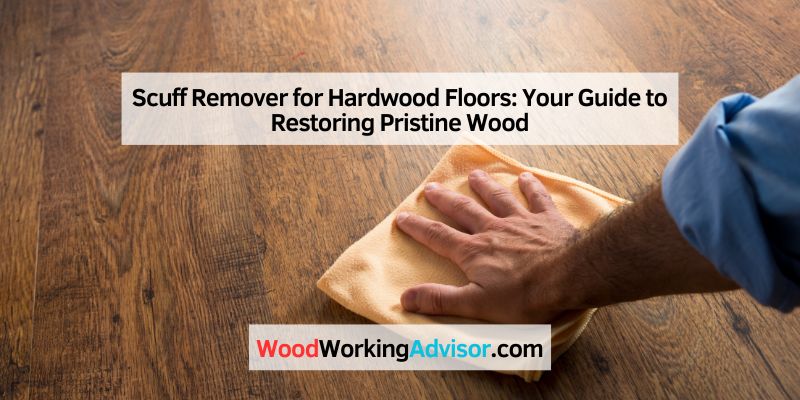
Sometimes, the simplest solution is the best. A damp sponge or microfiber cloth can work wonders on fresh scuff marks. I dampen the cloth with warm water, wring it out so it’s not dripping, and gently rub the mark. The key is to avoid soaking the floor—too much water can damage hardwood. I’ve used this method for quick cleanups after parties when guests’ shoes leave a few streaks.
| Household Item | How to Use | Best For |
|---|---|---|
| Tennis Ball | Rub over scuff in circular motions | Light to medium scuffs from shoes |
| Baking Soda Paste | Mix with water, rub with soft cloth | Stubborn scuffs from furniture |
| Rubber Eraser | Gently rub over mark | Small, light scuffs |
| Damp Cloth/Sponge | Rub gently, dry thoroughly | Fresh scuffs |
Commercial Scuff Removers I Trust
While household items are great, sometimes you need a little extra power. I’ve tested a few commercial products that are safe for hardwood floors and deliver amazing results. Here are my top picks:
Goo Gone
I discovered Goo Gone when I was dealing with some stubborn scuff marks from moving a heavy bookshelf. It’s an oily cleaner that breaks down tough residue without damaging the wood’s finish. I apply a small amount to a soft cloth and gently rub the scuff. It lifts the mark in seconds! Afterward, I wipe the area with a damp cloth to remove any residue. Goo Gone is a lifesaver for those tricky marks that won’t budge with a tennis ball or eraser.
Mr. Clean Magic Eraser
The Mr. Clean Magic Eraser is like a superhero for scuff marks. It’s a melamine sponge that’s slightly abrasive, so it tackles tough marks without much effort. I dampen the eraser and gently scrub the scuff until it’s gone. Be careful not to scrub too hard, though—it can dull the finish if you overdo it. I’ve used this on my living room floor, and it’s perfect for marks from my dog’s claws.
Hardwood Floor Cleaners
There are cleaners made specifically for hardwood floors, and I always keep one in my cleaning closet. Brands like Bona and Method have gentle formulas that remove scuffs while protecting the wood. I follow the instructions on the bottle, usually applying the cleaner with a soft cloth and wiping it clean. These products are great for regular maintenance and tackling light scuffs at the same time.
Step-by-Step Guide to Removing Scuff Marks
I’ve learned that having a clear plan makes scuff removal so much easier. Here’s the step-by-step process I follow to keep my floors looking pristine:
- Clean the Area: I start by sweeping or vacuuming around the scuff mark to remove dirt or debris. This prevents scratches during cleaning.
- Try a Damp Cloth: I dampen a microfiber cloth with warm water and gently rub the scuff. If it’s fresh, this often does the trick.
- Use a Household Item: If the cloth doesn’t work, I try a tennis ball, baking soda paste, or rubber eraser, depending on the mark’s severity.
- Test Commercial Cleaners: For stubborn marks, I use a product like Goo Gone or a Magic Eraser, always testing it in a small, hidden area first.
- Wipe and Dry: After the scuff is gone, I wipe the area with a clean, damp cloth to remove any residue. Then, I dry it thoroughly with a towel.
- Polish (Optional): If the area looks dull, I apply a hardwood floor polish or finish restorer to bring back the shine.
This process has worked for me every time, whether I’m dealing with a single scuff or a floor full of marks after a big family gathering.
Preventing Scuff Marks in the First Place
I’ve learned that preventing scuff marks is just as important as removing them. Here are some tricks I use to keep my floors scuff-free:
- Use Furniture Pads: I put felt pads under the legs of my furniture, like chairs and tables. They prevent scratches and scuffs when things get moved around.
- Take Off Shoes: I have a no-shoes policy in my house. It’s a simple rule that cuts down on scuffs from rubber soles or heels.
- Sweep Regularly: Dust and dirt can act like sandpaper underfoot, so I sweep my floors with a soft-bristle broom every couple of days.
- Use Rugs or Mats: I place area rugs in high-traffic areas, like the entryway and living room. They catch a lot of potential scuffs before they happen.
- Trim Pet Nails: My dog’s claws used to leave marks, so I keep his nails trimmed to minimize damage.
These small habits have made a huge difference in keeping my floors looking new. It’s all about being proactive so you don’t have to spend as much time cleaning up marks later.
Common Mistakes to Avoid
I’ve made my fair share of mistakes when trying to remove scuff marks, so let me save you some trouble. Here’s what not to do:
- Don’t Use Harsh Abrasives: Steel wool or rough scrub pads can scratch the finish. I learned this after dulling a spot on my floor with an abrasive sponge.
- Avoid Too Much Water: Soaking the floor can cause water damage. I always wring out my cloth or sponge until it’s just damp.
- Don’t Skip the Test: Always test cleaners or methods in a hidden spot, like under furniture. I once used a cleaner that left a hazy mark because I didn’t test it first.
- Don’t Ignore Deep Scratches: If the mark is a deep scratch rather than a surface scuff, you might need a different approach, like a wood stain pen or professional help.
Being gentle and patient is key. Hardwood floors are tough, but their finish can be delicate, so treat them with care.
When to Call a Professional
Most scuff marks are easy to handle at home, but sometimes you need a pro. If the scuff is actually a deep scratch that’s gone through the finish, or if your floor looks dull even after cleaning, it might be time to call in a flooring expert. I had to do this once when a heavy piece of furniture left a gouge in my floor. A professional refinished the area, and it looked brand new.
If you’re unsure whether a mark is a scuff or something more serious, a pro can assess it. They can also recommend the best products for your specific floor type, whether it’s solid hardwood or engineered wood.
My Favorite Maintenance Routine
To keep my floors looking their best, I’ve built a simple maintenance routine. I sweep or vacuum weekly to keep dirt at bay. Every month, I do a deeper clean with a hardwood-safe cleaner and check for scuffs. If I spot any, I tackle them right away with one of the methods above. I also polish my floors every six months to restore their shine. This routine keeps my home looking inviting and saves me from bigger cleaning headaches down the road.
Conclusion
I’ve spent years perfecting the art of keeping my hardwood floors free of scuff marks, and I hope my tips help you do the same. From tennis balls to baking soda to trusty commercial cleaners, there’s a solution for every type of scuff. The key is to act quickly, use gentle methods, and take steps to prevent marks in the first place. Your hardwood floors are an investment in your home’s beauty, and with a little care, they can stay stunning for years. So grab that tennis ball or Magic Eraser, and let’s get those floors sparkling again! If you’ve got a favorite scuff removal trick, I’d love to hear it—drop it in the comments below!
Frequently Asked Questions
Can I use vinegar to remove scuff marks from hardwood floors?
I’ve tried vinegar, and it can work for very light scuffs. Mix equal parts white vinegar and water in a spray bottle, lightly mist the mark, and wipe with a soft cloth. But be careful—too much vinegar can dull the finish. I always test it in a hidden spot first.
Are Magic Erasers safe for all hardwood floors?
Magic Erasers are great for tough scuffs, but they can be slightly abrasive. I use them gently and only on polyurethane-finished floors. If your floor has a wax finish or is very delicate, stick to a damp cloth or baking soda to be safe.
How do I know if it’s a scuff or a scratch?
I’ve had this confusion before! A scuff is usually a surface mark that doesn’t feel rough when you run your finger over it. A scratch feels deeper and might catch your nail. If it’s a scratch, you might need a wood stain pen or professional help.
Can I prevent scuff marks completely?
It’s tough to prevent them entirely, but I’ve cut down on scuffs a lot with felt pads on furniture, a no-shoes rule, and regular sweeping. Rugs in high-traffic areas also help. It’s all about creating habits that protect your floors.
How often should I polish my hardwood floors?
I polish my floors every six months to keep them shiny. It helps cover minor scuffs and restores the finish. Just make sure to use a polish made for hardwood floors, and follow the instructions carefully.