3 Best Steam Mops for Wood Floors (2026): Based on Specs
Use the lowest steam setting on sealed engineered wood floors for routine cleaning, raise output only for isolated sticky spots, and stop if the surface looks damp or wet. Too much heat or moisture can swell planks, soften finishes, and open seams. This guide gives a setting-first decision tree for safe use and when to switch to dry cleaning.
Quick comparison
| Product | Badge | Best for | Price | ||
|---|---|---|---|---|---|
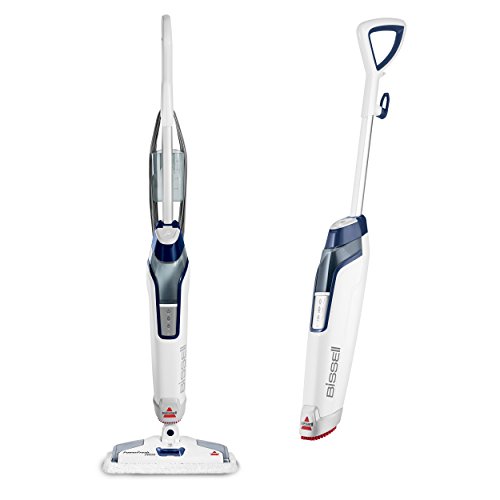 |
Bissell PowerFresh Deluxe 1806 Steam Mop for Tile, HardwoodBissell | Our pick | Steam mop · variable steam · sealed floors | $114.99
Price as of 18 Oct 2026
|
View |
 |
Shark Professional Steam Pocket Mop with 2 Double-sidedShark | Also great | Steam mop · sealed floors · lightweight | $119.99
Price as of 18 Oct 2026
|
View |
 |
Steam Mop 11-in-1 Handheld Detachable Adjustable SteamMxnsewr | Budget pick | Steam mop · adjustable steam · handheld | $69.99
Price as of 18 Oct 2026
|
View |
For routine cleaning, start with the mop that gives you a true low setting and easy control, then keep the pad barely damp. For spot cleaning, choose a model with a scrubber or a burst feature, but still plan to wipe the area dry right away.
How we chose
Only mops with adjustable steam and support for sealed hard floors appear to have made the list. That matters more than brand name.
We also favored microfiber pads, manageable weight, and a removable tank that is easy to refill. A clear water-level indicator is a plus.
Finally, we looked for a true low mode, not only a burst trigger. Burst steam can help on one spot, but it is not a routine setting for wood floors.
Shark Professional Steam Pocket Mop S3601: best for light control
This mop is presented as a good fit for a homeowner who wants a simple sealed-floor mop with washable pads and easy steering. Based on the product details, it is made for sealed hard floors, includes two machine-washable dirt grip pads, and uses swivel steering to move around furniture and seams.
The main strength is control. A lightweight mop with microfiber pads makes it easier to keep pressure even and avoid pooling at board edges. That said, the listing does not give a published low-mode temperature or tank size here, so you should still verify that your flooring maker allows steam on your finish before using it.
Bissell PowerFresh Deluxe 1806 Steam Mop: best for sticky spots
This is a better fit when you want a low setting for routine cleaning and a spot feature for isolated messes. The product details call out variable steam levels, a built-in SpotBoost brush, and a fast 30-second warm-up.
That combination helps on dried spills, but the brush is the part to use carefully. Keep it on one area only, then wipe that spot dry. The drawback is the same one that applies to most steam mops on wood: if your floor has worn finish, open seams, or any manufacturer warning against steam, the right answer is no steam at all.
Steam Mop 11-in-1 handheld Detachable adjustable steam Cleaner: best for flexible use
This option is described as having a 23 ft cord. The listing mentions a 450 ml removable water tank, a 23 ft cord, and a rapid heat-up claim of about 260°F, plus handheld detachment for other surfaces.
For engineered wood, flexibility is useful only if you actually stay at the lowest usable setting. The drawback is that the product is pitched for many surfaces, which can tempt users to overuse steam on wood. Treat the adjustable control as a way to reduce output, not as permission to clean damaged flooring.
Steam mop settings matrix
| Floor condition | Safe setting | Pass count | Microfiber-only pad? | Red-flag symptoms that mean dry mop instead |
|---|---|---|---|---|
| Sealed, well-maintained floor | Lowest usable setting only | 1 light pass | Yes | Surface feels damp, seams darken, or finish turns cloudy |
| Worn finish | Do not steam | 0 | No | Haze, dull patches, tacky residue, or exposed wood |
| Spot-stained area | Only if the floor maker allows steam; use the lowest burst setting | 1 brief pass, then dry immediately | Yes | Darkened seams, lingering dampness, or softened finish |
| Previously waxed floor | Do not steam | 0 | No | Smearing, cloudy residue, or softening wax film |
| Damaged seams or finish failure | Do not steam | 0 | No | Cupping, edge swelling, gapped joints, or delamination risk |
For routine cleaning, the safest choice is the lowest setting that clears dust film without leaving visible wetness. For sticky spots, use the burst function only if the flooring maker permits steam, and stop as soon as the finish changes color or sheen.
Can you steam mop sealed engineered hardwood?
Yes, but only if the flooring manufacturer allows steam on that exact product. Sealed engineered hardwood has a real-wood veneer over a plywood or HDF core, so it is more moisture-sensitive than many hard surfaces. If the care guide or warranty says no steam, do not use it.
Finish condition matters as much as the core construction. A sealed floor with intact joints is a very different case from one with worn finish, open seams, or delamination risk. If you cannot confirm compatibility, dry mop first and use a manufacturer-approved cleaner instead.
What steam setting is safe for engineered wood floors?
The safest setting is the lowest usable mode on a sealed floor, with no visible wetness left behind. The practical rule is simple: clean with the least steam that works, and stop before seams, edges, or the finish look damp. If the mop only has high output, skip it for wood.
For adjustable models, Light or low is the usual starting point. Normal or medium should be reserved only for isolated trouble spots, and only when the floor maker permits steam. Deep or high is too aggressive for routine wood-floor cleaning.
Which steam mop features matter most for engineered wood floors?
Adjustable steam matters first. A low mode gives you a chance to stay within the floor maker’s limits, while fixed high-heat models leave you no margin. A removable water tank is next, because easy refilling reduces the temptation to overfill the pad run.
Pad design matters too. A microfiber pad spreads moisture more evenly than a scrub pad, which helps reduce pooling at seams. Weight matters as well; most buyers will find under 6 lbs easier to guide across furniture legs and transitions, though published product weights vary.
How do I clean sticky spots on engineered hardwood without damaging the finish?
Use the lowest burst or spot setting only if the flooring maker allows steam, then make one brief pass and dry the area immediately with a clean microfiber cloth. The goal is to loosen residue, not soak the spot. If the mark stays put after one pass, stop and switch to dry cleaning.
Say your dining area has a small syrup drip near a seam. Use a microfiber pad, a single short burst on the spot, and one wipe dry. If the seam darkens or the area stays tacky, do not repeat the steam pass.
Are adjustable steam modes safer than fixed high-heat steam?
Yes, because adjustable modes let you choose the lowest practical output for the floor condition. Fixed high-heat steam gives you less control, which raises the chance of wet seams and finish trouble. Adjustable output is not a guarantee of safety, but it is the better option for engineered wood.
That said, a low setting is still unsafe on unfinished, waxed, worn-through, cupped, or delaminating floors. The setting helps only when the floor itself is suitable for steam and the manufacturer allows it.
What pad type should I use on engineered wood floors?
Use a microfiber-only pad with a soft-contact surface. Washable microfiber is the safest starting point because it spreads moisture more evenly and is less likely to leave residue. Avoid scrub pads for routine cleaning, since they can hold more moisture at the contact point and make streaking more likely.
Pad thickness matters too. A thicker microfiber pad can buffer the floor a bit better, while a thin, aggressive pad may concentrate heat and moisture at the same spot. If the pad looks saturated or the floor feels damp, stop and switch to a dry mop.
Which one should you buy?
Choose the Shark Professional Steam Pocket Mop S3601 if you want the most straightforward sealed-floor handling and washable pads. Choose the Bissell PowerFresh Deluxe 1806 if sticky spots are your main issue and you want a built-in scrubber. Choose the Steam Mop 11-in-1 if you want a removable tank, a long cord, and adjustable output.
If your flooring maker limits or bans steam, buy none of them for wood-floor use. A dry microfiber mop and a manufacturer-approved cleaner are the safer path in that case.
Frequently asked questions
Should I use the low, medium, or high setting on a steam mop for wood floors?
Start with low. Use medium only for an isolated spot if the maker allows steam, and avoid high for routine cleaning. If the mop leaves the surface damp, step down or stop. A wood floor should look clean, not wet.
How much moisture is too much for engineered hardwood?
Too much moisture is any amount that leaves visible wetness, darkens seams, or makes the finish look hazy or tacky. You want the pad barely damp at the floor contact point. If you see pooling, stop immediately and dry the area before continuing.
Sponsored / affiliate links. As an Amazon Associate I earn from qualifying purchases. I may earn additional commission from eligible campaigns.