Skilsaw vs Circular Saw: What’s the Difference?
Many people wonder about the Skilsaw vs Circular Saw: What’s the Difference? It can be confusing when you’re new to tools. You see different names and wonder if they do the same job. This can make picking the right saw for your project tricky.
But don’t worry, we’ll make it super simple. We will break down what makes each saw unique, step by step, so you can choose confidently. Get ready to learn what sets them apart.
Understanding The Skilsaw Brand
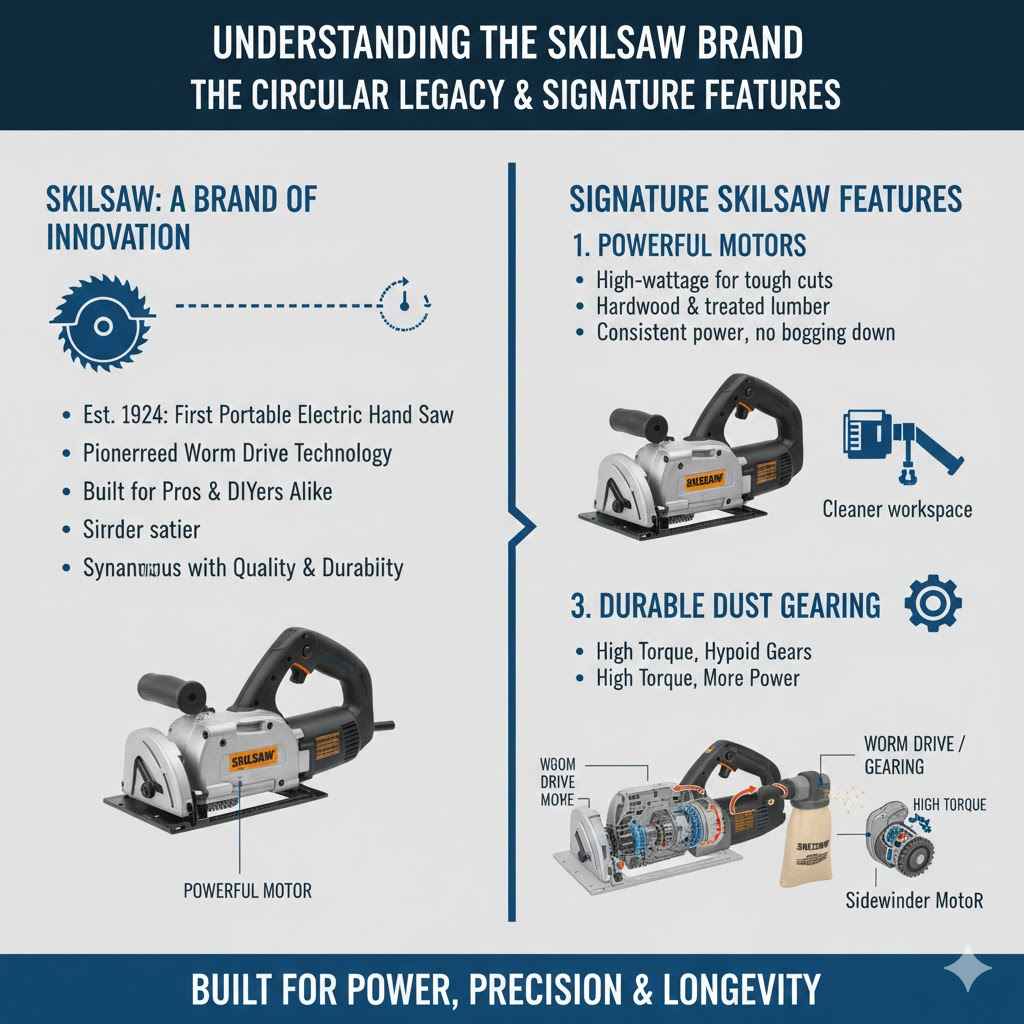
Skilsaw is a specific brand that makes power tools. They are well-known for their durable and reliable equipment. When people talk about Skilsaw, they are usually referring to a type of circular saw that this brand manufactures.
This brand has a long history in the tool industry, building a reputation for quality. Their tools are often designed with professional use in mind, but they are also great for DIYers. Many users appreciate the thought put into the design for ease of use and longevity.
The Skilsaw Circular Saw Legacy
The Skilsaw brand has a particular focus on circular saws. They were one of the first companies to popularize the circular saw for everyday use. This history gives them a special place in the market.
Their early designs were revolutionary and set standards for many saws that came after. Over time, they have continued to innovate, introducing new features and improving existing ones. This makes their circular saws a popular choice for many builders and woodworkers.
Skilsaw’s Signature Features
Skilsaw circular saws often come with distinctive features. One common characteristic is their powerful motors, designed to handle tough cuts with ease. They also frequently include advanced dust collection systems to keep your work area cleaner.
Many models feature what’s called a “worm drive” or “hypoid” gear system. This system is known for its durability and ability to deliver more torque, which is important for cutting through denser materials like lumber. The placement of the motor and gearing in this type of saw also leads to a different balance and profile compared to other circular saws.
Powerful Motors for Tough Cuts
Skilsaw circular saws are equipped with robust motors. These motors provide the power needed to cut through various materials, including hardwood and treated lumber. This consistent power ensures a clean cut without bogging down the saw, which is essential for professional results and efficient work.
The higher wattage motors often found in Skilsaw models mean less strain on the tool during demanding tasks.
Advanced Dust Collection Systems
Keeping your workspace clean is important for safety and efficiency. Skilsaw saws often incorporate effective dust and debris removal mechanisms. This helps to keep the cutting line clear, allowing for more accurate cuts.
It also reduces the amount of airborne dust, contributing to a healthier work environment. Some systems channel dust away from the operator and into a collection bag or directly to a vacuum.
Durable Worm Drive or Hypoid Gearing
A key feature distinguishing many Skilsaw models is their gear system. Worm drive and hypoid gears offer higher torque and greater durability than standard direct-drive systems. This means the saw can handle heavier workloads and maintain performance over time.
The geared design also allows for a more compact blade assembly and often a more upright saw posture for the user.
What Exactly Is A Circular Saw
A circular saw is a power tool used for cutting various materials, most commonly wood. It gets its name from the circular, toothed blade that spins at high speed. This rotating blade slices through the material, allowing for fast and efficient cuts.
Circular saws are versatile tools found in almost every workshop, from professional construction sites to home garages. They can make straight cuts, angled cuts (bevel cuts), and can be used for both rough construction and more precise woodworking.
Types of Circular Saws
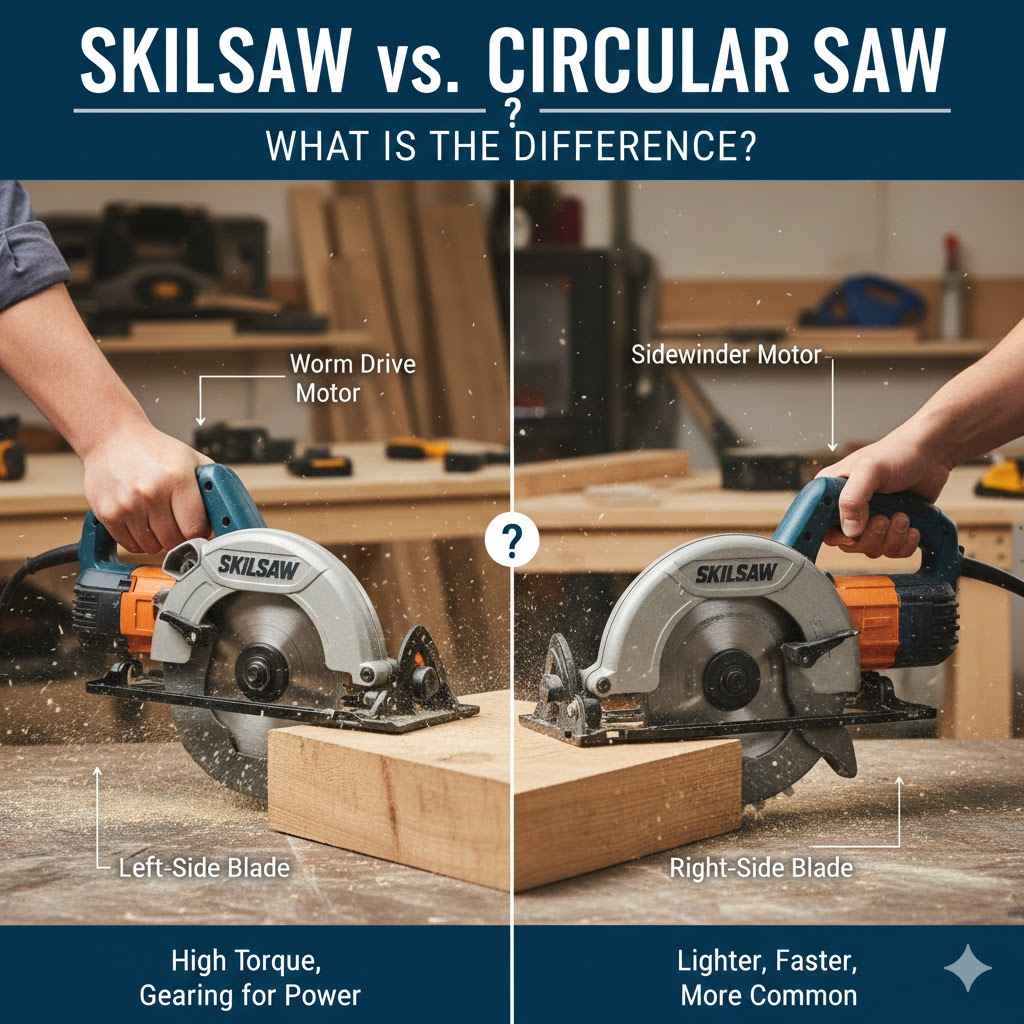
There are several types of circular saws, each designed for specific tasks. The most common is the “direct-drive” circular saw, often called a “sidewinder.” In these saws, the motor is positioned behind the blade and directly drives it. This design is usually lighter and more maneuverable.
Another common type, as mentioned with Skilsaw, is the “worm drive” or “hypoid” circular saw. These have the motor positioned beyond the blade, connected by gears. This setup provides more torque, making them better suited for heavy-duty cutting, but they tend to be heavier and longer.
Direct Drive (Sidewinder) Circular Saws
Sidewinder circular saws are the most prevalent type. Their motor is located directly behind the blade, which simplifies the internal mechanics. This placement makes the saw more compact and lighter, which is beneficial for users who need to maneuver the saw frequently or work overhead.
They are excellent for general-purpose cutting, such as framing, cutting plywood sheets, and making basic renovations. Their ease of use makes them a top choice for beginners and many DIY enthusiasts.
Compact and Lightweight Design
The main advantage of sidewinder saws is their portability and ease of handling. Their lighter weight reduces user fatigue, especially during extended use or when working in tight spaces. This makes them ideal for tasks where you might need to lift and move the saw often, like on a construction site or during DIY projects around the house.
The compact nature also means they take up less storage space.
Ideal for General Wood Cutting
Sidewinder saws excel at everyday cutting tasks. They are perfect for cutting lumber for framing, slicing through drywall, and breaking down large sheets of plywood or particleboard. For most home improvement projects, a good sidewinder saw will be more than sufficient for your needs.
They offer a good balance of power and control for these common applications.
Widely Available and Affordable
Because they are so popular, sidewinder circular saws are widely available from many manufacturers. This competition often leads to competitive pricing, making them a budget-friendly option for many users. You can find a wide range of models with varying features and price points to suit almost any need or budget.
Many entry-level models are quite affordable.
Worm Drive and Hypoid Circular Saws
Worm drive and hypoid circular saws are known for their superior torque and durability. The gearing system allows the motor to spin faster, and the gears then reduce this speed to turn the blade with more force. This makes them incredibly powerful tools, capable of cutting through dense materials and making long, deep cuts.
While they are often heavier and have a different operational feel, their strength is undeniable for demanding jobs. Skilsaw is particularly famous for its worm drive models.
Exceptional Torque for Tough Materials
The gear reduction in worm drive saws means they deliver significantly more twisting force, or torque, to the blade. This power is invaluable when cutting through dense hardwoods, treated lumber, or multiple layers of material. This increased torque prevents the saw from slowing down or stopping when encountering resistance, leading to smoother, more consistent cuts even in challenging conditions.
It’s the kind of power that professionals often rely on.
Greater Durability and Longevity
The robust gearing and often more substantial construction of worm drive saws contribute to their long lifespan. They are built to withstand heavy use and tough job site conditions. Many users report that their worm drive saws last for decades with proper care.
This durability makes them a worthwhile investment for those who rely on their tools for daily work or extensive projects. They are built for endurance.
Unique Blade and Motor Alignment
In worm drive and hypoid saws, the motor is typically located behind the blade assembly, aligned along the length of the saw. This arrangement often results in a more compact blade housing and a different balance point. Many users find this configuration offers a better view of the cut line and a more upright posture while operating.
It’s a distinct design choice that impacts how the saw feels and performs.
Skilsaw vs Circular Saw What’s the Difference
The core of the Skilsaw vs Circular Saw: What’s the Difference? question lies in branding versus generic classification. A Skilsaw is a brand of circular saw. Therefore, all Skilsaws are circular saws, but not all circular saws are Skilsaws.
The confusion often arises because the Skilsaw brand, particularly its worm drive models, has become so iconic that the name is sometimes used as a generic term for a powerful circular saw, much like “Kleenex” is used for tissues. When people ask about the difference, they are often trying to understand the specific characteristics that make Skilsaw saws stand out from other circular saws on the market, especially the direct-drive types.
Brand Recognition and Innovation
Skilsaw has built a strong brand identity over many years. They are recognized for producing high-quality, durable power tools. This reputation means that many consumers equate the Skilsaw name with reliability and performance.
The brand has also been a leader in innovation, introducing features and designs that have influenced the broader circular saw market. Their commitment to engineering robust tools has cemented their place as a respected name in the industry. This consistent quality is a major reason for their popularity.
Comparing Specific Models
When comparing a specific Skilsaw model to another brand’s circular saw, you are essentially comparing two circular saws. The key differences will then be in their design, power, features, and intended use. For example, a Skilsaw worm drive saw will offer more torque and durability than a typical lightweight sidewinder saw from another brand, but the sidewinder might be lighter and easier to handle for general tasks.
It’s about looking at the specifications and intended applications of each individual saw, rather than a blanket comparison between a brand and a tool type.
Power and Torque Comparison
A significant difference often lies in the power and torque. Skilsaw’s worm drive models, for instance, generally offer higher torque than many standard sidewinder saws. This extra power is crucial for cutting through tough or thick materials without the blade bogging down.
If your projects involve a lot of demanding cutting, a high-torque saw, like many Skilsaws, will be a better choice. This difference is directly related to the internal gearing and motor design.
Weight and Ergonomics
Due to their gearing and construction, Skilsaw worm drive saws tend to be heavier than many other circular saws. This added weight can affect maneuverability, especially for extended periods or overhead work. Sidewinder saws, conversely, are typically lighter and more balanced for ease of use.
The ergonomic design, including handle placement and grip, also varies between brands and models, impacting user comfort and control.
Cost and Value
The price point can also be a distinguishing factor. High-performance, durable saws like those from Skilsaw may come with a higher initial cost. However, their longevity and performance can offer better long-term value, especially for professional users.
Less expensive saws might be suitable for occasional DIY tasks but may not withstand the rigors of daily use. It’s important to consider your budget and the expected frequency and intensity of use.
Practical Applications and Use Cases
Choosing between a Skilsaw and another circular saw often comes down to the specific job you need to do. For framing and heavy construction where consistent power is needed to cut through large beams or multiple studs, a Skilsaw worm drive might be preferred. For lighter tasks like cutting plywood for shelving or making trim cuts, a lighter sidewinder saw, whether it’s a Skilsaw model or from another brand, might be more practical.
Understanding the demands of your projects helps in making the right selection.
When to Choose a Skilsaw
You might lean towards a Skilsaw, especially one of their worm drive models, when you need maximum power and durability. This is common for professional contractors who rely on their tools day in and day out. If you frequently cut dense hardwoods, large dimensional lumber, or need to make repetitive deep cuts, the torque and robust construction of a Skilsaw can be a significant advantage.
They are built for performance under demanding conditions and offer a dependable cutting experience for serious work.
For Professional Framing and Construction
Professional builders often choose Skilsaw worm drive saws for their demanding work. The high torque allows them to cut through tough lumber quickly and efficiently, even when making repeated cuts throughout the day. The durability means the saw can withstand the rough environment of a construction site.
This reliability is essential for meeting project deadlines and ensuring quality work.
Cutting Dense Hardwoods and Large Timbers
When working with materials like oak, maple, or large structural timbers, the extra power of a Skilsaw becomes invaluable. These woods are much harder to cut than pine or fir, and a less powerful saw can struggle. A Skilsaw’s ability to maintain blade speed and power through dense material ensures cleaner cuts and less effort for the operator.
This is where torque truly matters.
When Longevity and Reliability Are Paramount
For users who want a tool that will last for many years and perform consistently, Skilsaw is a strong contender. Their reputation for building tough, reliable tools means you can invest in one and expect it to be a workhorse for a long time. This makes them ideal for serious DIYers and professionals alike who value dependable equipment.
When Another Circular Saw Might Be Better
There are many excellent circular saws from other brands that are not Skilsaws. These saws, particularly sidewinder models, can be lighter, more affordable, and perfectly capable for a wide range of tasks. If you’re a homeowner doing occasional DIY projects, a lightweight sidewinder saw might offer better comfort and control.
Many general-purpose circular saws provide a good balance of power and ease of use that is ideal for everyday home repairs and projects without the need for extreme torque.
For Lighter DIY Projects and Home Use
If your projects involve cutting smaller pieces of wood, making simple shelves, or assembling furniture, a lighter sidewinder saw is often more practical. They are easier to handle, especially for those new to using power tools. The portability and less demanding power are sufficient for these types of tasks and make the experience more enjoyable.
When Portability and Ease of Handling Are Key
For tasks that require a lot of maneuvering, working overhead, or in confined spaces, a lighter saw is highly beneficial. Sidewinder saws, regardless of brand, generally offer superior portability compared to heavier worm drive models. This ease of handling can significantly reduce fatigue and improve safety during operation.
Budget-Conscious Consumers
While Skilsaw offers quality, other brands provide excellent circular saws at lower price points. If you’re on a tighter budget or only need a saw for infrequent use, these more affordable options can be a smart choice. You can still find powerful and reliable saws that meet the needs of most common household projects.
Comparing Features in a Table
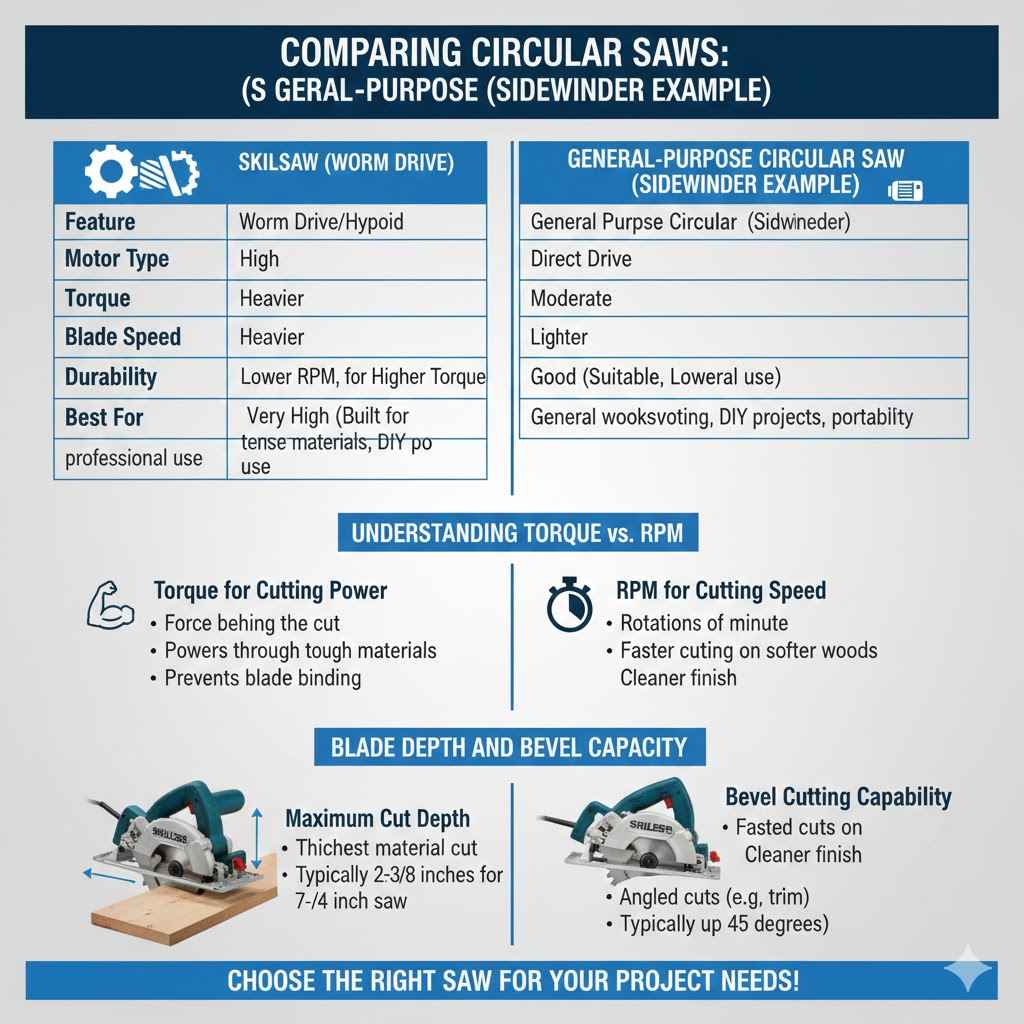
To help visualize the differences, let’s look at a comparison table. This table highlights some key aspects where Skilsaw’s signature models (often worm drive) might differ from a typical general-purpose circular saw (often sidewinder). This direct comparison can make the decision-making process much clearer.
| Feature | Skilsaw (Worm Drive Example) | General Purpose Circular Saw (Sidewinder Example) |
|---|---|---|
| Motor Type | Worm Drive/Hypoid | Direct Drive (Sidewinder) |
| Torque | High | Moderate |
| Weight | Heavier | Lighter |
| Blade Speed | Lower RPM, Higher Torque | Higher RPM, Lower Torque |
| Durability | Very High (Built for heavy use) | Good (Suitable for general use) |
| Best For | Heavy-duty cutting, dense materials, professional use | General woodworking, DIY projects, portability |
Understanding Torque vs. RPM
Torque and RPM (revolutions per minute) are two crucial measures of a saw’s performance. Torque is the rotational force, essentially how much “grunt” the saw has to push the blade through material. RPM is how fast the blade spins.
A worm drive saw like many Skilsaws prioritizes torque, meaning it has more power to push through resistance, even if its blade spins a bit slower. A sidewinder saw typically has a higher RPM, meaning the blade spins faster, which can lead to smoother cuts on softer materials but may struggle more with tough resistance.
Torque for Cutting Power
High torque is what allows a saw to power through tough materials without slowing down. When you’re cutting through thick hardwoods or multiple layers of lumber, sufficient torque is essential to prevent the blade from binding or stopping. This makes saws designed for high torque, like many Skilsaws, ideal for demanding cutting tasks.
It’s the force behind the cut.
RPM for Cutting Speed
Higher RPMs mean the blade rotates more quickly. This can lead to faster cutting on softer woods and can create a cleaner finish on some materials due to the speed of the cut. However, if the material is too dense, a high RPM saw might struggle to maintain its speed without sufficient torque behind it.
It’s a balance of speed and force.
Blade Depth and Bevel Capacity
Another area where saws can differ is their cutting capacity. This refers to the maximum depth of cut a saw can make at a 90-degree angle, and its ability to tilt for bevel cuts. Most standard circular saws can cut through a 2×4 (which is about 1.5 inches thick) easily.
Many have bevel capacities up to 45 or even 50 degrees. Skilsaw models, and other circular saws, will list these capacities in their specifications. Always check these details if you have specific depth or angle requirements for your projects.
Maximum Cut Depth
The maximum cut depth is the thickest material a saw can cut through with its blade set at a 90-degree angle. Most 7-1/4 inch circular saws can cut about 2-3/8 inches deep. Larger 8-1/4 inch or 10-inch saws can cut deeper.
This is important for projects involving thick lumber or multiple layers of material.
Bevel Cutting Capability
Bevel cuts are angled cuts, useful for tasks like installing trim or creating decorative edges. Most circular saws allow you to adjust the base plate to tilt the blade at an angle, typically up to 45 degrees. Some saws offer a greater range, allowing for even steeper bevels.
Check the saw’s specifications to see its maximum bevel angle if this is a feature you need.
Frequently Asked Questions
Question: Is Skilsaw just another name for a circular saw
Answer: Skilsaw is a brand name that makes circular saws, among other tools. So, while a Skilsaw is a type of circular saw, not all circular saws are made by Skilsaw.
Question: What is the main advantage of a worm drive saw
Answer: The main advantage of a worm drive saw, often found in Skilsaw models, is its high torque. This means it has more power to cut through tough materials without slowing down.
Question: Are Skilsaw saws good for beginners
Answer: Skilsaw offers various models. While their powerful worm drive saws might be a bit heavy for absolute beginners, their other models or lighter circular saws from different brands can be excellent for new users.
Question: Why do some people call all circular saws Skilsaws
Answer: This is common because Skilsaw was one of the first companies to make powerful, portable circular saws widely available. Their brand became very popular, and sometimes the brand name is used as a general term for the tool.
Question: Which type of circular saw is better for general home use
Answer: For general home use and DIY projects, a lighter, direct-drive (sidewinder) circular saw is often better due to its ease of handling and maneuverability.
Summary
Understanding the Skilsaw vs Circular Saw difference is simple. Skilsaw is a brand, and their saws are types of circular saws. Skilsaw is known for powerful, durable worm drive models, great for tough jobs.
Other brands offer excellent circular saws, often lighter sidewinder types, perfect for general DIY tasks. Choose based on your project needs: power and durability for Skilsaw’s specialty, or lighter handling for general use.