Are Teak Wood Utensils Safe? Yes, With Normal Care
Teak wood utensils are safe for everyday cooking — the wood itself contains natural oils and silica that resist bacteria, water, and staining without leaching anything into food. The exception: commercial “teak oil” sold for outdoor furniture contains varnish and mineral spirits and should never touch a cutting surface or spoon. This guide covers why teak is food-safe, which finishes to avoid, and how to condition utensils correctly.
Why Teak Wood is a Smart Choice for Kitchen Utensils
Best Conditioning Oil Pick
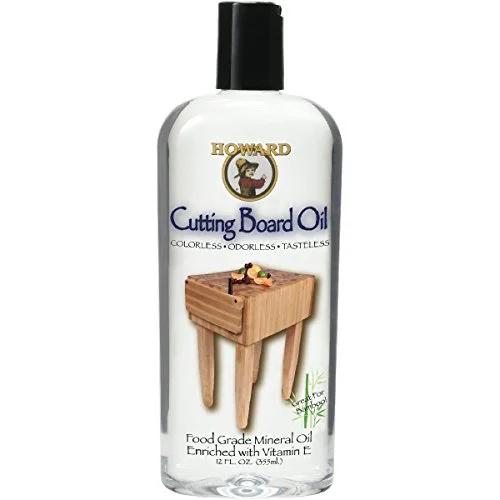 |
Howard Products Food Grade Mineral Oil, 12 oz – $9.97 This is the same type of oil the conditioning steps later in this guide call for — pure USP food-grade mineral oil with no additives, safe for direct food contact on teak spoons, spatulas, and cutting boards.
|
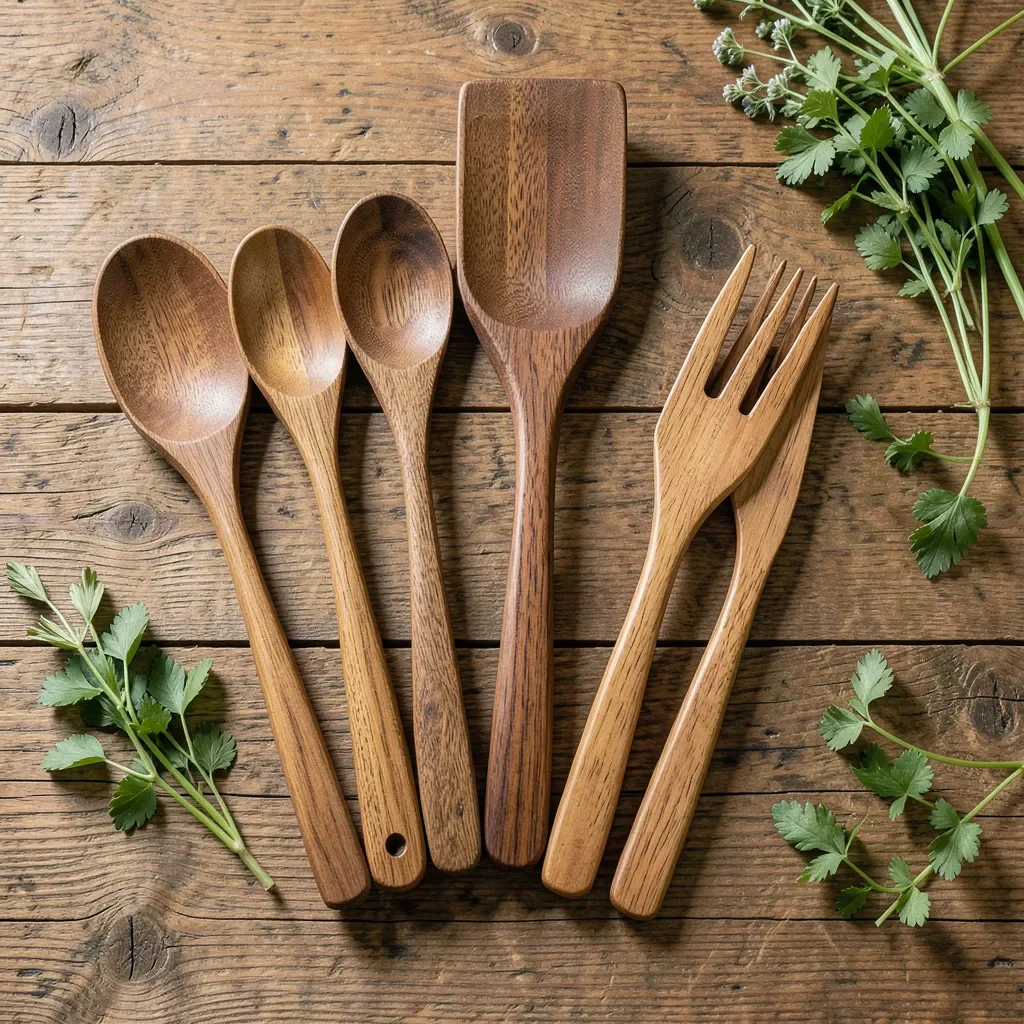
Teak wood has been a favorite for furniture and outdoor use for ages, and for good reason. It’s packed with natural oils and has a tight grain. These qualities are exactly what make it a superb material for kitchen utensils. Unlike many other woods, teak doesn’t easily absorb moisture or odors, and it’s tough enough to withstand daily chopping and stirring. This makes it a durable and hygienic option for everyday cooking.
When you’re in the kitchen, hygiene is super important. We’re talking about food preparation, so the materials we use really matter. Teak’s natural properties help it resist bacteria and mold growth. This means it’s less likely to harbor germs compared to some other materials. Plus, it’s gentle on your cookware, including those non-stick pots and pans you might have. You get all these benefits without having to worry about harmful chemicals leaching into your meals.
Understanding Teak Wood in the Kitchen
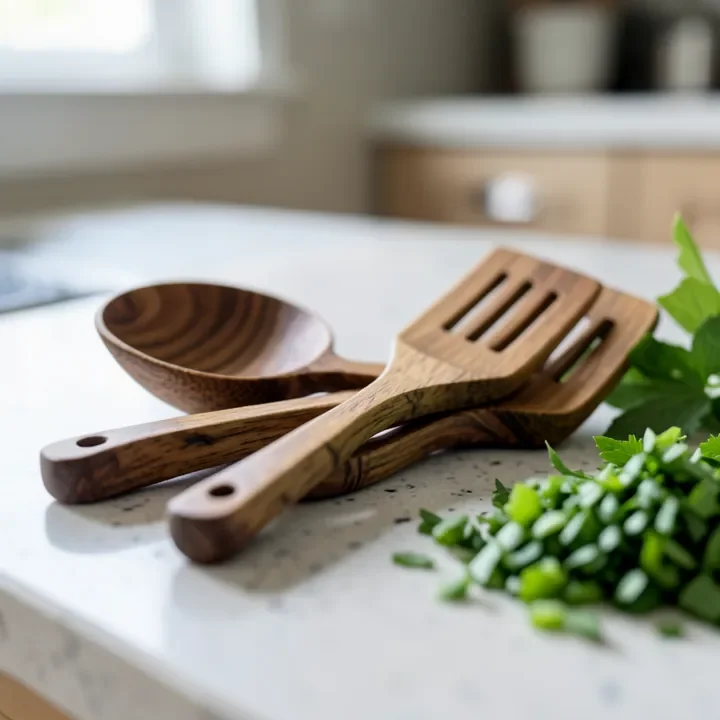
So, what exactly makes teak tick when it comes to kitchen use? It all comes down to its natural composition. Teak, scientifically known as Tectona grandis, is a hardwood that originates from South Asia. The magic lies in its high content of natural oils and silica. These elements aren’t just good for the tree; they’re incredibly beneficial for its use as kitchenware.
Natural Oils: Your Utensil’s Built-in Protection
Teak is naturally rich in oils. Think of these oils as a built-in sealant. They make the wood water-resistant, which is crucial in a kitchen environment where utensils are constantly exposed to moisture from washing and cooking. This water resistance also means teak is less prone to cracking, splitting, or warping over time. Less damage means less nooks and crannies where bacteria can hide.
These natural oils also contribute to teak’s anti-bacterial properties. The wood itself fights off bacteria, making it a more sanitary choice than many other wooden or even some synthetic materials. This is a huge plus for anyone concerned about food safety and hygiene in their kitchen.
📊 Teak measures roughly 1,000-1,070 lbf on the Janka hardness scale, well above softer utensil woods like pine (about 380-420 lbf) — a big part of why teak spoons and spatulas resist the surface dents and gouges that shorten the life of softer wooden utensils. Source: Janka hardness ratings, hardwood species comparison data.
Tight Grain Structure: A Barrier Against Bacteria and Stains
Take a close look at a piece of teak wood. You’ll notice its grain is very fine and tight. This close-knit structure is a fantastic barrier. It means that liquids, food particles, and odors have a harder time penetrating the wood. This is why teak utensils are less likely to absorb strong smells from garlic or curry, and they resist staining from tomato sauces or berries.
A tight grain also means a smoother surface. Smoother surfaces are easier to clean and less likely to snag food debris. When you wash your teak utensils, food washes off more easily, and there are fewer places for bacteria to take up residence. This makes maintenance simple and effective.
Safety Aspects of Teak Wood Utensils
When we talk about safety, we’re usually thinking about two main things: material safety (is the material itself non-toxic?) and hygienic safety (does it harbor germs?). Teak scores well on both fronts. As a natural, untreated wood (when properly finished), it doesn’t contain any of the harmful chemicals that can be found in some plastics or treated materials.
Non-Toxic and Food-Safe Properties
Teak wood, in its natural state, is considered non-toxic. It doesn’t contain any inherent toxins that would leach into food. When manufacturers make teak utensils, they typically use food-safe finishes, if any at all. Often, they are left unfinished or treated with natural oils like mineral oil or beeswax. These are the same kinds of products you might use to condition cutting boards!
This lack of harmful chemicals means you can confidently use teak utensils for stirring, serving, and even light mixing without worrying about absorbing unwanted substances into your meals. This is a significant advantage over some plastic utensils that can degrade over time and release microplastics or chemical compounds.
The Wood Is Safe — But “Teak Oil” the Finish Is Not
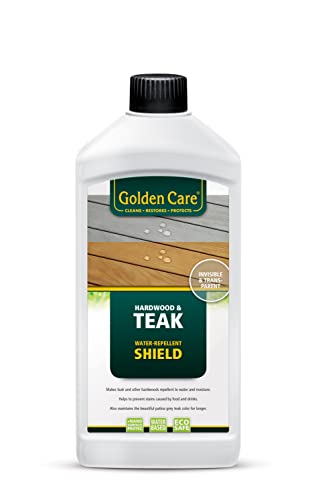
This is the single most misunderstood point about teak safety, and it’s worth being direct about: raw teak wood is food-safe, but bottled “teak oil” sold in the furniture aisle is not. Commercial teak oil is not actually pure oil from the tree — it’s a blended finish product that typically contains varnish, mineral spirits, and sometimes turpentine to help it cure faster on outdoor furniture. Those solvents are meant for patio chairs and doors, not spoons that go in your mouth.
The name is the trap — “teak oil” sounds like it should be safe for anything made of teak, including a teak spoon, but the label refers to the intended wood species, not the ingredients’ safety for food contact. If a teak utensil needs re-oiling, reach for plain food-grade mineral oil or a mineral oil and beeswax conditioning paste instead — never a can labeled “teak oil,” “Danish oil,” or “tung oil finish” from the furniture section.
Resistance to Bacteria and Mold
As mentioned, teak’s natural oils and tight grain make it inherently resistant to bacteria and mold. This is a much-welcomed feature in any kitchen tool. While no material is completely impervious to bacteria, teak requires less rigorous microbe control compared to softer, more porous woods. Regular cleaning and occasional oiling help maintain this resistance.
It’s natural to wonder if wood can truly be hygienic. Research into wood as an antimicrobial surface has shown promising results. For instance, studies have indicated that certain wood species can actively inhibit bacterial growth. While ongoing research is always beneficial, the established use of teak in food-related applications for centuries speaks volumes about its inherent safety and hygienic qualities.
Potential Concerns and How to Address Them
While teak wood is fantastic, like any material, it’s not without its potential quirks. Understanding these allows us to use and care for our teak utensils optimally. The key is understanding how to maintain them.
The Myth of Splinters
A common worry with wooden utensils is splinters. High-quality teak utensils, especially those with a fine, tight grain and smooth finish, are very unlikely to produce splinters. The manufacturing process for good teak kitchenware involves careful sanding and finishing. If you do encounter a tiny splinter, it’s usually a sign of wear or damage, which can be addressed.
To prevent splinters and maintain a smooth surface, regular conditioning with a food-safe mineral oil is recommended. This keeps the wood hydrated and helps seal the grain. If a small splinter does appear, you can often gently sand it down with very fine-grit sandpaper (like 220-grit or higher) and then re-oil the area.
Color and Grain Changes
Teak wood will naturally change color over time. When new, it often has a warm, golden-brown hue. With exposure to sunlight and air, it can deepen to a richer, darker brown. This is a natural aging process and not a sign of spoilage or safety issues. Some people even prefer the deepened color!
The grain pattern is also unique to each piece. Minor variations are normal and part of the charm of natural wood. If you notice significant grain raising or warping, it might be due to improper drying or exposure to extreme temperature changes and moisture levels.
How to Care for Your Teak Wood Utensils
Proper care is essential for ensuring your teak wood utensils remain safe, beautiful, and functional for years. It’s not difficult at all! Just a few simple practices will make a world of difference.
Cleaning Your Teak Utensils
Here’s the golden rule: Never put teak wood utensils in the dishwasher. The intense heat, prolonged exposure to water, and harsh detergents can strip the natural oils, cause the wood to dry out, crack, or warp.
Instead, the best way to clean them is by hand:
- Wash them immediately after use with warm water and a mild dish soap.
- Use a sponge or soft cloth to gently scrub. Avoid abrasive scrubbers that could scratch the wood.
- Rinse them thoroughly under running water.
- Crucially, dry them immediately with a clean towel. Don’t let them air dry in a damp environment like a sink caddy.
Maintaining and Conditioning
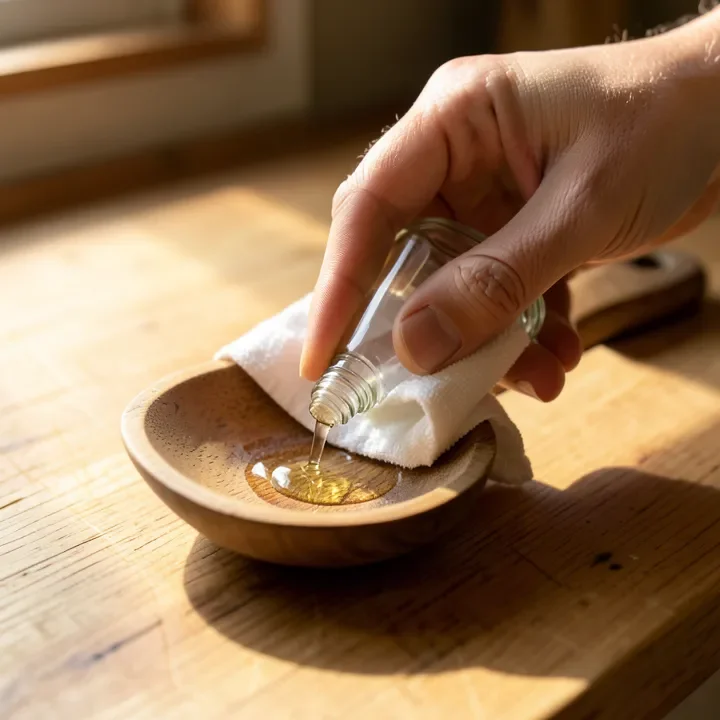
To keep your teak utensils looking their best and to enhance their durability and water resistance, regular conditioning is key. This process replenishes the natural oils that washing can remove.
What you’ll need:
- Food-grade mineral oil (available at most drugstores or hardware stores). Avoid vegetable oils like olive oil or canola oil, as they can become rancid over time — and never use bottled “teak oil,” which contains varnish and mineral spirits meant for furniture, not food contact.
- A clean, soft cloth.
Steps for conditioning:
- Ensure your utensils are clean and completely dry.
- Pour a small amount of mineral oil onto the clean cloth.
- Rub the oil all over the utensil, covering every surface.
- Let the oil soak into the wood for at least 15-30 minutes, or even better, overnight.
- Wipe off any excess oil with a clean part of the cloth.
How often should you do this? It depends on how often you use them and wash them. A good rule of thumb is to condition them about once a month, or whenever they start to look dry or feel rough.
Teak Wood Utensils vs. Other Materials
It’s helpful to see how teak stacks up against other common kitchen utensil materials. Each has its pros and cons, but teak often strikes a great balance.
Here’s a quick comparison:
| Material | Pros | Cons | Safety Notes |
|---|---|---|---|
| Teak Wood | Naturally antibacterial, water-resistant, durable, gentle on cookware, aesthetic appeal, non-toxic. | Requires hand washing and conditioning, can be more expensive than plastic, color can change over time. | Very safe when properly cared for. Natural oils and tight grain are hygienic. |
| Bamboo | Sustainable, lightweight, relatively inexpensive, aesthetically pleasing, hard surface. | Can be more prone to cracking and splitting than teak, can absorb odors and stains if not sealed, not as durable long-term as teak. | Generally safe; look for food-grade finishes. |
| Stainless Steel | Extremely durable, non-porous, easy to clean, heat resistant, no staining or odor absorption. | Can be harsh on non-stick cookware, can conduct heat (handles can get hot), can be noisy to use. | Very safe; inert material. |
| Silicone | Heat resistant, flexible, non-stick, easy to clean, available in many colors, gentle on cookware. | Can sometimes stain or retain odors, some concerns about chemical leaching from lower-quality silicone (look for food-grade certifications). | Generally safe, but choose reputable brands with food-grade certifications (e.g., FDA-approved). |
| Plastic (various types) | Inexpensive, lightweight, wide variety of shapes and colors. | Can scratch and harbor bacteria, potential for chemical leaching (especially when heated or scratched), not as durable. | Varies widely. Use BPA-free, food-grade plastics. Avoid if scratched or damaged. |
As you can see, teak offers a fantastic blend of natural safety, durability, and aesthetic appeal. While stainless steel is very safe and durable, it lacks the warmth and cookware-friendly nature of wood. Silicone is a good option, but quality can vary. Bamboo is eco-friendly but might not last as long as teak.
Choosing Quality Teak Utensils
Not all teak utensils are created equal. To ensure you’re getting a safe and durable product, keep these tips in mind:
- Look for solid teak: Avoid utensils made from veneer or composite wood materials if you want the full benefits of solid teak.
- Check the finish: Opt for utensils that are either unfinished or finished with food-safe oils or waxes. Avoid glossy, paint-like finishes unless their safety is clearly stated, and never one labeled simply “teak oil.”
- Inspect the craftsmanship: The utensil should feel smooth, well-balanced, and free of rough spots or sharp edges. The grain should be tight and consistent.
- Consider reputable brands: Brands known for quality kitchenware are often a safer bet.
Want to compare teak against another popular utensil wood side by side? See our teak vs. olive wood utensils comparison for a full breakdown, or check how to care for wood spoons for care tips that apply across wood types.
Frequently Asked Questions (FAQ)
Here are some common questions beginners have about teak wood utensils:
Are teak wood utensils safe for everyday cooking?
Yes, teak wood utensils are very safe for everyday cooking due to their natural resistance to bacteria, water, and stains. Their tight grain and natural oils create a hygienic surface. Always ensure they are properly cared for.
Can teak wood utensils scratch my non-stick pans?
No, teak wood utensils are generally soft enough not to scratch or damage non-stick coatings on cookware. This is one of their major advantages over metal utensils.
Do teak wood utensils absorb odors and flavors?
Teak wood’s tight grain significantly resists absorbing odors and flavors compared to many other wood types. While not completely impossible, it’s much less likely to retain strong smells from foods like garlic or curry.
How often should I oil my teak wood utensils?
It’s a good idea to oil your teak wood utensils about once a month, or whenever they begin to look dry or feel rough. More frequent use and washing will necessitate more frequent oiling.
Can I use bleach or harsh cleaners on teak wood utensils?
Absolutely not. Harsh cleaners, bleach, and abrasive scrubbers can damage the wood, strip its natural oils, and make it more susceptible to bacteria and drying out. Stick to mild soap and water.
What’s the difference between teak and bamboo utensils?
Teak is a dense hardwood with high natural oil content, making it inherently water-resistant and durable. Bamboo is technically a grass, is lightweight, and grows very quickly, making it a sustainable choice. However, bamboo can be more prone to drying, cracking, and absorbing moisture or stains than teak if not properly sealed.
When should I replace my teak wood utensils?
You should consider replacing your teak wood utensils if they become deeply cracked, splintered significantly, or develop an unpleasant odor that cannot be removed. Minor wear and tear can often be sanded and oiled to extend their life.
Conclusion
So, are teak wood utensils safe? The answer is a resounding yes! As we’ve explored, teak’s natural properties — its inherent oils and tight grain — make it a hygienic, durable, and safe choice for any kitchen. They are non-toxic, resistant to bacteria and staining, and gentle on your cookware. Just remember the one exception worth remembering: keep bottled “teak oil” for outdoor furniture, and condition utensils with food-grade mineral oil instead.
Sponsored / affiliate links. As an Amazon Associate I earn from qualifying purchases. I may earn additional commission from eligible campaigns.