Can You Match Wood Furniture of Different Colors? Yes, Follow the Rule of Three
Yes, you can match wood furniture of different colors in the same room – the pieces just need a rule to follow instead of a lucky guess. The rooms that feel “off” almost never fail because two wood tones are technically different; they fail because there is no dominant tone and no repeated color tying the pieces together. Below is the rule of three for how many wood tones to use, how to tell if two tones actually clash (it is rarely just light vs. dark), and where to place pieces so the mix reads as designed rather than accidental.
Yes, You Can Mix Wood Colors – Follow the Rule of Three
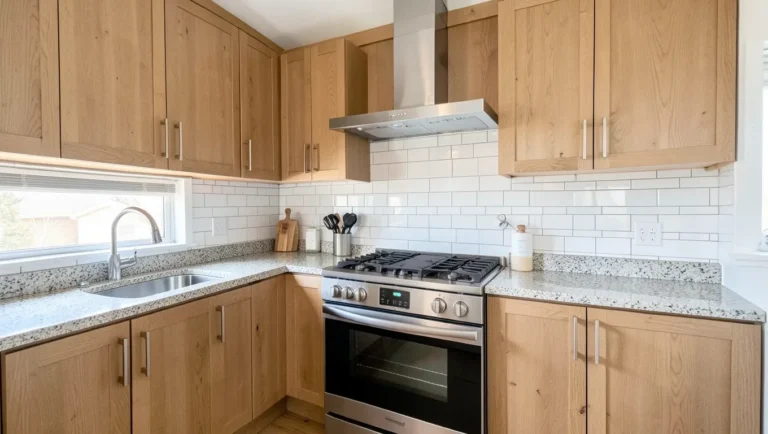
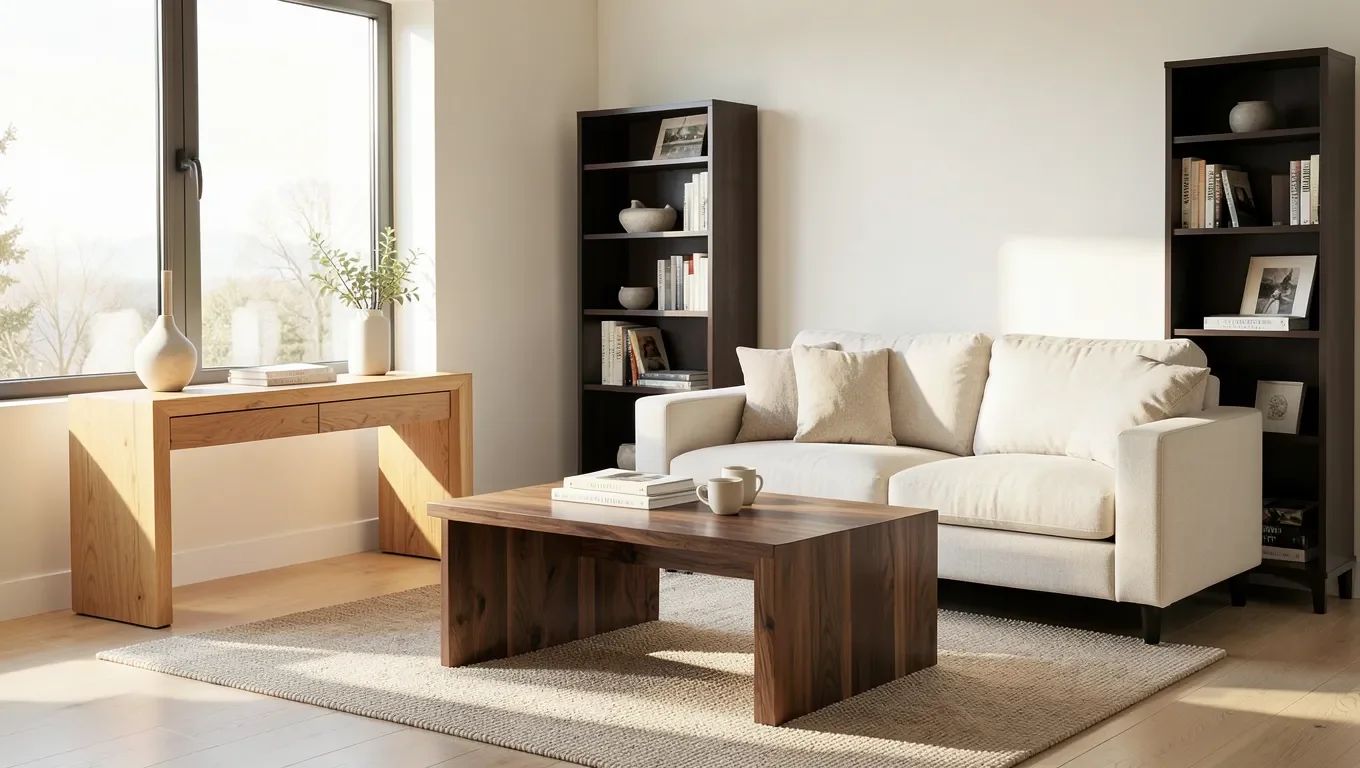
The rule: use no more than three distinct wood tones in a single room, and repeat each one at least twice. A single dark walnut chair alone in a room full of light oak reads as a mistake; the same dark walnut chair paired with a walnut picture frame or a walnut-legged side table reads as a choice. Four or more unrepeated tones is what actually causes the “clashing” feeling people blame on the colors themselves – it is almost always a repetition problem, not a color problem.
Best for Matching Any Wood Tone Fast
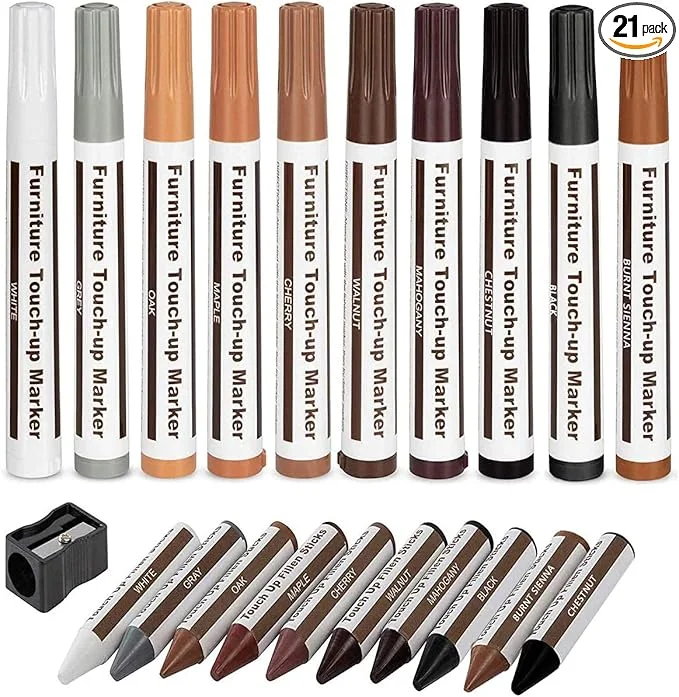 |
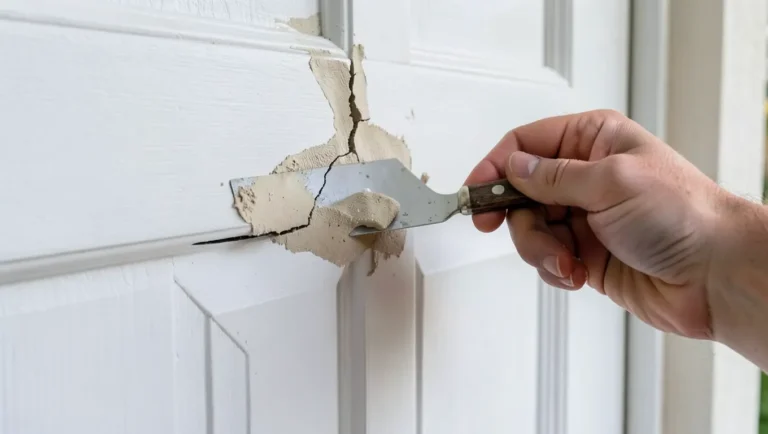
DAIXISM 21-Piece Furniture Touch-Up Marker & Wax Stick Kit – $9.99 When you are rearranging pieces to test a new wood-tone pairing, scuffs and nicks show up on whichever piece just moved – this kit covers 10 shades from white and oak to walnut and black so you are not stuck matching every tone to one generic brown marker.
|
Why Three Tones (Not Two, Not Five)
Two tones is the safest option and always works, but a room limited to exactly two wood colors can start to feel flat once you own more than a handful of furniture pieces. Three tones gives you room to add a rug, a picture frame, or a new side table later without breaking the rule – you are just repeating one of your three existing tones. Past three, your eye stops being able to tell which tone is supposed to be dominant, and the room starts to look like it was furnished over several unrelated shopping trips instead of one plan.
Check Undertone Before You Blame the Color
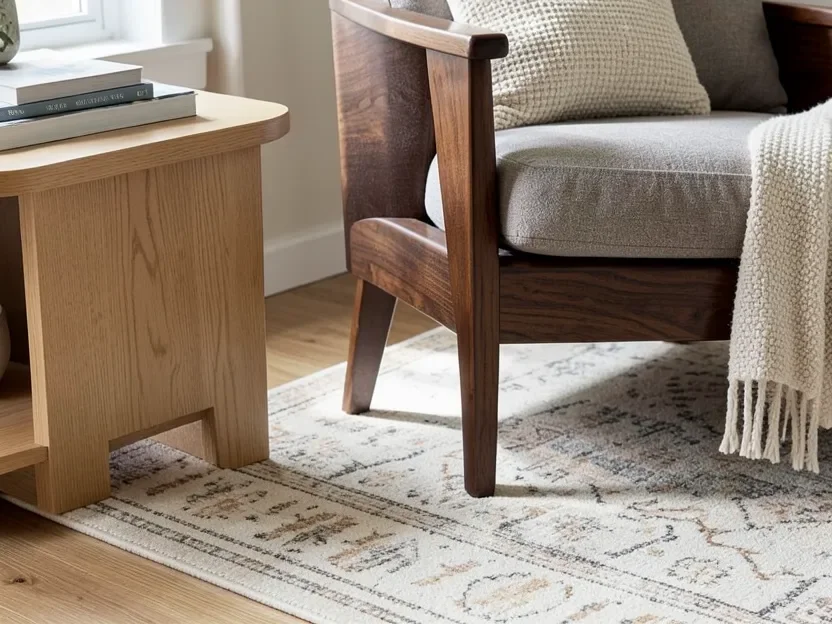
Most “clashing” wood is not actually a light-versus-dark problem – it is an undertone problem. Wood with a yellow or orange undertone (most pine, most oak) sitting next to wood with a pink or gray undertone (some cherry, some gray-washed finishes) can clash even when both pieces are a similar medium-brown value. Set the two pieces next to each other in daylight, away from a tinted window or a colored wall, and look at which direction each one leans. If they lean the same direction, they will almost always read as compatible no matter how different their overall color is.
Zone by Weight: Keep Dark Wood Low, Light Wood High
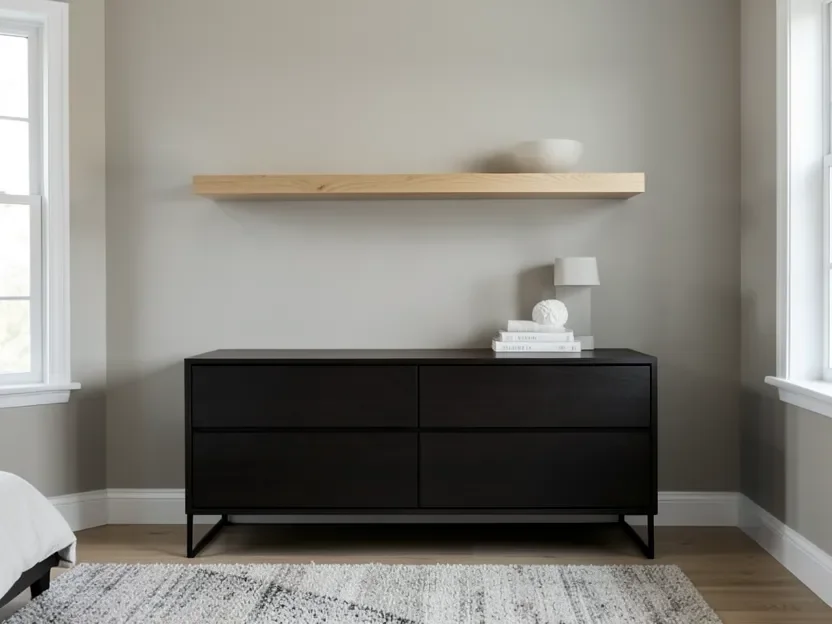
Dark wood visually reads as heavier than light wood, even at the exact same size, so a room balances better when the darkest pieces stay near the floor – a dresser, a coffee table, a bed frame – and the lightest pieces sit higher up, like open shelving, a mirror frame, or a headboard. Reverse that layout (a dark bookshelf towering over a light side table) and the room can feel top-heavy even if the wood tones themselves would otherwise pair fine. This is a placement fix, not a shopping fix – it often solves a “clashing” complaint without buying anything new.
Bridge the Tones With Textiles and Hardware
A neutral rug, a set of throw pillows, or curtains that repeat a shared color are the fastest way to visually connect two different wood tones once your dominant tone is set. Pick a rug or textile that contains both a warm shade and a cool shade if your wood tones’ undertones do not match – it gives the eye a reason to accept both pieces at once instead of comparing them directly. Matching hardware (all matte black, or all brushed brass) across your different wood pieces works the same way at a smaller scale, especially if the pieces are also different furniture styles.
Common Mistakes That Make Mixed Wood Look Messy
Three mistakes account for most “my mixed wood furniture looks bad” complaints, and none of them require replacing furniture to fix.
No Dominant Tone
A room split close to evenly between two or three wood tones, with none of them clearly leading, reads as unplanned. Pick one tone to cover roughly 60% of the visible wood – usually whatever is largest, like the floor or the bed – and let the others act as accents.
Ignoring Scale
A large dark piece next to a small light piece of very different scale looks unbalanced regardless of undertone, because the size difference is what the eye notices first. Keep your largest pieces in your dominant tone and save the accent tones for smaller furniture.
Changing Wood Tone and Furniture Style at the Same Time
Introducing a new wood color in a completely different furniture style (an ornate traditional piece next to a sleek modern one) doubles the visual jump. If you are bringing in a new tone, match it to a style that is already in the room and save style changes for later.
Frequently Asked Questions
Is it okay to have different color wood furniture?
Answer: Yes. Different-colored wood furniture is standard in professional interior design as long as one tone is clearly dominant and each tone repeats at least once elsewhere in the room. Problems come from having no dominant tone or from using too many unrepeated tones at once, not from mixing colors itself.
Does all wood furniture need to match?
Answer: No. A room where every wood piece is an identical stain color can actually look flatter and less curated than one with two or three intentionally paired tones. What matters is a consistent ratio and repetition, not an exact color match across every piece.
How many different wood tones is too many in one room?
Answer: More than three unrepeated wood tones is where most rooms start to look chaotic instead of curated. Stick to two or three tones and repeat each one at least twice through smaller pieces, frames, or accessories so no single tone reads as a one-off mistake.
What’s the fastest fix if two wood tones are clashing?
Answer: Check undertone first with the daylight test above – a lot of “clashing” is a warm-versus-cool mismatch, not a light-versus-dark one. If the undertones do match and it still looks off, add a neutral rug or textile that repeats a shared color between the two pieces before assuming you need to replace either one.
Which wood tones naturally complement each other?
Answer: Tones that share an undertone pair most easily – warm oak with warm cherry or mahogany, or cool gray-washed woods with cool walnut. If you specifically want to pair oak with walnut, the undertone gap between them is usually small enough to bridge with a neutral rug or matching hardware; see our full oak and walnut furniture pairing guide for room-by-room ratios specific to that combination.
Conclusion
Mixed-wood furniture works when one tone leads, the others repeat, and undertone – not just light versus dark – is actually what you are matching. Apply the rule of three, zone dark pieces low and light pieces high, and use a shared rug or textile color to bridge any undertone gap. If you are working specifically with oak and walnut, our dedicated oak-and-walnut guide covers that pairing in more detail, including a room-by-room breakdown.
Sponsored / affiliate links. As an Amazon Associate I earn from qualifying purchases. I may earn additional commission from eligible campaigns.