What Cedar Trees Grow in Florida: Essential Guide
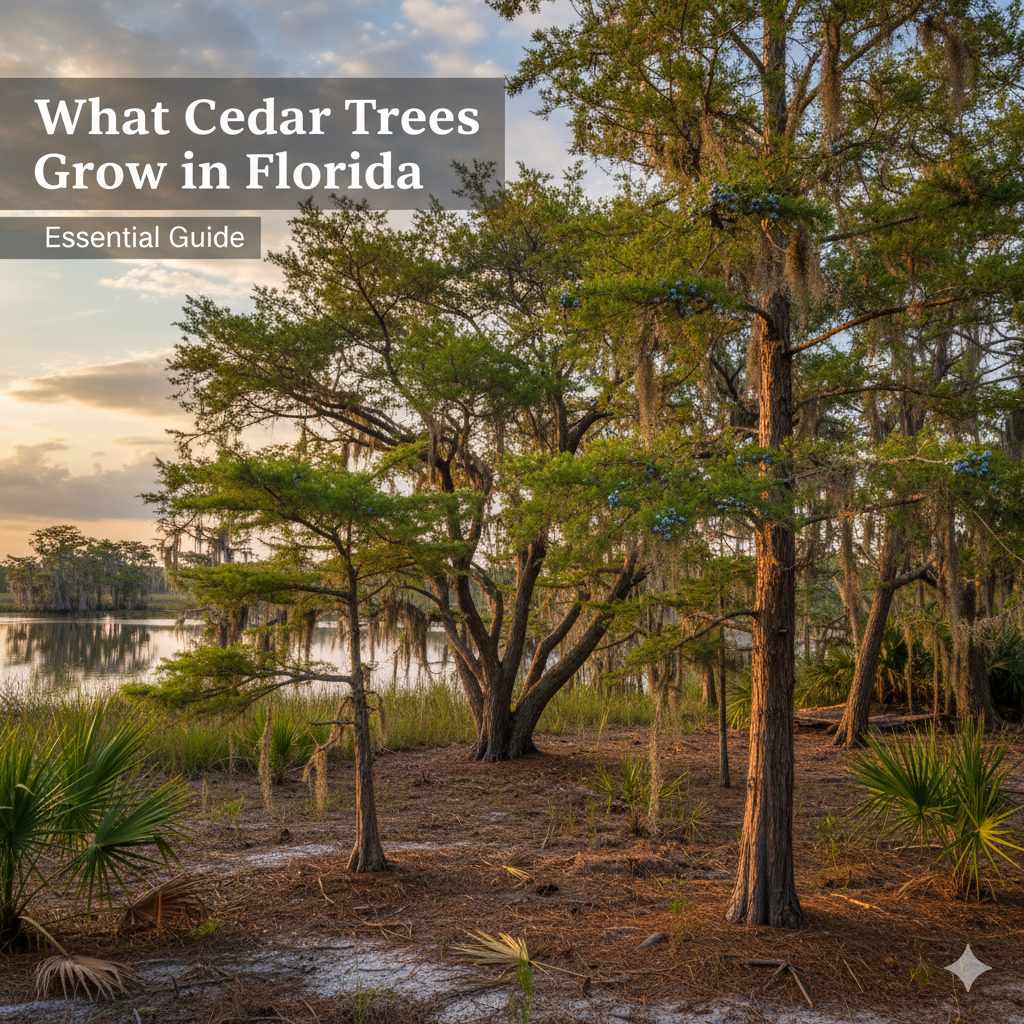
Florida is home to several beautiful cedar species, primarily Eastern Red Cedar and Southern Red Cedar, which are adaptable, attractive evergreen trees. They thrive in various Florida soils and climates, offering natural beauty and valuable wood for DIY projects.
Finding the right trees to add to your Florida landscape can be exciting, especially when you consider their potential for woodworking! Many homeowners wonder, “What cedar trees grow in Florida?” It’s a great question because cedar trees are known for their lovely fragrance, attractive foliage, and durable wood. For those of us who love a good DIY project or want to add natural beauty to our yards, understanding which cedars flourish here is key. Don’t worry, we’ll break down the best cedar options for Florida, making it easy for you to choose and even think about the woodworking possibilities down the road. Let’s discover which cedars call Florida home!
Why Choose Cedar Trees for Your Florida Home?
Cedar trees, in general, are fantastic additions to any property, and Florida is no exception. They offer a unique blend of aesthetic appeal, environmental benefits, and practical uses. For DIY enthusiasts and homeowners alike, understanding these benefits can solidify the decision to plant a cedar.
Aesthetic Appeal and Fragrance
One of the most immediate draws of cedar trees is their appearance. They are typically evergreen, meaning they provide color and structure to your landscape year-round, a significant asset in Florida’s often lush, green environment. Their characteristic conical or columnar shapes can add vertical interest, breaking up flat horizons. Beyond their visual appeal, cedars are beloved for their distinct, pleasant aroma. This natural fragrance is released when the needles or wood are disturbed, offering a fresh, clean scent that can make your yard feel like a serene getaway, especially refreshing in Florida’s humid climate.
Natural Durability and Pest Resistance
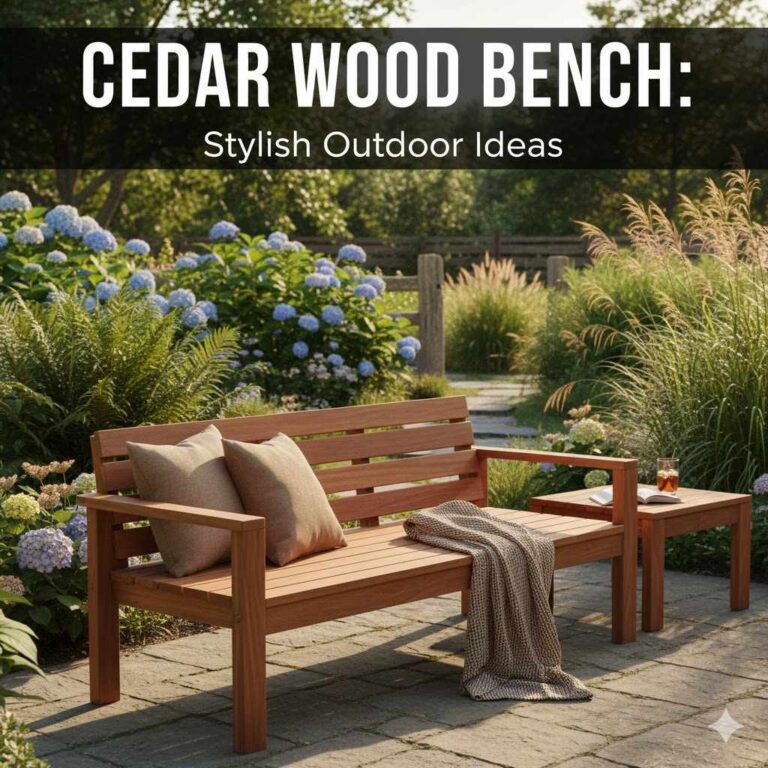
Cedar wood is famous for its natural oils, which make it highly resistant to rot, decay, and insect infestation. This is a huge advantage, especially in Florida’s warm, moist environment where pests and fungal growth can be a concern for many plants and wood structures. This inherent durability means that cedar trees, and the wood they provide, are long-lasting and require less maintenance than many other tree or wood types. This translates to fewer worries about termites or rot in any future woodworking projects you might envision, from garden benches to outdoor furniture.
Environmental Benefits
Like all trees, cedars play a vital role in the environment. They help improve air quality by absorbing carbon dioxide and releasing oxygen. Their root systems can help prevent soil erosion, and they provide valuable habitat and food for various wildlife, including birds and small mammals. Their presence can contribute to a healthier, more biodiverse local ecosystem, which is something we can all feel good about.
The Star Cedar Players in Florida
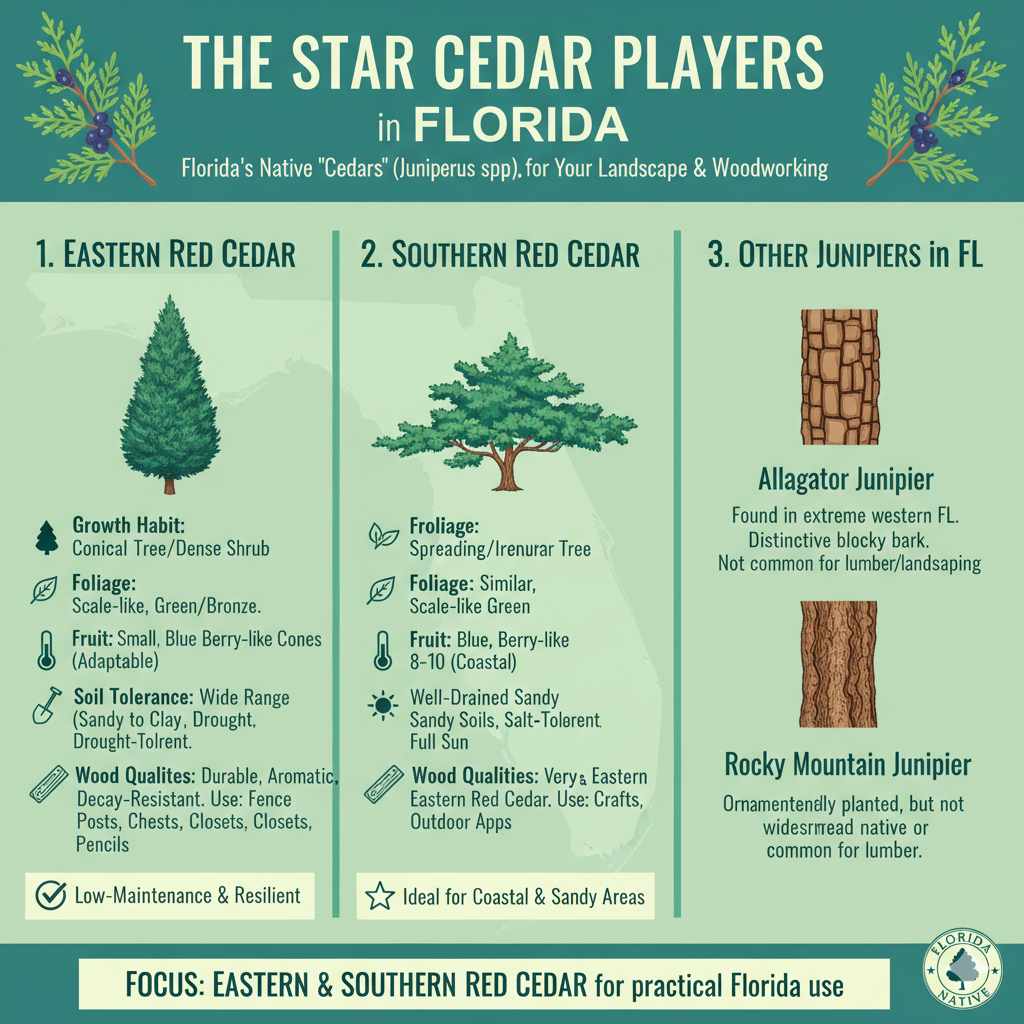
When we talk about “cedar” in Florida, we’re usually referring to species within the Juniper family (genus Juniperus), rather than true cedars from the Cedrus genus (like the Cedar of Lebanon). These junipers are often called “cedars” because their wood shares many desirable qualities with true cedars, like durability and a pleasant scent. Fortunately, Florida’s diverse climate supports a few key species that are perfect for planting.
1. Eastern Red Cedar (Juniperus virginiana)
This is arguably the most common and adaptable “cedar” found across Florida. While it’s native to the eastern United States, it grows very well throughout the Sunshine State, from the Panhandle down to the southern peninsula, given it’s planted appropriately.
- Growth Habit: Typically grows as a small to medium-sized evergreen tree, often with a narrow, conical shape. It can also grow as a dense shrub.
- Foliage: Features scale-like or awl-shaped leaves that are typically green, sometimes with a reddish-bronze tinge in winter.
- Fruit: Produces small, berry-like cones (often bluish) that are attractive to birds.
- Hardiness Zones: Extremely adaptable, growing well in Florida’s hardiness zones (8-10).
- Soil Tolerance: Remarkably tolerant of a wide range of soil conditions, from sandy to clay, and can handle alkaline soils, which are common in parts of Florida. Established trees are quite drought-tolerant.
- Sunlight Needs: Prefers full sun for best growth and development.
- Wood Qualities: The wood is durable, aromatic, and resistant to decay, making it ideal for fence posts, chests, closets (the traditional “cedar closet” to deter moths), and small woodworking projects. It’s also used for pencil manufacturing.
Eastern Red Cedar is a fantastic choice for its resilience and versatility. It’s a tree that asks for very little once established, making it a low-maintenance option for busy homeowners. For those interested in woodworking, it’s a readily available source of aromatic, pest-resistant lumber.
2. Southern Red Cedar (Juniperus silicicola)
Often considered a variety or close relative of Eastern Red Cedar, Juniperus silicicola is particularly well-adapted to the sandy, coastal regions of Florida, especially in the northern and central parts of the state.
- Growth Habit: Usually grows into a medium-sized evergreen tree with a more spreading or irregular form compared to the typically upright Eastern Red Cedar.
- Foliage: Similar to Eastern Red Cedar, with scale-like leaves that are green.
- Fruit: Also produces blue, berry-like cones.
- Hardiness Zones: Thrives in Florida’s zones 8-10, particularly in coastal areas.
- Soil Tolerance: Excels in well-drained, sandy soils, making it perfect for coastal landscapes or areas with sandy loam. It has good salt tolerance.
- Sunlight Needs: Full sun is ideal.
- Wood Qualities: The wood is very similar to Eastern Red Cedar – aromatic, rot-resistant, and good for crafts and outdoor applications.
If you live near the coast or have predominantly sandy soil, Southern Red Cedar is likely an even better fit than Eastern Red Cedar. Its adaptation to these specific conditions makes it a naturally thriving choice that will bring that classic cedar appeal to your property with minimal struggle.
3. Other Junipers in Florida (Less Common for Traditional “Cedar” Use)
While Eastern and Southern Red Cedar are the primary species people associate with “cedar” in Florida, the state also hosts other juniper species, though they are less commonly cultivated or used for lumber in the same way:
- Alligator Juniper (Juniperus pachyphloea): This species is found in extreme western Florida and is more common in Arizona and New Mexico. Its distinctive, blocky bark gives it its name. It’s a large tree but not typically considered a standard landscaping or woodworking “cedar” in Florida.
- Rocky Mountain Juniper (Juniperus scopulorum): While native to western North America, it has been planted ornamentally in parts of Florida. However, it’s not a widespread native or commonly used species for lumber.
For the purposes of this guide, our focus remains on the readily available and highly suitable Eastern Red Cedar and Southern Red Cedar for both landscaping and potential DIY use.
Where to Plant Cedar Trees in Florida
Choosing the right location is crucial for your cedar tree to thrive. Luckily, the cedars that grow well in Florida are quite forgiving, but a little planning goes a long way.
Sunlight Requirements
Most junipers, including Eastern and Southern Red Cedar, absolutely love the sun. They perform best and reach their full potential when planted in a location that receives at least six hours of direct sunlight per day. With ample sunlight, your tree will grow denser, healthier, and more robust.
Soil Preferences
As mentioned, both Eastern and Southern Red Cedars are remarkably adaptable to different soil types, which is a big reason for their success in Florida.
- Eastern Red Cedar: Tolerates a wide range, including clay, loam, and even poor, compacted soils. It can also handle slightly acidic to alkaline conditions.
- Southern Red Cedar: Particularly thrives in well-drained sandy soils, common in coastal areas.
The key for both is good drainage. Cedar trees do not like “wet feet,” meaning they dislike sitting in waterlogged soil for extended periods, as this can lead to root rot. If you have heavy clay soil that retains a lot of water, consider amending the planting area with compost or organic matter to improve drainage, or plant on a slight mound.
Space Considerations
Cedar trees can grow quite large over time. Eastern Red Cedar typically reaches heights of 40-50 feet with a spread of 8-20 feet, while Southern Red Cedar can be even wider. Before planting juvenile trees, consider their mature size:
- Ensure there’s enough space for the crown to spread without interfering with buildings, power lines, or other large trees.
- Give them adequate room from walkways or patios if falling cones or shedding needles might be a concern.
- For woodworking enthusiasts, think about potential future access to fallen branches or even the possibility of planting a tree for future harvesting (with proper land management and permits, of course!).
It’s always a good idea to check resources like the UF/IFAS Extension for specific planting advice tailored to your Florida region.
Planting and Caring for Your Florida Cedar
Planting a tree can feel like a big step, but with cedars, it’s quite manageable. Once established, they are relatively low-maintenance.
Best Time to Plant
The ideal time to plant any tree in Florida, including cedars, is during the cooler, wetter months. This typically means fall (October to December) or late winter/early spring (January to March). Planting during this period allows the tree’s root system to establish itself during the dormant season, minimizing transplant shock and giving it a strong start before the heat and drought of summer arrive.
Planting Steps
- Dig the Hole: Dig a hole that is two to three times wider than the tree’s root ball and just as deep. It’s crucial not to plant the tree too deep; the top of the root ball should be level with or slightly higher than the surrounding soil.
- Prepare the Tree: Gently remove the tree from its container. If the roots are tightly circled (root-bound), carefully loosen them, or make a few vertical cuts with a clean knife to encourage outward growth.
- Place the Tree: Set the tree in the center of the hole, ensuring it’s straight.
- Backfill: Fill the hole with the original soil. Do not add amendments directly into the planting hole unless your soil is extremely poor, as this can create a “pot effect” that discourages roots from growing out into the native soil.
- Water Thoroughly: Water the tree deeply immediately after planting to settle the soil and remove air pockets.
- Mulch: Apply a 2-3 inch layer of organic mulch (like pine bark or pine straw) around the base of the tree, keeping it a few inches away from the trunk. Mulch helps retain moisture, suppress weeds, and regulate soil temperature.
Watering and Fertilizing
Watering: In the first year after planting, water your cedar regularly, especially during dry spells. Allow the soil to dry slightly between waterings. Once established, cedar trees are quite drought-tolerant and typically only need supplemental watering during prolonged dry periods.
Fertilizing: Cedars generally don’t require heavy fertilization. If your soil is poor, you can apply a balanced, slow-release evergreen fertilizer in early spring. However, often, healthy soil and adequate sunlight are all they need. Over-fertilizing can sometimes lead to faster, weaker growth.
Pruning
Cedars require minimal pruning. You can lightly prune to:
- Remove dead, damaged, or crossing branches.
- Shape the tree if a specific form is desired, though they naturally grow into attractive shapes.
- Improve air circulation within the canopy.
Always use clean, sharp pruning tools. The best time to prune is usually in late winter or early spring, before new growth begins.
Woodworking Potential: What to Do with Cedar
For us woodworking enthusiasts, the beauty of growing cedars in Florida isn’t just in their ornamental value; it’s in the wood itself. While you might not be felling mature trees from your backyard anytime soon (and for good reason – they’re valuable!), understanding the wood characteristics is part of the fun.
Properties of Cedar Wood
The wood from both Eastern Red Cedar and Southern Red Cedar is prized for:
- Aroma: That distinct, pleasant scent is a natural moth repellent, making it perfect for chests, closets, and drawers.
- Lightweight: It’s relatively light yet strong.
- Stability: It doesn’t warp or shrink much as humidity changes.
- Durability: Its natural oils make it highly resistant to rot and decay, excellent for outdoor projects.
- Workability: It’s easy to cut, shape, and finish, making it very beginner-friendly for woodworking.
You can often find cedar fencing boards, lumber scraps, or even fallen branches from established trees that can be repurposed.
Beginner-Friendly Projects with Cedar
If you get your hands on some cedar wood locally, here are a few project ideas that are perfect for beginners:
- Cedar Planters: Easy to build, durable for outdoor use, and smell wonderful.
- Birdhouses: Lightweight and naturally resistant to weather and pests.
- Cutting Boards or Serving Trays: Clean up well and look beautiful, though ensure you’re using food-safe finishes if intended for direct food contact.
- Cedar Scented Drawer/Closet Liners: Cut thin strips to place in drawers or closets.
- Small Decorative Boxes: Ideal for jewelry or keepsakes.
When working with cedar, especially if you acquire it from unconventional sources, always ensure it’s dry and free from pests. Sanding it can release a lot of fragrant dust, so wearing a dust mask is a good idea. For more safety tips on woodworking, the Woodworking Trade offers a great guide.
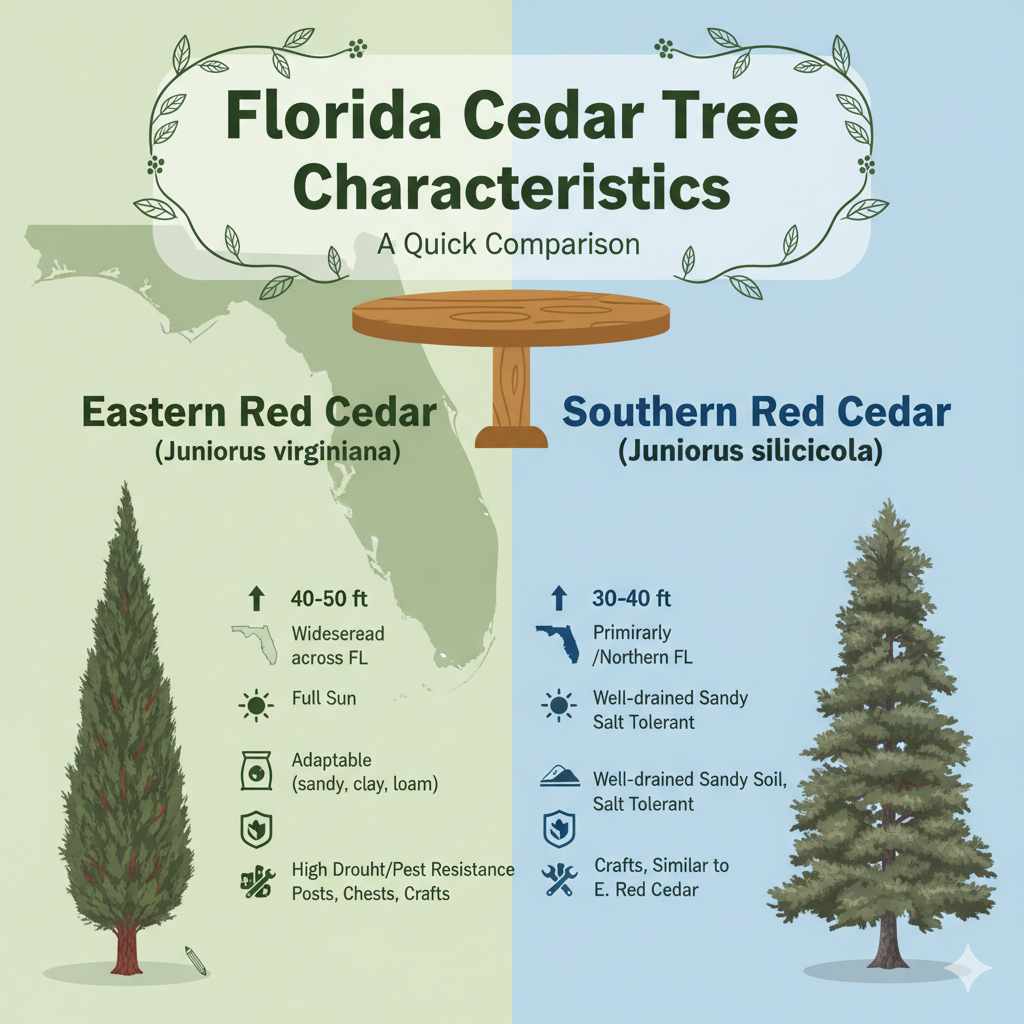
Table: Cedar Tree Characteristics for Florida
Below is a quick comparison of the most suitable cedar trees for Florida:
| Feature | Eastern Red Cedar (Juniperus virginiana) | Southern Red Cedar (Juniperus silicicola) |
|---|---|---|
| Native Range (in FL) | Widespread across FL | Primarily coastal/northern FL |
| Growth Habit | Narrow, conical to columnar | More irregular, spreading |
| Mature Height | 40-50 ft | 30-40 ft |
| Mature Spread | 8-20 ft | 15-25 ft |
| Soil Preference | Adaptable (sandy, clay, loam), tolerates alkaline | Well-drained sandy soils, good salt tolerance |
| Sunlight Needs | Full Sun | Full Sun |
| Drought Tolerance (Established) | High | High |
| Rot/Pest Resistance | High | High |
| Wood Use | Posts, chests, crafts, pencils | Similar to E. Red Cedar – useful for crafts |
Comparison: Cedar vs. Other Florida Conifers
It’s helpful to see how cedars stack up against other common conifers you might encounter or consider in Florida:
Cedar vs. Cypress
Cypress (e.g., Bald Cypress –Taxodium distichum): This is another iconic Florida tree, but it’s deciduous (loses its needles in winter) and prefers wet conditions, often growing in swamps or along water bodies. Its wood is also very rot-resistant but has a different appearance and fragrance than cedar. Cypress is fantastic for outdoor furniture and boat building due to its water resistance.
Cedar vs. Pine
Pine (e.g., Loblolly Pine –Pinus taeda, Slash Pine –Pinus elliottii): Florida has many native pine species. Pines are evergreen and generally fast-growing. Their wood is widely used in construction and for paper pulp. Pine wood is generally softer than cedar and doesn’t have the same natural pest or rotresistance, nor the distinctive aroma. It’s more prone to insect damage.