Will Cedar Turn Grey Indoors? Not the Way Outdoor Cedar Does
Cedar will not develop the silvery-grey weathered look indoors, because that patina needs both UV light and repeated rain-and-dry cycling, and indoor wood never gets the second half of that equation. Wood near a sunny window can still fade or bleach over several years, since ordinary glass blocks UVB but lets most UVA through. This guide covers why the two color changes are different, and how to protect cedar near windows without losing its warm tone.
Why Indoor Cedar Doesn’t Grey Like a Fence or Deck
Best Indoor Cedar UV-Protection Pick
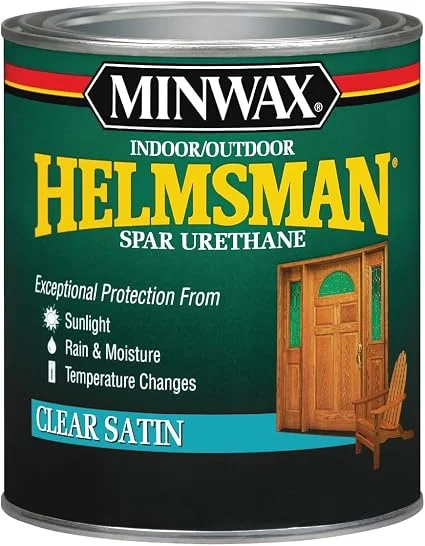 |
Minwax Helmsman Indoor/Outdoor Spar Urethane, Satin – $23.49 This is the type of clear finish this guide recommends for cedar near a sunny window — it’s formulated with UV blockers specifically to slow the fading that ordinary window glass doesn’t stop, without turning the wood grey.
|
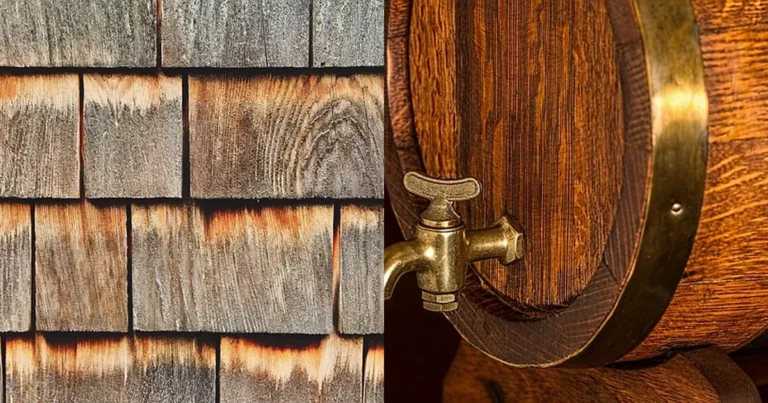
The grey patina on an untreated cedar fence, deck, or shingle siding is a two-step process. First, UV light breaks down lignin, the compound that binds and colors the wood’s surface cells. Second, repeated cycles of rain and drying physically erode that weakened surface layer, washing away the degraded lignin and exposing the greyish cellulose fibers underneath. Outdoor cedar goes grey because it gets both halves of that process, over and over, for years.
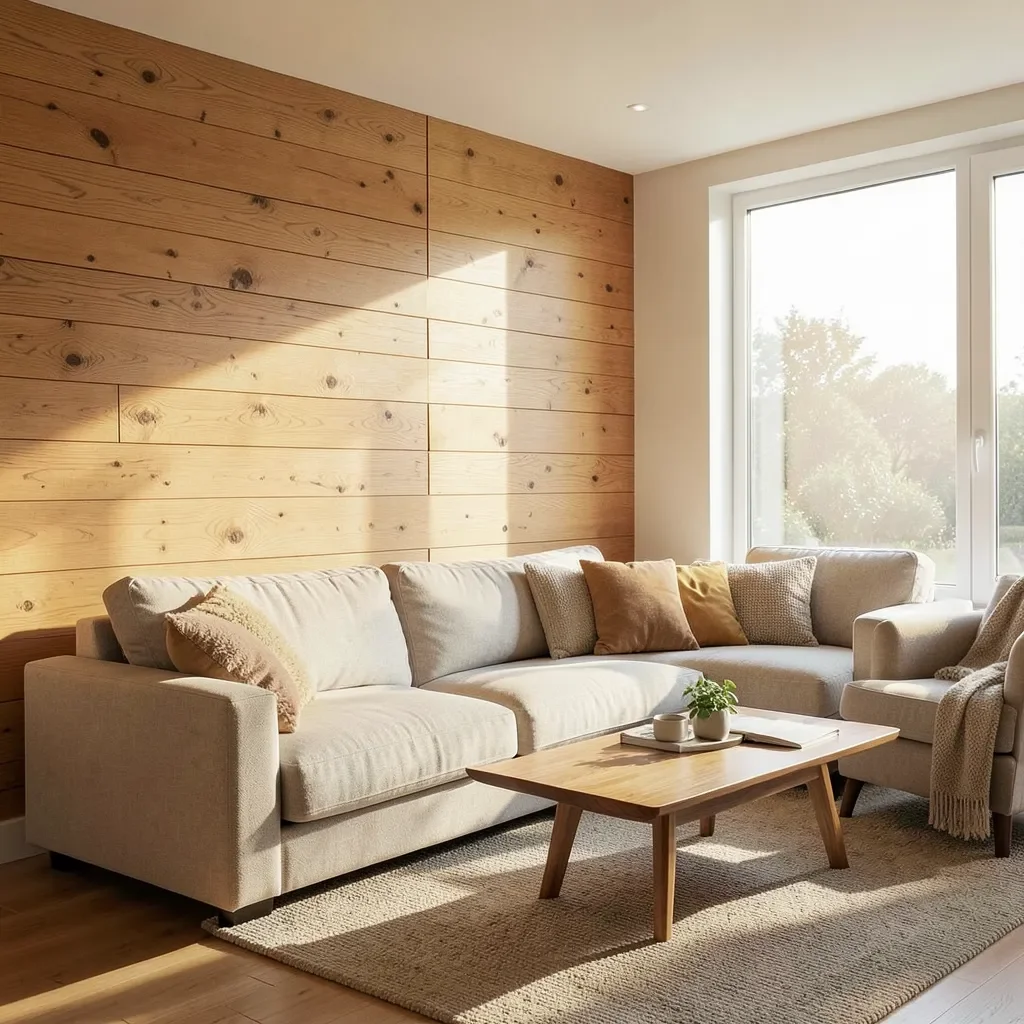
Indoors, the second half almost never happens. There’s no rain to erode the surface, so even if a small amount of UV-driven lignin breakdown occurs near a window, nothing physically washes it away and exposes the grey layer underneath. That’s the real reason cedar wall paneling, trim, and furniture keep their warm tone indoors even after years of daily light.
The Part Most Articles Skip: Glass Doesn’t Block All UV
A lot of indoor-cedar advice stops at “no sun exposure indoors, so no fading” — that’s not quite accurate. Standard window glass blocks most UVB radiation, but it lets the majority of UVA radiation through, and UVA is what does most of the long-term fading and bleaching damage to wood, fabric, and artwork placed near windows.
📊 Ordinary window glass blocks most UVB rays but allows the majority of UVA radiation to pass through — Source: Skin Cancer Foundation, UV Radiation
That’s why a cedar shelf or panel positioned directly in a sunbeam for years can genuinely fade or lighten in that one spot, even though it will never develop the grey, cracked-looking texture of an outdoor fence. It’s a real color change, just a different mechanism and a much slower timeline — usually measured in years of daily direct sun rather than the months it takes outdoors.
What Indoor Cedar Actually Does Instead: Ambering
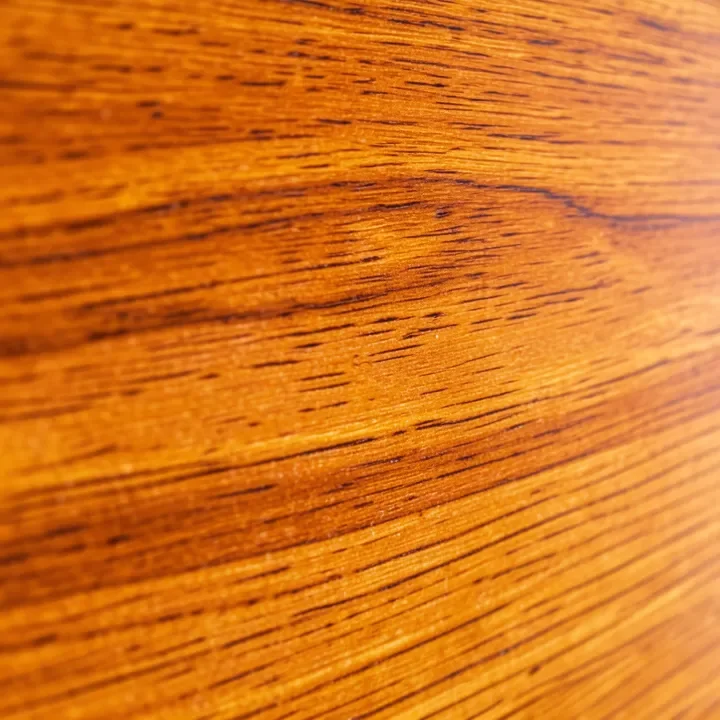
Ambering (sometimes called darkening) is the color shift most indoor cedar actually goes through — a slow oxidation of the wood’s natural oils and extractives that deepens its tone toward a richer honey or amber shade. It’s the same basic process that darkens indoor pine, cherry, and Douglas fir furniture over the years, and it happens gradually whether or not the piece sits near a window, though light and warmth do speed it up somewhat.
Unlike UV-driven fading, ambering isn’t something most people want to prevent — it’s usually described as cedar “warming up” or developing character, similar to how a new leather couch darkens with age. If your cedar piece is losing its pale, freshly-milled look and gaining a deeper amber color, that’s ambering, not the early stage of the grey patina you’d see outdoors.
How to Protect Indoor Cedar’s Color
- Keep it out of direct sunbeams where possible — a few feet of distance from a south-facing window, or a sheer curtain, cuts the UVA dose considerably.
- Add UV-filtering window film to windows near cedar paneling or furniture if repositioning isn’t practical; it blocks the UVA that plain glass lets through.
- Use a UV-inhibiting clear finish such as spar urethane on pieces that get regular direct light — see how different wood finishes compare if you’re deciding between an oil, a wax, or a film finish.
- Rotate furniture and decor periodically so one side or panel doesn’t take all the light exposure while the rest stays untouched, which can create visible unevenness over time.
- If you want a deliberate weathered-grey look indoors instead of natural ambering, that has to be applied rather than grown — a grey-toned stain is the practical way to get that look on an interior piece.
Frequently Asked Questions
Will cedar turn grey if I use it indoors?
No, not the silvery-grey weathered look you see on fences and decks. That patina forms from UV light breaking down surface lignin combined with repeated rain-and-dry cycles that erode the weakened surface — indoors, there’s no rain cycle, so the mechanism never completes. Indoor cedar instead ambers or darkens slightly with age.
Can cedar still fade indoors near a window?
Yes. Ordinary window glass blocks most UVB but lets the majority of UVA radiation through, and UVA alone can slowly bleach or fade wood color over several years. It looks like gradual fading rather than the grey weathered texture of outdoor wood, and it’s strongest within a few feet of direct sun.
How long does it take for wood to fade near a sunny window?
Noticeable fading typically takes one to several years of regular direct sun exposure, depending on how many hours of direct light the spot gets and the wood species. Rotating furniture, using UV-filtering window film, or keeping cedar pieces out of the most direct light all slow it down.
What’s the difference between cedar greying and cedar darkening?
Greying is a UV-plus-moisture weathering process that breaks down and washes away the surface layer, exposing greyish cellulose fibers underneath — it only happens with sustained outdoor exposure to both sun and rain. Darkening (sometimes called ambering) is a slower oxidation of the wood’s natural oils and extractives, the same process that deepens the color of indoor pine or cherry over time, and it happens with or without direct light.
Does a clear finish stop indoor cedar from changing color?
A finish with UV inhibitors (spar urethane is the common choice) slows fading from sunlight near windows, though it won’t make the wood’s natural, slower amber-darkening stop completely. Plain finishes without UV blockers offer little protection against fading, even though they still seal the surface.
Indoor cedar keeps its warm tone for a genuinely different reason than “it’s protected from the elements” — the grey patina physically requires rain to erode away what UV light breaks down, and that half of the process just doesn’t exist inside a house. The real risk indoors is slow UVA fading right next to a sunny window, which a little distance, window film, or a UV-inhibiting finish handles easily.
Sponsored / affiliate links. As an Amazon Associate I earn from qualifying purchases. I may earn additional commission from eligible campaigns.