What Color Is Walnut Stain? (Light to Dark Shades Explained)
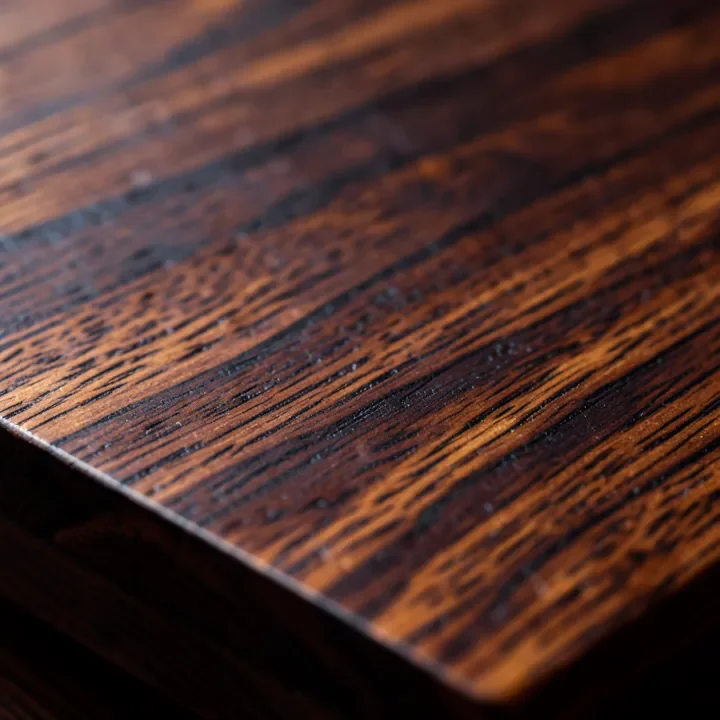
Walnut stain runs from warm honey-brown to near-black, and the shade shifts with both the brand and the wood underneath it — Minwax Special Walnut reads redder on oak than on pine. Pick the wrong shade for your base wood and the same can looks like two different colors on two different projects. This guide covers the full color range, what changes it, and how to pick the right shade.
The Color Range of Walnut Stain
Best Walnut Stain Pick
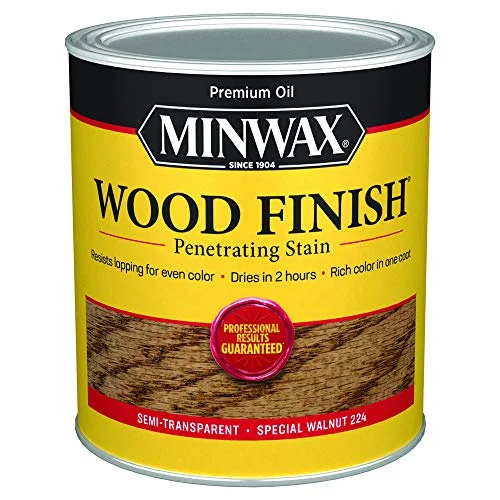 |
Minwax Wood Finish Special Walnut, 1 Quart – $13.88 Special Walnut is the medium warm-brown shade this guide describes as the most common ‘walnut stain’ reference point, sitting between the lighter honey tones and the near-black dark walnut shades.
|
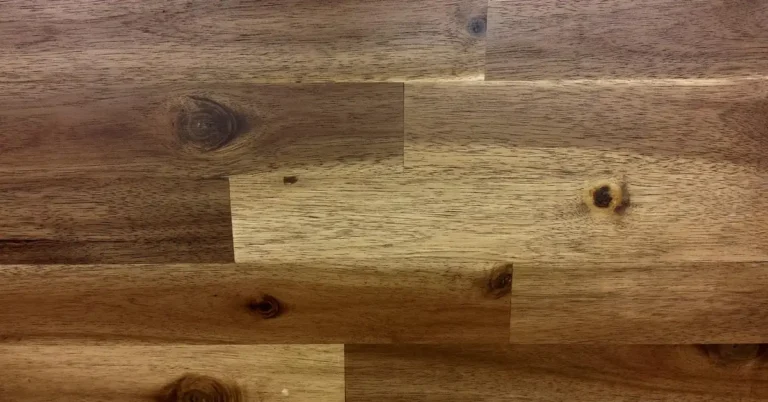
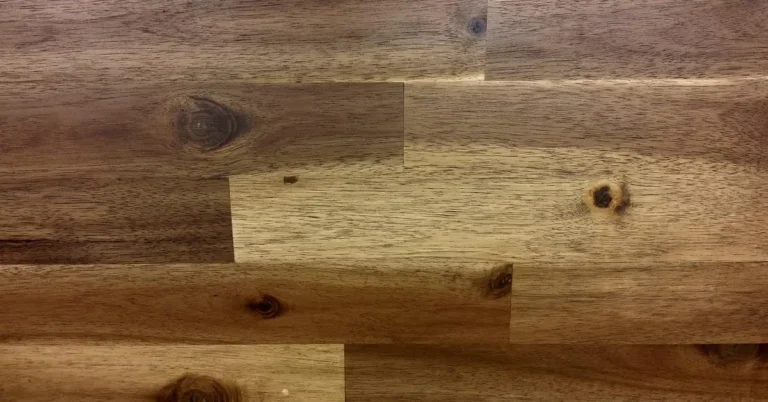
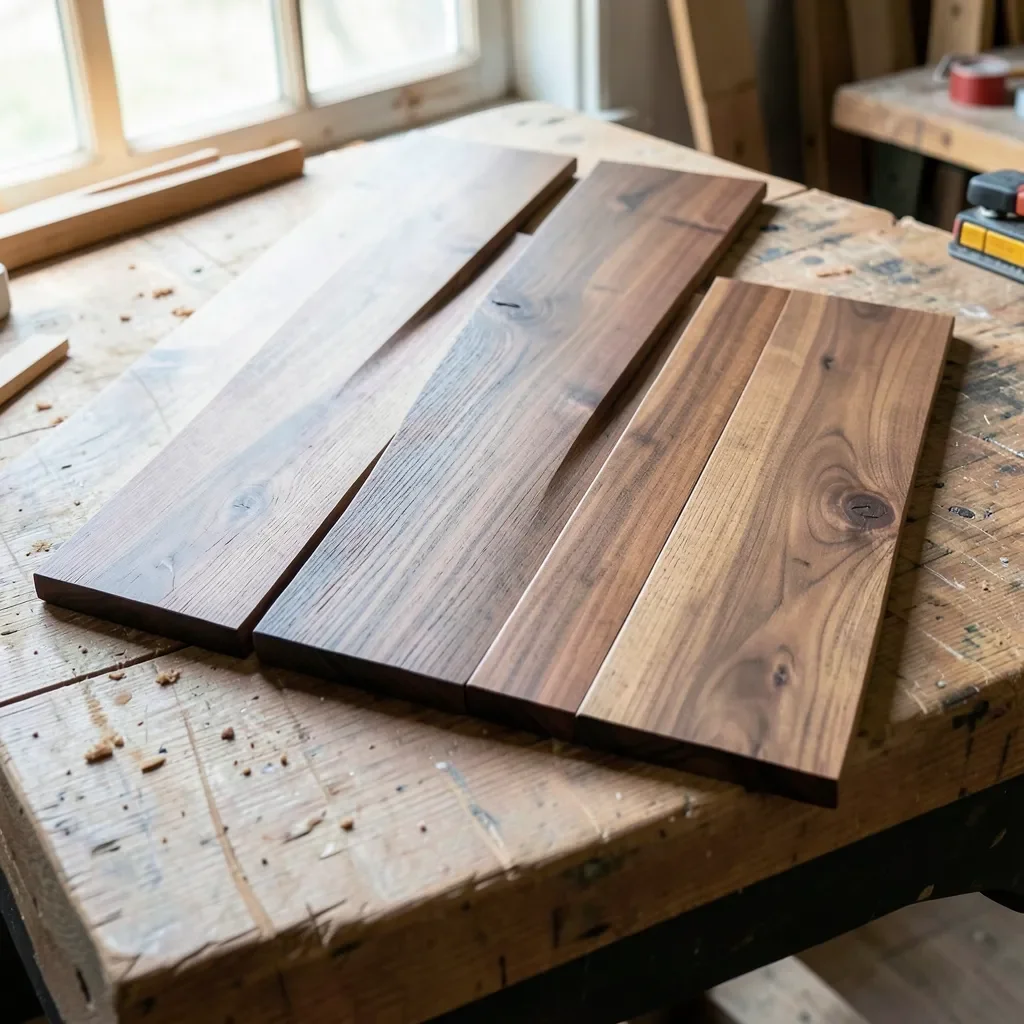
Walnut stain is a wood-coloring product formulated to mimic the warm brown tones of natural walnut heartwood, applied to a different (usually cheaper) species like oak, pine, or birch. It isn’t one fixed color — brands sell a whole range under the “walnut” name, from a light honey-brown to a near-black deep brown:
| Shade | Typical Tone | Example Product |
|---|---|---|
| Light walnut | Soft, honey-like warm brown | General Finishes Provincial-adjacent light walnut blends |
| Medium walnut | Balanced warm brown with a slight red undertone | Minwax Special Walnut |
| Dark walnut | Deep, near-black brown | Minwax Dark Walnut, Varathane Dark Walnut |
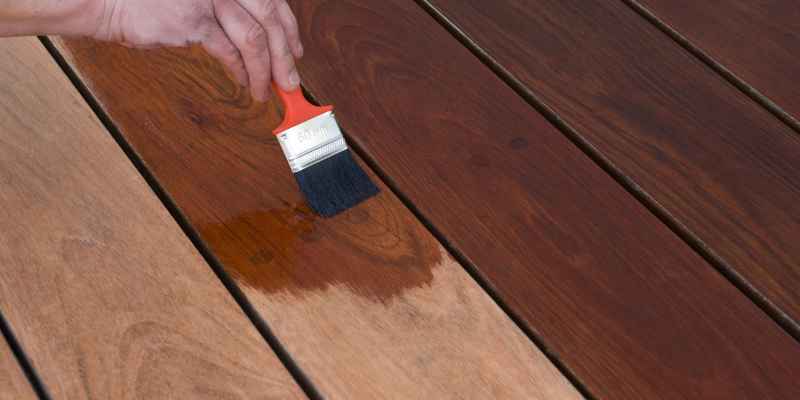
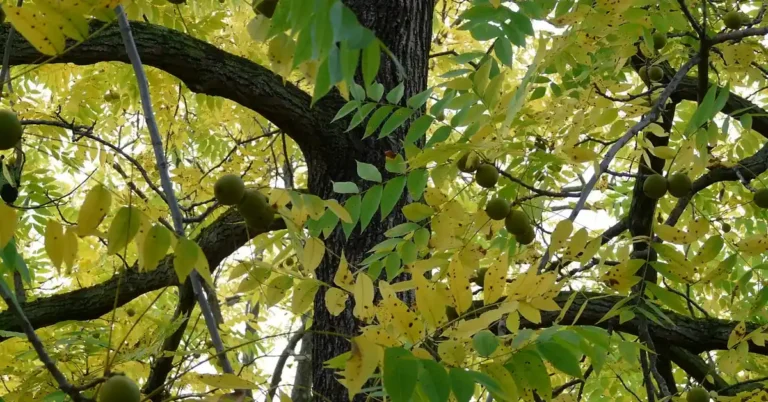
📊 Major stain brands like Minwax and Varathane sell walnut shades noticeably darker than the natural color of real walnut heartwood, which runs a lighter chocolate-brown — the stain name describes a color family, not a color match to the actual wood species. — Source: Vermont Woods Studios, Walnut Wood Color & Characteristics
What Changes How Walnut Stain Looks on Your Project
The same can of walnut stain produces different results depending on a few variables:
- Wood species: oak’s open grain absorbs stain unevenly and shows more contrast; pine can blotch or look orange-tinted under walnut stain unless it’s pre-treated with a conditioner; birch and maple tend to take it more evenly.
- Number of coats: one coat lets the wood grain show through; a second coat pushes the color darker and more opaque.
- Topcoat finish: an oil-based polyurethane ambers with age and deepens the stain color further; a water-based topcoat stays close to the stain’s original tone.
- Stain formula: oil-based walnut stains tend to read warmer, water-based versions can look slightly cooler or grayer straight out of the can.
How to Apply Walnut Stain for an Even Color
- Sand the wood: work up to 180- to 220-grit for an even surface that takes stain uniformly.
- Condition soft or blotchy woods: apply a pre-stain wood conditioner to pine, birch, or maple before staining to prevent blotching.
- Apply with a rag or brush: work with the grain, covering a full section before moving to the next.
- Wipe off the excess: after 5 to 15 minutes (check the can), wipe with a clean cloth — the longer stain sits, the darker and more opaque it gets.
- Recoat for a darker shade: let the first coat dry fully, then apply a second coat only where you want a deeper color.
- Seal with a topcoat: once dry, apply polyurethane or another clear finish to protect the color.
Common Mistakes That Change Walnut Stain’s Final Color
- Skipping a test patch: the same stain looks different on every wood species — always test on scrap or an inconspicuous spot first.
- Not conditioning pine or birch: these woods blotch under walnut stain without a pre-stain conditioner — see how stain colors behave differently on pine for examples.
- Leaving stain on too long: letting it sit well past the recommended wipe time pushes the color darker and more uneven than intended.
- Mixing oil-based and water-based products: stacking an oil-based topcoat over a water-based stain (or the reverse) without checking compatibility can cause adhesion problems and color shifts — if the existing finish is already damaged, start with repairing the furniture finish before restaining.
Frequently Asked Questions
Is walnut stain the same color as real walnut wood?
Not exactly. Real walnut heartwood is a lighter chocolate-brown, sometimes with a purplish tint, while most “walnut” stain products are formulated darker and more uniformly brown than the natural wood ever grows.
Does walnut stain look different on oak versus pine?
Yes. Oak’s open grain absorbs stain unevenly and shows more contrast between early and late wood, while pine can blotch or take on an orange tint unless it’s treated with a pre-stain conditioner first.
How do I make walnut stain look darker?
Apply a second coat after the first has dried fully, or let the stain sit longer than the label’s minimum time before wiping off the excess. Both push the color darker and more opaque.
Will a polyurethane topcoat change the color of walnut stain?
An oil-based polyurethane ambers with age and deepens the stain’s warm tones further. A water-based polyurethane stays closer to the stain’s original color straight out of the can.
Walnut stain spans a wide range from honey-light to near-black, and the exact shade on your project depends as much on the wood species and number of coats as it does on the can’s label. Test on scrap first, condition soft woods before staining, and choose the topcoat with its own color shift in mind.
Sponsored / affiliate links. As an Amazon Associate I earn from qualifying purchases. I may earn additional commission from eligible campaigns.