How to Repair Furniture Finish: Fixing Scratches, Water Rings, and Cloudy Haze
Most furniture finish damage falls into one of four categories — a light surface scratch, a deep scratch through the finish, a white water ring, or cloudy/blushing haze — and each one has a different fix, none of which require stripping the piece. Confusing a water ring with blushing, or treating a deep scratch like a surface scuff, is the most common reason a DIY repair fails. This guide diagnoses each type and gives the exact fix, plus how to tell when repair isn’t enough and a full refinish is the better call.
The exception is damage that goes past the clear coat into the stain layer itself — that calls for a full strip-and-refinish, covered in our wood stain remover guide.
Quick Answer
Light scratches: rub in oil or paste wax. Deep scratches: fill, color-match, and blend with 0000 steel wool. White water rings: heat and oil lift the trapped moisture. Cloudy/blushing finish: a lacquer retarder or blush eraser spray reverses it. None of these require stripping the piece.
How Do You Fix a Minor Scratch or Scuff in a Furniture Finish?
Best Furniture Finish Repair Kit Pick
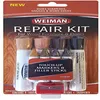
Weiman Wood Repair System Kit – $9.99
4 filler sticks plus 4 touch-up markers — covers both the deep-scratch fill and color-match steps this guide walks through in one kit.
- Best for: Deep scratches needing both fill and color-match
- Why we picked it: Combines filler sticks and markers in one multi-shade kit
- Main drawback: Wax-based, not a permanent hard finish repair
A scratch that doesn’t cut through the finish layer — you can’t catch a fingernail in it — usually disappears with oil or wax, not filler. Rub a 1:1 mix of vegetable oil and vinegar into the scratch with a soft cloth, or work in a matching-tone paste wax and buff it out; both methods fill the light surface disruption without adding a new material layer. For a full walkthrough with photos, see our guide to removing scratches from wood furniture.
How Do You Repair a Deep Scratch That Cuts Through the Finish?
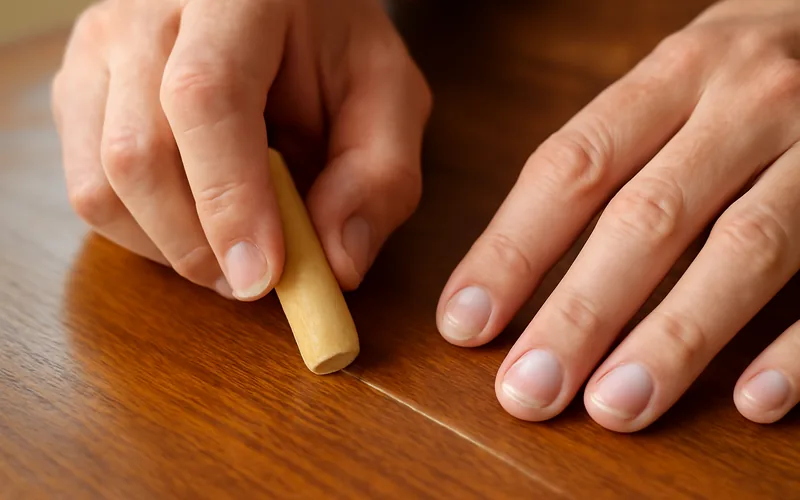
A deep scratch that catches a fingernail has gone through the finish into the wood, so oil and wax alone won’t fill it. Press color-matched wood filler into the scratch, let it cure, then blend the repair with 0000-grade steel wool (the finest grade, fine enough not to scuff the surrounding finish) so the repaired spot doesn’t stand out as a texture change, not just a color change. The same sibling guide above covers the full step-by-step with the exact filler and stain-matching sequence.
How Do You Get White Water Rings Out of a Furniture Finish?
A white ring is moisture trapped under the clear finish layer, not damage to the wood itself, which is why heat and gentle abrasion can reverse it. Lay a cloth over the ring and pass a warm iron or hairdryer over it in short passes to evaporate the trapped moisture, then work a little mayonnaise or petroleum jelly into the spot and let it sit before wiping clean — the oil displaces any remaining moisture in the finish. For stubborn rings, a few drops of denatured alcohol on a soft cloth, rubbed gently, can dissolve through the haze without cutting into the finish below it. The easier fix is not needing this at all — see our comparison of coasters that actually protect a wood table before the next ring forms.
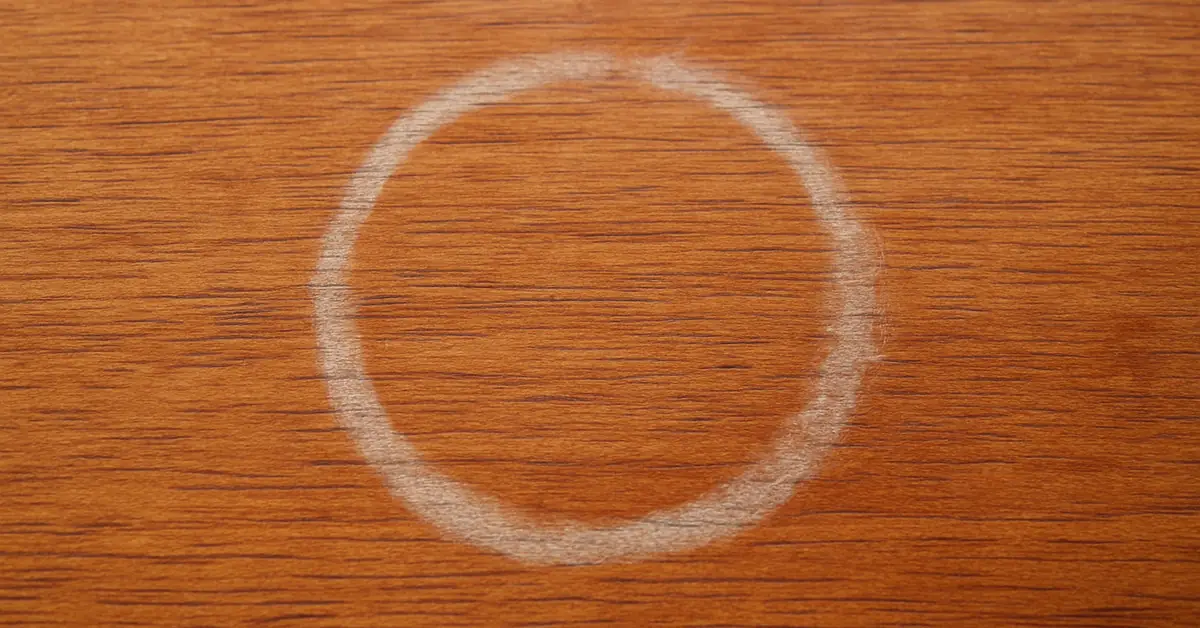
If the mark is dark rather than white, that’s different damage — moisture has reached the wood itself, not just the finish surface, and the fix is more involved. See our guide to removing water rings from wood for the full white-ring method, or fixing water-damaged wood if the stain has gone dark.
Why Does a Furniture Finish Turn Cloudy or White (Blushing), and How Do You Fix It?
Blushing is a different problem from a water ring — it happens during or right after application, when humidity traps moisture inside a lacquer finish as it dries, leaving a cloudy or milky haze baked into the film itself rather than sitting under it. Because the haze is part of the cured finish, wiping or oiling won’t clear it the way it clears a water ring.
A lacquer retarder mixed into a thin re-coat, sprayed or wiped over the blushed area, slows the drying enough for the trapped moisture to escape before the finish sets again. A blush eraser spray works the same way as a standalone product. On a small blushed patch, gentle heat from a hairdryer held a few inches away can sometimes soften the film enough to let the moisture out without a full re-coat. This distinction — a water ring is trapped moisture under the finish, blushing is trapped moisture cured into the finish — is the one most guides never draw clearly, and it’s the reason a water-ring fix (oil, mayonnaise) does nothing for a blushed finish.
If the blushing is severe or keeps recurring across the whole piece, retarder treatments stop being worth the effort — at that point it is usually faster to strip the lacquer entirely and start over than to keep chasing a partial fix.
How Do You Match the Color When Touching Up a Furniture Finish?
Test any stain, filler, or marker on a hidden spot first — the underside of a leg or the back edge — since finish color shifts with age and a fresh product rarely matches a piece that’s darkened over years of use. Build up color in thin layers rather than one heavy pass; it’s easy to add more, hard to remove overdone color without redoing the repair. For picking the right product and matching technique, see our guide to wood finish stain markers.
What Tools and Materials Do You Need to Repair a Furniture Finish?
| Material | Used for |
|---|---|
| Color-matched wood filler | Deep scratches that cut through the finish |
| 0000-grade steel wool | Blending repairs without scuffing surrounding finish |
| Denatured alcohol | Cleaning, stubborn water rings, identifying a lacquer finish |
| Mineral spirits | Removing wax/grease before any repair |
| Wax fill stick | Nicks and small gouges |
| Touch-up marker | Color-matching light scratches and edges |
| Lacquer retarder / blush eraser | Reversing cloudy, blushed finish |
Compare more furniture finish repair options
 Option 1 Guardsman Wood Furniture Markers & Wax Filler Sticks – $7.82
|
 Option 2 Howard Restor-A-Finish Walnut 16oz – $9.98
|
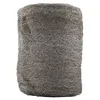 Option 3 Homax 0000 Grade Steel Wool, 16 Pads – $4.45
|
As an Amazon Associate we earn from qualifying purchases.
When Should You Refinish Furniture Instead of Repairing the Finish?
Repair the finish when damage is localized — a scratch, a ring, a blushed patch in one area. Move to a full refinish when the finish has failed over roughly half the surface or more, when there’s structural damage underneath (soft or delaminating wood, not just a surface mark), or when multiple damage types are stacked on the same piece and spot-repairs would leave a patchwork of mismatched fixes. A piece with sentimental or resale value that needs more than one or two spot repairs is usually worth the extra time of a full strip-and-refinish rather than compounding touch-ups.
Can you repair a furniture finish without stripping it?
Yes, for localized damage — scratches, water rings, and blushing all have spot-repair fixes that don’t require removing the existing finish. Stripping is only necessary when damage covers most of the surface or the finish has failed structurally.
What removes white rings from wood furniture?
Gentle heat from an iron or hairdryer evaporates the trapped moisture causing the ring, followed by mayonnaise or petroleum jelly worked into the spot. Denatured alcohol on a soft cloth handles stubborn rings that don’t respond to heat and oil alone.
Why did my furniture finish turn cloudy or white?
This is likely blushing — humidity trapped moisture in the finish while it was drying, curing a haze directly into the film. It’s different from a water ring, which sits under a fully cured finish. A lacquer retarder or blush eraser spray reverses blushing; oil-based ring fixes won’t work on it.
How do you fix a deep scratch in wood furniture?
Fill the scratch with color-matched wood filler, let it cure, then blend it into the surrounding finish with 0000-grade steel wool so the repair doesn’t stand out by texture as well as color.
When should you refinish furniture instead of repairing it?
Refinish when damage covers roughly half the surface or more, when there’s structural wood damage under the finish, or when multiple repair types are stacked on one piece and spot-fixing would leave a mismatched patchwork.
Diagnose the damage type first — scratch, ring, or blush — since each has a specific fix and the wrong one wastes a repair attempt. For a broader look at ongoing care that prevents this damage in the first place, see our wood care and maintenance guide.
Sponsored / affiliate links. As an Amazon Associate I earn from qualifying purchases. I may earn additional commission from eligible campaigns.