What Colour Is Cedar: Stunning, Essential Guide
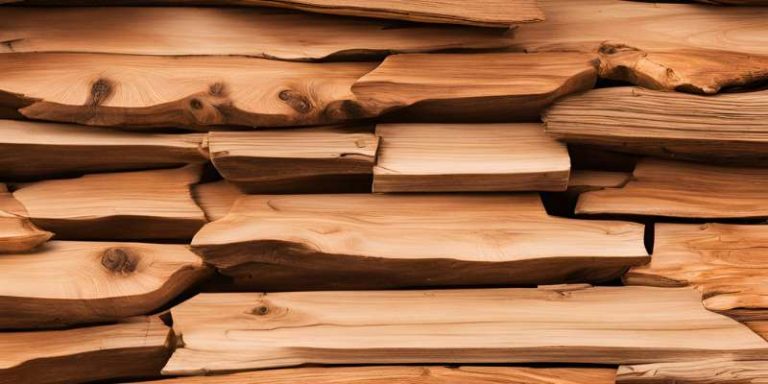
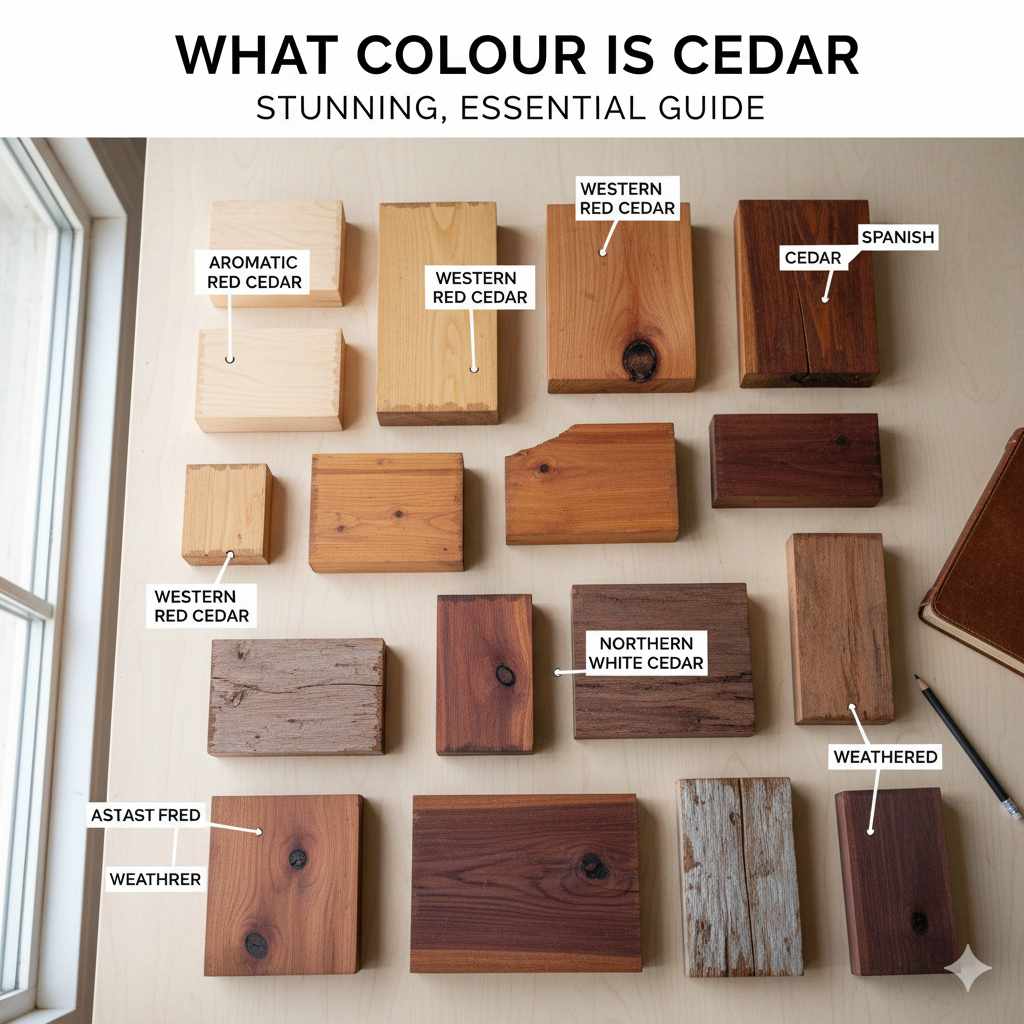
Cedar wood is typically a warm, reddish-brown or pinkish-tan color, often with darker streaks. Its stunning natural tones can range from pale yellow to deep russet, making it a beautiful choice for projects both indoors and out.
Ever stood in front of a lumberyard, staring at beautiful wood, and wondered, “What color is cedar, really?” It’s a common question, and for good reason! Cedar is a favorite among woodworkers and DIYers for its gorgeous looks, pleasant scent, and natural durability. But its color can seem to shift depending on the light, the specific type of cedar, and how it’s been treated. Don’t let this beautiful wood intimidate you; understanding its natural hues is simpler than you think. This guide is here to clear things up and help you choose the perfect cedar for your next project. We’ll walk through everything you need to know about cedar colors, making your woodworking journey a bit easier and a lot more colorful.
Understanding Cedar’s Natural Palette
Cedar isn’t just one color; it’s a spectrum of warm, inviting tones. The most common types of cedar used in construction and crafting, like Western Red Cedar and Eastern White Cedar, each have their own beautiful shades. Think rich reds, rosy pinks, and earthy tans. The magic of cedar is in its natural variation, which adds character and depth to any project. It’s this unique variability that makes cedar so sought after.
Western Red Cedar: A Symphony of Reds and Browns
Western Red Cedar (Thuja plicata) is perhaps the most popular choice, and its color is truly spectacular. When freshly cut, it often has a light straw or yellow hue. As it ages and is exposed to sunlight, it deepens into a rich, vibrant reddish-brown. You might also see streaks of pink or even a coppery tone running through the grain. This variety is what gives Western Red Cedar its distinctive, warm character. It’s a wood that truly glows, especially when finished with a clear sealant to enhance its natural beauty.
The color also depends on the cut of the wood. Heartwood, which comes from the center of the tree, tends to be darker and more intensely colored than sapwood, which is lighter and found on the outer layers of the tree.
Eastern White Cedar: Subtle and Serene
Eastern White Cedar (Thuja occidentalis) offers a softer, more subtle palette compared to its red cousin. Often called Arborvitae, this cedar is typically a pale yellow or creamy white when first milled. Over time, it can darken to a light tan or a soft, rosy brown. It has a fine, straight grain and a less pronounced color variation, making it a great choice when you want a more uniform and understated look. Eastern White Cedar is also known for its excellent resistance to decay and insects.
Other Cedar Varieties and Their Colors
While Western Red and Eastern White are the most common, other cedars have their unique shades:
- Incense Cedar: This type often presents a uniform pinkish-reddish-brown, sometimes with darker streaks. It’s commonly used for things like fences and shingles.
- Spanish Cedar: Despite its name, it’s not a true cedar but is often grouped with them due to its aromatic wood. It’s typically a light reddish-brown.
- Aromatic Red Cedar: Famous for its strong scent and moth-repelling properties, this cedar is a deep, vibrant reddish-brown, often with creamy white sapwood, creating a striking contrast.
Factors Influencing Cedar’s Color
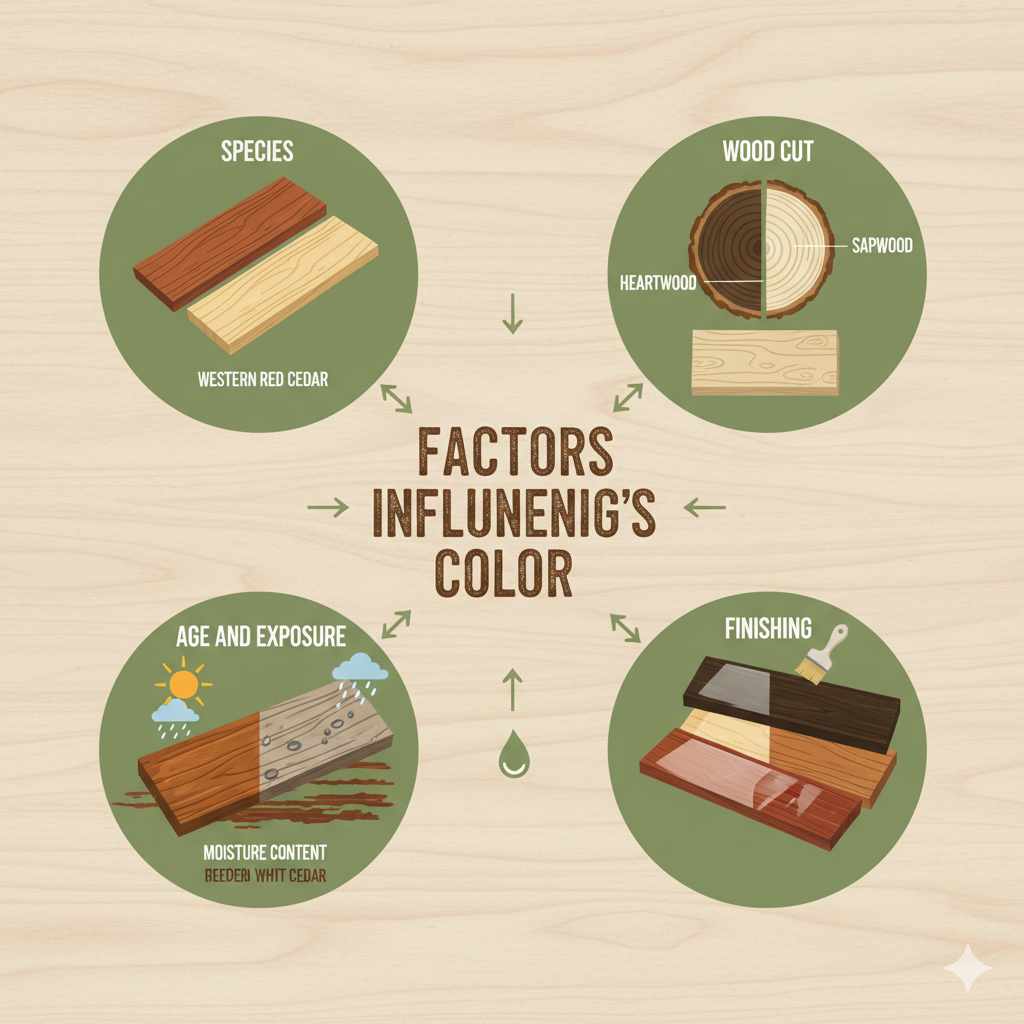
The beautiful color of cedar isn’t static. Several factors can influence its appearance:
- Species: As we’ve seen, different cedar species have distinct color ranges.
- Wood Cut: Heartwood vs. Sapwood plays a big role. Heartwood is generally richer and more stable in color.
- Age and Exposure: Sunlight and weathering will naturally alter cedar’s color over time, often deepening its hues.
- Finishing: How you seal or stain your cedar will dramatically change its perceived color.
- Moisture Content: Cedar can appear darker when wet.
Cedar’s Color in Different Applications
The stunning colors of cedar make it a versatile material for a wide range of projects. Here’s how its hues shine in common applications:
Outdoor Projects: Decks, Fences, and Siding
For outdoor projects, Western Red Cedar is a star. Its natural reddish-brown tones fade beautifully over time to a silvery gray if left unfinished, or they can be maintained with regular sealing and staining. Cedar siding adds incredible warmth and natural beauty to a home, blending seamlessly with landscapes.
A well-maintained cedar deck can last for decades and its color deepens with age, providing a warm and inviting outdoor living space. Here’s a quick look at how cedar holds up outdoors regarding color:
| Application | Typical Cedar Color | Color Change (Unfinished, time) | Notes |
|---|---|---|---|
| Decking | Reddish-brown, pinkish-tan | Fades to silvery gray | Requires periodic cleaning and sealing to maintain original color. |
| Siding | Rosy brown, yellow-brown, reddish-brown | Fades to silver-gray | Natural warmth, excellent weather resistance. |
| Fencing | Light tan, reddish-brown | Graying is common; variations in color add rustic charm | Can be stained or left natural. |
| Shed/Gazebo | Varies by cedar type (red, yellow, brown) | Gradual weathering to gray | Adds a natural, elegant look. |
Indoor Projects: Furniture, Paneling, and Accents
Indoors, cedar brings a cozy, natural feel. Aromatic Red Cedar chests and closet linings are legendary for their scent and rich, deep red color. Paneling rooms with cedar can create a warm, inviting ambiance. For furniture, the subtle pinkish-tan of some cedar varieties can be a beautiful neutral, taking stains and finishes exceptionally well.
The fine grain and natural aroma also make it a preferred wood for specialized indoor uses:
- Closet Linings: Aromatic Red Cedar is the go-to here for its pleasant scent and moth-repelling qualities. Its deep red color adds a luxurious feel.
- Furniture Making: Lighter cedars can be used for drawer boxes or even entire pieces if a rustic look is desired.
- Crafts and Small Projects: The ease of working with cedar makes it perfect for birdhouses, small boxes, and decorative items.
How to Enhance and Preserve Cedar’s Color
Cedar looks stunning right out of the box, but a little care can help maintain its beauty for years. Whether you love its natural color or want to guide it towards a specific shade, here’s how:
Sealing and Finishing: Bringing Out the Best
A clear sealant is often all that’s needed to protect cedar and highlight its natural color. This is especially true for outdoor applications where UV protection is key to preventing graying.
- Clear Sealants: These offer protection without altering the wood’s color significantly. Some might add a slight amber hue, which can enhance the natural warmth. Look for exterior-grade sealants with UV inhibitors.
- Toner Finishes: These add a subtle tint, deepening the natural color or casting a slight shade (like a light brown or reddish tone) while still allowing the wood grain to show through.
- Stains: If you want a more dramatic change or to unify the color of different cedar boards, stains are an option. Cedar accepts stains well, but always test on a scrap piece first to see how the color will look. Be aware that heavy stains can mask the beautiful natural grain and color variations that make cedar đặc biệt.
For an excellent overview of wood finishing, the U.S. Forest Service’s Forest Products Laboratory offers valuable insights into wood properties and treatments. You can find great resources on their Wood Finishing Publications page.
Natural Aging: The Silvery Gray Patina
Many people love how cedar gracefully weathers to a soft, silvery gray. If this is your desired look, simply leave the wood unfinished outdoors. Regular cleaning with a mild detergent and water can help prevent dirt and mold buildup from creating dark spots.
However, it’s important to remember that even unfinished cedar needs some level of protection. The natural oils in cedar offer some resistance, but without a finish, the wood will still expand and contract with moisture changes. For projects where stability is crucial, sealing is recommended, regardless of the desired final color.
Maintenance Tips
Consistency is key! Regularly inspecting and cleaning your cedar projects will help them look their best:
- Clean Regularly: Wash with mild soap and water.
- Reapply Sealer: Follow the manufacturer’s recommendations for reapplication, typically every few years for exterior projects.
- Address Mold/Mildew Promptly: Use a specialized wood cleaner or a diluted bleach solution if necessary, testing in an inconspicuous area first.
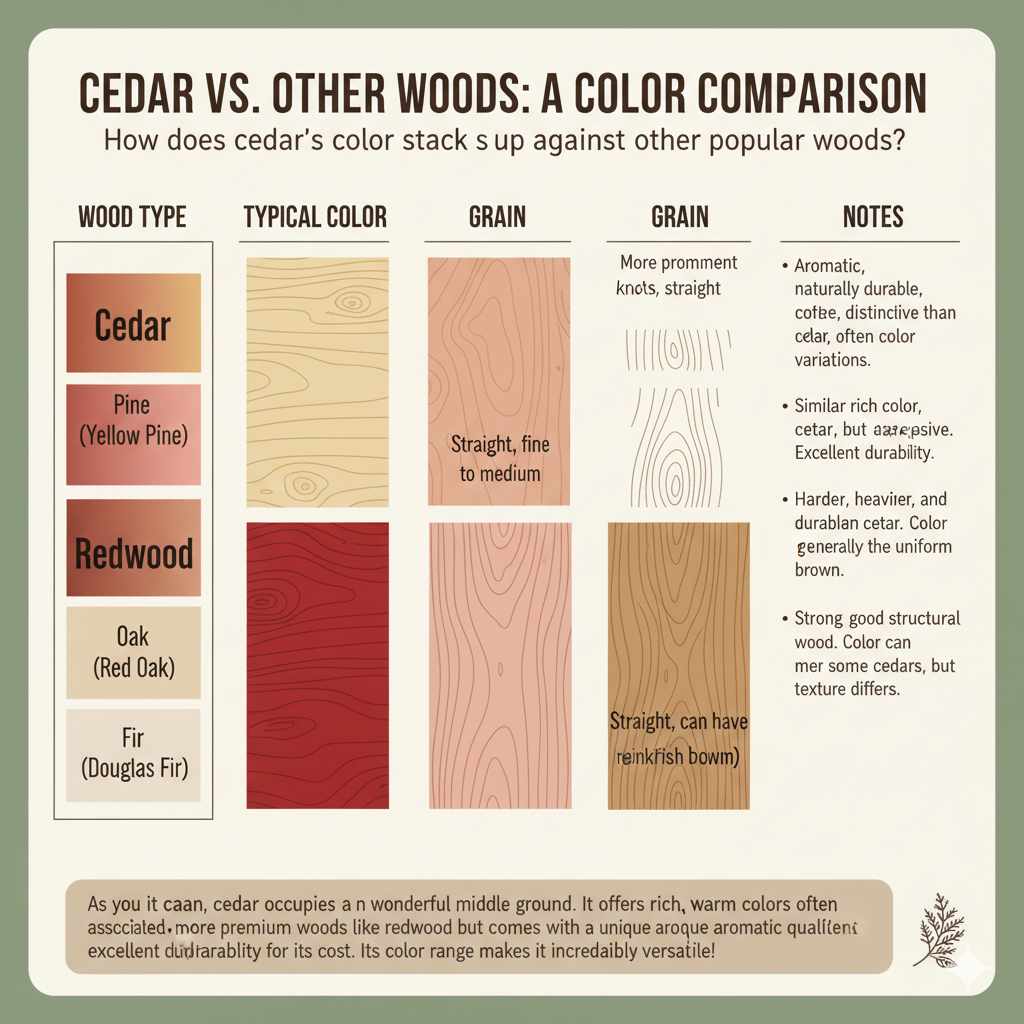
Cedar vs. Other Woods: A Color Comparison
How does cedar’s color stack up against other popular woods?
| Wood Type | Typical Color | Grain | Notes |
|---|---|---|---|
| Cedar | Reddish-brown, pinkish-tan, yellow-brown | Fine, straight | Aromatic, naturally durable, distinctive color variations. |
| Pine (Yellow Pine) | Pale yellow to reddish-brown | More prominent knots, straight grain | Softer, less naturally durable than cedar, often more affordable. |
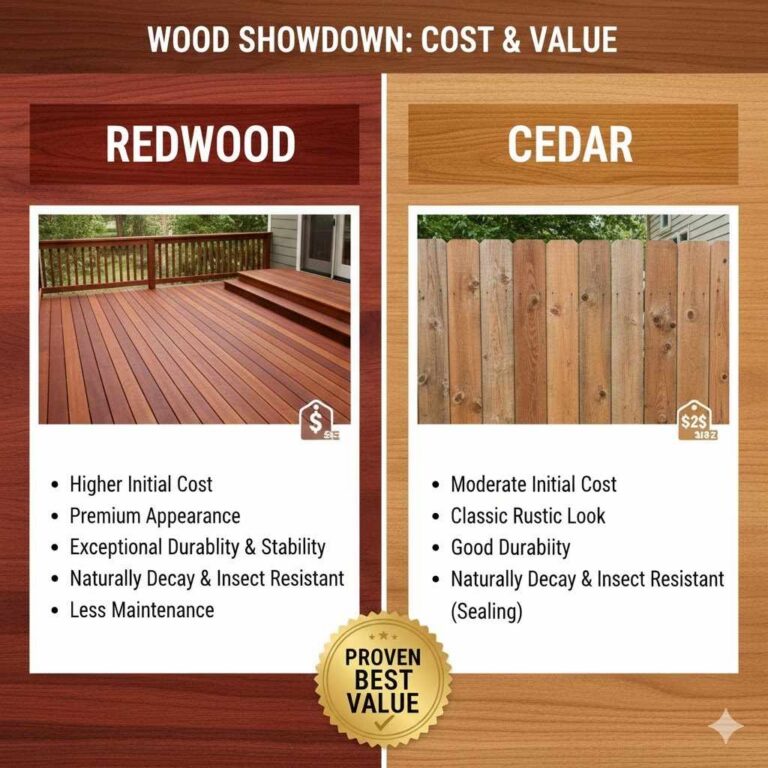
| Redwood | Reddish-pink to dark red | Straight, fine to medium | Similar rich color to cedar, but can be more expensive. Excellent durability. |
| Oak (Red Oak) | Light pinkish-brown to dark brown | Prominent, open grain (distinctive patterns) | Harder, heavier, and more durable than cedar. Color is generally more uniform brown. |
| Fir (Douglas Fir) | Yellowish to pinkish-reddish brown | Straight, can have resin canals | Strong, good structural wood. Color can be similar to some cedars, but texture differs. |
As you can see, cedar occupies a wonderful middle ground. It offers rich, warm colors often associated with more premium woods like redwood but comes with its own unique aromatic qualities and excellent durability for its cost. Its color range is distinct enough to be easily recognizable once you know what to look for.
Frequently Asked Questions About Cedar Color
Q1: Is all cedar wood reddish-brown?
No, not all cedar wood is reddish-brown. While Western Red Cedar is known for its rosy, reddish-brown hues, Eastern White Cedar is typically much lighter, ranging from pale yellow to light tan. Aromatic Red Cedar is known for its deep red color, but other types can have more subtle tones.
Q2: Will cedar turn gray if left outside?
Yes, if left unfinished outdoors, cedar will naturally weather and turn a silvery-gray color over time. This is a common and often desirable aesthetic. However, you can preserve its original color by applying a clear sealant with UV protection or a stain that complements its natural tones.
Q3: How can I make my cedar project look richer in color?
You can enhance the richness of cedar’s color with a clear penetrating oil or a penetrating sealer. These finishes soak into the wood and deepen its natural hues, adding a slight amber tone without obscuring the grain. For a more pronounced effect, consider a toner or a semi-transparent stain, always testing on a scrap piece first.
Q4: Does cedar have a scent that affects its color?
Cedar is naturally aromatic, with scents like the pleasant, moth-repelling fragrance of Aromatic Red Cedar. The scent itself doesn’t directly affect the wood’s color, but the species known for strong scents, like Aromatic Red Cedar, often have particularly rich, deep red colors.
Q5: Can I paint cedar?
Yes, you can paint cedar. However, most woodworkers prefer to let cedar’s natural beauty shine through by using clear sealants or stains. If you choose to paint, ensure the wood is clean and dry, use a good quality primer designed for exterior or interior wood, and then apply your paint. Painting will completely cover the wood’s natural color and grain.
Q6: How do I choose the right color of cedar for my project?
Consider the overall aesthetic you want for your project. For a warm, rustic feel, Western Red Cedar with its reddish-browns is ideal. If you prefer a lighter, more subtle look, Eastern White Cedar might be better. For indoor projects where scent is a bonus, Aromatic Red Cedar’s deep red is perfect. Always look at samples and consider how the color will age or how a finish might alter it.
For further information on wood species and their properties, including color, the WoodworkingTrade.com guide to cedar offers detailed comparisons that can help in your selection.
Conclusion
So, what color is cedar? It’s a wonderfully diverse range of warm, inviting tones, from the rosy reds of Western Red Cedar to the soft tans of Eastern White Cedar. Its natural beauty, pleasant aroma, and inherent durability make it a cherished material for countless projects, both inside and out. Understanding the different types of cedar and the factors that influence their color will empower you to make informed choices for your DIY endeavors. Whether you embrace its natural aging to a silvery gray or enhance its rich hues with a protective finish, cedar offers a timeless appeal and a rewarding woodworking experience. Now you’re equipped with the knowledge to select and care for this stunning wood, ready to bring its unique warmth and character into your home and creations.