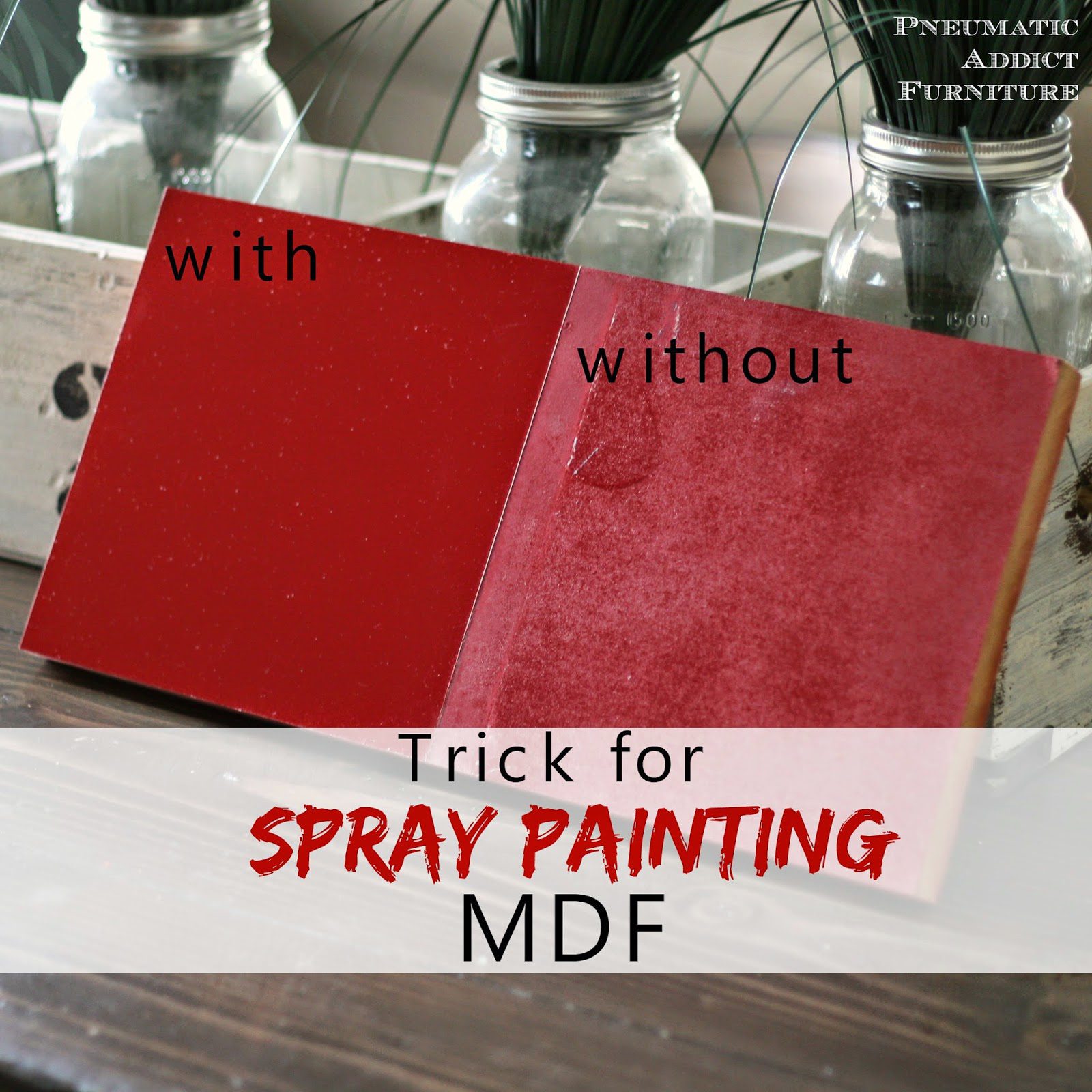
What Happens If You Dont Prime MDF: Risks & Consequences
Imagine you’re working on a project with MDF, ready to paint and finish it to perfection. But here’s the catch – you skip priming it.
Sounds harmless, right? But what if this decision could affect the quality and durability of your work? As you dive into the process, you might wonder why priming MDF is so crucial. What could possibly go wrong if you decide to bypass this step?
These questions are more important than you might think. The consequences of not priming MDF can be more than just cosmetic; they can impact the entire lifespan of your project. Are you ready to discover how this simple oversight could alter the outcome of your work and what steps you can take to ensure a flawless finish? Keep reading, and unlock the secrets to mastering MDF with confidence. Your project’s success depends on it!

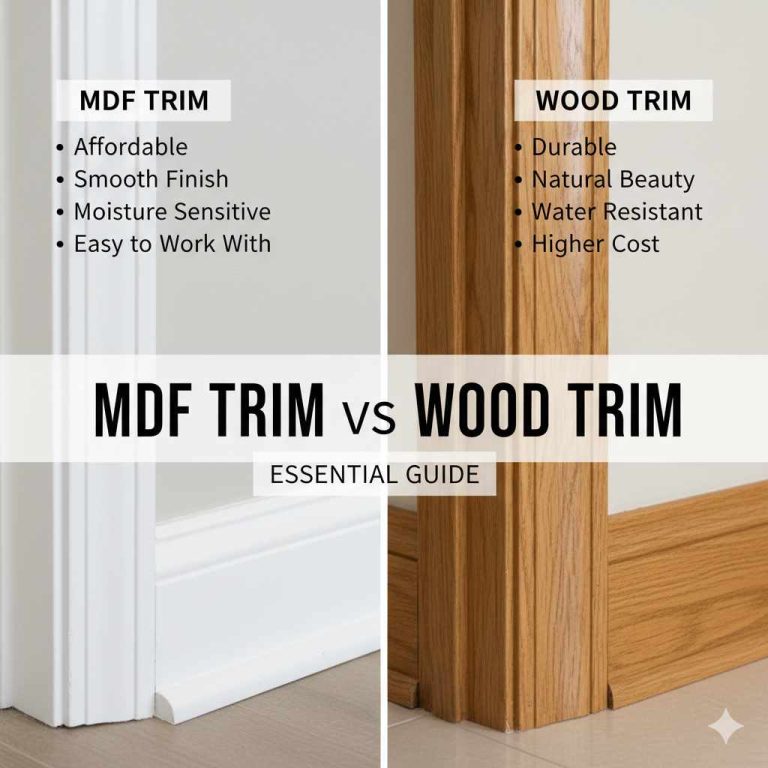
Credit: mdfskirtingworld.co.uk
Importance Of Priming MDF
MDF, or Medium Density Fiberboard, needs special care. Priming is very important. It helps seal the surface. Without priming, the MDF absorbs paint unevenly. This leads to a rough finish. Paint can peel off easily.
Priming makes the surface smooth. It helps paint stick better. MDF is like a sponge. It sucks up moisture fast. Moisture can cause damage. Swelling and warping happen when MDF gets wet.
Primer acts like a shield. It protects against water. It also saves money. Less paint is needed when MDF is primed. Primed MDF lasts longer. It looks nice and clean.
Moisture Damage Risks
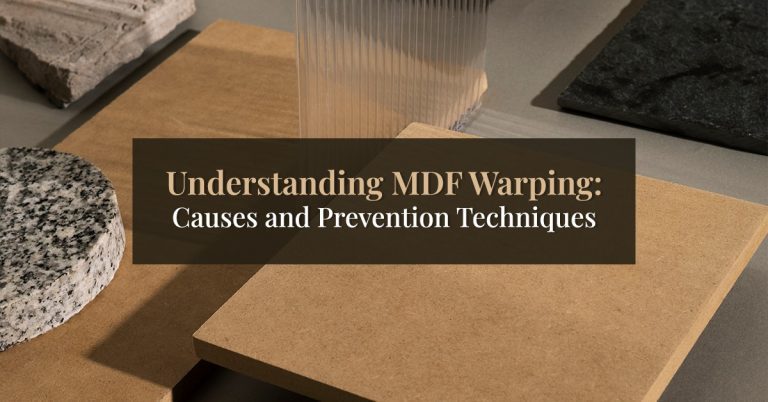
MDF is like a sponge for water. Water makes it grow and bend. This is called warping and swelling. The board changes shape. It can ruin your project. Your shelves or doors might not fit. This is a big problem. Priming stops water from getting in. It keeps the shape the same.
The surface of MDF can break down. It can become rough and bumpy. Paint may not stick well. The look becomes bad and ugly. Priming makes the surface strong. It helps paint stick better. Your project looks neat and smooth. Without priming, the surface can become weak. It may wear out fast.
Paint Adhesion Issues
MDF is a smooth, dense board. Without priming, paint does not stick well. This leads to chipping and peeling. The paint might flake off easily. You may need to repaint often. This can be frustrating and time-consuming. Chipped paint looks messy and dull.
MDF without primer absorbs paint unevenly. This causes an uneven finish. Some areas may look darker or lighter. It can look blotchy and unappealing. Primer helps paint spread smoothly. It creates a uniform look. Without it, the surface can look patchy.
Structural Integrity Concerns
MDF stands for Medium Density Fiberboard. It is a popular building material. But, not priming it can cause problems. The material may become weak. This makes it less sturdy. Moisture can get inside. This causes the MDF to swell. Swelling makes the material warp.
Without primer, MDF is like a sponge. It soaks up water. This weakens the fibers. Soon, the board may crumble. It cannot hold heavy items. This can lead to damage. The board may even break.
Priming MDF helps it last longer. Without primer, the lifespan is short. The board may decay faster. It might need replacement soon. Regular paint cannot protect it well. Using primer is a smart choice. This keeps MDF strong.
Cost Implications
MDF can absorb moisture if not primed. This causes it to swell. Swelling leads to damage. Damaged MDF may need repairs. Sometimes, replacement is the only option. Repair and replacement add to expenses. These costs can be high. Priming MDF saves money. It prevents damage and swelling.
Unprimed MDF needs more care. It can get scratched easily. Scratches mean more maintenance. Maintenance involves extra work. Extra work means more time. Time spent on maintenance adds up. It can be tiring and costly. Priming reduces maintenance. It keeps MDF strong and durable.
Visual Appearance Problems
MDF absorbs paint unevenly. This leads to staining. Colors look patchy. They might change over time. This can ruin the look of your projects. Paint can fade faster. Discoloration is a common issue. Without priming, these problems grow worse. The surface becomes less attractive. This affects the beauty of your work.
The finish looks dull. Smooth surfaces become rough. Imperfections show up more. This reduces the charm of your creations. The paint does not last long. It chips or peels easily. Priming helps in preventing these issues. It makes surfaces look better. Without it, the appeal drops significantly. Your projects might not look as good. This affects satisfaction in what you make.
Preventative Measures
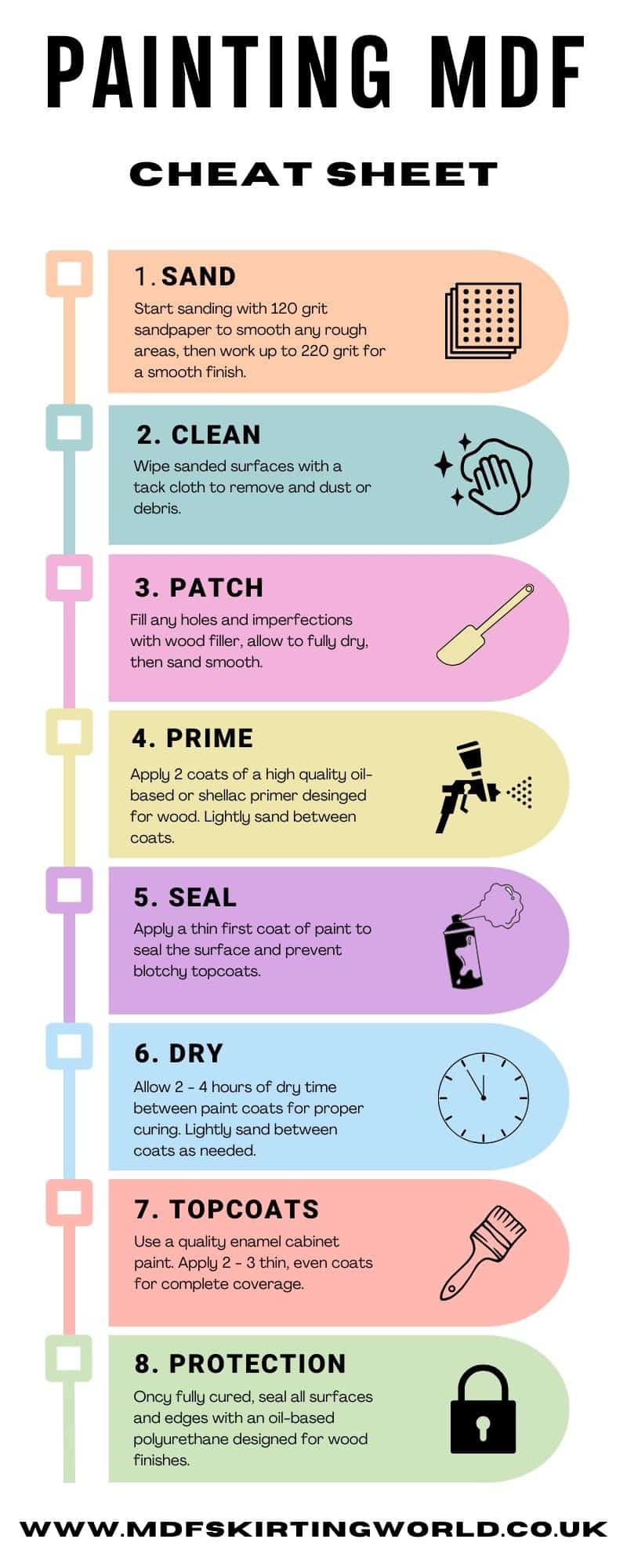
Priming MDF is very important. It helps the paint stick well. Without priming, the paint may peel or chip. MDF can soak up moisture if not primed. This causes swelling and damage. Always clean the surface before priming. Use sandpaper to smooth it. This helps the primer stick better.
Choose a high-quality primer for MDF. It must be able to seal the surface. Water-based primers work well. They dry fast and are less smelly. Oil-based primers are also good. They offer strong protection. Make sure the primer is suitable for MDF. Read the label before buying. Follow instructions for the best results.
Credit: mdfskirtingworld.co.uk
Frequently Asked Questions
Does MDF Wood Need To Be Primed?
Yes, MDF wood needs priming. Primer seals its porous surface, preventing moisture absorption and ensuring a smooth finish. It enhances paint adhesion, reducing the risk of peeling. Use a high-quality primer for best results. Proper priming extends the lifespan of the painted MDF surface.
Can You Paint Directly Onto MDF?
Yes, you can paint directly onto MDF. Seal the surface first with a primer to prevent moisture absorption. Use acrylic or oil-based paint for a smooth finish. Sand lightly between coats for the best results. Always ensure proper ventilation when painting MDF to avoid inhaling any harmful particles.
Can I Leave MDF Unpainted?
Leaving MDF unpainted is not recommended. It absorbs moisture and may warp or swell over time. Painting provides protection and enhances durability, preventing potential damage. Ensure to seal MDF edges before painting for best results.
What Can You Use Instead Of MDF Primer?
Use acrylic primer instead of MDF primer for effective results. It seals surfaces and provides a smooth finish. Sanding sealer is another option, enhancing adhesion and durability. Consider latex primer for a budget-friendly choice that works on MDF. These alternatives ensure your project maintains quality and finish.
Conclusion
Skipping primer on MDF leads to problems. Paint peels and chips easily. Moisture seeps in, causing swelling. The surface looks uneven and rough. Your project loses its charm quickly. Investing time in priming saves future hassle. The result? A smoother, longer-lasting finish.
Your MDF projects deserve proper preparation. Keep them looking great for years. Remember, priming creates the perfect base. Happy crafting!