What Insect Drills Holes In Wood: Proven Destructive Pests
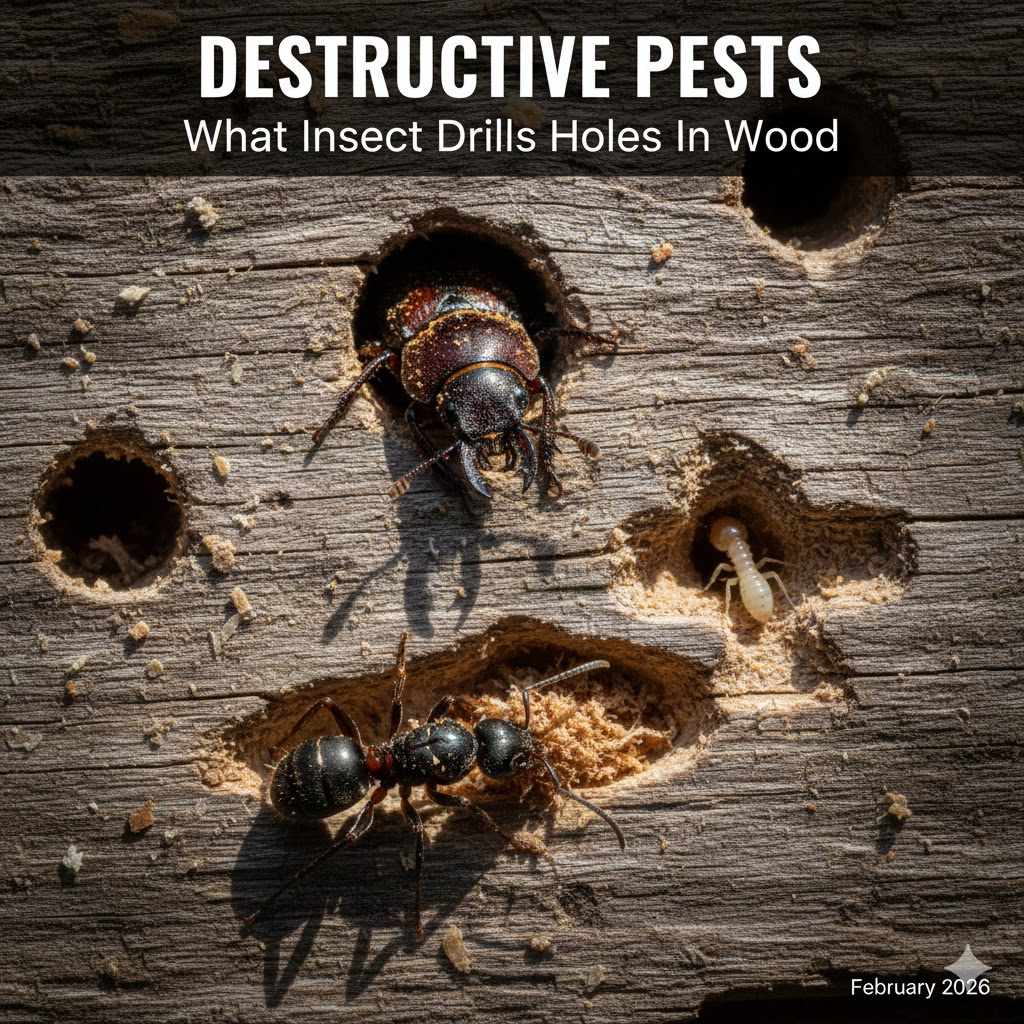
Several insects drill holes in wood, but the most common culprits are beetles (like Powderpost Beetles and Old House Borers), Carpenter Bees, Carpenter Ants, and Termites. Each leaves distinct evidence. The size and shape of the hole, along with the type of sawdust-like residue (frass) left behind, are the best clues to identify the specific pest damaging your wood.
What Insect Drills Holes In Wood: A Guide to Destructive Pests
Hello, fellow makers and homeowners! It’s Md Meraj, your guide in the workshop. There’s nothing more disheartening than finding mysterious little holes in a beautiful piece of wood or, even worse, in the structure of your home. You immediately start to wonder: what’s chewing away at my project or property? Is it serious? It’s a frustrating moment, but don’t worry. You’ve come to the right place.
Figuring out what insect drills holes in wood is the first and most important step to solving the problem. It’s like being a detective for your woodwork! In this guide, I’ll walk you through how to identify the common culprits, understand the clues they leave behind, and decide on the best next steps. We’ll make this simple and clear, so you can feel confident taking back control and protecting your wood. Let’s get to the bottom of this together.
The Telltale Signs: How to Spot Wood-Boring Insects
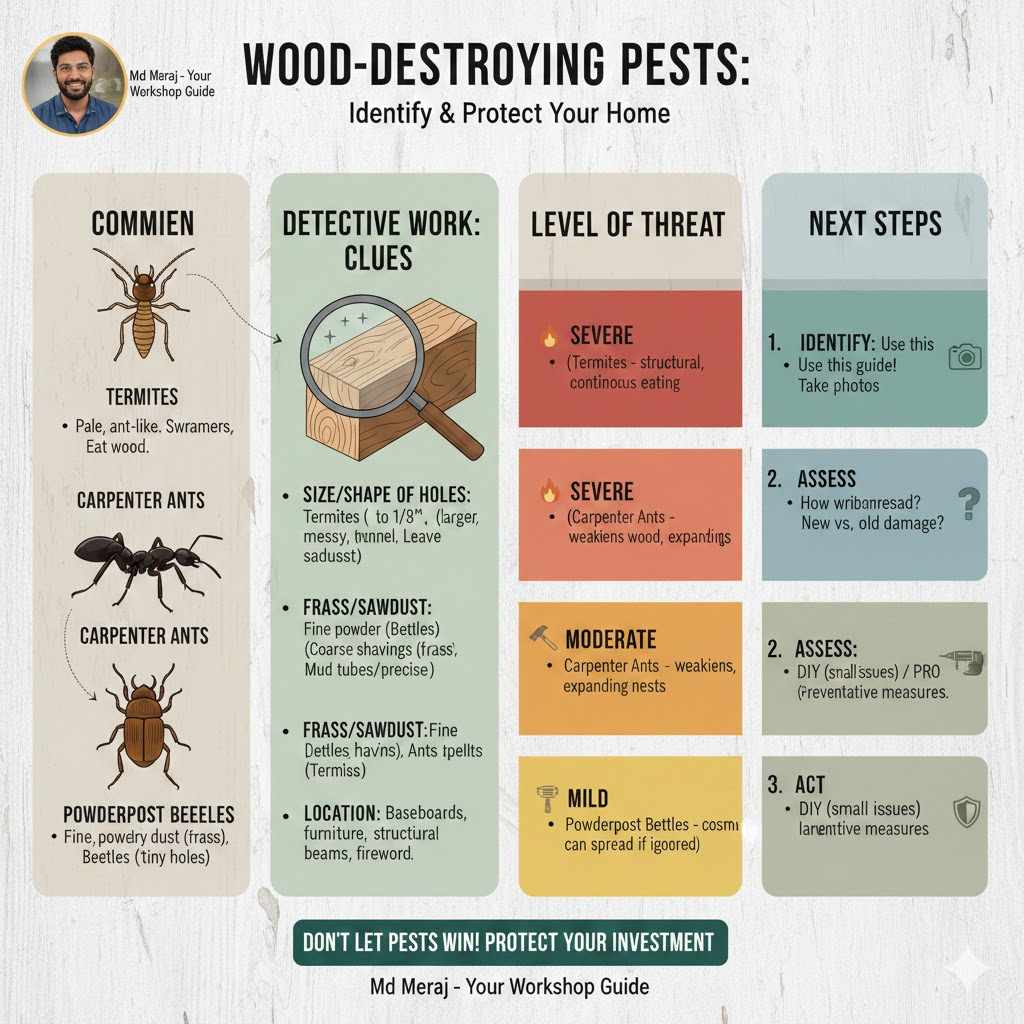
Before we can name the insect, we need to gather some clues. These pests are often sneaky and do their work out of sight. But they always leave behind evidence. Knowing what to look for will make your job much easier. Here are the most common signs that you have a wood-boring insect problem.
- Exit Holes: These are the most obvious sign. Little round or oval holes on the surface of the wood are where adult insects have chewed their way out after maturing inside. The size and shape of these holes are a huge clue.
- Frass (Insect Sawdust): When insects tunnel through wood, they push out their waste, which is called “frass.” It often looks like fine or coarse sawdust. The texture and color of frass can tell you a lot about the pest. You might find it in little piles below the exit holes or in crevices.
- Weak or Crumbly Wood: If you press on the wood with a screwdriver and it feels soft, spongy, or crumbles easily, it’s a sign that the internal structure has been eaten away. Sometimes the surface looks fine, but the wood is hollowed out underneath.
- Sounds: Believe it or not, you can sometimes hear insects at work! A faint clicking, rasping, or rustling sound coming from inside walls or wooden beams is a sure sign of an active infestation, often from pests like the Old House Borer.
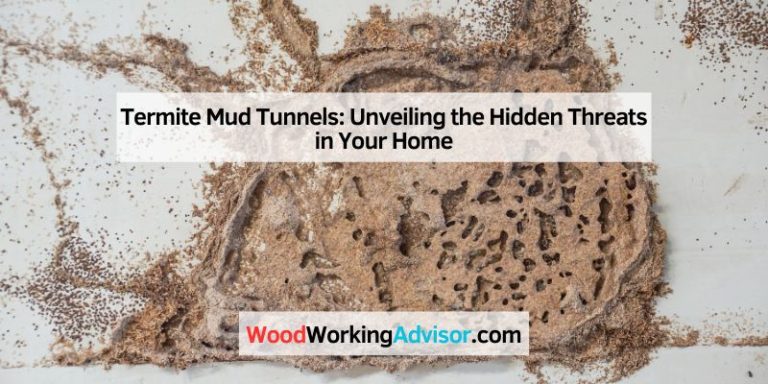
- Mud Tubes: These are a specific sign of Subterranean termites. They build pencil-sized tunnels out of mud, wood, and saliva to travel from their soil colony to the wood they are feeding on. You’ll usually find these on foundation walls or floor joists.
- Discarded Wings: After swarming to mate, some termites and ants shed their wings. Finding small piles of identical, translucent wings on windowsills or near baseboards is a strong indicator of a nearby colony.
Meet the Culprits: Identifying Common Wood-Drilling Insects
Now that you know what signs to look for, let’s meet the primary insects responsible for drilling holes in wood. Each one has a unique “signature” that will help you pinpoint exactly what you’re dealing with.
Powderpost Beetles: The Fine Dust Makers
Powderpost beetles are a group of small beetles whose larvae feed on wood. They are notorious for turning the inside of a piece of wood into a fine, flour-like powder. By the time you see the exit holes, the damage inside might already be extensive.
Key Evidence:
- Holes: They leave behind tiny, round “pinholes,” typically 1/16 to 1/8 inch in diameter. They look like someone shot the wood with tiny birdshot.
- Frass: The frass is the biggest giveaway. It’s a very fine, talc-like powder that feels smooth when rubbed between your fingers. Piles of this powder will often fall from the exit holes when the wood is tapped.
- Target Wood: Different species of powderpost beetles prefer different woods. They often attack hardwoods like oak, ash, walnut, and hickory, but some types will infest softwoods as well. They love wood with a high starch content.
There are a few common families of powderpost beetles, each with slightly different habits.
| Beetle Family | Commonly Attacked Wood | Frass Description |
|---|---|---|
| Lyctidae (True Powderpost Beetles) | Hardwoods (e.g., oak, hickory, ash) | Very fine, flour-like powder. Piles up easily. |
| Anobiidae (Deathwatch Beetles) | Both Hardwoods and Softwoods | Slightly grittier frass with small, pellet-like shapes. Can feel gritty. |
| Bostrichidae (False Powderpost Beetles) | Mostly Hardwoods, loves bamboo | Coarser, more like meal. Tightly packed in tunnels. |
Carpenter Ants: The Tidy Tunnelers
Unlike termites, carpenter ants don’t eat wood for nutrition. Instead, they excavate it to create smooth, tidy nests for their colonies. They are essentially tiny homebuilders, but their work can seriously compromise the strength of wooden structures.
Key Evidence:
- Holes: Carpenter ants create “windows” or openings to their galleries. These are small slits or holes from which they expel wood shavings and other debris.
- Frass: Their frass looks like fine sawdust or wood shavings, much like what you’d create in the workshop. It may also contain parts of other dead insects. Because they keep their nests clean, you’ll find neat piles of this frass (called “carton”) just below the openings.
- Galleries: The tunnels they create are very smooth and clean, almost as if they’ve been sandpapered. They follow the grain of the wood.
- Target Wood: They have a strong preference for wood that is damp, moist, or already starting to decay. This is why you often find them near water leaks in bathrooms, kitchens, or around window frames.
Carpenter Bees: The Perfect Circle Drillers
If you see a perfectly round, half-inch hole in the wood of your deck, eaves, or fascia boards, you’ve likely met a carpenter bee. These large bees look like bumblebees but often have a shiny, black abdomen instead of a fuzzy one. The females drill tunnels to lay their eggs.
Key Evidence:
- Holes: The entrance hole is a nearly perfect circle, about the size of a dime (around 1/2 inch in diameter). It goes straight in for an inch or two, then takes a 90-degree turn to follow the wood grain.
- Frass: A coarse, sawdust-like material may be found on the ground directly below the hole. Sometimes, you’ll see yellowish streaks of waste staining the wood near the entrance.
- Location: They almost always target unpainted, unstained, and weathered softwoods like pine, cedar, and redwood. Decks, railings, fascia boards, and outdoor furniture are prime targets. For more on managing them, the University of Maryland Extension has a helpful guide.
Termites: The Hidden Destroyers
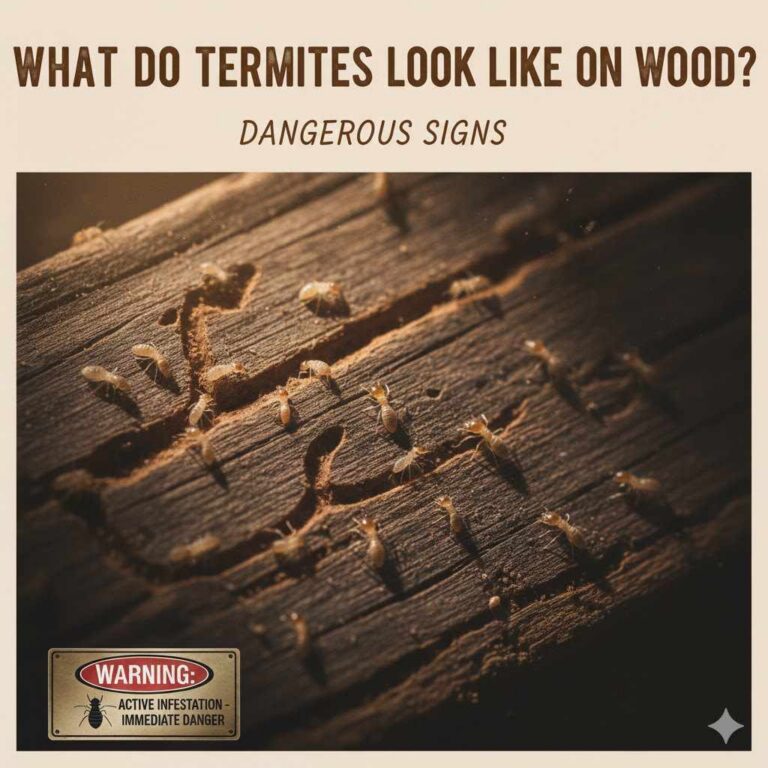
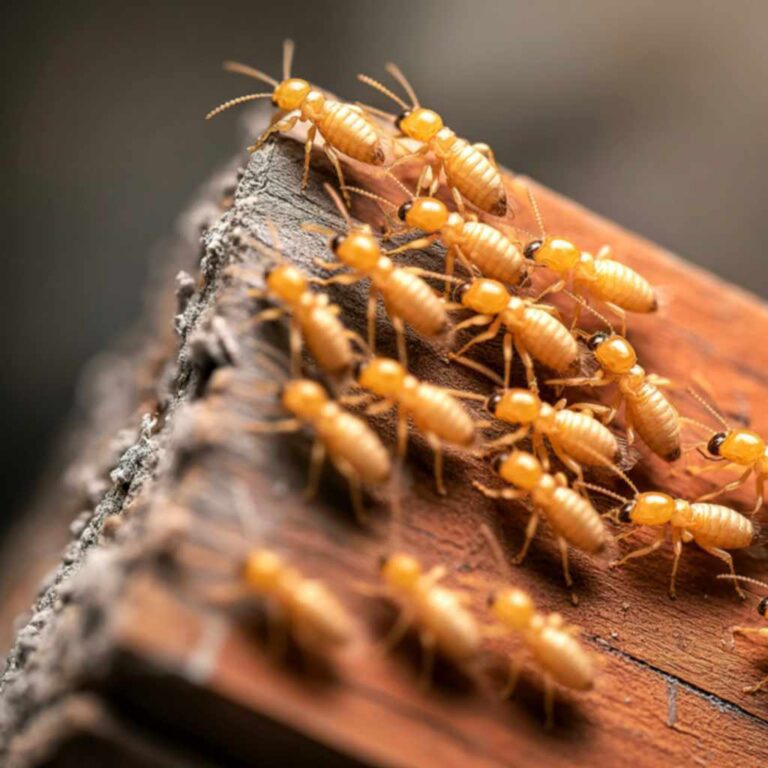
Termites are perhaps the most feared wood-destroying insect, and for good reason. They eat wood from the inside out, often causing massive structural damage before you even know they’re there. The two most common types homeowners encounter are subterranean and drywood termites.
Key Evidence for Subterranean Termites:
- Mud Tubes: These pencil-sized tunnels are built on foundation walls, crawl spaces, and other surfaces, connecting their underground colonies to the wood in your home. This is the #1 sign.
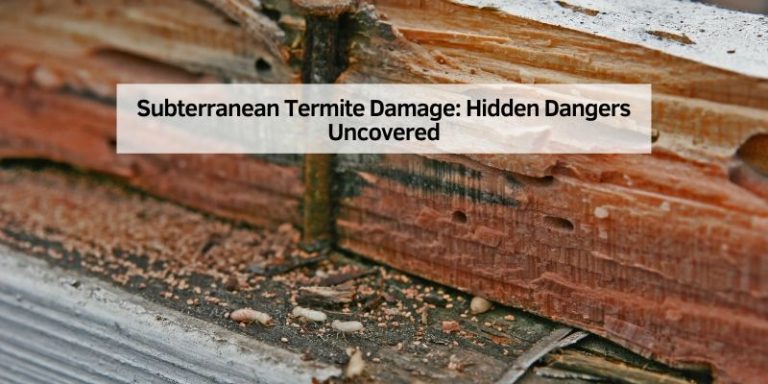
- Damaged Wood: The wood damage follows the grain, and they eat the softer springwood, leaving layers of harder wood (and mud) behind, creating a honeycombed appearance.
- Swarm Evidence: Piles of discarded wings from reproductive swarmers.
Key Evidence for Drywood Termites:
- Frass Pellets: Drywood termites push their waste out of “kick-out” holes. Their frass consists of tiny, six-sided, hard pellets that can look like sand or coffee grounds. Finding small piles of these is a key indicator.
- Damaged Wood: They create large, smooth galleries inside the wood, chewing across the grain. The wood may sound hollow when tapped.
- No Mud Tubes: Unlike their subterranean cousins, they live entirely within the wood they infest and don’t need contact with soil.
Termites are a serious issue, and understanding them is crucial. The U.S. Environmental Protection Agency provides a great resource on how to identify and control termites.
Old House Borers: The Noisy Chewers
The Old House Borer is actually a type of longhorned beetle. Despite its name, it typically infests new homes, attacking the softwood used in construction like pine, fir, and spruce. The larvae can live and feed inside the wood for years.
Key Evidence:
- Holes: The adult beetles leave behind oval-shaped exit holes, about 1/4 to 3/8 inch wide. The edges might look a bit ragged.
- Frass: The frass is a mix of fine powder and tiny pellets. It’s often packed tightly inside the larval tunnels.
- Audible Chewing: This is their most distinct characteristic. You can often hear a rhythmic, rasping, or clicking sound coming from the larvae as they chew through the wood, especially on quiet nights.
Comparing the Damage: A Quick Identification Chart
Feeling a little overwhelmed? It’s a lot to take in! Let’s simplify it with a chart. Use this as a quick reference to compare the key signs side-by-side.
| Insect | Hole Shape & Size | Frass (Sawdust) Appearance | Common Locations |
|---|---|---|---|
| Powderpost Beetle | Tiny, round pinholes (1/16″ – 1/8″) | Very fine, talc-like powder | Hardwood floors, furniture, beams |
| Carpenter Ant | Slits or small openings (not true holes) | Coarse wood shavings, like sawdust | Damp or rotting wood, window sills, near leaks |
| Carpenter Bee | Perfectly round (approx. 1/2″) | Coarse sawdust pile below hole | Unpainted exterior wood, decks, eaves, fascia |
| Drywood Termite | Tiny “kick-out” holes | Hard, six-sided pellets (like sand) | Attics, window frames, furniture |
| Old House Borer | Oval-shaped exit holes (1/4″ – 3/8″) | Fine powder with small pellets | Softwood beams, joists, subflooring |
What to Do Next: Your Action Plan
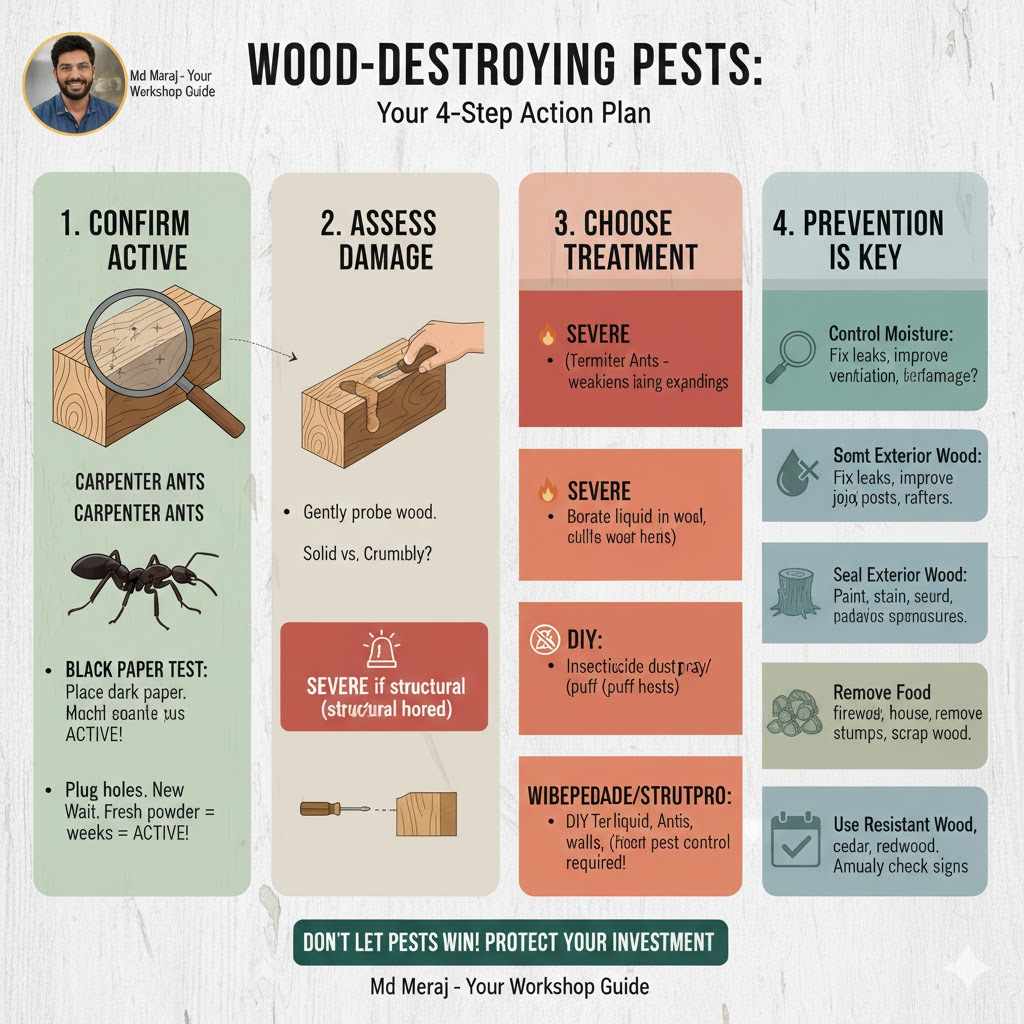
Okay, you’ve played detective and have a good idea of what insect is drilling holes in your wood. Now what? Taking the right steps now can save you a lot of time, money, and heartache down the road. Here is a simple, four-step plan to follow.
Step 1: Confirm the Infestation Is Active
Just because you see holes doesn’t mean the pests are still there. Old damage can remain for decades. You need to know if you’re dealing with a current problem.
The Black Paper Test:
- Clean up all the existing frass you see.
- Place a piece of dark-colored paper or cardboard on the floor directly beneath the holes.
- Wait for a few days to a week. If you see fresh powder or pellets on the paper, you have an active infestation.
Another method is to plug a few of the holes with wood putty or wax. If new holes appear nearby after a few weeks, the insects are still active.
Step 2: Assess the Extent of the Damage
Next, you need to understand how widespread the problem is. Is it just one piece of furniture, or is it in the structural beams of your house? Gently probe the damaged area with a screwdriver or an awl. Does the wood feel solid or does it crumble and flake away? If the damage seems to be in structural components like floor joists, support posts, or roof rafters, the situation is more serious.
Step 3: Choose Your Treatment Method
Your treatment choice depends on the type of insect and the scale of the infestation.
- For Minor or Localized Issues: If you have powderpost beetles in a single piece of furniture or carpenter bees in one spot on your deck, you may be able to handle it yourself. Borate-based liquid treatments can be sprayed or painted onto the wood surface. These soak into the wood and will kill larvae as they feed. For carpenter bees, insecticide dust can be puffed into the galleries at night.
- For Widespread or Structural Infestations: This is when you must call a professional. Termites, widespread powderpost beetle infestations, and carpenter ants inside your walls are not DIY jobs. Professional pest control companies have the tools, knowledge, and restricted-use products to eliminate the entire colony safely and effectively. It’s an investment in protecting your home.
Step 4: Prevention Is the Best Medicine
Once you’ve dealt with the active problem, the final step is to make sure it doesn’t happen again. Prevention is always easier and cheaper than treatment.
- Control Moisture: Most wood-boring insects are attracted to damp wood. Fix any plumbing leaks, improve ventilation in crawl spaces and attics, and ensure your gutters direct water away from the foundation.
- Seal Exterior Wood: A good coat of paint, stain, or sealer is a great deterrent for pests like carpenter bees. They strongly prefer bare, untreated wood.
- Remove Food Sources: Keep firewood stacks away from your house, and never pile them against the foundation. Remove old tree stumps and any scrap wood or cellulose debris from your property.
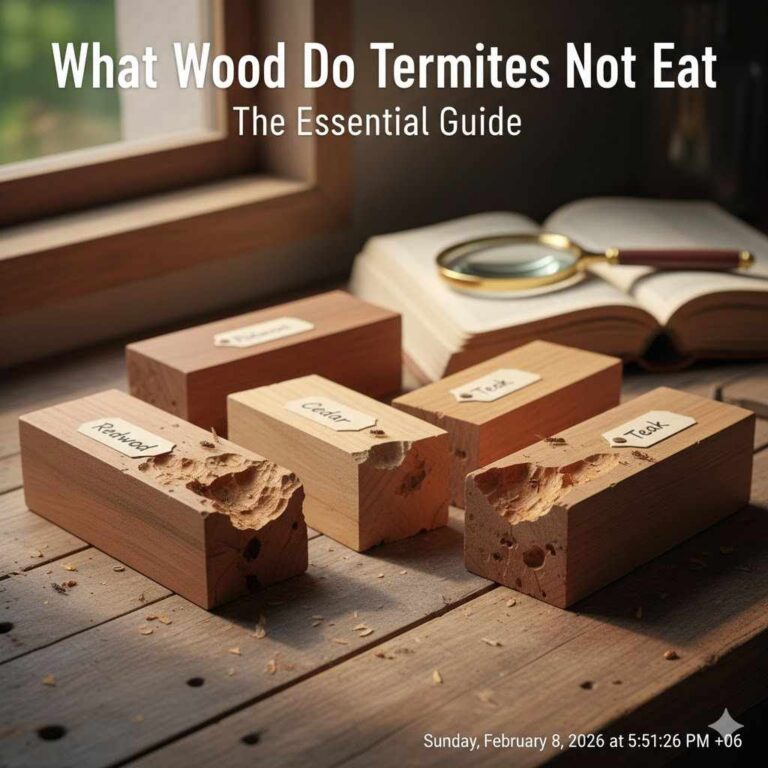
- Use Resistant Wood: For new projects, especially outdoors, consider using pressure-treated lumber or naturally resistant woods like cedar, redwood, or cypress.
- Schedule Regular Inspections: At least once a year, do a thorough walk-around of your home. Look for the signs we discussed—mud tubes, frass, and suspicious holes. Catching a problem early is key.
FAQ: Your Wood-Boring Insect Questions Answered
It’s natural to have a lot of questions. Here are answers to some of the most common ones I hear.
What’s that powder coming out of the holes in my wood?
That powder is called “frass,” which is a combination of wood fragments and insect excrement. The texture of the frass is a major clue for identifying the pest. Fine and talc-like frass points to Powderpost Beetles, while gritty pellets suggest Drywood Termites.
Can I just fill the holes to fix the problem?
No, simply filling the holes will not solve the problem. The holes you see are usually exit holes made by adult insects that have already matured. The real damage is being done inside the wood by the larvae. Filling the holes is a cosmetic fix that hides an active, ongoing infestation.
Is painted or stained wood safe from these pests?
A healthy coat of paint or stain provides excellent protection against some pests, especially Carpenter Bees, which almost exclusively target bare wood. However, it is not foolproof. Termites and Carpenter Ants can find their way through cracks in the finish, and some beetles can infest sealed wood. It’s a strong deterrent but not a complete guarantee.
How can I tell the difference between carpenter ant and termite damage?
The biggest difference is in the tunnels. Carpenter ant galleries are very clean, smooth, and have a finished appearance. Termite galleries are messy, filled with layers of mud, soil, and carton. Also, termites eat the wood, while carpenter ants just excavate it for nests, leaving behind sawdust-like frass.
Do wood-boring insects go away on their own?
It is highly unlikely that a wood-boring insect infestation will resolve itself. As long as there is a suitable food source (your wood) and the right conditions (moisture, shelter), the colony will continue to grow and cause more damage. Action is almost always required.
Are these insects dangerous to people?
For the most part, no. The primary danger from these insects is the structural damage they can cause to a building, which can create unsafe conditions. Carpenter bees can sting, but only the females have stingers, and they are generally not aggressive unless provoked.
When should I absolutely call a professional?
You should always call a licensed pest control professional if you suspect you have termites. Their ability to cause widespread, hidden damage is immense. You should also call for help if you have a widespread infestation of any kind, if the infestation is in a hard-to-reach area, or if the damage involves critical structural supports of your home.
Protecting Your Wood for the Long Haul
Finding holes in your wood can be alarming, but I hope you now feel empowered with the knowledge to tackle the problem head-on. By carefully observing the signs—the size of the holes, the texture of the frass, and the location of the damage—you can confidently identify what insect is drilling into your wood.
Remember, identification is always the first step. From there, you can create a clear plan to treat the issue and, most importantly, prevent it from happening again. Whether it’s a small DIY fix on a piece of furniture or calling in a pro to protect your home’s foundation, taking action is what matters. Keep your woodworking projects and your home safe, and never hesitate to investigate when you see something amiss. Happy building, and stay vigilant!