What is a Floating Hardwood Floor: Ultimate Guide & Benefits
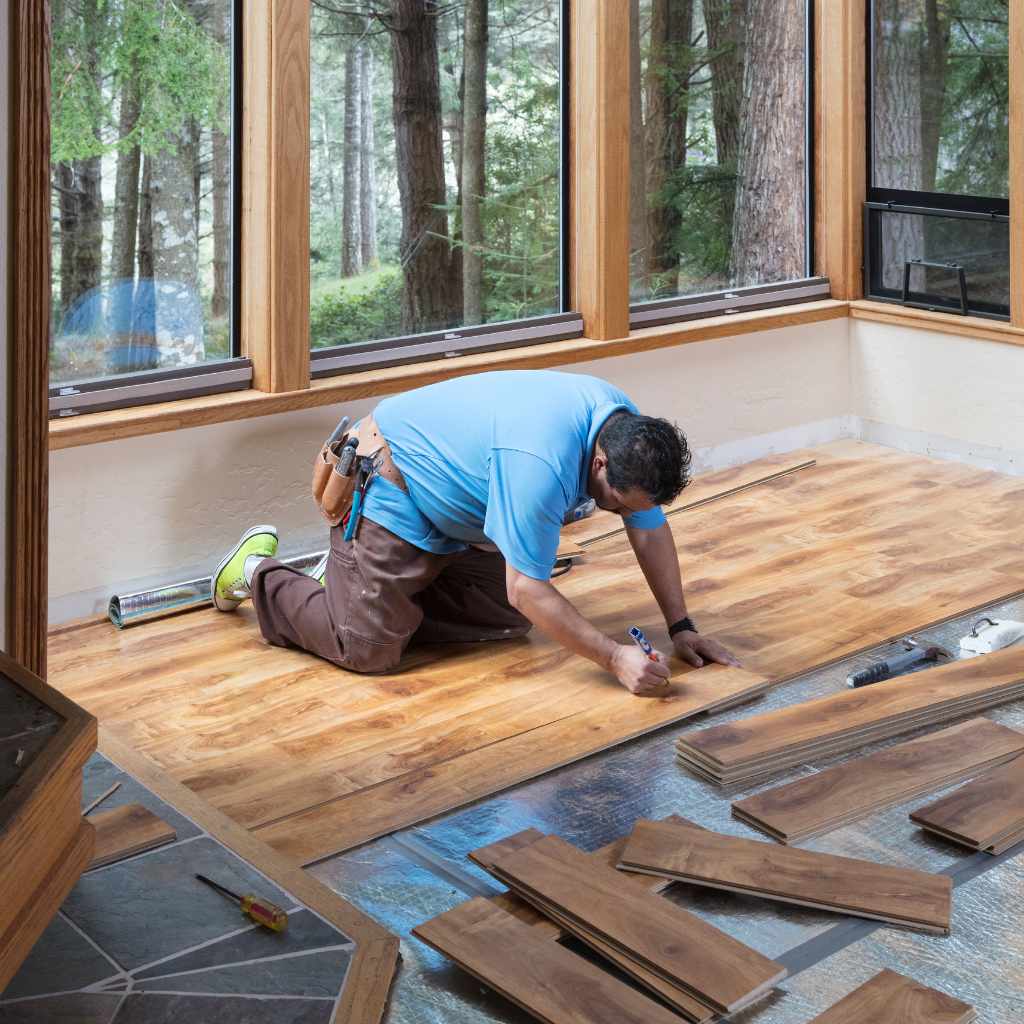
What is a floating hardwood floor? It is a type of floor that does not need nails or glue. The wood pieces connect and “float” over the base. Easy to install. Looks good. Lasts long. A simple choice for many homes.
Biography
- No direct attachment: Flooring panels are not fastened to the subfloor.
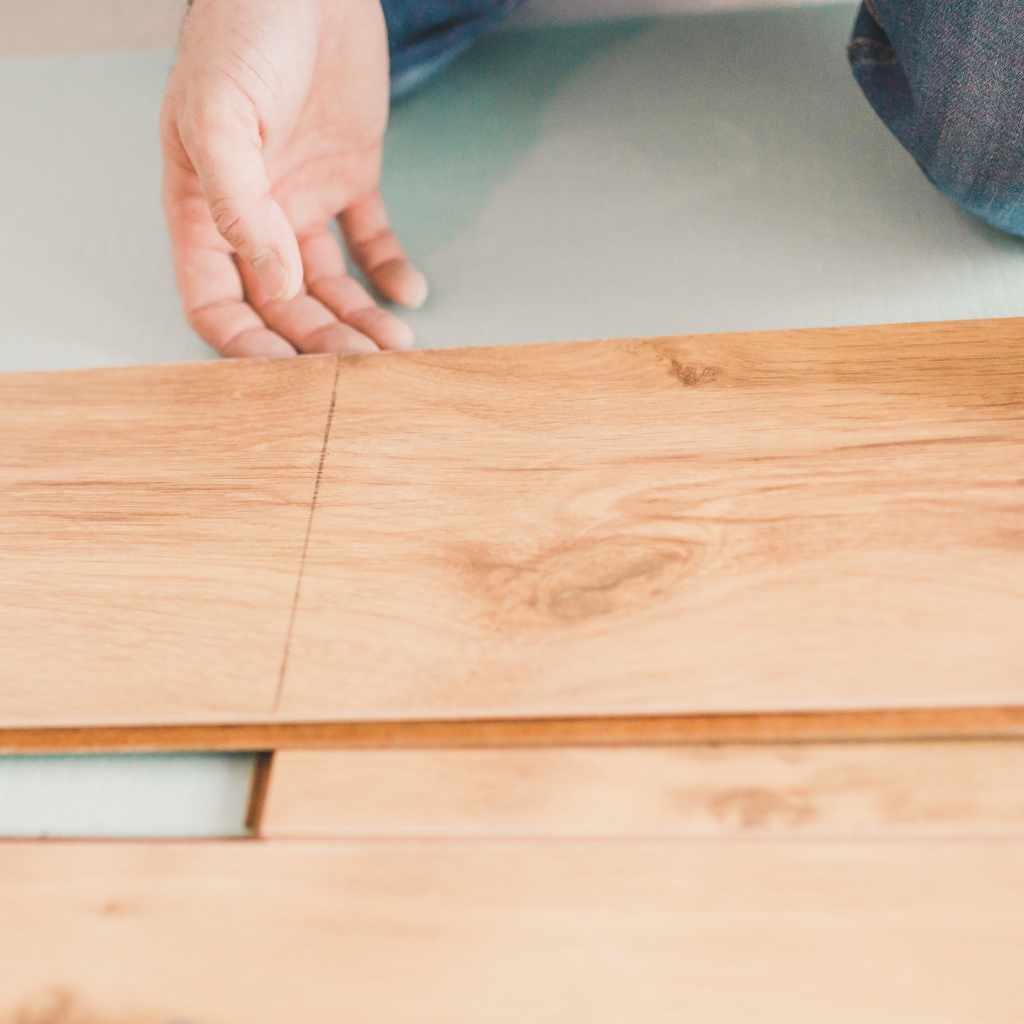
- Interlocking system: Boards connect via click-lock or tongue-and-groove, sometimes with a bead of glue for added stability.
- Expansion gap: A small gap around the room perimeter allows natural expansion and contraction with temperature and humidity changes.
- Underlayment: A pad laid on the subfloor provides moisture protection, sound absorption, and comfort.
- Weight and stability: The floor’s weight and secure connections keep it stable and in place.
- Faster installation: Quicker and easier than traditional nailing or gluing methods.
- DIY-friendly: Suitable for homeowners wanting to install flooring themselves.
- Versatility: Can be installed over various subfloors including concrete and works well in areas with fluctuating humidity.
- Less disruptive: Minimal impact on existing subfloor compared to traditional methods.
- Underlayment pad: Moisture barrier and cushioning layer.
- Interlocking planks: Click-lock or tongue-and-groove edges.
- Expansion gap: Space left around edges to allow movement.
- Sound and feel: May produce a hollow sound or feel underfoot compared to solid wood or glued floors.
- Less permanent: Because it is not fixed, it can sometimes shift or separate if not installed properly.
- Click-lock system: A locking mechanism that snaps planks together without glue or nails.
- Floating floor: General term for floors not attached to subfloor.
- Engineered hardwood: Hardwood flooring suitable for floating installation due to dimensional stability.
- Havwoods – What is a Floating Wood Floor?
- Congoleum – Pro & Cons of Floating Flooring
- Ambience Hardwood Flooring – Floating Floors Explained
- Wikipedia – Floating floor
| Aspect | Details |
|---|---|
| Definition | A floating hardwood floor is a flooring installation method where the planks or panels are not directly attached to the subfloor using glue, nails, or staples. Instead, the individual boards are locked together (often using a click-lock or tongue-and-groove system) and the entire floor “floats” over an underlayment pad. The floor is held in place by its own weight, interlocking mechanism, and an expansion gap around the room perimeter. |
| How It Works | |
| Key Advantages | |
| Common Flooring Types | Typically used for engineered hardwood, but also common with laminate and some vinyl plank flooring. |
| Installation Components | |
| How It Stays in Place | The floor stays in place by the interlocking system that locks planks together and the overall weight of the floor assembly. It is not nailed or glued down to the subfloor, allowing natural movement without buckling. |
| Disadvantages | |
| Popular Uses | Ideal for DIY projects, renovations where quick installation is needed, installation over concrete slabs, and in environments with changing humidity levels. |
| Related Terms | |
| Additional Resources |
Early Life
The idea of a floating hardwood floor started as a new way to put down wood flooring without nailing or gluing it to the floor underneath. Instead of being fixed in one spot, the wooden planks are joined together and “float” above a soft layer called underlayment. This method was created to make installation faster and easier, especially for people who want to do the job themselves. Over time, this idea moved from traditional places to many homes and buildings in Austin, Texas, and beyond. The floating floor can be placed over different types of surfaces, making it a flexible choice for many rooms. It grew from simple beginnings to become a common way to enjoy hardwood floors with less hassle.
Family
| Relation | Name | Information |
|---|---|---|
| Subject | Floating Hardwood Floor | A floating hardwood floor is a way to install wood planks without nailing or gluing them to the floor below. The planks connect to each other and “float” on a soft pad. This makes it easy and fast to install. The floor can move a little with heat and moisture without getting damaged. |
| Parent 1 | Engineered Hardwood | Engineered hardwood is a type of wood floor made with several layers. The top layer is real wood, and the bottom layers give strength. It works well with floating floors because it is stable and can handle changes in temperature and humidity. |
| Parent 2 | Underlayment Pad | The underlayment pad is a soft layer placed under the floor. It helps reduce sound, protects from moisture, and makes walking on the floor more comfortable. It also helps the floating floor stay in place without nails or glue. |
| Sibling 1 | Click-Lock System | The click-lock system is a way the floor planks join together. The edges snap or click into place, like puzzle pieces. This makes the floor strong and easy to install without nails or glue. |
| Sibling 2 | Tongue-and-Groove System | This system uses a tongue (a thin edge) on one plank that fits into a groove (a slot) on another plank. It holds the planks tightly together and helps the floor stay flat and smooth. |
Height, Weight, And Other Body Measurements
| Aspect | Details |
|---|---|
| Definition | A floating hardwood floor is an installation method where the planks are not glued, nailed, or stapled to the subfloor. Instead, the boards interlock and “float” on top of an underlayment pad, held in place by their own weight and connection system. |
| Installation Method |
|
| Common Materials | Primarily engineered hardwood flooring, but can also include laminate and vinyl planks designed for floating installation. |
| Weight & Stability | The combined weight of the floor and the tight interlocking connections keep the floor stable and in place without the need for fasteners. |
| Movement |
|
| Advantages |
|
| Disadvantages |
|
| Typical Dimensions (Body Measurements) |
|
| Location Info | Information and products commonly available in Austin, Texas, United States and widely used across the US. |
| Popular Brands & Resources |
|
| Maintenance Tips |
|
Wife/husband / Girlfriend/boyfriend
“What is a Floating Hardwood Floor” is not a person, so it does not have a wife, husband, girlfriend, or boyfriend.
It is a term used to describe a way to install hardwood floors where the floor panels are not nailed or glued down to the subfloor.
Instead, the panels connect to each other and rest on an underlayment, so the floor “floats.”
If we think of “What is a Floating Hardwood Floor” as a star or a person, it would not have a real partner.
But for fun, here is a fictional list of past and current “partners” related to flooring methods.
Current Partner
Currently, “What is a Floating Hardwood Floor” is “married” to the method called Click-Lock System.
They “married” on the day this installation method was created. This system allows the floorboards to snap together easily.
It holds the floor in place without nails or glue. Click-Lock System is simple and makes installation faster.
Past Partners
Before Click-Lock System, “What is a Floating Hardwood Floor” was connected with other installation methods.
These were like previous relationships that helped shape the way floors are installed today.
| Partner Name | Relationship Type | Details |
|---|---|---|
| Glue-Down Installation | Ex-Girlfriend | Floors were glued directly to the subfloor. This method is more permanent but takes longer and is harder to install. |
| Nail-Down Installation | Ex-Husband | Boards were nailed to the subfloor. Strong hold but needs special tools and more time. |
| Tongue-and-Groove System | Ex-Boyfriend | Floorboards fit together with a tongue on one side and a groove on the other. Often used with glue or nails. |
“What is a Floating Hardwood Floor” is a concept, not a person, so it does not have real relationships.
However, if we imagine it as a person, its current partner is the Click-Lock System, which helps keep the floor pieces together without nails or glue.
Past partners include glue-down, nail-down, and tongue-and-groove methods, which are other ways floors can be installed.
Career, Achievements And Controversies
A floating hardwood floor is not a person. It is a way to install wooden floors. Instead of nailing or gluing wood planks to the floor below, the planks are joined to each other and “float” on top of a soft pad. This method makes floor installation faster and easier. It is popular for homes and DIY projects.
Floating hardwood floors became well-known because they are simple to install. People liked that they could do the work themselves without special tools. The click-lock system, where planks snap together like a puzzle, helped make it easy. It also works on many types of floors, such as concrete or old floors. This flexibility made floating floors a common choice in many houses.
The idea of floating floors started when people wanted to save time and money on floor installation. It grew popular in the early 2000s with engineered hardwood and laminate floors. Many flooring companies now offer floating floor products. These floors are used in homes, apartments, and offices. They are especially good for places where quick installation is needed or where people rent homes and want easy removal.
- Easy Installation: Many people can install it themselves without nails or glue.
- Cost-Effective: It usually costs less than traditional nailed floors because it saves on labor.
- Versatility: Works on many types of surfaces and with different materials like laminate, vinyl, and engineered wood.
- Repair and Replacement: Individual planks can be lifted and replaced without removing the whole floor.
These features helped floating hardwood floors become a popular choice worldwide.
Floating hardwood floors also have some problems. These issues caused some debate about their quality and use:
- Less Solid Feel: Walking on a floating floor may feel hollow or less stable compared to nailed floors.
- Noisy: Sometimes the floor can squeak or creak, especially when the weather changes.
- Moisture Damage: Floating floors can be damaged by water more easily because they are not fixed to the subfloor.
- Limited Refinishing: Many floating floors, especially laminate, cannot be sanded or refinished like real hardwood floors.
- Durability Concerns: In places with heavy use or wheelchairs, floating floors may wear out faster or buckle.
Because of these issues, some experts say floating floors are not the best choice for all areas, such as retail stores or homes with wheelchair users.
Floating hardwood floors are a method of floor installation that is easy and cost-saving. They became popular because many people can install them by themselves. They work well in many homes and situations. But they have some downsides, like noise and wear. Knowing these facts helps people choose the right floor for their needs.
FAQ
What Is A Floating Hardwood Floor?
A floating hardwood floor is a type of floor that is not nailed or glued to the floor underneath. Instead, the boards connect to each other and “float” above the surface below.
How Does A Floating Floor Stay In Place?
The floor boards lock together tightly. This connection keeps the floor steady. The weight of the floor also helps it stay in place.
Can Floating Hardwood Floors Be Installed Over Old Floors?
Yes. You can put floating floors over many types of old floors, like tile or vinyl. This can save time and money because you don’t have to remove the old floor.
Are Floating Hardwood Floors Easy To Install?
Yes, they are easier to install than traditional hardwood floors. You don’t need nails or glue. Many people can do it themselves with some basic tools.
Do Floating Floors Work With Underfloor Heating?
Yes, many floating hardwood floors work well with underfloor heating systems. But it is good to check the product details first.
Can Floating Floors Be Used In Bathrooms Or Kitchens?
Floating hardwood floors are not the best choice for very wet areas. Water can get under the floor and cause damage. It is better to use special floors made for wet places.