What Is a Keyhole Saw Used For? Uses, Types, and How to Cut With One
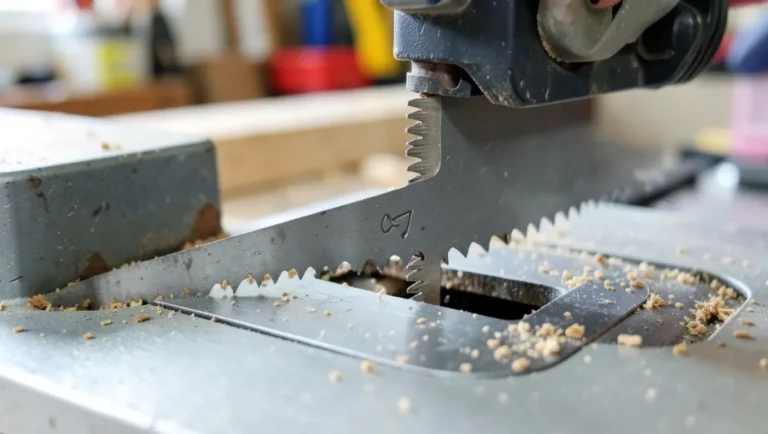
A keyhole saw is used for making narrow plunge cuts and tight curves in wood, drywall, and other soft materials, starting holes for electrical boxes, pipes, and vents, and finishing cuts a jigsaw or circular saw can’t reach. Drywall crews usually call the same tool a jab saw, and some manufacturers label it a drywall saw or a pad saw. The names overlap enough that hardware stores use them interchangeably, though a dedicated drywall saw usually has a thicker, coarser blade built specifically for gypsum board. This guide covers exactly what a keyhole saw is used for, how it differs from a jigsaw, coping saw, and compass saw, and how to make a clean plunge cut with one on the first try.
What a Keyhole Saw Is Used For
Best Budget Keyhole/Jab Saw Pick
 |
IRWIN Tools Standard Drywall/Jab Saw (2014102) – $4.99 The exact simple, inexpensive keyhole/jab saw this guide recommends starting with. It handles outlet cutouts, pipe openings, and wood curves without the folding mechanism or blade-swap hardware most buyers don’t need.
|
The keyhole saw earns its keep in jobs where a bigger saw simply doesn’t fit. Its narrow, pointed blade goes places a jigsaw’s foot or a circular saw’s guard can’t, which is why it shows up in nearly every electrician’s, plumber’s, and drywall installer’s tool bag. Typical jobs include:
- Cutting outlet and switch box openings in drywall or paneling, working from a traced outline instead of a power tool.
- Starting plunge cuts in the middle of a panel with no edge or drilled access point needed once the point pierces the surface.
- Cutting around pipes and vents where a jigsaw’s base plate can’t sit flat against the material.
- Trimming drywall patches to fit an irregular hole before mudding and taping.
- Rough-cutting ceiling tile and other soft panel material for HVAC register openings.
- Cutting tight curves in wood, such as starting an interior cutout that a coping saw would otherwise have to finish from a drilled hole.
Most keyhole and jab saws will also cut soft plastic, and with a metal-cutting blade swapped in, thin sheet metal. Wood and drywall are what the tool is actually built for, though; pushing it hard into anything tougher just dulls the teeth or bends the blade.
Keyhole Saw vs. Jab Saw vs. Drywall Saw vs. Compass Saw
The overlapping names cause more confusion than the tools themselves deserve. Here’s the actual distinction:
- Keyhole saw: the traditional name, dating back to when this style of saw was used to cut keyholes for skeleton-key locks. Short, narrow, tapered blade.
- Jab saw: the modern trade term for the same tool, named for how you “jab” the pointed tip through the material to start a cut. Interchangeable with “keyhole saw” in most catalogs.
- Drywall saw: technically a jab saw with a thicker, more rigid blade and coarser teeth (commonly 7 to 10 TPI) built to punch through gypsum board without flexing or clogging.
- Pad saw: an older, mostly British term for a keyhole saw with a removable or adjustable blade held in a round handle.
- Compass saw: a related but genuinely different tool. It has a longer blade, roughly 12 to 14 inches versus 6 to 8 inches on a keyhole saw, and fewer teeth per inch, so it cuts faster but rougher, over a wider curve radius, in material too thick for a keyhole saw’s short blade to reach through.
In practice, if a listing says “keyhole saw,” “jab saw,” or “drywall saw,” it’s describing the same category of tool with minor blade differences. “Compass saw” is the one name on this list worth treating as a separate purchase.
Design and Types
Every keyhole saw shares the same basic shape: a short, narrow blade that tapers to a sharp point, set in a handle built to be gripped like a knife rather than a full-size hand saw. Beyond that, three variations matter when you’re choosing one.
Fixed-blade saws are a single stamped-steel blade riveted or molded into a handle. They’re the cheapest option, usually under $10, and fine for occasional drywall and wood work.
Folding saws lock the blade at one or two open angles, often 125 and 180 degrees, and fold flush into the handle when not in use, which keeps the point from poking through a tool pouch. These run $20 to $30 and suit anyone carrying the saw daily.
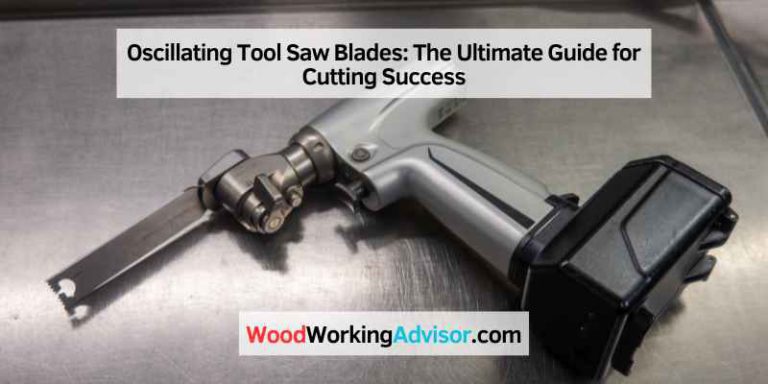
Interchangeable-blade saws use a set-screw collar to swap between a wood blade, a drywall blade, and sometimes a metal-cutting blade in the same handle. They cost more up front but save you from buying three separate saws.
How to Cut With a Keyhole Saw
- Mark the cut. Trace the outline of the hole or opening directly on the material.
- Drill a starter hole, about 3/8 to 1/2 inch, just inside one corner of the outline. A keyhole saw can pierce drywall on its own, but a drilled hole gives a cleaner, more controlled start in wood.
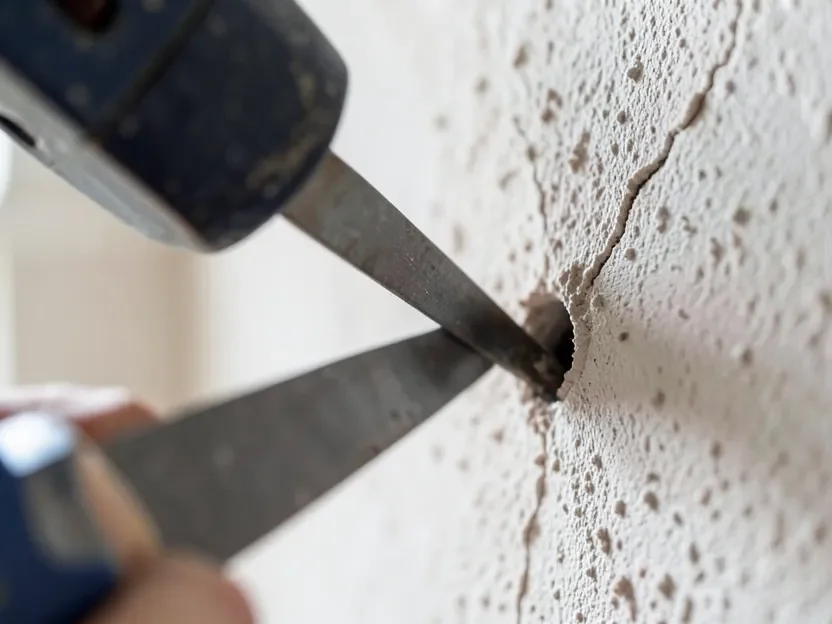
- Insert the point into the starter hole at a slight angle, then bring the blade upright once the teeth catch the material.
- Saw with short, controlled strokes, letting the teeth do the cutting instead of forcing the blade. Most keyhole and jab saw blades cut on the pull stroke.
- Follow the line to each corner, backing the blade out slightly before turning sharp angles so the surrounding material doesn’t tear.
- Clean up the edges with a utility knife or sandpaper once the piece is cut free.
For electrical box cutouts specifically, a stud finder or an outlet marker template beats guessing; the drilled starter hole should sit inside the traced line so the saw never has to correct outward. Wear eye protection, drywall dust and wood splinters kick back toward the hand holding the saw more than most people expect.
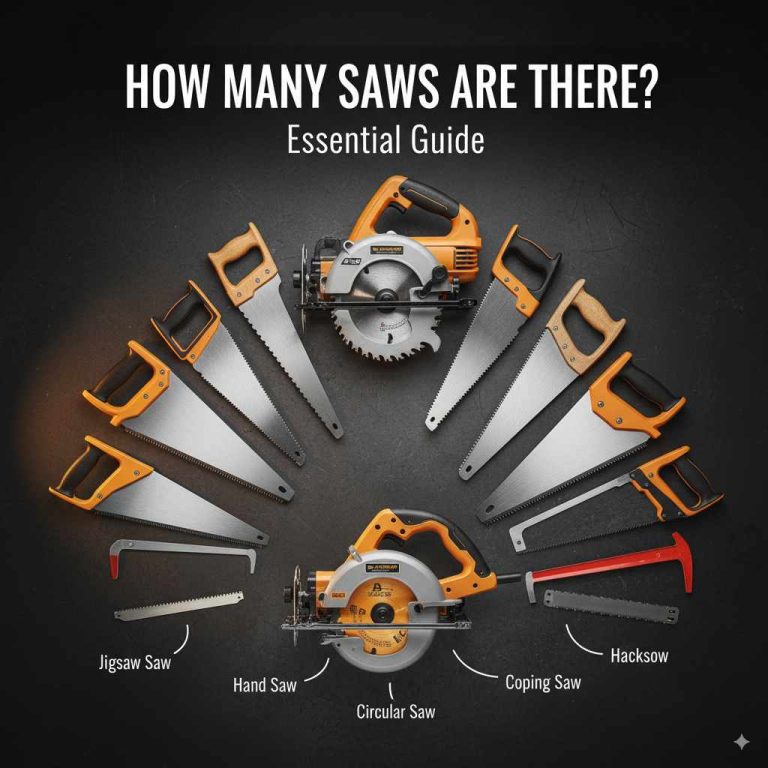
Keyhole Saw vs. Jigsaw vs. Coping Saw
A keyhole saw isn’t a replacement for either of these tools. It fills the gap between them, for spots too small for a jigsaw and too rough for a coping saw.
| Feature | Keyhole Saw | Jigsaw | Coping Saw |
|---|---|---|---|
| Best for | Plunge cuts, tight curves, no-power access | Larger, faster, straighter cuts | Fine detail work in thin wood |
| Blade | Narrow, tapered to a point, 6-8 in. | Varies by task, interchangeable | Thin, held under tension in a frame |
| Material | Wood, drywall, thin plastic | Wood, plastic, thin metal | Thin wood, molding |
| Power source | Manual only | Corded or battery | Manual only |
Maintenance and Care
A keyhole saw needs very little upkeep, but skipping it shortens the blade’s life fast. Brush wood and drywall dust out of the teeth after each use; drywall dust in particular is abrasive and will dull the edge if it’s left packed between the teeth. Wipe the blade dry before storing it, since a damp blade left in a tool bag rusts within days. Check the teeth for bent or missing points every few uses. A fixed-blade saw with damaged teeth is cheap enough to just replace, while an interchangeable-blade model only needs a new blade. If rust does show up, removing it from the blade with fine steel wool and a light coat of oil will usually save the saw.
Choosing Your Next Keyhole Saw
For most homeowners, a basic fixed-blade drywall/jab saw like the one above covers electrical boxes, vent openings, and the occasional wood cutout, and it costs about as much as a sandwich. If you’re cutting keyholes and curves daily, the folding or interchangeable-blade versions from Irwin, Stanley, or Klein Tools are worth the extra cost; they hold an edge longer and won’t stab through a tool pouch the way a fixed blade can. Whichever style you pick, a comfortable, non-slip handle matters more than blade steel grade for this tool, since you’re guiding it entirely by hand rather than running it through a jig.
Frequently Asked Questions
What Is a Keyhole Saw Used For?
A keyhole saw is used for making narrow plunge cuts and tight curves in wood, drywall, and other soft materials. It’s the go-to tool for cutting outlet box openings, starting cuts with no drilled access point, and trimming drywall patches to fit before mudding.
Is a Keyhole Saw the Same as a Jab Saw?
Essentially yes. Keyhole saw and jab saw are two names for the same narrow, pointed hand saw. A drywall saw is a version of the same tool with a thicker, coarser-toothed blade built specifically for cutting gypsum board.
How Do You Start a Cut With a Keyhole Saw?
Drill a small starter hole, about 3/8 to 1/2 inch, just inside your marked line, then insert the saw’s pointed tip at a slight angle before bringing the blade upright to cut. In drywall, the point is often sharp enough to pierce the surface directly without a drilled hole.
Can a Keyhole Saw Cut Metal?
A standard wood or drywall blade won’t cut metal cleanly, but many interchangeable-blade keyhole saws accept a metal-cutting blade for thin sheet metal or conduit. For anything thicker than light-gauge metal, use a hacksaw or a metal-cutting jigsaw blade instead.
What’s the Difference Between a Keyhole Saw and a Compass Saw?
A compass saw has a longer blade, roughly 12 to 14 inches versus 6 to 8 inches on a keyhole saw, with fewer teeth per inch. That makes it faster but rougher, and better suited to wider curves and thicker material than a keyhole saw’s short, fine-toothed blade can handle.
Conclusion
A keyhole saw earns its spot in a toolbox by handling the cuts nothing else fits into: tight curves, blind plunge cuts, and openings around pipes and boxes that a jigsaw or circular saw can’t reach. Whether the label on the package says keyhole saw, jab saw, or drywall saw, it’s the same short, pointed blade built for exactly that job. Keep the teeth clean and dry between uses and it will outlast almost every other hand tool in the bag.
Sponsored / affiliate links. As an Amazon Associate I earn from qualifying purchases. I may earn additional commission from eligible campaigns.