Can You Cut Metal With a Chop Saw? Not With a Wood Miter Saw
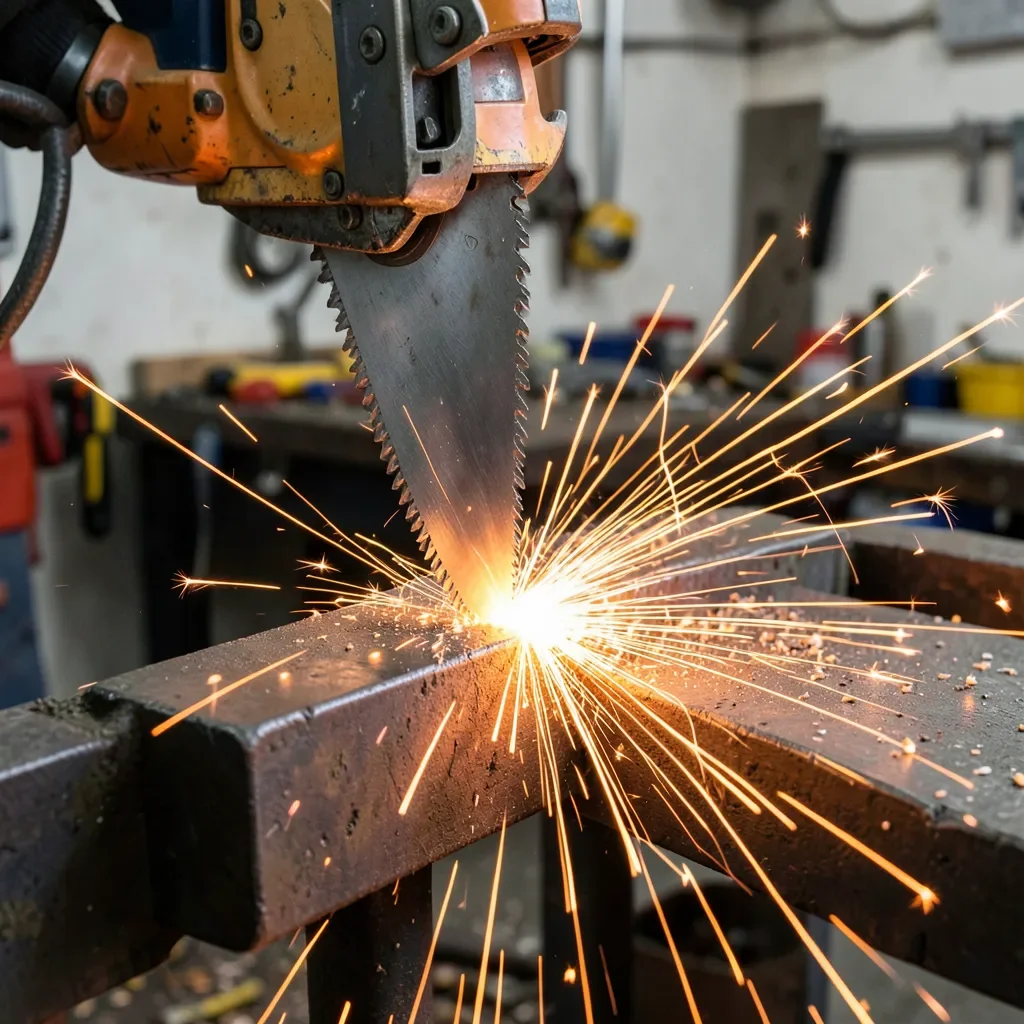
A dedicated abrasive chop saw cuts steel, aluminum, and brass safely at roughly 3,800–4,000 RPM with the right wheel — but a wood-cutting miter saw runs 3,200–5,000 RPM and sits in a shop full of sawdust, so its sparks are a real fire hazard and a standard wood blade can shatter under metal’s resistance. The two tools get confused because both are sometimes called “chop saws.” This guide covers telling them apart, matching blade RPM to your saw, and which metals are actually safe to cut on each.
Chop Saw or Miter Saw? Why the Confusion Matters
Best Metal-Cutting Blade for a Miter Saw
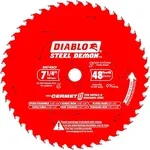 |
Diablo Steel Demon 7-1/4" Carbide Ferrous Metal Blade – $39.19 This is the type of blade the RPM-matching guidance below is about — a carbide-tipped blade actually engineered for ferrous metal, not a repurposed wood blade.
|
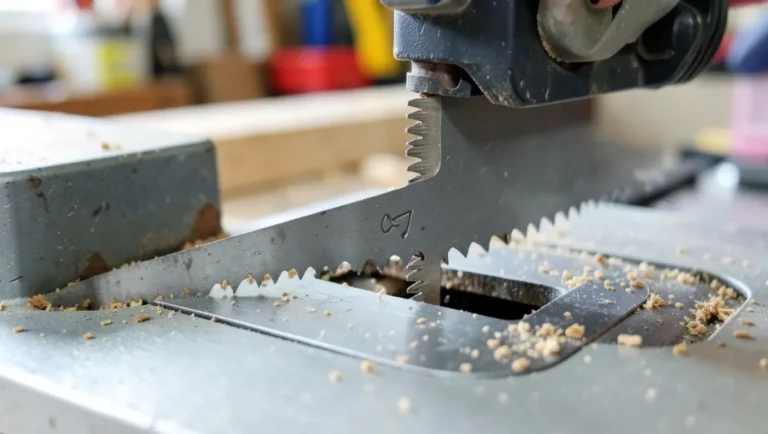
“Chop saw” means two different tools depending on who’s talking. In metalworking, it usually means a dedicated abrasive cut-off saw — a stationary tool built specifically to cut metal with an abrasive wheel, running at a fixed 90-degree angle. In woodworking, plenty of people call their miter saw a “chop saw” too, since it does the same up-and-down chopping motion on wood. These are not interchangeable tools: a real metal-cutting chop saw and a wood miter saw have different motor speeds, different guards, and different blade mounting specs. Assuming your wood miter saw is a “chop saw” in the metal-cutting sense is exactly the mix-up that leads to using the wrong blade.
Dedicated Abrasive Chop Saws: Built for Metal
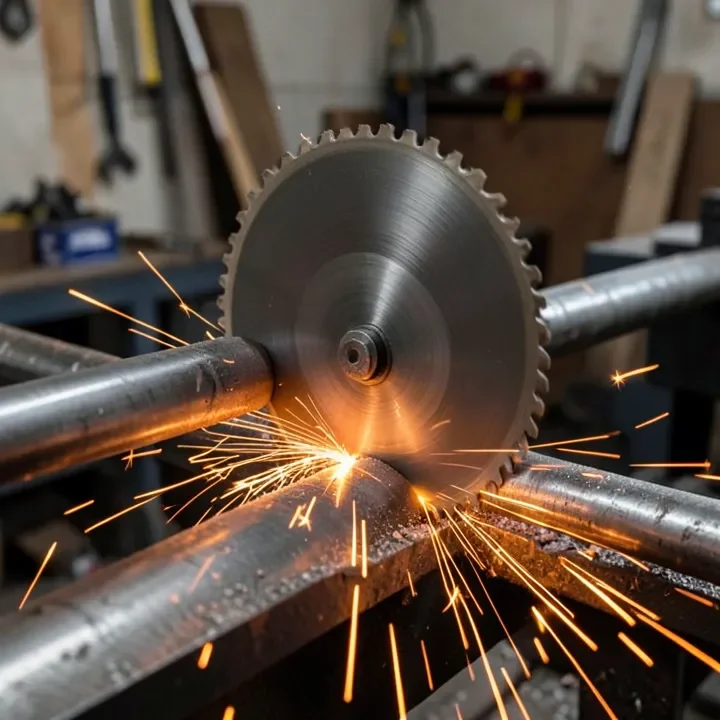
A true metal-cutting chop saw runs a 14-inch abrasive wheel at roughly 3,800–4,000 RPM — slower than most wood miter saws, and paired with a wheel designed to grind through metal rather than slice it. It only cuts straight 90-degree cuts (no miter angles), which is fine for the pipe, angle iron, and rod stock it’s built for.
- Steel and iron: a standard abrasive metal-cutting wheel handles these directly.
- Aluminum and brass: use a wheel or blade specifically rated for non-ferrous metal — a steel-rated abrasive wheel can clog and grab in softer metal.
- Stainless steel: needs a wheel rated for stainless specifically; regular steel wheels can contaminate the cut and cause discoloration.
📊 Metal-cutting blade RPM ratings vary enormously with diameter — a 12-inch carbide ferrous-metal blade can be rated as low as 1,800 max RPM, while a 6-1/2 to 7-1/4 inch version of the same product line is rated up to 5,800 max RPM. Exceeding a blade’s printed max RPM is a real blade-failure risk, so always check the number stamped on the blade against your saw’s no-load RPM (usually printed on the tool’s spec plate) before mounting it — never assume “rated for metal” alone means it’s rated for your specific saw. Source: Diablo Tools Steel Demon blade specifications.
Can a Wood Miter Saw Cut Metal Safely?
Only with a blade specifically rated for ferrous metal cutting whose max RPM meets or exceeds your saw’s actual RPM — never a standard wood-cutting blade. A few real risks most guides skip:
- Sparks near sawdust: a wood miter saw’s table, dust port, and surrounding shop are typically covered in sawdust, and metal-cutting sparks are hot enough to ignite it. Clear and vacuum the area completely before cutting metal anywhere near a wood shop.
- Blade shattering: a wood blade’s teeth are ground for slicing fibrous wood grain, not grinding through dense metal — forcing it into steel or aluminum can shatter carbide teeth at high speed.
- RPM mismatch: a blade rated below your saw’s actual no-load RPM can fail structurally even if it’s the correct metal-cutting type.
If your miter saw and a correctly-rated blade both check out, clamp the metal securely, wear a face shield in addition to safety glasses, and let the blade do the work with light, steady pressure — forcing the cut is what causes binding and kickback.
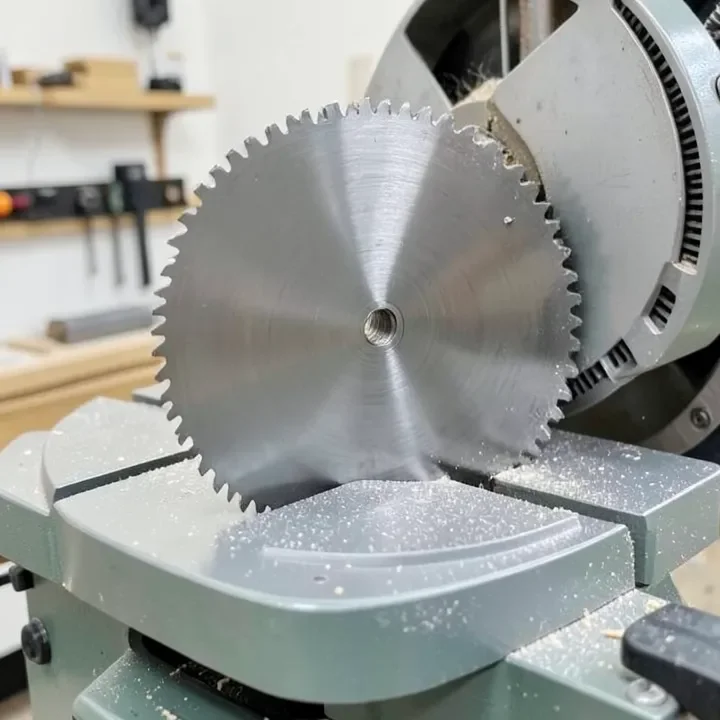
Which Metals Are Actually Safe to Cut
| Metal | Dedicated Abrasive Chop Saw | Wood Miter Saw + Rated Metal Blade |
|---|---|---|
| Thin aluminum stock | Yes, with a non-ferrous wheel | Yes, if blade RPM matches your saw |
| Steel rod or angle iron | Yes, standard abrasive wheel | Only with a carbide ferrous-metal blade rated for your saw’s RPM |
| Thick or structural steel | Yes | Not recommended — exceeds most miter saw motors’ duty cycle |
| Stainless steel | Yes, with a stainless-rated wheel | Only with a stainless-rated carbide blade |
Frequently Asked Questions
Can a chop saw cut through metal?
Yes — a dedicated abrasive metal-cutting chop saw is built specifically for this and does it safely with the correct wheel for the metal type. The confusion is that some people also call a wood miter saw a “chop saw,” and that tool needs a specifically-rated metal blade, not just any wheel.
What type of blade do I need for metal cutting?
An abrasive cutting wheel for a dedicated metal chop saw, or a carbide-tipped ferrous-metal blade (like Diablo’s Steel Demon line) if you’re using a wood miter saw — and in either case, check the blade’s printed max RPM against your saw’s actual RPM before mounting it.
Is it safe to cut metal with a wood miter saw?
Only with a blade rated for ferrous metal cutting at an RPM equal to or higher than your saw’s speed, in a work area cleared of sawdust. A standard wood blade on metal is genuinely dangerous — it can shatter under the load.
What metals can a dedicated chop saw cut?
Steel, iron, aluminum, brass, and stainless steel, each with a wheel matched to that metal — a steel-rated wheel run on stainless or soft aluminum can grab, clog, or contaminate the cut.
The short answer is yes, but the tool matters more than most guides admit: a dedicated abrasive chop saw handles metal as designed, while a wood miter saw needs a specifically RPM-matched metal blade and a sawdust-free work area to do the same job without becoming a fire or blade-failure risk.
Sponsored / affiliate links. As an Amazon Associate I earn from qualifying purchases. I may earn additional commission from eligible campaigns.