What is a Radial Arm Saw Used for: Ultimate Guide
A radial arm saw is used for making crosscuts and rip cuts in wood. This versatile saw can also be used for bevel cuts and compound miter cuts, making it a valuable tool for woodworking projects.
Whether you’re cutting long pieces of stock to length or creating precise angled cuts, a radial arm saw offers flexibility and accuracy. With its ability to adjust the depth and horizontal angle of the cut, this saw provides a wide range of cutting options for woodworkers.
Additionally, the radial arm saw is suitable for cutting various materials including aluminum, steel, brass, and plastics, making it a valuable asset in a woodworking workshop.
Introduction To The Radial Arm Saw
A Radial Arm Saw is a versatile tool used for making crosscuts and rip cuts on various materials. Its adjustable arm allows for precise depth and angle adjustments, making it suitable for different cutting tasks. These saws are favored for their flexibility and accuracy in woodworking projects.
Origins And Evolution
A radial arm saw is a versatile woodworking tool that has evolved significantly over the years. Initially designed by Raymond DeWalt in 1922, it was primarily used for crosscutting wood. However, with advancements in technology and design, modern radial arm saws have become capable of performing a wide range of cutting tasks, making them an essential tool in woodworking workshops and construction sites.
Basic Components And Setup
The basic components of a radial arm saw include a motor, an arm that holds the saw blade, a blade guard, and a table for supporting the workpiece. Setting up a radial arm saw involves adjusting the blade angle, height, and position to ensure accurate and precise cuts. Additionally, proper calibration of the saw and ensuring safety features are in place are crucial for efficient and safe operation.

Key Features Of Radial Arm Saws
Radial arm saws are versatile cutting tools that allow for adjustments to the depth and angle of the cut. They can be used for both rip and crosscutting of wood, as well as cutting through materials such as aluminum, steel, plastics, and fiberglass.
The saw arm can be swung from side to side and raised or lowered to accommodate various cutting needs.
Adjustability
Radial arm saws are known for their adjustability. The saw arm can be raised and lowered, and swung from side to side, allowing for depth and horizontal angle adjustment of the cut. This adjustability makes radial arm saws more versatile than table saws. The saw can be adjusted to make rip cuts, crosscuts, and angled cuts with ease. The saw blade can also be adjusted to make dado cuts, bevel cuts, and compound miter cuts.
Versatility
Radial arm saws are versatile because they can make a variety of cuts, including rip cuts, crosscuts, bevel cuts, and compound miter cuts. They are also suitable for cutting different materials, such as wood, metal, plastic, and fiberglass. The saw arm can also be adjusted to accommodate different sizes of materials, making it ideal for cutting large pieces of wood or metal.
Comparison With Table Saws
While both radial arm saws and table saws can make rip cuts and crosscuts, radial arm saws are more versatile. Radial arm saws can make angled cuts, compound miter cuts, and bevel cuts, while table saws are limited to rip and crosscuts. Radial arm saws are also better suited for cutting large pieces of wood or metal, while table saws are better for smaller pieces of material.
In conclusion, radial arm saws are versatile tools that can make a variety of cuts on different materials. Their adjustability makes them ideal for cutting large pieces of wood or metal, while their ability to make angled and compound cuts makes them more versatile than table saws. If you are looking for a saw that can handle a variety of cutting tasks, a radial arm saw is a great option.
Safety Measures And Best Practices
A radial arm saw is a versatile tool used for various cutting tasks. It can be used for crosscuts, rip cuts, and even bevel cuts. The adjustable arm allows for precise and controlled cuts, making it a useful tool for woodworking projects.
However, it is important to follow safety measures and best practices when operating a radial arm saw to ensure a safe and efficient work environment.
Understanding The Risks
When it comes to using a radial arm saw, it is important to be aware of the potential risks involved. This powerful tool can pose hazards if not used properly, making it crucial to understand the risks associated with its operation.
One of the main risks of using a radial arm saw is the potential for accidents and injuries. The rotating blade can cause severe cuts and amputations if fingers or hands come into contact with it. Additionally, the saw arm can swing unexpectedly, leading to accidents and even potential ejection of the material being cut.
Another risk is the possibility of kickback, which occurs when the material being cut gets caught on the blade and is forcefully thrown back towards the operator. This can result in serious injuries if proper precautions are not taken.
To mitigate these risks, it is essential to implement appropriate safety protocols and best practices when using a radial arm saw.
Implementing Safety Protocols
When using a radial arm saw, it is crucial to follow safety protocols to ensure the well-being of both the operator and others in the vicinity. Here are some essential safety measures to consider:
- Wear Personal Protective Equipment (PPE): Always wear appropriate PPE, such as safety goggles, ear protection, and gloves, to protect yourself from flying debris and noise.
- Secure the Workpiece: Make sure the workpiece is securely clamped or held in place to prevent movement and potential accidents.
- Position Yourself Correctly: Stand to the side of the saw blade, keeping a safe distance from the cutting area to avoid any accidental contact.
- Use the Proper Blade: Ensure that the blade is suitable for the material being cut, as using the wrong blade can lead to kickback and other hazards.
- Start the Saw Away from the Material: Before bringing the blade into contact with the material, start the saw and allow it to reach full speed away from the workpiece.
- Maintain a Clear Workspace: Keep the work area clean and free from clutter to reduce the risk of accidents and improve visibility.
- Never Remove Safety Features: Do not remove or disable any safety features or guards on the radial arm saw, as they are designed to protect against potential hazards.
By adhering to these safety protocols and best practices, you can significantly reduce the risks associated with using a radial arm saw and ensure a safer working environment.
Versatile Cutting Options
A radial arm saw is used for versatile cutting options such as crosscuts, rip cuts, miter cuts, bevel cuts, and compound miter cuts. Its adjustable arm allows for precise depth and angle adjustments, making it a valuable tool for various woodworking projects.
A radial arm saw is a powerful tool that offers a wide range of cutting options, making it a valuable asset in any workshop. Whether you need to make precise crosscuts or rip through materials with accuracy, this versatile tool has got you covered.
Crosscutting Techniques
One of the key features of a radial arm saw is its ability to perform crosscuts with ease. With its adjustable arm, you can set the depth and horizontal angle of the cut to achieve the desired result. This flexibility allows you to make precise and clean crosscuts on various materials, including wood, metal, plastics, and fiberglass.
By clamping the material securely in place, you can ensure stability and accuracy throughout the cutting process. The radial arm saw’s blade can be easily guided along the marked line, providing you with straight and clean cuts every time.
Ripping With Precision
In addition to crosscutting, a radial arm saw is also a reliable tool for ripping lumber. Ripping refers to cutting wood along its length, parallel to the grain. This technique is commonly used when you need to create narrower pieces or trim boards to a specific width.
The adjustable arm of the radial arm saw allows you to set the desired depth of the cut, ensuring precise and consistent results. By utilizing the proper blade and adjusting the speed, you can achieve clean and accurate rip cuts on various types of wood.
With its versatility and precision, a radial arm saw is a valuable tool for any woodworking project. Whether you’re working on furniture, cabinetry, or general carpentry, this tool provides you with the flexibility to tackle a wide range of cutting tasks with ease.
Specialized Cuts And Projects
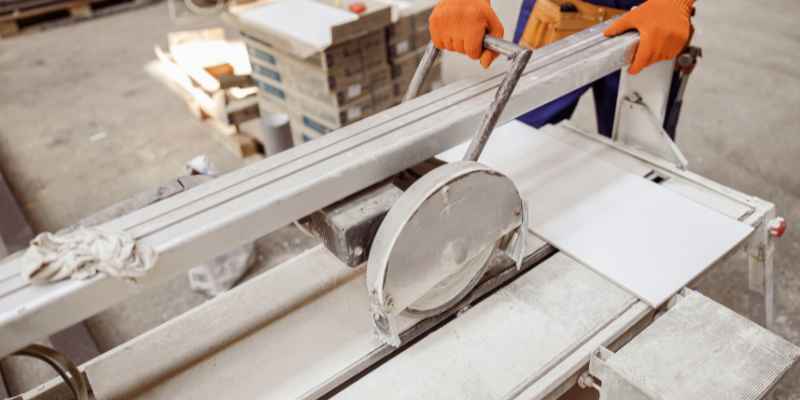
A radial arm saw is a versatile power tool used for making specialized cuts and projects. It allows for adjustments in depth and horizontal angle, making it ideal for crosscuts and rip cuts. With its ability to swing from side to side and its raised and lowered arm, it’s perfect for cutting long pieces of stock to length.
Miter And Bevel Cuts
A radial arm saw is the perfect tool for making precise miter and bevel cuts. These types of cuts are often used in woodworking projects that require angled joints, such as picture frames, crown molding, and door frames. With a radial arm saw, you can easily adjust the angle of the blade to make accurate cuts at any degree. This makes it a versatile tool that can be used for a wide range of projects.
Complex Compound Cuts
Radial arm saws are also great for making complex compound cuts. These types of cuts involve making angled cuts in two planes at the same time. This is often used in projects that require intricate designs or unique shapes, such as wooden toys, decorative boxes, and furniture. With a radial arm saw, you can easily adjust the blade to make precise cuts in multiple planes, making it a great tool for complex projects.
Other Specialized Cuts
In addition to miter and bevel cuts and complex compound cuts, radial arm saws can also be used for a variety of other specialized cuts. For example, they are great for making dado cuts, which are used to create slots in wood for joints or shelves. They can also be used for making rabbet cuts, which are used to create recesses in wood for panels or other decorative elements.
Overall, a radial arm saw is an incredibly versatile tool that can be used for a wide range of specialized cuts and projects. Whether you are a professional woodworker or a DIY enthusiast, a radial arm saw is a must-have tool in your workshop. So why not invest in one today and see what kind of amazing projects you can create with it!
Additional Uses Beyond Cutting
A radial arm saw can be used for more than just cutting. It is versatile, allowing for crosscuts, ripping, and making compound miter cuts. Additionally, it can be used for metal cutting, making it a valuable tool for various materials beyond wood.
Sanding And Shaping
A radial arm saw is versatile, capable of sanding and shaping wood surfaces efficiently.
Drilling And Boring
With the right attachments, a radial arm saw can also be used for precise drilling and boring tasks.
Maintaining Your Radial Arm Saw
A radial arm saw is a versatile tool used for various cutting tasks. It allows for crosscuts, rip cuts, and can even be used for metal cutting. With adjustable features like depth and angle, it provides flexibility in woodworking projects.
Proper maintenance is essential to ensure optimal performance and safety.
Routine Cleaning And Adjustments
To keep your radial arm saw in top shape, regularly clean the sawdust and debris. Inspect the saw for loose parts and adjust as needed.
Blade Replacement And Calibration
When it’s time to replace the blade, follow the manufacturer’s guidelines for proper installation. Calibrate the blade to ensure accurate cuts.
Remember to clean and adjust your radial arm saw routinely to maintain its performance. Replace the blade as needed and calibrate it for precision cuts.
The Future Of Radial Arm Saws
Rapid advancements in technology have revolutionized the woodworking industry, impacting the future of radial arm saws.
Modern Innovations
In recent years, radial arm saws have seen significant advancements in safety features and precision engineering.
The Place In Today’s Woodshop
Despite the rise of other cutting tools, radial arm saws continue to hold a valuable place in modern woodshops.
Frequently Asked Questions
What Is The Purpose Of A Radial Saw?
A radial saw is used for versatile cutting tasks, such as crosscuts and rips. It offers adjustable cutting angles and depths.
Why Are Radial Arm Saws Not Popular Anymore?
Radial arm saws are not popular due to safety concerns and the versatility of table saws.
What Type Of Cutting Is A Radial Arm Saw Used For?
A radial arm saw is used for crosscuts, rip cuts, bevel cuts, and compound miter cuts. It can cut through various materials, including wood, metal, plastics, and fiberglass. The saw arm can be adjusted for depth and angle to make versatile cuts.
What Is The Best Use Of A Radial Arm Saw?
A radial arm saw is best used for cross-cutting, ripping, and making angled cuts. It’s also suitable for making dado cuts and can be used for shaping and sanding wood.
Conclusion
The radial arm saw is a versatile tool for various cutting tasks. It can be used for crosscutting, ripping, and even for making compound miter cuts. Despite safety concerns, its functionality and ability to handle different materials make it a valuable addition to a workshop.